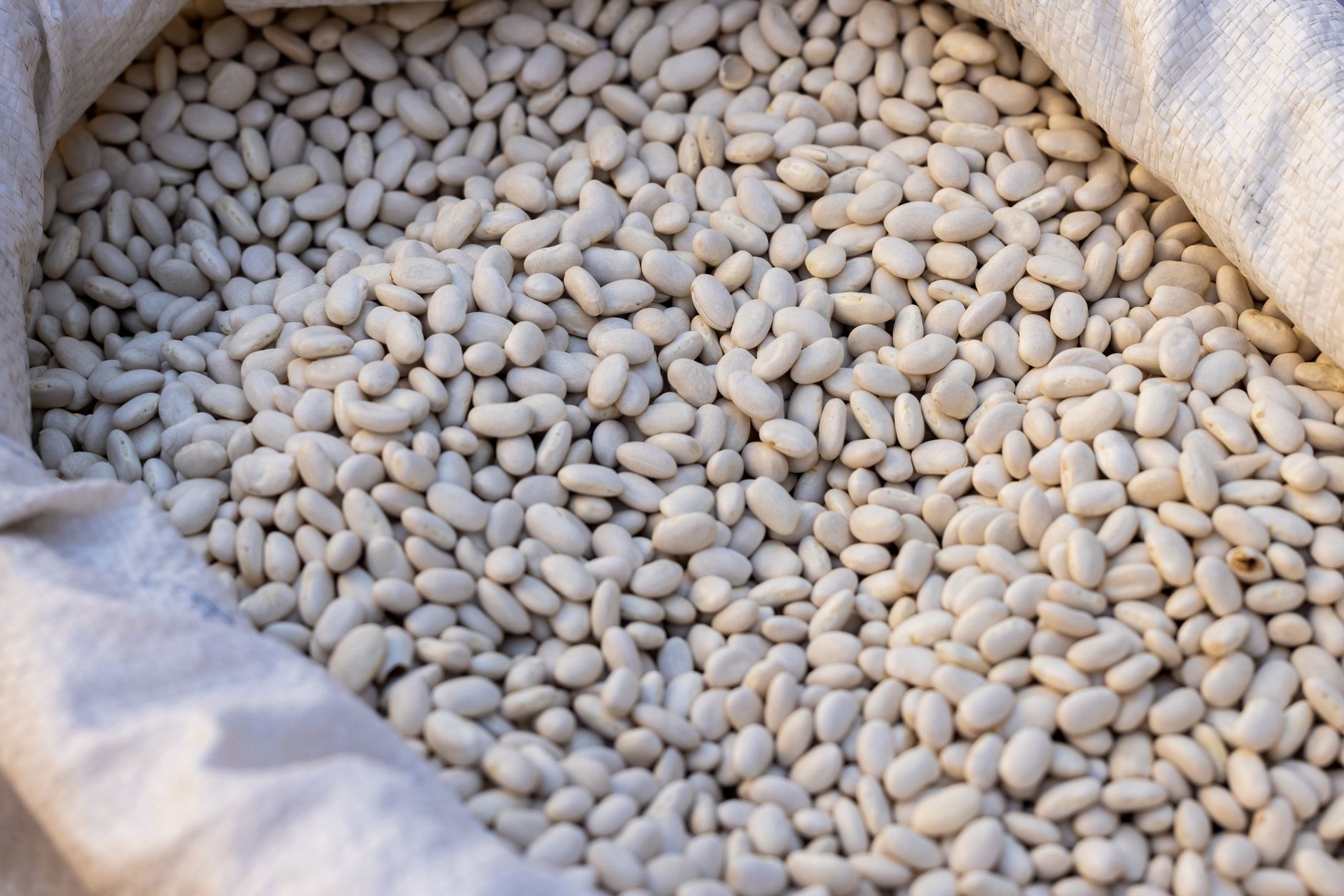
Eating high fiber beans is one of the simplest ways to increase your daily fiber intake naturally. If you‘ve ever wanted to add more fiber rich foods to your diet but worried about that bean belly feeling, youre not alone. The good news? You can enjoy these fiber-packed legumes with confidence as long as you know which beans deliver the most fiber, how to prepare them right, and why fiber truly matters for your overall health.
Fiber Benefits Explained
What Are the Health Benefits of a Fiber Diet?
Fiber isnt just roughageit plays a vital role in keeping your digestion smooth and your heart healthy. Soluble fiber helps lower bad cholesterol, reducing heart disease risk, while insoluble fiber keeps things moving in your gut, preventing constipation and bloating. According to the USDA FoodData Central, a high fiber diet also supports blood sugar regulation, aiding in diabetes management, and keeps you feeling full longer, supporting healthy weight control.
Nutritionists often recommend aiming for 25-35 grams of fiber daily. Beans are a delicious and affordable way to meet that goal, rich not only in fiber but also protein and key nutrients like iron and folate.
How Do Beans Compare to Other Fiber Rich Foods?
While fruits and vegetables offer valuable fiber, beans take the cake when it comes to density. For instance, one cup of cooked black beans packs around 15 grams of fiber that‘s nearly half the daily target. Grains and leafy greens contribute, but beans combine fiber with protein and other nutrients in a satisfying package.
Plus, beans are versatile you can toss them into salads, soups, or even blend them into smooth spreads like hummus. For those watching their calorie intake but wanting hearty nutrition, beans often feature in whole foods high protein low calorie snacks, making them a smart choice.
Top High Fiber Beans
What Are the Top High Fiber Beans to Add to Your Diet?
Wondering which beans offer the biggest fiber boost? Heres a quick look at some favorites:
- Navy Beans: About 19 grams of fiber per cooked cup.
- Black Beans: Roughly 15 grams per cooked cup.
- Lentils: Around 15.6 grams per cooked cup.
- Chickpeas (Garbanzo Beans): Approximately 12.5 grams per cooked cup.
- Kidney Beans: 13 grams per cooked cup.
These legumes are staples across cuisines and easy to find in both dry and canned forms.
Nutritional Breakdown Table: Fiber Content and Other Key Nutrients
| Bean Type | Fiber (grams per cup) | Protein (grams per cup) | Calories (per cup) | Key Vitamins/Minerals |
|---|---|---|---|---|
| Navy Beans | 19 | 15 | 255 | Folate, Iron, Magnesium |
| Black Beans | 15 | 15.2 | 227 | Folate, Potassium, Magnesium |
| Lentils | 15.6 | 18 | 230 | Folate, Iron, Phosphorus |
| Chickpeas | 12.5 | 14.5 | 269 | Folate, Iron, Phosphorus |
| Kidney Beans | 13 | 13.4 | 225 | Folate, Iron, Potassium |

Cooking Beans Easily
What Are The Best Cooking Methods to Reduce Gas and Bloating?
Cooking beans to maximize benefits while minimizing digestive discomfort is all about preparation. First, soak dried beans in plenty of water for 8-12 hoursdiscard the soaking water before cooking to reduce oligosaccharides that cause gas.
Rinse canned beans thoroughly under cold running water to wash away excess sodium and preservatives. Use a pressure cooker or slow cooker for gentle, thorough cooking that softens beans completely.
Introduce beans gradually into your meals, starting with small portions (around cup) to allow your gut bacteria to adapt. Adding spices like ginger, cumin, or asafoetida can also support better digestion.
Simple Recipes Using Beans
Beans shine in many recipes. Here are a few easy ideas to get started:
- Hearty Bean Chili: Saut onions and garlic with cumin and smoked paprika. Add tomatoes, black beans, kidney beans, and simmer for 30 minutes. Serve with a dollop of yogurt or shredded cheese.
- Classic Hummus: Blend chickpeas with tahini, lemon juice, garlic, and olive oil until smooth. Serve as a dip or spread.
- Refreshing Bean Salad: Toss navy beans with diced cucumbers, tomatoes, parsley, lemon juice, and a drizzle of olive oil for a light, fiber-packed lunch.

Risks and Limits
Are There Any Downsides to Eating Too Many High Fiber Beans?
While fiber is essential, consuming too much too quickly can trigger bloating, gas, or abdominal discomfort. Fiber works best when introduced gradually, aiming to increase intake by 5 grams per week until you reach your target.
Also, very high fiber intake might interfere with absorption of some minerals like iron or zinc if your diet is unbalanced.
Who Should Be Cautious About Eating High Fiber Beans?
People with irritable bowel syndrome (IBS), Crohns disease, or other digestive sensitivities should monitor bean intake carefully. Some may find certain beans exacerbate symptoms.
If you have a diagnosed condition or food allergies, consulting a healthcare provider before significantly increasing fiber-rich legumes is wise.
Balancing Your Diet
How to Balance Beans With Other Fiber Rich Foods?
Beans work well alongside whole grains, fruits, and vegetables to meet your daily fiber goals. Combining beans with leafy greens or whole grain rice creates meals rich in diverse nutrients and fibers that support gut health harmoniously.
Practical Tips for Beans in Your Meals
Canned beans are a quick, nutritious optionjust rinse to reduce sodium. Batch-cook dried beans once a week and freeze portions in airtight containers for up to 3 months for easy grab-and-go use.
Experiment with spicing, different bean varieties, and serving formatssoups, stews, dips, and saladsto keep meals interesting and nutritious.
Looking for foods gentle on the stomach? Check out the best foods for acid reflux to complement your bean intake.

Is high fiber beans actually Halal what should I check?
Most dry beans and canned legumes are naturally Halal since they are plant-based. However, for processed canned beans or bean products, look for Halal certification logos such as JAKIM, HMC, or IFANCA. These ensure no cross-contamination with non-Halal ingredients or alcohol-based preservatives.
When is the best time to eat high fiber beans?
Beans can be enjoyed any time, but eating them during lunch or dinner helps prevent any mild digestive effects disrupting your sleep. Starting with small portions early in the day can also help your body adjust comfortably.
Can I eat canned beans straight from the can?
Rinsing canned beans under cold water is essential to remove excess sodium and preservatives. After rinsing, theyre ready to eat or cook according to your recipe.
Are all beans equally high in fiber?
Nofiber content varies. Navy beans generally top the list, followed by black beans and lentils. Its good to mix different bean types for variety and nutrition.
How does soaking affect fiber in beans?
Soaking doesnt reduce fiber but helps break down sugars that cause gas, making beans easier to digest without compromising their fiber content.
Can kids eat high fiber beans?
Yes, but introduce beans gradually in small amounts. This lets their digestive system adapt and enjoy the benefits without discomfort.
What if I experience bloating after eating beans?
This is common at first. Drink plenty of water, reduce portion size, or try different bean types. Also, make sure to cook beans thoroughly and include digestive spices.
How long do cooked beans last in the fridge?
Store cooked beans in an airtight container in the fridge for 4 to 5 days. For longer storage, freeze them in portions for up to 3 months.
What to look for in canned beans labels?
Choose cans labeled low sodium or no salt added. Check for clear Halal certification. Avoid added sugars or preservatives that are not Halal-compliant. Look for a clean ingredient list: beans, water, salt, and minimal additives.
Pro Tips for Cooking Beans
Soaking beans overnight is a subtle game-changerit reduces cooking time by up to 50% and improves texture. Always discard soaking water and cook beans in fresh water.
To deepen flavor, cook beans with a halved onion and a bay leaf or a few garlic cloves. Remove these before serving for a clean, aromatic taste.
If youre batch cooking, freeze beans in single-serving portions using freezer-safe bags. This keeps them fresh up to 3 months and ready to add to any dish.
Looking for a balanced snack to complement your fiber-rich meals? Explore whole foods high protein low calorie snacks for wholesome ideas.
More You Might Like
Discover more about best foods for acid reflux to soothe your digestion along with fiber-rich beans.
If you want to explore nutrient-dense meal ideas, check out our guides on Halal-certified snacks and recipes that match your health goals.
Conclusion
High fiber beans offer a delicious, nutritious way to boost your fiber intake while supporting digestive and heart health. Remember to introduce them gradually and prepare them well to avoid discomfort. Next time you shop, check for Halal certification and enjoy experimenting with different beans and recipes. Feel free to share your favorite bean dishes or tips in the comments below!
FAQs
Is high fiber beans actually Halal — what should I check on the label?
Most dry and canned beans are naturally Halal as they are plant-based. For processed or canned beans, look for Halal certification logos like JAKIM, HMC, or IFANCA to ensure no non-Halal ingredients or alcohol-based preservatives are included.
When is the best time to eat or drink high fiber beans?
Eating high fiber beans at lunch or dinner is ideal to avoid mild digestive discomfort affecting sleep. Starting with small portions early in the day helps your body adjust comfortably to their fiber content.
How long do cooked beans last in the fridge?
Cooked beans can be stored in an airtight container in the refrigerator for 4 to 5 days. For longer preservation, freeze portions in freezer-safe bags for up to 3 months.
How do high fiber beans compare to other fiber-rich foods?
Beans provide a higher fiber density than most fruits and vegetables; one cup of cooked black beans has about 15 grams of fiber, which is nearly half the daily recommended intake, and also offers protein, vitamins, and minerals.
Where can I buy high fiber beans with Halal certification?
You can find Halal-certified high fiber beans at specialty grocery stores, online Halal food retailers, and many supermarkets in their organic or health food sections. Always check the packaging for official Halal certification logos.