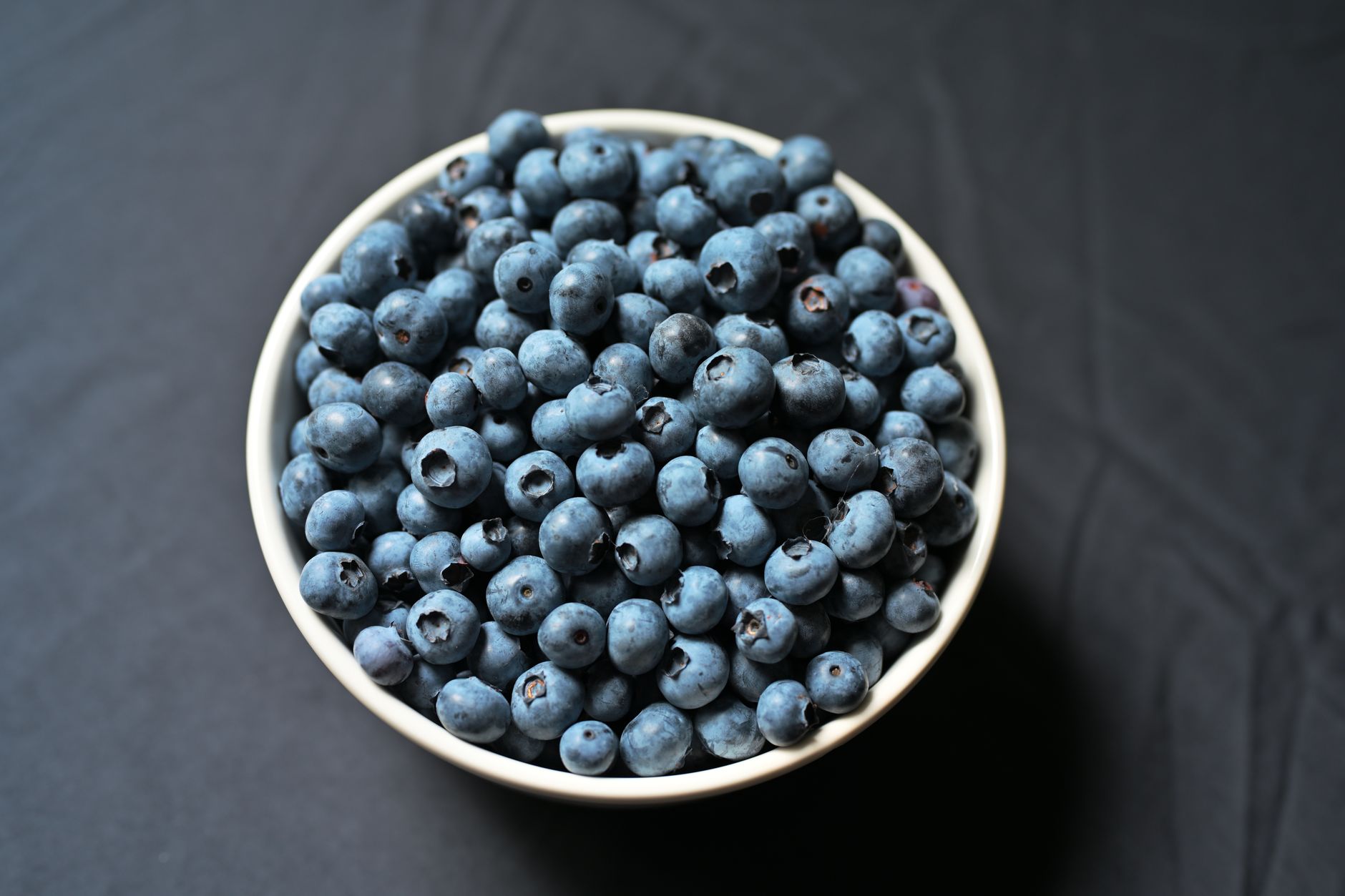
Okay, lets cut to the chase: youve probably munched on blueberries a hundred times, loving their sweet-tart taste and that gorgeous blue hue. But have you ever stopped to wonder, Why exactly are blueberries blue? I mean, its not like many foods in nature wear that shade with such confidence, right? So, whats the deal with blueberry pigment, and why does it matter beyond just looking pretty on your cereal or smoothie bowl?
Well, heres the quick answer: its all thanks to something called anthocyaninsnatural pigments that do way more than just give blueberries their stunning color. Theyre like tiny biochemical superheroes that also pack a punch in the antioxidant department. But yeah, theres a bit of blueberry science behind it, and its actually pretty fascinating once you dive in. So, hang tight, and lets unravel this together.
Blueberry Pigment Explained
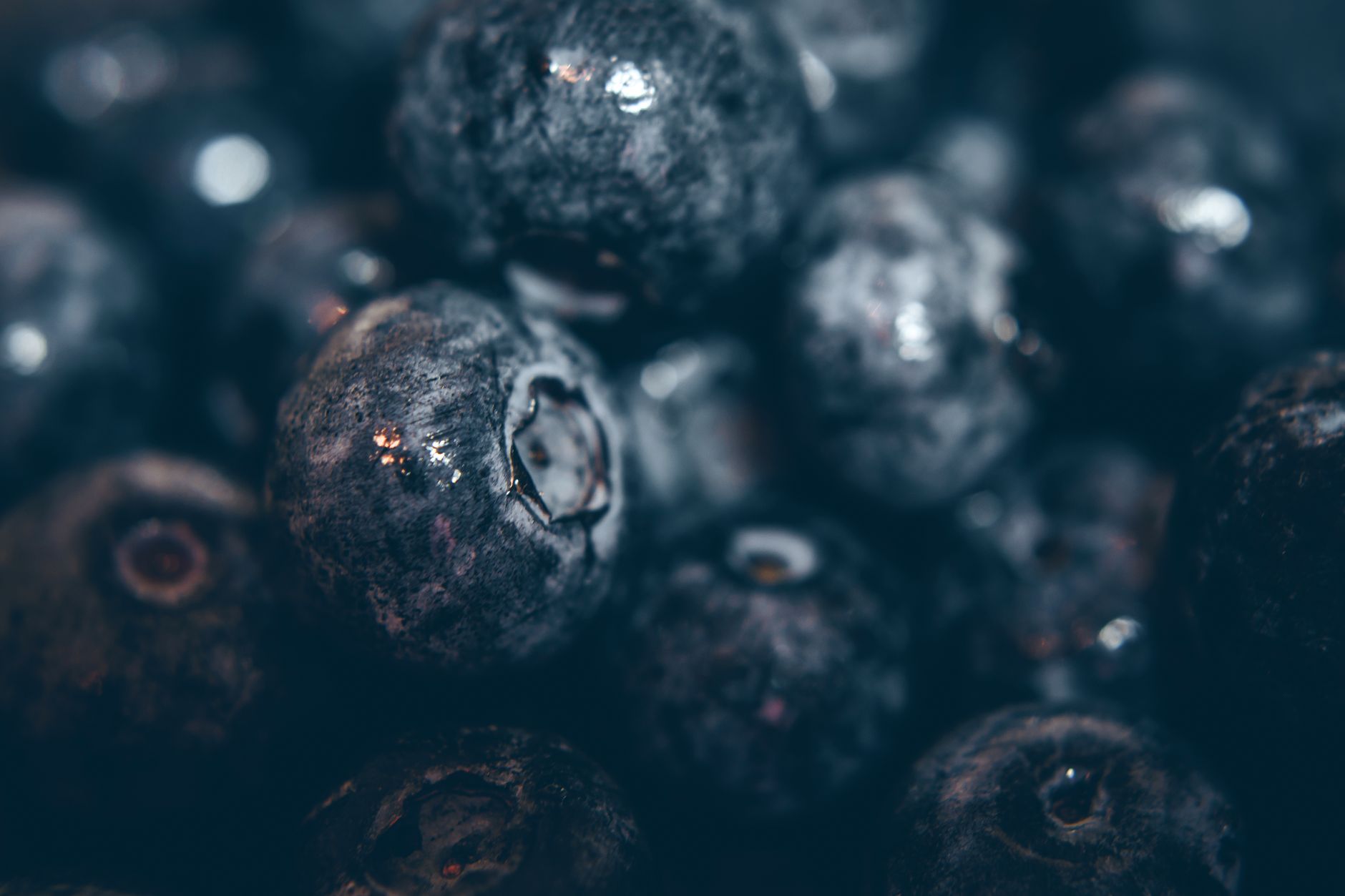
First off, lets chat about blueberry pigmentscientifically, the star behind the entire show. Anthocyanins are the reason blueberries sport that unmistakable blue color. If youre picturing some kind of magical blue juice inside the berry, thats not far off, but the storys a bit more scientific and cool.
Anthocyanins belong to a family of compounds known as flavonoids. Theyre pigments found in a bunch of fruits and veggies, but blueberries just happen to have them in particularly high quantities. These pigments react to the pH inside the fruits cells, influencing whether the berry looks more blue, purple, or even reddish. Just think of them as natures very own chameleons. This shift in color is why, sometimes, when you squish a blueberry or cook it, the color can look different.
Speaking of cooking and color... did you know that heating blueberries can actually change their pigment structure, turning them from a dazzling blue to a deeper purple or reddish tone? Cool, right? Its a little blueberry chemistry experiment happening right in your kitchen!
What Exactly are Anthocyanins?
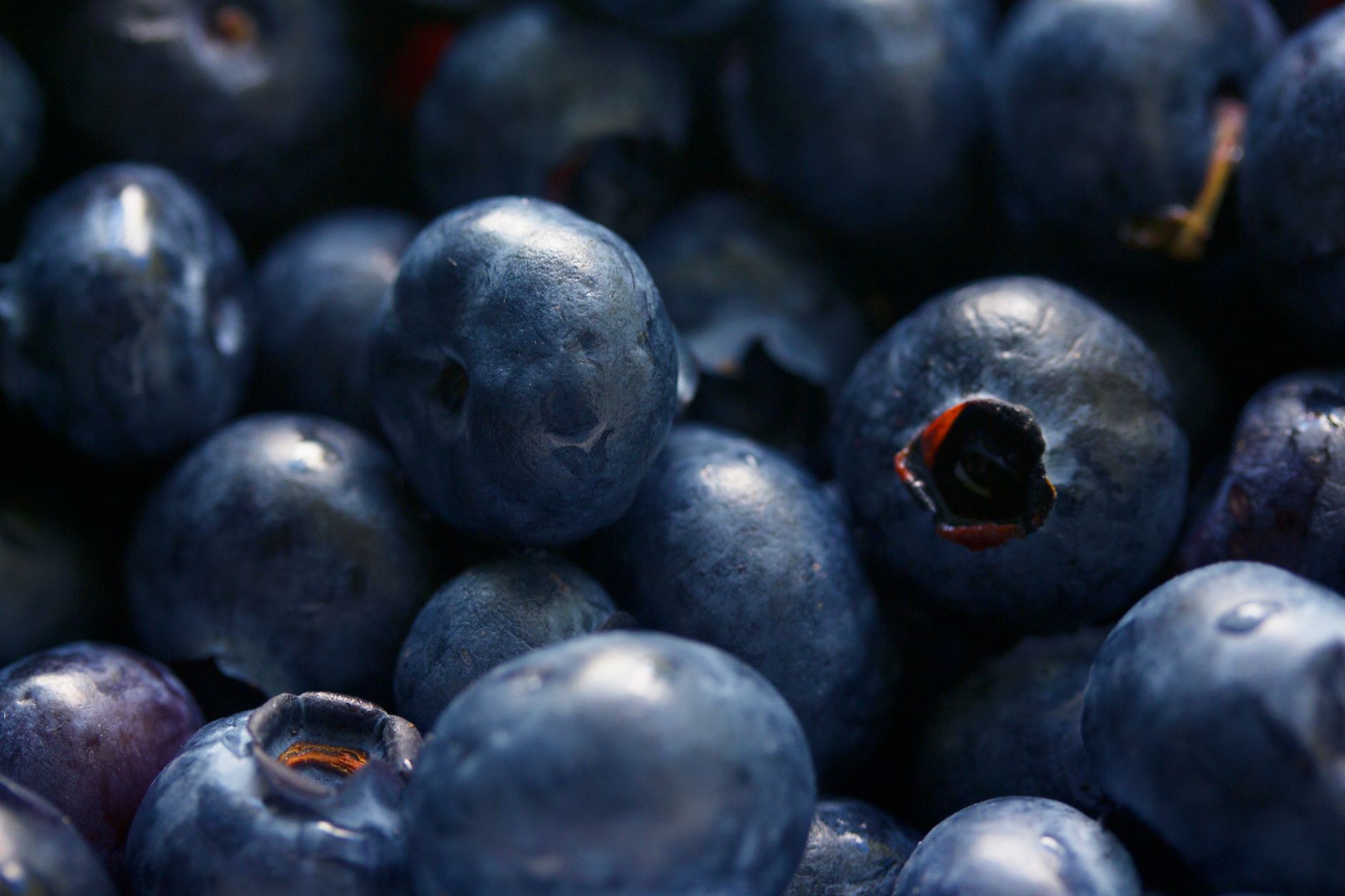
So, what are these anthocyanins? Theyre water-soluble pigments that belong to a larger group called flavonoids. Beyond coloring fruit and flowers, they serve as natural sunscreens and insect repellents for plants. Natures way of multitasking, I guess!
In blueberries, the specific anthocyanins help give the berry that iconic blue color. But heres the kickerthey also double as antioxidants. These antioxidants can neutralize harmful molecules called free radicals in our bodies, which might otherwise wreak havoc on our cells.
Why Are Blueberries Blue and Not Another Color?
This is where things get interestingand a little tricky. The blue in blueberries isnt an absolute. The pigments final color depends heavily on factors like acidity inside the fruits cells and even the berrys maturity. The plants environment makes a big difference, toosoil type, sunlight, climatethey all influence the exact look and depth of blue.
Compared to berries like strawberries or raspberries, which show more red hues due to different anthocyanin types or pH levels, blueberries hold tight to that distinctive blue. Fun fact: even within a single blueberry patch, berries might show slightly different shades, just like snowflakeseach unique.
The Health Benefits of Anthocyanins
Now, heres where things get really exciting. The blueberry color isnt just a feast for your eyesit points to some serious health perks. Anthocyanins, the pigments making blueberries blue, are powerful antioxidants that have been the focus of tons of research in recent years.
Research suggests anthocyanins can help reduce inflammation, improve heart health, and even support brain function. Thats a lot from a tiny fruit, huh? Of course, blueberries arent some miracle cure, but stacking your diet with antioxidant-packed foods like berries is always a win.
Theres also evidence these pigments might help combat oxidative stress, which is linked to aging and various chronic diseases. So next time youre snacking on blueberries, think of these pigments as little guards defending your body at the cellular level.
Any Risks in Blueberry Pigments?
As much as I love waxing poetic about blueberries and their colors, its smart to mention the flipside. While blueberries are generally safe and beneficial, some folks might experience allergies, although its rare.
Additionally, supplements made from blueberry extracts that concentrate these pigments might interact with medications or may not be suitable for everyone. So, moderation and being aware of your bodys response is key. Theres real value in eating whole foods rather than piling on extracts or pills.
Blueberry Color in Natural Food Coloring
You might not realize it, but blueberry pigment plays a vital role outside the berry basketespecially in the food industry. As people get picky about synthetic dyes, more natural alternatives like blueberry pigment are getting the spotlight.
Natural food colors are growing in popularity due to their perceived safety and consumer preference. Blueberry pigment is prized for its brilliant blue and purple hues but isnt without challenges. These pigments can be sensitive to light, heat, and pH, making them a bit tricky to work with.
Still, its pretty amazing to think about how blueberry science is helping us enjoy colorful, clean label foods without artificial colors. If youre curious about other natural pigments, you might find exploring foods high protein low calorie list fascinating toomany of these foods come with their own unique natural colors and health benefits!
Blueberry Pigment vs. Other Natural Colors
How does blueberry pigment stack up against others like beetroots red or turmerics yellow? Well, blueberry pigment often delivers richer blues and purples, which are rare in nature, but its less stable. Beet pigments are more stable but might taste stronger; turmeric colors are bold but can overwhelm food flavors.
In short: no pigment is perfect, but blueberry pigment is unique in what it offerscolor, health benefits, and a touch of natural magic.

How to Keep Blueberry Color When Cooking
Now, if you love experimenting in the kitchen (who doesnt?), you might notice that cooking blueberries darkens their color. Thats because heat changes the pigments chemistry.
To keep that bright blue pop, try these tips:
- Use low heat and cook for a shorter time.
- Add a pinch of lemon juice or cream of tartar to balance pH and stabilize color.
- Pair blueberries with other natural food colors for visual appeal.
Even better, use fresh blueberries as a toppingbecause, honestly, nature designed them to shine when raw!
Final Thoughts on Blueberries Color
So, weve peeled back the layers of blueberry science and learned that the reason blueberries are naturally blue boils down to clever anthocyanin pigments dancing with pH chemistry inside the berry. These pigments arent just for showthey tell a story about the berrys health benefits, its uses as a natural food color, and the very nature of our relationship with food.
Next time you reach for a handful of blueberries, remember, youre giving your body a dose of natural antioxidants and embracing a bit of natures colorful wizardry. And hey, if youre ever curious about juicy topics like this, or want to add more superfoods to your diet, Id definitely recommend checking out some great protein foods that work well with antioxidants like those in blueberries.
What do you think? Has this changed how you see those pretty little blue berries? Id love to hear your thoughts, recipes, or any fun blueberry stories you have. Dont be shydrop a comment or share with your friends who love food science as much as you do!
FAQs
What causes the blue color in blueberries?
The blue color in blueberries is caused by natural pigments called anthocyanins, which change color depending on the fruit’s pH level.
Why do blueberries sometimes turn purple or red when cooked?
Heat alters the chemical structure of anthocyanins, causing blueberries to shift from blue to purple or reddish hues when cooked.
Are blueberry pigments beneficial for health?
Yes, anthocyanins in blueberries act as antioxidants, helping to reduce inflammation and protect the body from harmful free radicals.
Can blueberry color be used as a natural food dye?
Yes, blueberry pigments are used as natural food colorings, offering beautiful blue and purple shades but can be sensitive to heat and pH changes.
Is it safe to consume concentrated blueberry pigment supplements?
While generally safe, concentrated blueberry pigment supplements may interact with some medications and aren't suitable for everyone, so moderation is advised.