Wondering how to enjoy fresh vegetables without a backyard? Indoor vegetable gardening offers a simple, space-saving way to grow healthy greens and herbs right inside your home. Whether you live in an apartment or want to add greenery to your kitchen, growing your own produce indoors can bring joy and freshness all year round.
Why Choose Gardening?
Benefits of Growing Vegetables Indoors
- Year-round freshness: Access to crisp, homegrown veggies even in winter.
- Control over conditions: You decide the light, water, and soil quality, reducing pest problems common outdoors.
- Health and savings: Grow Halal-certified, pesticide-free produce while cutting grocery costs.
Common Challenges & How to Overcome Them
Indoor gardening isn‘t entirely hands-off. Light is often limited, so choosing plants tolerant to low light or supplementing with grow lights helps. Space can be tight; selecting compact containers and vertical setups solves this. Maintaining proper humidity and watering habits prevents mold and stress. Regularly check plants to catch any indoor pests early.
Expert Tips on Expectations
Indoor vegetables need patience. Some take weeks to mature, and even easy plants need regular care. Plan short growth cycles and realistic harvest goalsmicrogreens, for example, thrive quickly, while carrots need a bit more time.
Top 11 Easy Vegetables
1. Cherry Tomatoes
Cherry tomatoes brighten any indoor garden with tasty, bite-sized fruit. Their compact vines suit containers well. Choose dwarf varieties for best results. They need bright light (68 hours daily) and consistent watering. Expect harvests 6070 days after planting.
2. Leaf Lettuce
Leaf lettuce grows fast and tolerates moderate light. Loose-leaf types thrive in shallow pots, making them perfect for windowsills. Keep soil moist but not soggy. Harvest leaves selectively to encourage new growth.
3. Microgreens
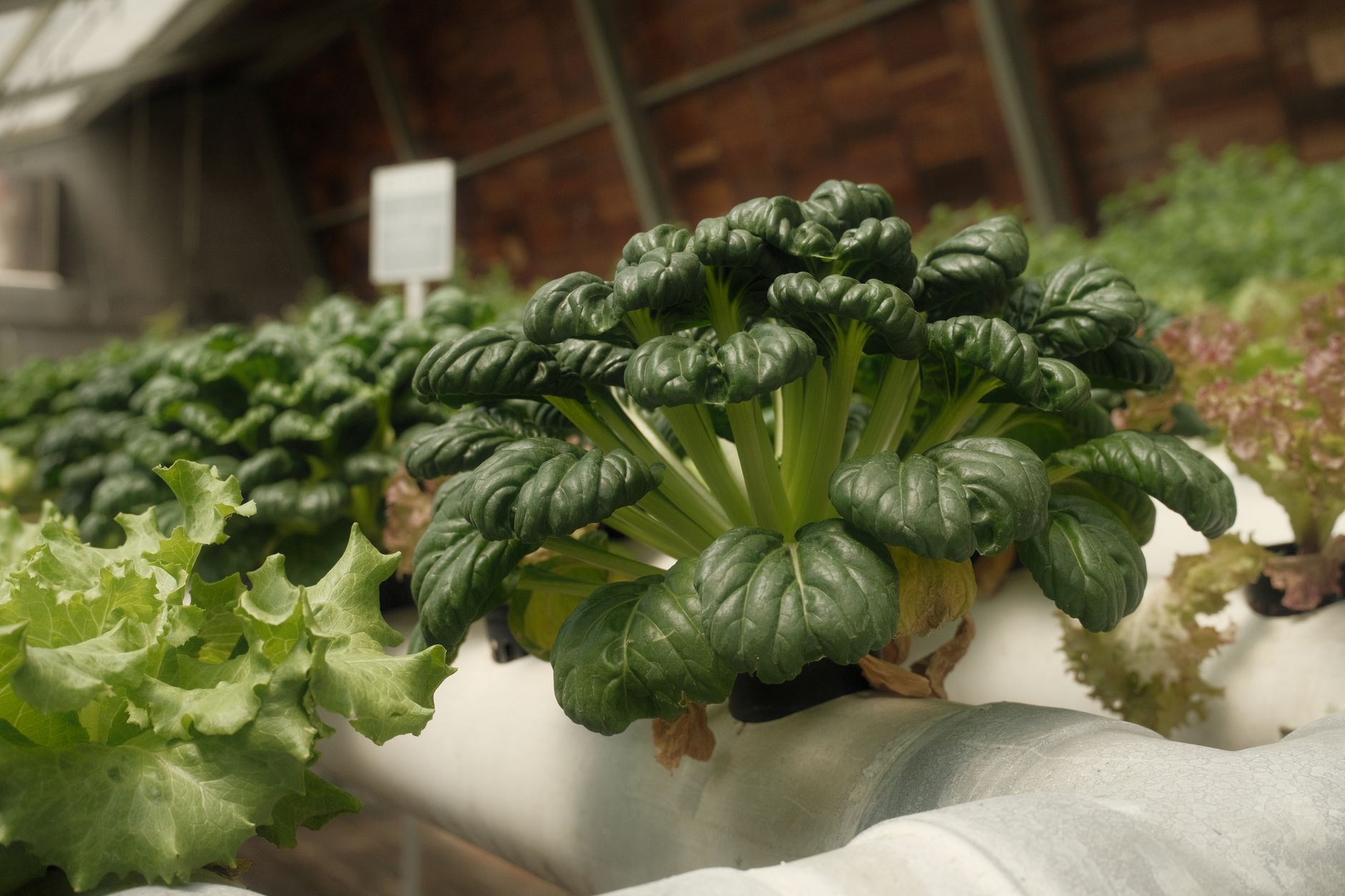
Microgreens like radish, mustard, or kale shoots can be ready in 714 days. They pack nutritional punches and fit on any small tray. Use organic seeds and shallow trays with good drainage.
4. Chives
Chives are hardy and forgiving herbaceous plants. They prefer bright indirect light and only mild watering. Snip leaves as needed over many weeks, making them a sustainable kitchen companion.
5. Spinach
Spinach adapts well to indoor shade, though it grows best with 46 hours of light daily. Use rich soil with good drainage. Water when the top inch feels dry to avoid root rot.
6. Kale
Kale brings rich vitamins inside year-round. Choose baby kale varieties for faster harvests. Fertilize lightly every 3 weeks with balanced organic fertilizer. Ensure at least 6 hours of bright light.
7. Carrots
Carrots grow best in deep containers (12 inches or more). Select short or thumb carrot types ideal for pots. Loose, sandy soil improves root growth. Keep soil evenly moist for tender roots.
8. Fresh Herbs (Basil, Parsley, Mint)
Herbs are versatile and fragrant indoor plants. Basil thrives with bright light; parsley and mint tolerate partial shade. Group herbs by similar light and water needs for easy care.

9. Radishes
Radishes are quick growers, taking just 2530 days to harvest. They require moderate light and consistent moisture. Choose round or small varieties best suited for pots.
10. Chiles (Peppers)
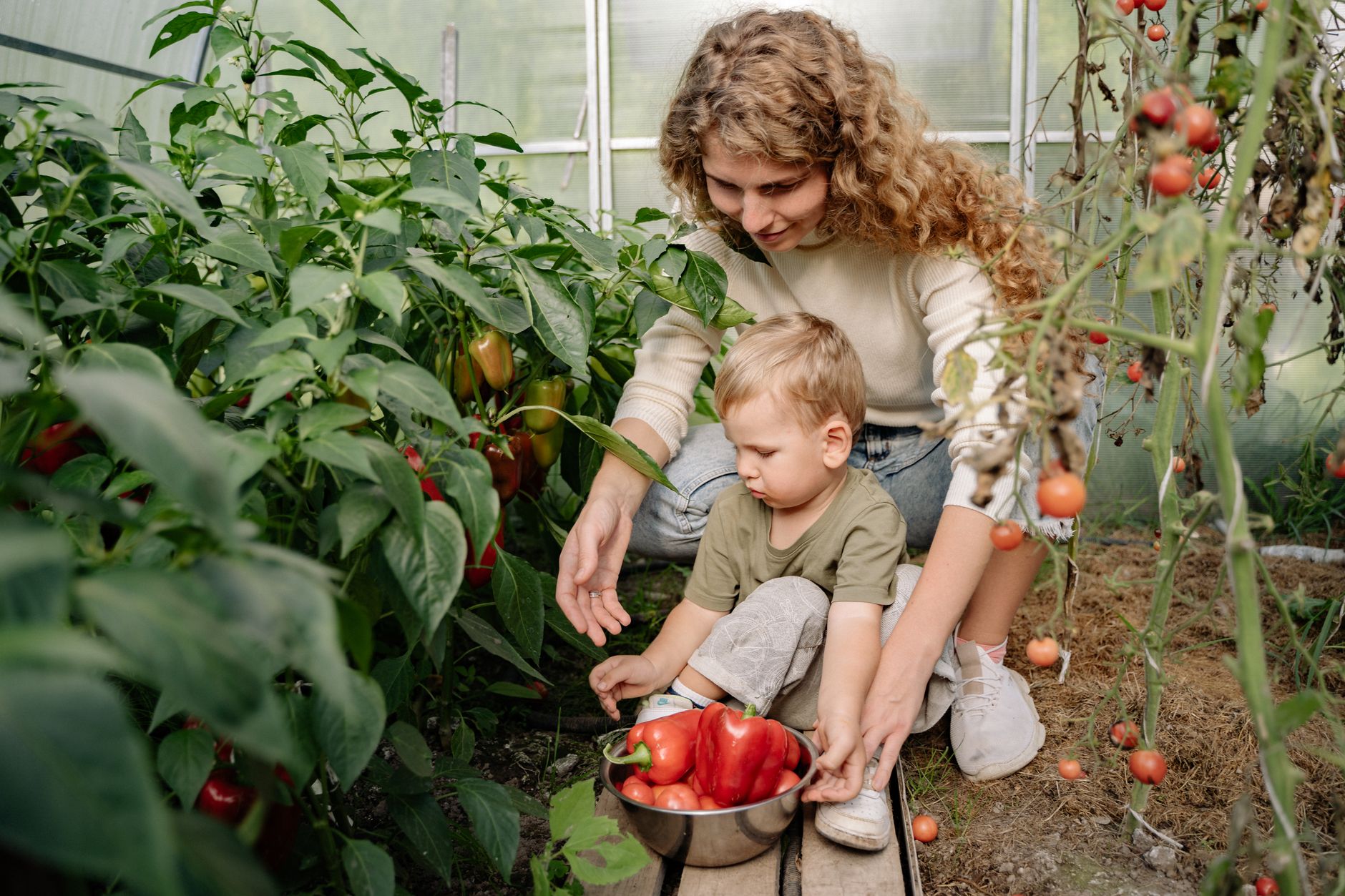
Peppers bring color and spice to indoor gardens. They need warm temperatures and 8 hours of sunlight or supplement with grow lights. Choose compact chili pepper varieties for confined spaces.
11. Pea Shoots
Pea shoots sprout fast with a mild, sweet flavor. A simple soil tray and indirect sunlight suffice. Harvest in about 2 weeks by snipping shoots near the soil.
Indoor Garden Ideas
Containers and Soil
Choose containers with drainage holes to avoid waterlogging. Terracotta pots or recycled plastic containers work well. Use potting soil formulated for vegetables, rich in organic matter and loose enough for root aeration.
Lighting: Sunlight Vs. Grow Lights
Natural sunlight is ideal but limited in many homes. LED grow lights with a full spectrum efficiently substitute sunlight and prevent stretching. A timer set for 1216 hours daily helps mimic natural patterns.
Watering and Humidity
Water when the top inch of soil is dry. Overwatering invites mold, while underwatering stresses plants. Indoor humidity of 4060% is optimal. Use pebble trays or humidifiers if air is too dry.
Composting and Fertilizers
Compost indoors via small vermicompost bins or kitchen scraps. Feed plants every 24 weeks with a mild, Halal-certified liquid fertilizer to keep growth vigorous. Avoid synthetic chemicals.
Balance Benefits and Risks
Health Versus Mold or Pests
Indoor gardens offer fresh, clean produce if managed well. Excess moisture can foster moldkeep good airflow around plants. Watch for indoor pests like spider mites or aphids early, using gentle organic controls. Clean pots and tools regularly to maintain hygiene.
Sustainability and Impact
Indoor gardening can reduce food miles and waste. Using energy-efficient lights and organic growing media supports eco-friendly practices. Collect rainwater or reuse household water for irrigation when safe.
| Certification | Price Range | Common Formats | Shelf Life | Key Allergens |
|---|---|---|---|---|
| JAKIM, HMC, IFANCA Halal Certified | Low to moderate (seeds and soil) | Seed packets, seedling trays, potting mix bags | Seeds: 1-3 years; soil: 6-12 months if kept dry | None (usually allergen-free) |
Is indoor vegetable gardening safe for Halal lifestyles?
Yes, as long as you use Halal-certified seeds and avoid non-permitted fertilizers or additives. Certification bodies like JAKIM or HMC verify that seeds and nutrients comply with Halal standards, ensuring your harvest stays pure and permissible.
How much light do indoor vegetables need daily?
Most vegetables require 68 hours of light daily to thrive. Leafy greens tolerate slightly less, while fruiting plants like tomatoes and peppers need full bright light or grow lights set for 1216 hours.
What soil is best for indoor vegetable gardening?
Use loose, well-draining potting soil rich in organic matter. Avoid garden soil that may contain pests or diseases. Look for mixes labeled safe for vegetables and free of synthetic fillers.
Can indoor gardening reduce grocery bills?
Yes, growing your own vegetables reduces dependence on store-bought produce, especially fresh herbs and salad greens. Over time, this small garden can save money, especially on Halal-certified fresh items.
How often should indoor plants be watered?
Water when the top 1-2 cm of soil is dry to the touch. This often means watering 2-3 times a week but depends on humidity, temperature, and container size.
What are popular grow lights for indoor gardening?
LED full-spectrum grow lights are efficient and emit very little heat. They promote photosynthesis and healthy growth. Choose lights with adjustable timers and brightness settings for best results.
Can indoor vegetables help meet my protein needs?
While vegetables like spinach and kale support good nutrition, consider combining them with plant based foods high in protein for a balanced diet. Leafy greens contribute valuable vitamins but usually contain modest protein amounts.
Whats the easiest vegetable for beginners indoors?
Microgreens and leaf lettuce are excellent choices for beginners. They grow quickly, require minimal space, and tolerate varied light conditions, offering rewarding results in weeks.
More You Might Like
Curious about building a balanced diet with plant-based proteins? Check out our detailed list of foods high in protein to complement your fresh indoor greens. For recipe ideas featuring your homegrown produce, explore our variety of Halal-certified, healthy recipes optimized for flavor and nutrition.
Conclusion
Indoor vegetable gardening is a practical and enjoyable way to put fresh, homegrown produce on your plate, no matter the space you have. From vibrant cherry tomatoes to nutrient-packed kale, there are many easy varieties for every level of gardener. Try starting your indoor garden today and enjoy the rewarding taste of vegetables youve nurtured yourself.
FAQs
Is indoor vegetable gardening actually Halal — what should I check on the label?
Yes, indoor vegetable gardening can be Halal if you use Halal-certified seeds and fertilizers. Check for certifications from bodies like JAKIM or HMC to ensure all products comply with Halal standards, keeping your harvest permissible and pure.
How much light do indoor vegetables need daily?
Most indoor vegetables require between 6 to 8 hours of bright light daily. Leafy greens can tolerate slightly less, while fruiting plants like tomatoes and peppers need up to 12-16 hours, often needing supplemental grow lights.
What type of soil is best for indoor vegetable gardening?
Use loose, well-draining potting soil rich in organic matter. Avoid garden soil that may harbor pests or diseases. Opt for soil mixes labeled safe for vegetables and free of synthetic fillers to promote healthy root growth.
How often should I water indoor vegetable plants?
Water your indoor vegetables when the top 1-2 cm of soil feels dry. This usually means watering 2-3 times per week, but frequency varies based on humidity, temperature, and container size to avoid under or overwatering.
Where is the best place to buy Halal-certified indoor gardening supplies?
Halal-certified indoor gardening supplies can be found at specialty gardening stores, online marketplaces, and Halal lifestyle shops. Look for reputable vendors offering certified seeds, soil, and fertilizers from recognized Halal authorities.