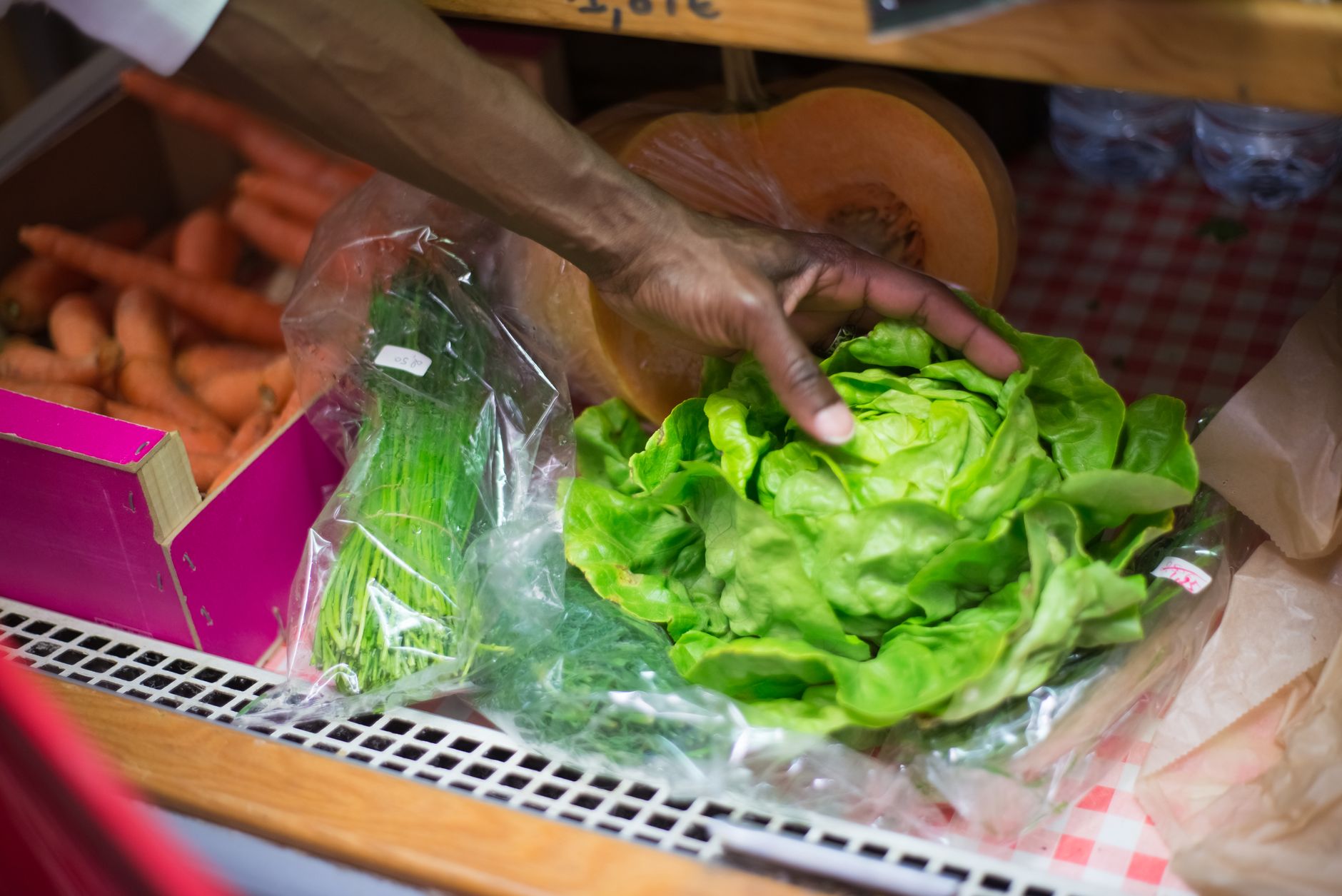
Not all vegetables freeze well. Have you ever opened a bag of frozen mushrooms or bell peppers, only to find them limp, watery, or flavorless? The truth is, some vegetables never buy frozen because freezing drastically changes their texture and taste. Knowing which ones to avoid frozen can save you from soggy meals and disappointing dishes. Lets take a closer look at the vegetables that chefs swear are best fresh, plus tips on picking and storing them right.
Why Vegetables Freeze Poorly
What Affects Frozen Vegetable Quality?
Freezing vegetables isn‘t as simple as tossing them in the freezer. The key issue is the vegetables cell structurethe tiny walls inside each piece that hold moisture. Vegetables high in water content and with delicate cells tend to get mushy when frozen.
Cell Structure and Water Content
When water inside vegetables freezes, it expands and can rupture the cell walls. On thawing, those cells cant hold together, leaving a limp texture and watery mess. For vegetables like zucchini or eggplant, this loss of firmness is especially noticeable.
Freezing‘s Impact on Texture and Flavor
Besides texture, freezing can dull or change flavor. Enzymatic activity slows but doesnt stop entirely during frozen storage, occasionally resulting in off-flavors. Even flash freezing at peak freshness cant fully replicate the vibrant taste of fresh-picked veggies.
Fresh vs Frozen Vegetables
Nutritional DifferencesMyth vs Fact
Frozen veggies are often picked and frozen quickly, preserving nutrients well, sometimes better than slow-shipped fresh produce. However, for those vegetables prone to texture loss, the eating experience may suffer even if nutrition remains decent.
Chef Insights on Taste and Cooking
Most chefs agree: for certain vegetables, freshness equals better taste and performance in recipes. Cooking frozen mushrooms or eggplants often yields a watery dish, while fresh versions hold their shape and flavor beautifully.
When to Avoid Frozen Vegetables
Recipes That Suffer With Frozen Veggies
Any dish relying on crisp texture or delicate mouthfeellike salads, stir-fries, or roasted vegetable platesneeds fresh versions of these veggies. Frozen versions often lead to disappointing mushiness or excess water release.
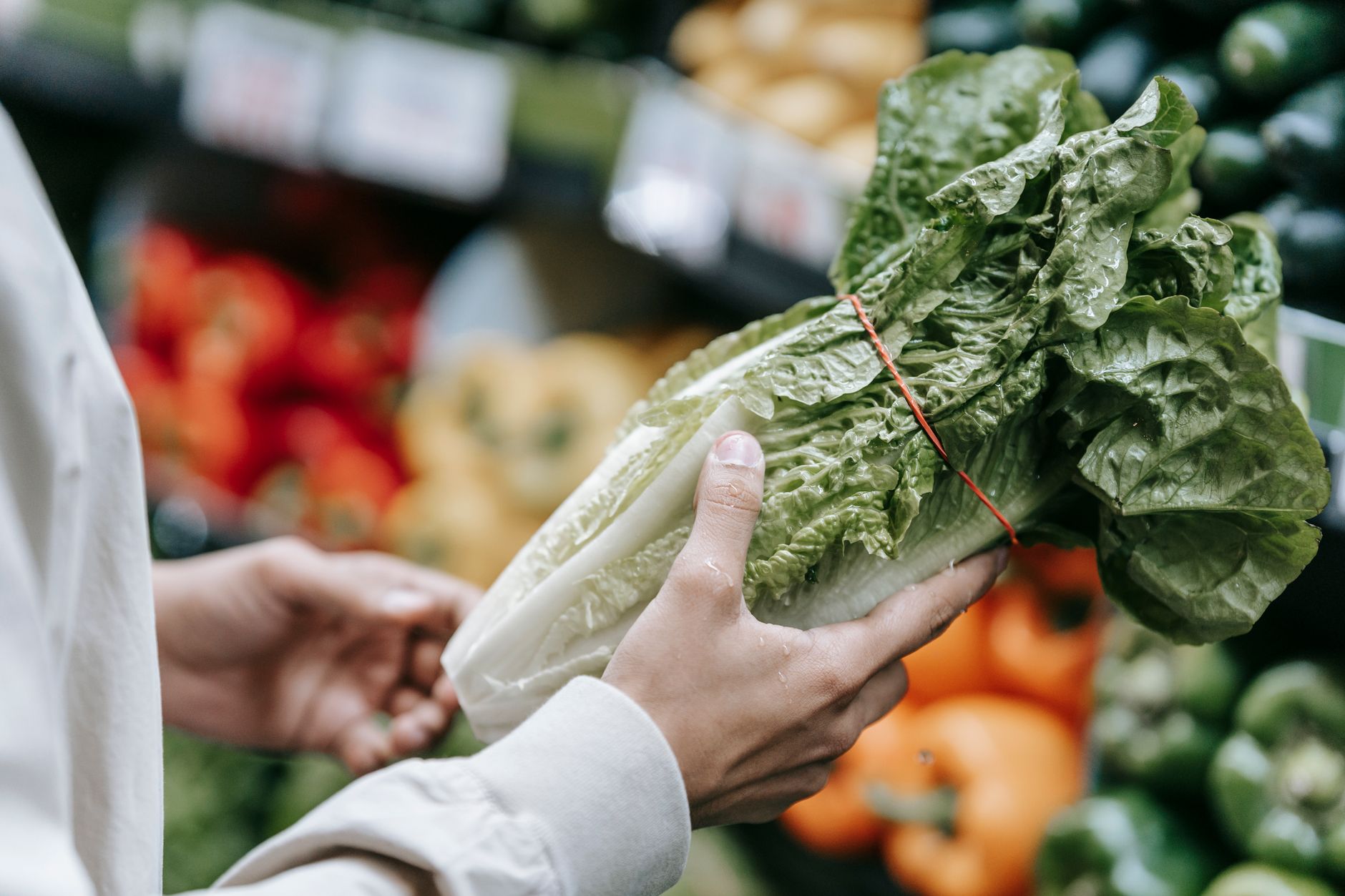
8 Vegetables Never Buy Frozen
1. Mushrooms
Mushrooms are 90% water. When frozen, their cell walls break down, leaving them rubbery and soggy. Chefs warn that frozen mushrooms release too much moisture and lose their firm bite, ruining pasta, sauces, and stir-fry dishes. Fresh mushrooms saut to a rich, meaty texture the frozen kind cant match.
2. Eggplant
Eggplants have a spongy flesh that soaks up moisture. Freezing causes it to become watery and mushy. Many chefs avoid frozen eggplant because it disintegrates when cooked, especially in recipes like baba ganoush or grilled dishes. Fresh eggplant holds better texture and flavor, making a big difference.
3. Leafy Greens (Spinach, Kale, Lettuce)
Leafy greens are delicate and freeze poorly unless flash-frozen immediately after harvest, primarily for cooked dishes. Lettuce in particular never fares well frozen it wilts, turns slimy, and loses crunch. Spinach and kale can work frozen but only if you plan to cook them thoroughly. For salads, fresh is a must.
4. Bell Peppers
Frozen bell peppers tend to lose their crisp flesh and become limp and soggy. The crunch and bright flavor that fresh peppers bring to salads or fajitas just dont survive freezing. Chefs advise buying these fresh, especially for raw or lightly cooked uses.
5. Asparagus
Asparagus has a delicate snap and subtle flavor that freeze-thawing dulls. Frozen asparagus often turns mushy when cooked. Fresh stalks roast or steam perfectly with a tender yet firm bite that frozen ones cannot replicate.
6. Onions
Onions dont freeze well whole or sliced. They become mushy and lose that sharp aroma and texture you expect in recipes. Frozen onions are better used in cooked dishes only, never raw applications. Fresh onions provide a cleaner, more vibrant flavor.
7. Cauliflower
Frozen cauliflower often softens excessively and may discolor. While it works in purees or soups, chefs rarely recommend it for roasting or fresh salads. Fresh cauliflower has a crisp bite and nutty flavor that stands out in those dishes.
8. Zucchini
Zucchinis high water content causes freezing to break down its cells and create a mushy texture. Frozen zucchini releases too much liquid when cooked. Fresh zucchini stays tender yet firm in sauts, stir-fries, or grilled preparations.
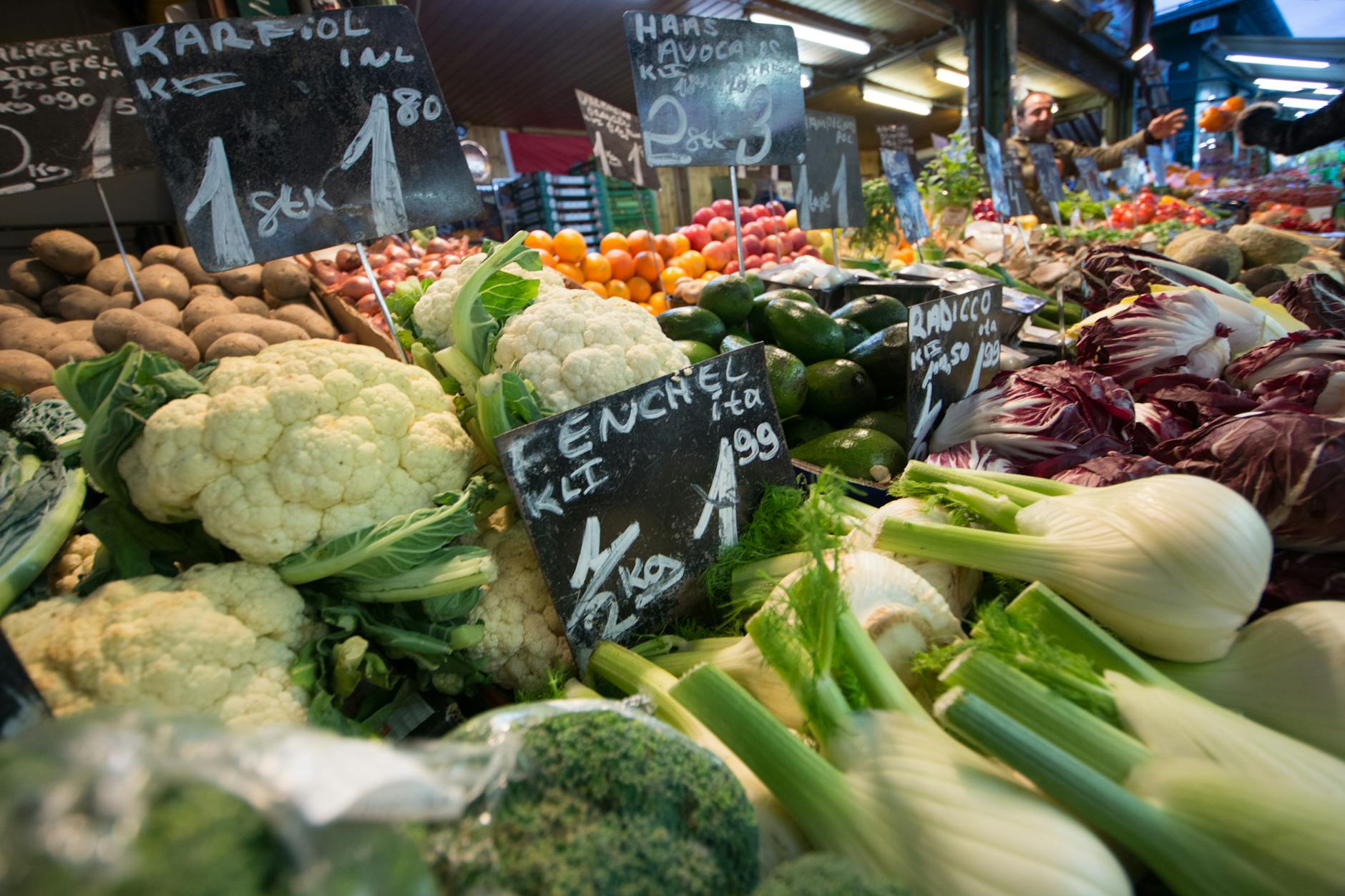
When Frozen Vegetables Make Sense
Vegetables That Freeze Well
Not all frozen veggies disappoint. Peas, corn, green beans, and carrots generally freeze excellently. Their denser cell structure retains texture and flavor better. These are perfect for quick meals or year-round pantry staples.
How to Maximize Frozen Vegetable Quality
Proper Storage and Thawing
Store frozen vegetables at a constant temperature below -18C (0F) to prevent ice crystal growth. Thaw them gently in the fridge or cook straight from frozen to minimize texture loss.
Cooking Tips
Use high heat methods like roasting or sauting to reduce water release. Avoid overcooking to keep as much texture as possible.
Balancing Convenience with Quality
Frozen veggies save time and reduce waste. Choose frozen options for dense, freezer-friendly vegetables and keep delicate types fresh for peak taste and texture. This smart approach helps you enjoy quick cooking without sacrificing quality or halal dietary needs.
Choosing the Best Fresh Vegetables
Signs of Quality Fresh Veggies
Look for vibrant color, firm leaves or skins, and no signs of wilting or spots. Smell fresh and earthy, avoiding strong odors that indicate spoilage.
Seasonal Buying Tips
Buy in season for the best flavor and nutrient content. For example, asparagus in spring or bell peppers in summer. Seasonal buying also supports sustainable farming and better prices.
Storage Hacks for Fresh Vegetables
Keep vegetables in breathable bags or containers in the crisper drawer. Mushrooms last 35 days refrigerated; bell peppers up to 1 week; leafy greens 57 days if wrapped in paper towels to absorb moisture.
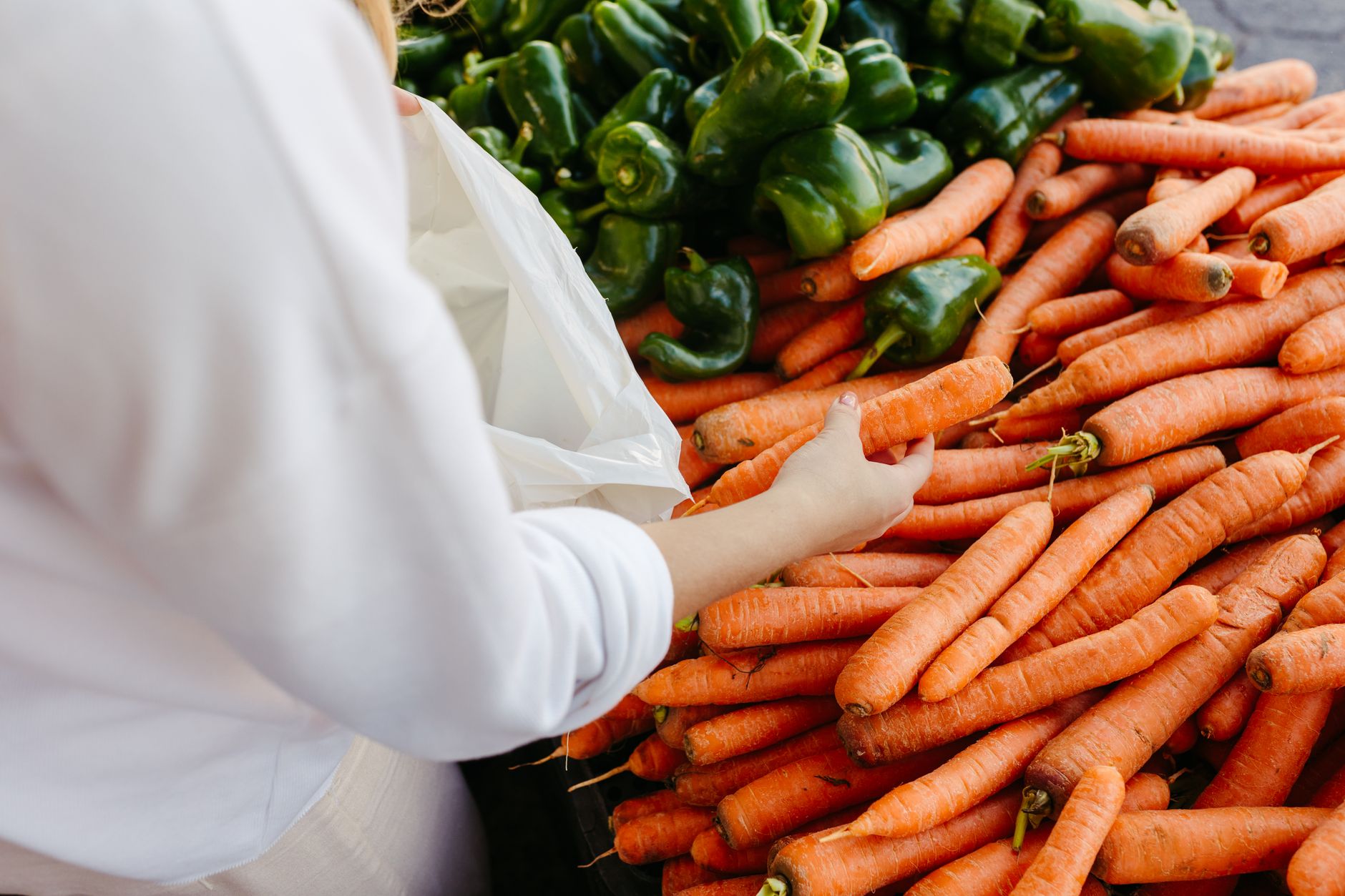
Buying Checklist for Fresh Vegetables
| Vegetable | Price Range | Common Formats | Shelf Life | Key Allergens |
|---|---|---|---|---|
| Mushrooms | $$ | Whole, Sliced | 35 days refrigerated | None |
| Eggplant | $-$$ | Whole | 57 days refrigerated | None |
| Leafy Greens | $ | Bunch, Bagged | 57 days refrigerated | None |
| Bell Peppers | $-$$ | Whole, Sliced | 1 week refrigerated | None |
| Asparagus | $$ | Bunch | 35 days refrigerated | None |
| Onions | $ | Whole, Sliced | 4 weeks in cool, dry place | None |
| Cauliflower | $-$$ | Whole, Florets | 57 days refrigerated | None |
| Zucchini | $ | Whole | 45 days refrigerated | None |
Shopping halal? Look for Halal certification logos such as JAKIM, HMC, or IFANCA on packaged products, especially for pre-cut or processed veg. For fresh vegetables, sourcing from trusted vendors and clean handling are important for halal compliance.
Looking for quick and healthy food options to pair with fresh vegetables? Check out this guide on whole foods high protein low calorie snacksperfect for balanced meals and halal-friendly diets.
Is Eating Frozen Vegetables Halal and Safe?
Frozen vegetables themselves are naturally halal as long as they are not processed with non-halal additives. Always check labels for certification logos like JAKIM or IFANCA to ensure no cross-contamination or additives present, especially in ready-to-eat frozen mixes.
What Happens to Vegetable Texture When Frozen?
Freezing causes ice crystals to rupture cellular walls inside vegetables. When thawed, these damaged cells leak moisture and lose firmness, resulting in a soggy or mushy texture.
Why Do Some Frozen Vegetables Taste Different?
Flavor changes occur due to enzymatic activity slowing but not stopping in frozen state, plus moisture loss and chemical changes in sensitive compounds. Freeze-thaw cycles worsen this effect.
Can I Use Frozen Leafy Greens Raw?
Frozen leafy greens are best cooked thoroughly as freezing damages cell structure and texture, making raw consumption unpleasant and possibly unsafe depending on handling.
How Long Do Frozen Vegetables Last Safely?
Properly stored frozen vegetables last 812 months at constant freezing temperatures below 0F (-18C). Beyond that, quality and flavor degrade even if safe to eat.
Are Fresh Vegetables Always More Nutritious?
Not necessarily. Frozen vegetables often retain nutrients well due to quick freezing after harvest. However, texture and flavor differences influence overall eating satisfaction.
What Are the Best Storage Tips for Fresh Veggies?
Store vegetables in breathable bags or containers in the refrigerators crisper drawer. Keep mushrooms in paper bags, leafy greens wrapped in damp towels, and onions in a cool, dark, dry place.
Most Overlooked Mistake When Buying Vegetables
Many shoppers grab frozen for convenience without checking how freezing impacts the vegetable type. Expecting frozen eggplant or mushrooms to perform like fresh is a recipe for disappointment, so choose carefully.
Why Cheap Frozen Vegetables Often Disappoint
Budget freezer bags sometimes include old or lower-grade produce frozen late, resulting in poor texture and flavor. Investing in fresh or quality frozen brands pays off in taste and nutrition.
Expert Tip for Fresh Vegetable Storage
Moisture control is key. Wrapping leafy greens lightly in paper towels before refrigerating absorbs excess water and extends freshness by several days.
For a refreshing dessert afterward, explore the delightful texture contrasts in Mcdonald‘s yogurt parfaits. The creamy and crunchy layers complement fresh vegetable dishes beautifully.
More You Might Like
Discover tasty, healthy snacks with our guide on whole foods high protein low calorie snacks. Theyre perfect for halal-conscious snacking and pair wonderfully with fresh veggies.
For easy, wholesome dessert ideas, learn about Mcdonald‘s yogurt parfaitsa sweet treat thats both fuss-free and satisfying.
Conclusion
Knowing which vegetables never buy frozen helps elevate your cooking and meal enjoyment. Mushrooms, eggplants, leafy greens, and others lose their texture and flavor once frozen, so fresh versions are worth the extra care. Next time you shop, check labels carefully, store your veggies properly, and balance convenience with quality to enjoy every bite. Feel free to share your thoughts or tips belowwe love hearing your kitchen stories.
FAQs
Is vegetables never buy frozen actually Halal — what should I check on the label?
Yes, vegetables themselves are naturally halal. To ensure frozen vegetables are halal, check for labels or certification logos like JAKIM, HMC, or IFANCA to confirm no non-halal additives or cross-contamination, especially in processed or ready-to-eat mixes.
How long do fresh vegetables last after opening or purchase?
Fresh vegetable shelf lives vary: mushrooms last about 3-5 days in the fridge, leafy greens up to a week if stored properly, and firmer veggies like bell peppers or zucchini can last 1-2 weeks refrigerated. Proper storage in breathable bags and cool conditions helps extend freshness.
What are the key differences between fresh and frozen vegetables?
Frozen vegetables retain nutrients well due to quick freezing but often suffer in texture and flavor due to cell damage from ice crystals. Fresh vegetables maintain crispness, vibrant flavor, and ideal texture but may lose nutrients faster over time without careful storage.
Is it safe to eat frozen leafy greens raw?
Frozen leafy greens are best cooked thoroughly. Freezing damages their cell structure and texture, making raw consumption unpleasant and potentially unsafe depending on handling or contamination risks.
Where is the best place to buy fresh vegetables that should not be frozen?
Buy fresh vegetables at trusted local markets, organic stores, or reputable grocery chains. Look for vibrant color, firm texture, and freshness. Seasonal markets often offer the best quality and price for delicate veggies that don’t freeze well.