Have you ever grabbed that bright yellow spice jar, expecting a warm, friendly flavor, only to be hit with something a bit well, unexpected? Yeah, turmeric flavor can surprise you. Its not just a pretty powder that adds color to your foodtheres a whole world packed into that earthy, slightly bitter taste. And honestly, if you dont know how to tame it, your dish might end up tasting like a total disaster (been there, done that!).
So, before you toss turmeric into your next recipe, lets chat about what you need to knowthe ins and outs of that turmeric taste profile, some neat turmeric cooking uses, and how it stacks up against spices like turmerics close cousins. Trust me, once you get the hang of it, turmeric flavor can be your kitchens best friend.
Taste and flavor
Alright, lets get down to business: what does turmeric really taste like? Imagine earthy soil with a gentle bitterness, a touch of peppery spice, and just a whisper of mustardy warmth underneath. Its complex but not overpoweringunless you let it get out of hand.
When raw, turmeric carries this sharp, almost pungent edge. The moment you heat it up, though, that edge softens, releasing its warm, mellow undertones. You start tasting subtle citrusy hints too, like little bright spots in the middle of all that earthiness.
Sometimes people shy away from turmeric because it can easily tip into bitter territory if you use too much or cook it the wrong way. Ive burnt dishes myself by overdoing itthe flavor can get kind of harsh, and no one wants that.
Want to see how turmeric flavor compares to spices you might already know? Heres a quick peek:
| Spice | Flavor Profile | Common Uses |
|---|---|---|
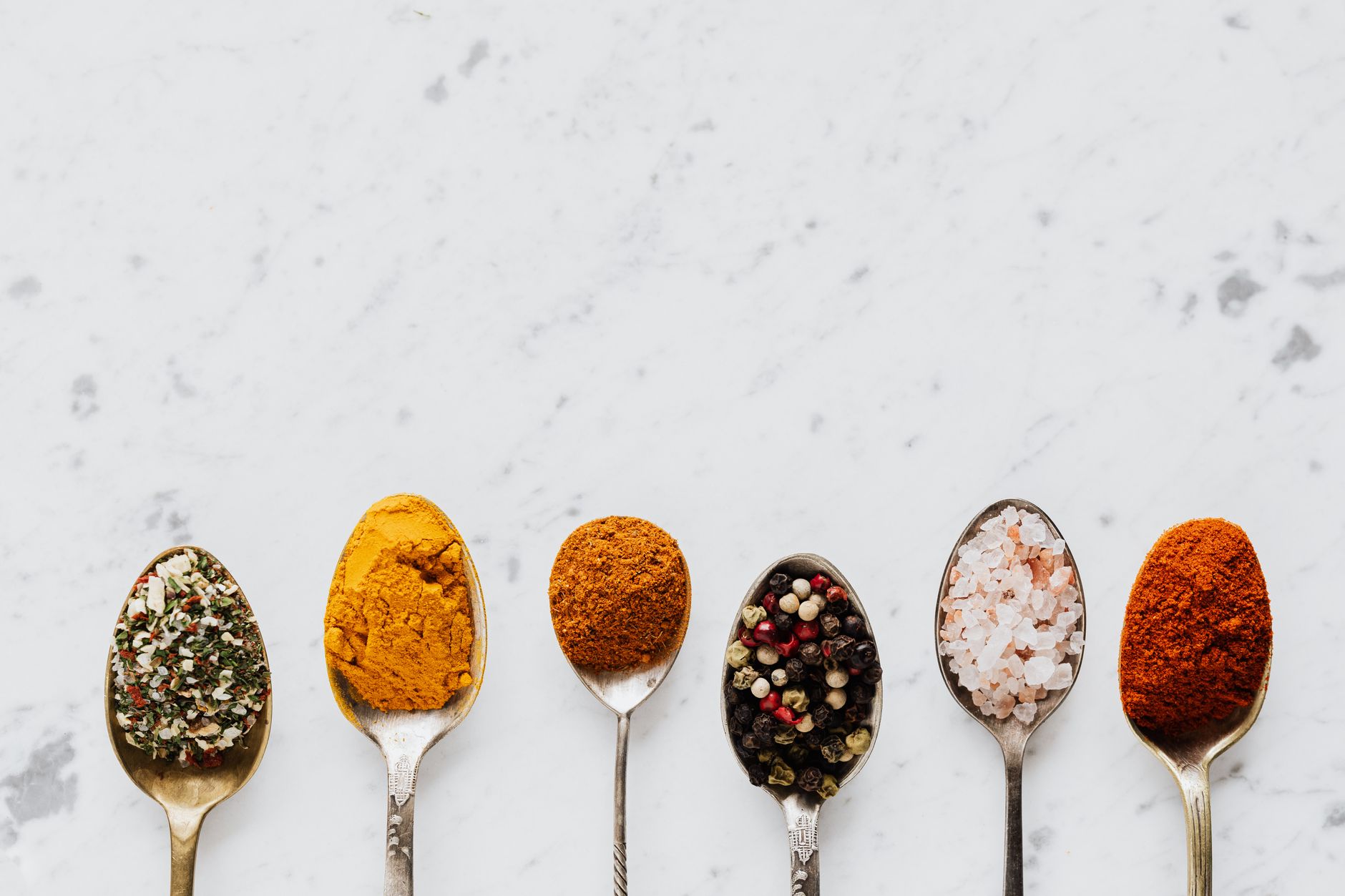
| Turmeric | Earthy, bitter, slightly peppery, warm mustard undertones | Curries, rice, roasted veggies, teas |
| Cumin | Warm, nutty, earthy with a bit of smokiness | Mexican dishes, Indian cuisine, spice blends |
| Coriander | Sweet, citrusy, slightly nutty | Curries, soups, spice mixes |
| Mustard seed | Sharp, pungent, spicy warmth | Pickling, Indian dishes, spice blends |
Oh, and heres a little kitchen nugget: turmeric's full magic unfolds when it mingles with black pepper. Its not just a flavor trick; black pepper helps your body absorb the beneficial compounds in turmeric better. So yes, those two spices are best friends you want in your spice cabinet together.
How to use turmeric
Now that youre getting cozy with what turmeric flavor is all about, lets talk about putting it to good use. Honestly, turmeric is one of those spices that can feel tricky at first, but once you know the ropes, its so rewarding.
First things first: if youre new to turmeric, start small. A little pinch can go a long way. When I first started cooking with turmeric, Id splash in too muchthinking, Oh, more is better, right? Nope. Instead of that warm golden splash, my dishes tasted bitter and chalky. Lesson learned.
If youre wondering how to use turmeric well, here are some go-to turmeric cooking uses that I swear by:
- Curries and stews: The classic for good reason. Turmeric adds depth without stealing the spotlight.
- Rice and grains: Cook your rice with a pinch of turmeric for color and subtle warmthits a simple way to impress.
- Roasted vegetables: Toss root veggies with turmeric, olive oil, and a little salt before roasting. The flavor caramelizes beautifully.
- Smoothies and teas: Curious? Turmeric lattes are trending for a reasonthe flavor is mellow and comforting when paired with milk and a touch of sweetener.
Heres one more tip: always pair turmeric with something fatty if you can, like olive oil or coconut milk. It helps unlock the flavors and benefits in a way plain water wont. Funny how science sneaks into cooking, right?
Have I convinced you yet? Oh, and if youre also watching your diet, turmeric pairs wonderfully with other healthy ingredients. By the way, if youre interested, heres a handy guide on healthy foods to lose weight that often work well alongside turmeric-rich dishes.
And because no kitchen journey is complete without a little experimentation, heres a quick spice blend idea:
- 1 teaspoon turmeric powder
- 1/2 teaspoon cumin
- 1/2 teaspoon coriander
- Pinch of black pepper
- A dash of cinnamon (optional, but awesome!)
Mix these and sprinkle over roasted veggies or stir them into soups. Youll thank me later.

Recommended
One thing I love about turmeric is its versatility, but if youre ever wondering Is there something like turmeric I can try? the answer is yes. Spices like turmeric not only share some flavor notes but can sometimes offer a little breathing room if youre not yet totally sold on turmerics bold personality.
Spices such as ginger, saffron, and mustard seed come to mind. Ginger shares an earthy warmth but leans fresher and a little more zingy; saffron offers a subtle floral, honey-like hint (think luxury!), while mustard seed can add that pungent punch, a close cousin in spice family terms.
But lets be honest, turmerics charm comes from its balance of bitterness and warmthkind of like that friend whos a little quirky but always ends up adding flavor to your life.
Wondering if you can swap turmeric directly for another spice? It depends on the recipe. Sometimes yes, sometimes no. For example, if youre after turmerics color and healing properties too, no spice can quite match it. But if its the wow factor in flavor, cumin or mustard seed could do the trick in some cases.
Heres a quick cheat sheet to keep handy:
| Spice Alternative | Flavor Substitute Notes |
|---|---|
| Ginger | Earthy and fresh, good in teas and marinades where turmeric might feel heavy |
| Saffron | More floral and sweet, not bitter, great in rice or soups for depth and color |
| Mustard Seed | Pungent and sharp, great for pickling and added spice warmth |
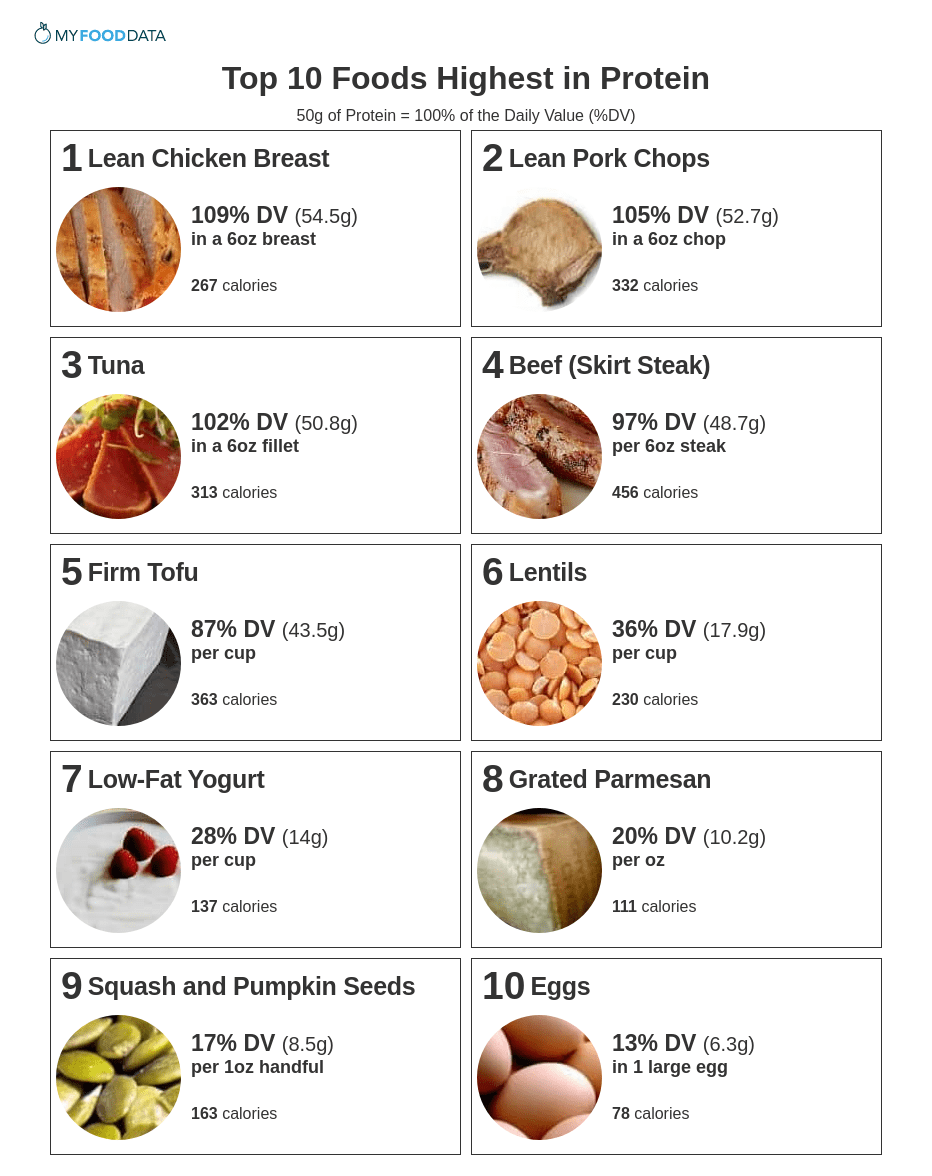
Of course, you get the best results when you know how to use turmeric itself well. Curious for more tips on balancing spices or exploring new flavors? Take a peek at this guide on foods high in protein and low in caloriesbecause flavor and nutrition go hand in hand!
Balancing turmeric flavor benefits and risks
Heres the thing about turmeric: its a double-edged sword. On the one hand, turmeric flavor tells you theres serious health magic under the hood. Were talking about curcumin, the powerhouse compound studied extensively for anti-inflammatory and antioxidant effects.
People swear by turmeric for everything from joint pain relief to boosting immunity. But hey, just because its healthy doesnt mean more is always better. Sometimes, that bitterness and heaviness from overdoing turmeric can spoil not only taste but also your enjoyment of a meal.
Plus, not everyone loves the pungent kick turmeric brings. Some folks are sensitive to its flavor or may even experience mild allergies. So, its good to listen to your body and adjust accordingly.
Thinking about finding the right balance? Here are my go-to tips:
- Start with small amounts and build up gradually.
- Pair turmeric with fats and black pepper for better flavor and absorption.
- Combine with complementary spices to soften bitterness and add complexity.
- Pay attention to how the turmeric flavor changes when cooked versus raw, and adjust cooking times.
Cooking, like life, is all about balance. Dont be afraid to experiment, but dont force it either. Turmeric is bold but should never boss your dish around.
Wrapping it up
So, what have we learned about that sneaky turmeric flavor? Its earthy, bitter, a little peppery, and, yes, totally lovable if you handle it right. Forget the idea that turmeric is just yellow stuff"; its a complex spice with personality, and once you embrace its quirks, your cooking steps up a notch.
Understanding the turmeric taste profilehow it shifts with heat, pairs with other spices, and can even be swappedis your secret weapon. The turmeric cooking uses we talked about show just how flexible it is, from savory curries to creative smoothies.
And remember, like all good things, balance is key. Too much turmeric flavor can overwhelm your dish and your taste buds; too little, and you miss out on its charm and health perks. So start slow, pair wisely, and enjoy the adventure.
Curious? Excited? If youve got stories or questions about turmeric in your kitchen, Id love to hear! Sharing tips and fails alike makes this spice journey so much richer. What do you thinkready to cook with turmeric flavor like a pro?
FAQs
What does turmeric flavor taste like?
Turmeric has an earthy, slightly bitter taste with gentle peppery spice and warm mustard undertones. When cooked, it softens and reveals subtle citrus hints.
How can I prevent turmeric from tasting bitter in my dishes?
Use turmeric sparingly, start with small amounts, pair it with fats like olive oil or coconut milk, and avoid overcooking to keep bitterness at bay.
Why should turmeric be paired with black pepper?
Black pepper enhances the absorption of curcumin, turmeric’s beneficial compound, while also complementing its flavor, making the spice more effective and tasty.
Can I substitute turmeric with other spices?
You can try ginger, saffron, or mustard seed as alternatives depending on the recipe, but turmeric’s color and health benefits are unique and hard to match.
What are some common uses for turmeric flavor in cooking?
Turmeric is popularly used in curries, rice, roasted vegetables, teas, and smoothies, adding color and warming depth when balanced properly.