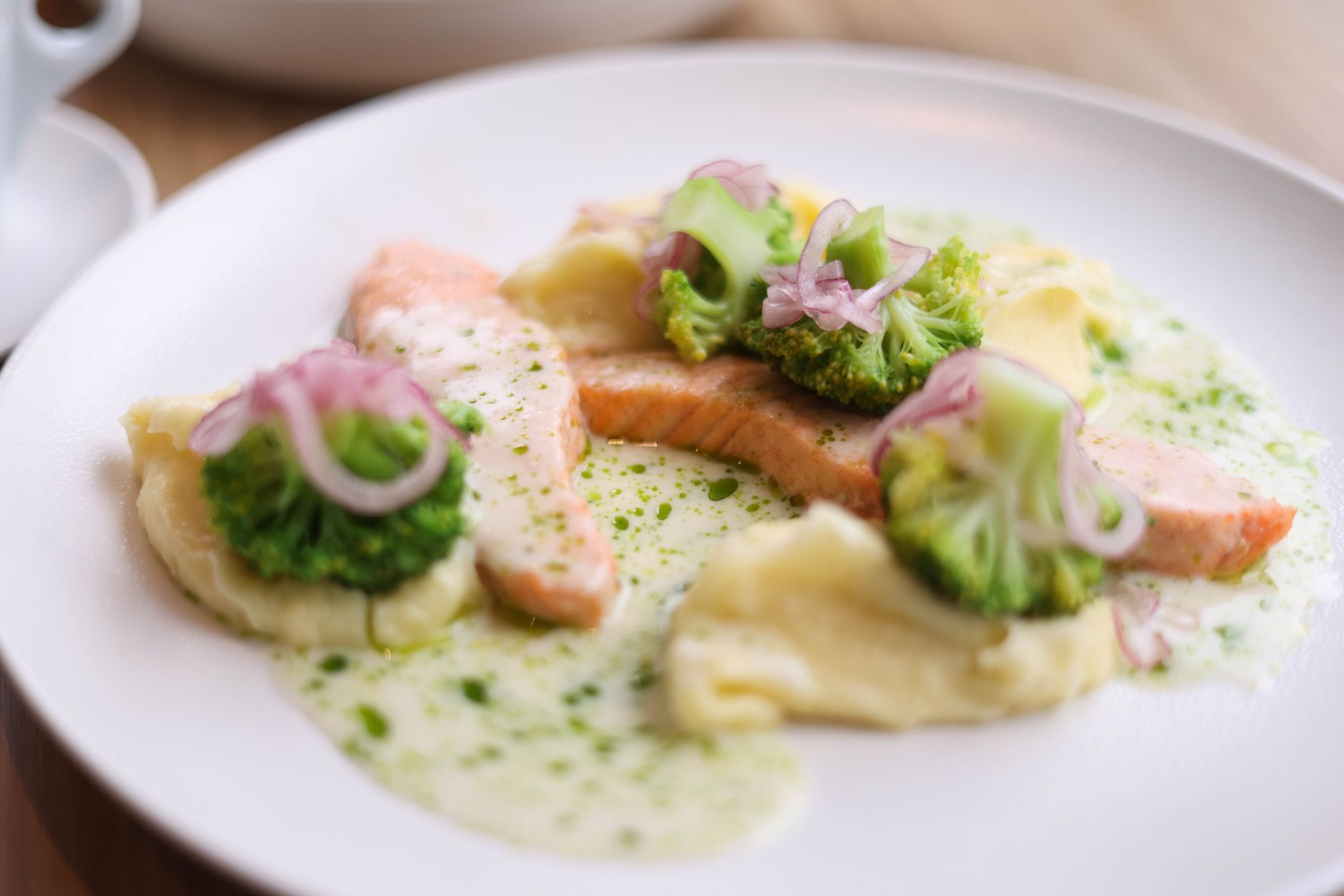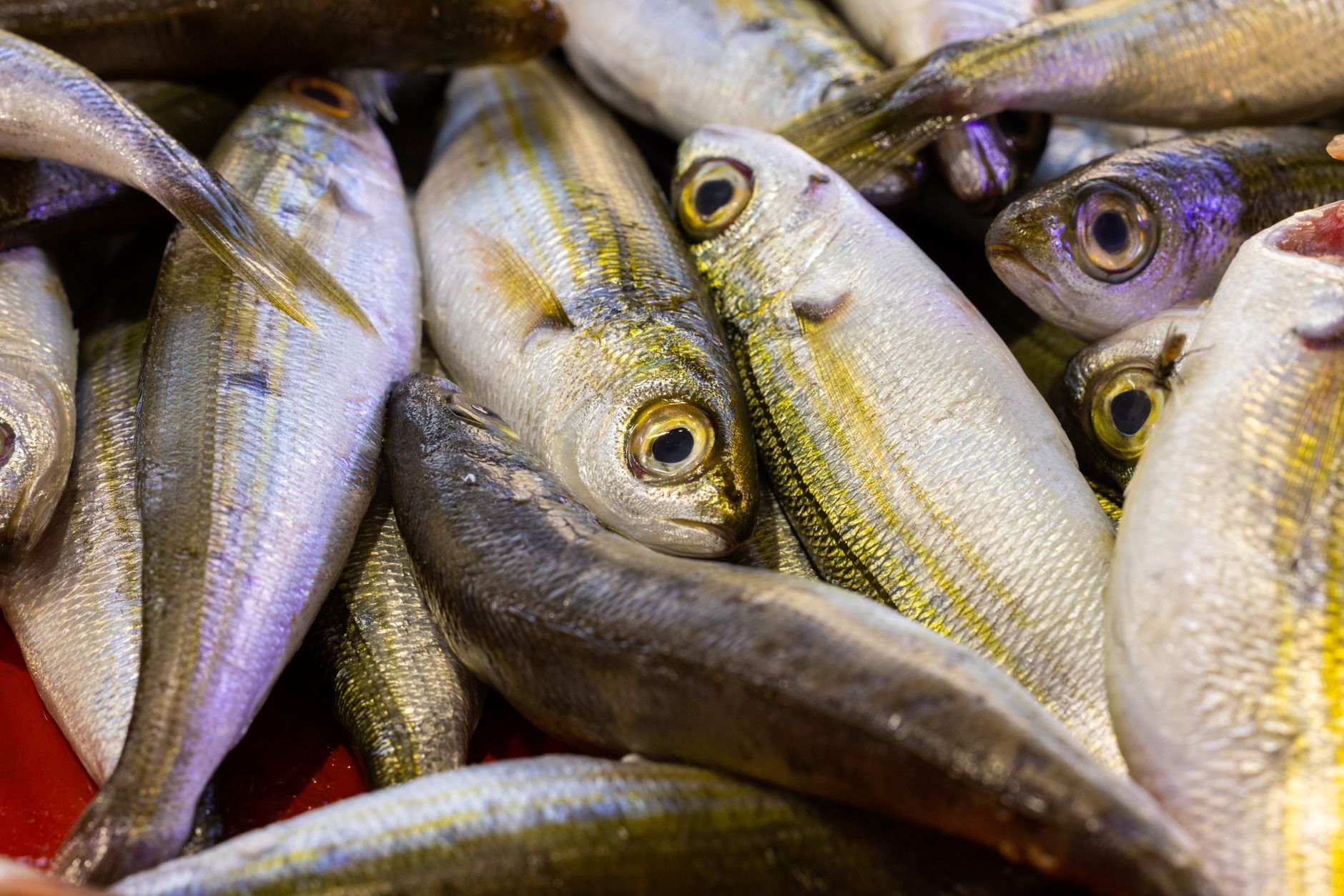
Fish quenelles are delicate, velvety dumplings that highlight the subtleties of fresh fish. The best fish quenelle depends heavily on the fish you useits texture, fat, and flavor create the foundation for this elegant dish. Using firm, white-fleshed fish generally delivers smooth, tender quenelles with just the right balance of taste and structure.
Quenelle Fish Basics
A quenelle is a light dumpling usually made by combining ground fish with a binding agent called panadea mixture of bread or flour and liquidthen shaping and poaching it. The type of fish you choose influences the final texture and flavor. Ideally, you want a fish with a firm flesh that offers a clean, mild taste and binds well to create the characteristic smooth, gently springy quenelle consistency.
What Characteristics Make Fish Ideal for Quenelle?
The best fish quenelle comes from fish that meet specific texture and flavor criteria. Firm, white-fleshed fish like pike or cod has a slightly elastic texture that holds well when mixed, giving a velvety mouthfeel. A moderate fat content helps keep quenelles moist without a greasy aftertaste. Freshness also matters; fish with a strong "fishy" odor or flavor can overpower the delicate balance of this dish.
| Characteristic | Ideal Range | Why It Matters |
|---|---|---|
| Texture | Firm, but tender | Ensures the quenelle holds shape and feels smooth |
| Fat Content | Low to moderate (1-5%) | Maintains moisture without greasiness |
| Flavor | Mild, clean-tasting | Prevents overpowering the subtle dish |
| Freshness | Very fresh, no off-odor | Critical for both flavor and food safety |
Top Fish for Quenelle
When selecting fish for quenelles, certain types stand out due to their ideal texture and flavor. French classic recipes often feature pike, but other white fishes like cod and sole are popular alternatives worldwide. Heres a breakdown of the best fish options and how they differ.
Classic French Fish
Pike (Brochet) holds the traditional crown for quenelle making. Its firm flesh produces dumplings with a slightly elastic bounce and delicate flavor. Pikes moderate fat content and fine muscle fibers help create a smooth, cohesive paste that poaches beautifully.
Sole
Other Suitable Fish
Cod is a well-loved alternative due to its wide availability and firm, flaky flesh. It yields quenelles that have a mild oceanic flavor while maintaining the desired firmness to hold the delicate shapes during poaching.
Haddock and Pollock are close relatives to cod and can substitute well, offering similar texture and flavor profiles at varying price points.
Catfish and Hake are less traditional choices but work well when you want a slightly sweeter or richer flavor. Their moderate fat levels provide moist, tender quenelles but require slight adjustments to the binding agents to keep texture consistent.
| Fish | Texture | Flavor Profile | Availability | Cost |
|---|---|---|---|---|
| Pike | Firm & elastic | Delicate, mild | Seasonal, specialty | High |
| Cod | Firm, flaky | Mild, oceanic | Year-round, widely available | Moderate |
| Sole | Tender, moist | Sweet, subtle | Available fresh/frozen | High |
| Haddock | Firm | Clean, slightly smoky | Common | Moderate |
| Catfish | Moist, tender | Slightly sweet | Common | Low to moderate |
Making Fish Quenelles
Choosing the best fish quenelle starts with understanding how the fish influences texture and preparation. Freshness and proper handling will make or break your dish. Lets look at how to prepare fish and adjust your recipe for different fish types.
Preparing the Fish for Quenelles
Clean, debone, and skin your fish with care. Remove all cartilage and sinew as these can create an unpleasant texture. Mince the fish finely using a food processor or a sharp knife until the paste feels smooth to the touch. Combining the fish with a panade made from flour, butter, and cream or milk provides the necessary moisture and structure.
Pro tip: Process the fish in short bursts with cold ingredients to avoid warming the paste and compromising its texture. A chilled bowl and utensils can keep the mixture firm.
Adjusting Recipe Ratios by Fish Type
Lean, firm fish like pike require less binding agent since they form a cohesive paste naturally. Softer fish such as sole or catfish may need slightly more panade or eggs to help hold the quenelles shape.
Experiment by adjusting the flour or bread quantity in the panade, as well as the number of eggs, to achieve a smooth paste that is neither too dry nor too wet. A test poach of one small quenelle can save wasted effortif it falls apart, increase the binding components slightly.
For a classic French touch, serve your fish quenelles with a light crayfish or lobster sauce. These pairings enhance the quenelles delicacy with subtle seafood richness.

Fish Quenelle Benefits and Risks
Quenelles offer a delightful way to enjoy fishs nutritive benefits, but your fish choice can affect more than just taste.
Nutritional Advantages
Fish quenelles provide a rich source of high-quality protein and omega-3 fatty acids, especially when made from oily but mild fish varieties. Fish like pike and cod are relatively low in fat but high in vitamins such as B12 and minerals like selenium, supporting overall health according to USDA FoodData Central.
Sustainability and Ethics
Halal-conscious consumers should seek fish certified by trusted bodies such as JAKIM or IFANCA to ensure processing standards meet religious and ethical requirements. Also, beware of overfished species consult sustainable seafood guides to avoid contributing to depletion.
Freshness guarantees safety, particularly with seafood. Purchase from reputable suppliers who maintain cold chains and verify halal certification marks. Proper real-time refrigeration prevents unwanted bacterial growth or spoilage.
Pro Tips for Perfect Fish Quenelles
- Avoid cheap or frozen fish marked with little freshness detailtexture and flavor suffer, producing dense or crumbly quenelles.
- Use a fine mesh sieve (tamis) to press your fish paste for a velvety smooth texture, removing any rough fibers.
- Poach quenelles gently in simmering water or stock at 82-85C for 8-10 minutes; avoid rolling boil which breaks them apart.
- For home cooks, try pairing fish quenelles with light vegetable purees or rich sauces to balance their delicate flavor.
Interested in a quick protein-rich start to your day? You might enjoy meal prep breakfast sandwichessimple, delicious, and Halal-certified.
When is the best time to eat fish quenelle?
Fish quenelles are ideal for lunch or dinner since they are light but protein-packed. Serving freshly poached quenelles warm pairs beautifully with seasonal vegetables or mild sauces. Cold leftovers can be refrigerated up to 3 days in a sealed container and reheated gently.
Is the best fish quenelle Halal what should I check?
To ensure your fish quenelle is Halal, check for certification logos from recognized bodies such as JAKIM, HMC, or IFANCA on the fish packaging or in the restaurant. Confirm that the fish is seafood-permissible and processed separately from non-Halal products to avoid cross-contamination.
Can I substitute fish types in classic quenelle recipes?
Yes, many recipes are flexible. For example, cod can replace pike with minimal adjustment to binding ratios. Just keep in mind that fish texture and moisture content vary, so test the mixtures consistency before shaping.
What are common mistakes in making fish quenelles?
Overprocessing the fish paste or using fish that is too oily or soft can result in crumbly or greasy quenelles. Also, skipping the panade stage often leads to a dense texture. Lastly, poaching at high heat causes the quenelle to fall apart.
How long do fish quenelles keep in the fridge?
Fish quenelles keep well for 3 to 4 days when stored in an airtight container at 4C. For longer storage, freeze cooked quenelles for up to 2 months, thawing gently before reheating.
What sauces pair best with fish quenelles?
Classic French sauces like Nantua (crayfish cream sauce), beurre blanc, or lemon beurre noisette complement fish quenelles beautifully. Light vegetable purees (carrot, celery root) also work for a balanced, elegant dish.
Can fish quenelles be gluten-free?
Traditional panade contains wheat flour or bread, but gluten-free versions can substitute rice flour or gluten-free bread crumbs. Ensure all other ingredients, including binding agents, are certified gluten-free to maintain dietary standards.
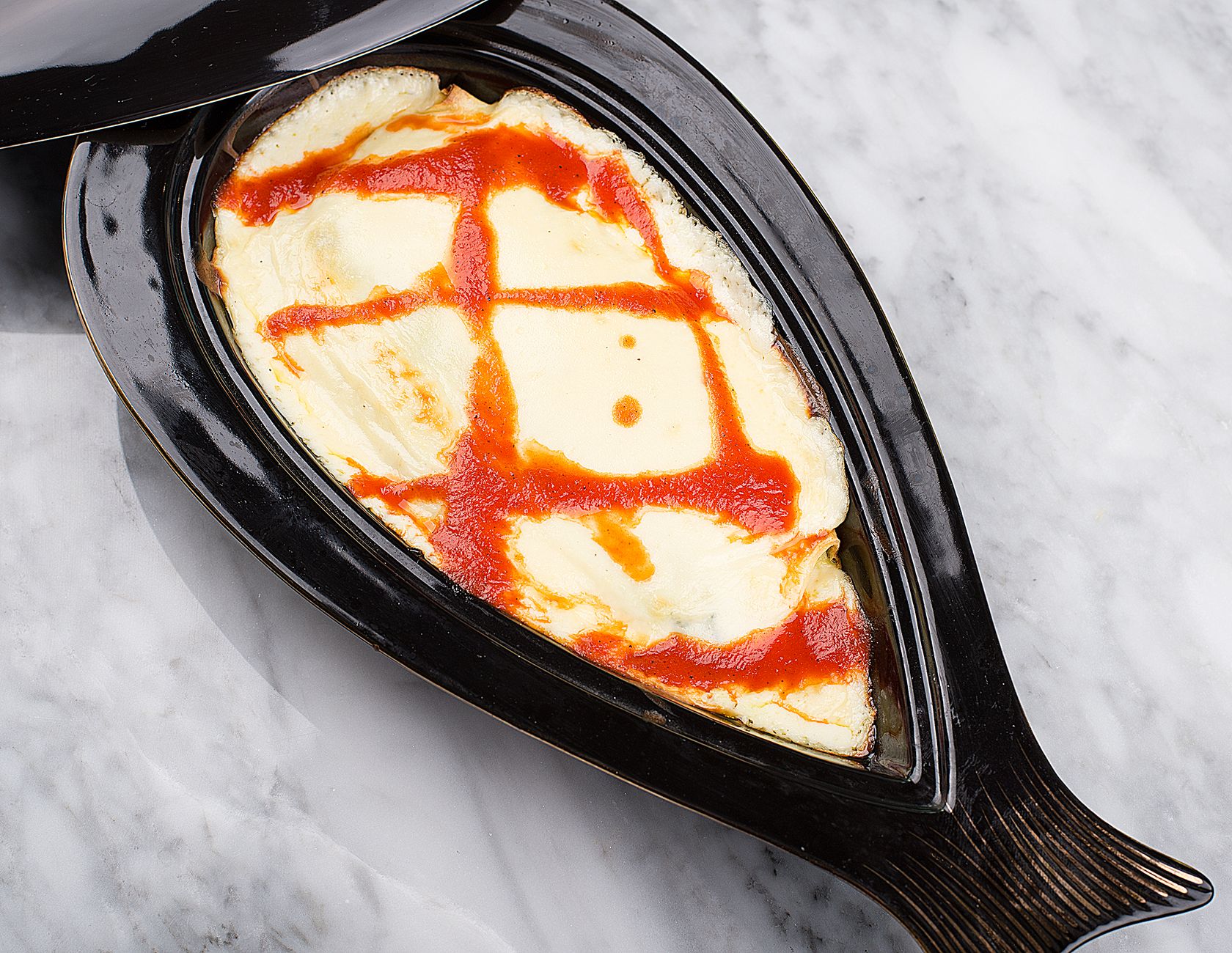
Simple Pike Fish Quenelle Recipe
| Prep time | 20 minutes | Cook time | 10 minutes |
|---|---|---|---|
| Total time | 30 minutes | Servings | 4 |
| Calories | 210 per serving | Diet tags | Halal, Gluten-Free (if gluten-free panade used) |
Ingredients
- 300g fresh pike fillet, skin and bones removed
- 50g unsalted butter
- 30g all-purpose flour (or gluten-free flour for GF)
- 150ml whole milk
- 2 large eggs
- Salt and white pepper to taste
- Nutmeg, a pinch
- Vegetable stock or water for poaching
Instructions
- Prepare the panade: In a small saucepan, melt the butter over medium heat. Add the flour and whisk continuously to form a roux. Slowly pour in the milk while whisking until a thick, smooth paste forms. Remove from heat and let cool slightly.
- Finely chop or pulse the pike fillet in a food processor until it forms a smooth paste. Do not overprocess.
- Transfer fish paste to a bowl. Stir in the cooled panade, one egg at a time, seasoning with salt, white pepper, and nutmeg. Mix gently until homogenous.
- Wet two spoons with cold water. Shape the mixture into quenelles by scooping the paste between the spoons to form oval dumplings about 5cm long.
- Bring vegetable stock or water to a simmer (82-85C) in a deep pot. Gently slide quenelles into the poaching liquid. Cook for 8-10 minutes; they will float when done.
- Remove with a slotted spoon and drain on a kitchen towel. Serve warm with your favorite sauce (crayfish or butter-based sauces recommended).
Storage
Store leftover poached quenelles in an airtight container in the fridge for 3 days. Reheat gently in warm water for 3-4 minutes before serving. Alternatively, freeze raw quenelles uncooked on a tray for 1 hour, then transfer to a freezer-safe bag for up to 2 months.
For a fun twist, try pairing your quenelles with seasonal vegetables or explore Is cereal soup recipes for creative side dishes.
More You Might Like
- Discover creative breakfast ideas with meal prep breakfast sandwiches perfect for busy mornings.
- Explore wholesome and Halal-certified snack options that complement your seafood meals.
Choosing the best fish quenelle starts with picking firm, white-fleshed fish like pike or cod. Freshness, a mild flavor, and proper technique make all the difference for tender, smooth dumplings. Next time you shop for fish, check for Halal certification and freshness indicators. Then, try this classic pike quenelle recipe or experiment with other varieties to delight your palate. Feel free to leave questions or share your quenelle results in the comments below.
FAQs
When is the best time to eat or drink best fish quenelle?
Fish quenelles are best served warm for lunch or dinner as a light but protein-rich meal. They pair well with seasonal vegetables or mild sauces, highlighting their delicate flavor. Leftovers can be stored in the fridge for up to 3 days and reheated gently before eating.
Is best fish quenelle actually Halal — what should I check on the label?
To confirm fish quenelles are Halal, look for certification marks from recognized bodies like JAKIM, HMC, or IFANCA on packaging or menus. Ensure the fish used is seafood-permissible and handled separately to avoid cross-contamination with non-Halal items.
How long can fish quenelles be stored after cooking?
Cooked fish quenelles can be kept refrigerated in an airtight container for 3 to 4 days at 4°C. For longer storage, freeze them for up to 2 months and thaw gently before reheating to maintain quality and safety.
What fish types are commonly used instead of pike in quenelle recipes?
Cod is a popular substitute for pike due to its firm and flaky flesh with a mild oceanic flavor. Haddock, pollock, catfish, and hake also work well, but binding ratios may need slight adjustment to maintain texture.
Where can I buy fresh fish suitable for making the best fish quenelle?
Purchase fresh, firm white-fleshed fish like pike, cod, or sole from reputable seafood markets or trusted halal-certified suppliers. Look for freshness indicators such as mild scent, firm texture, and proper refrigeration during purchase.