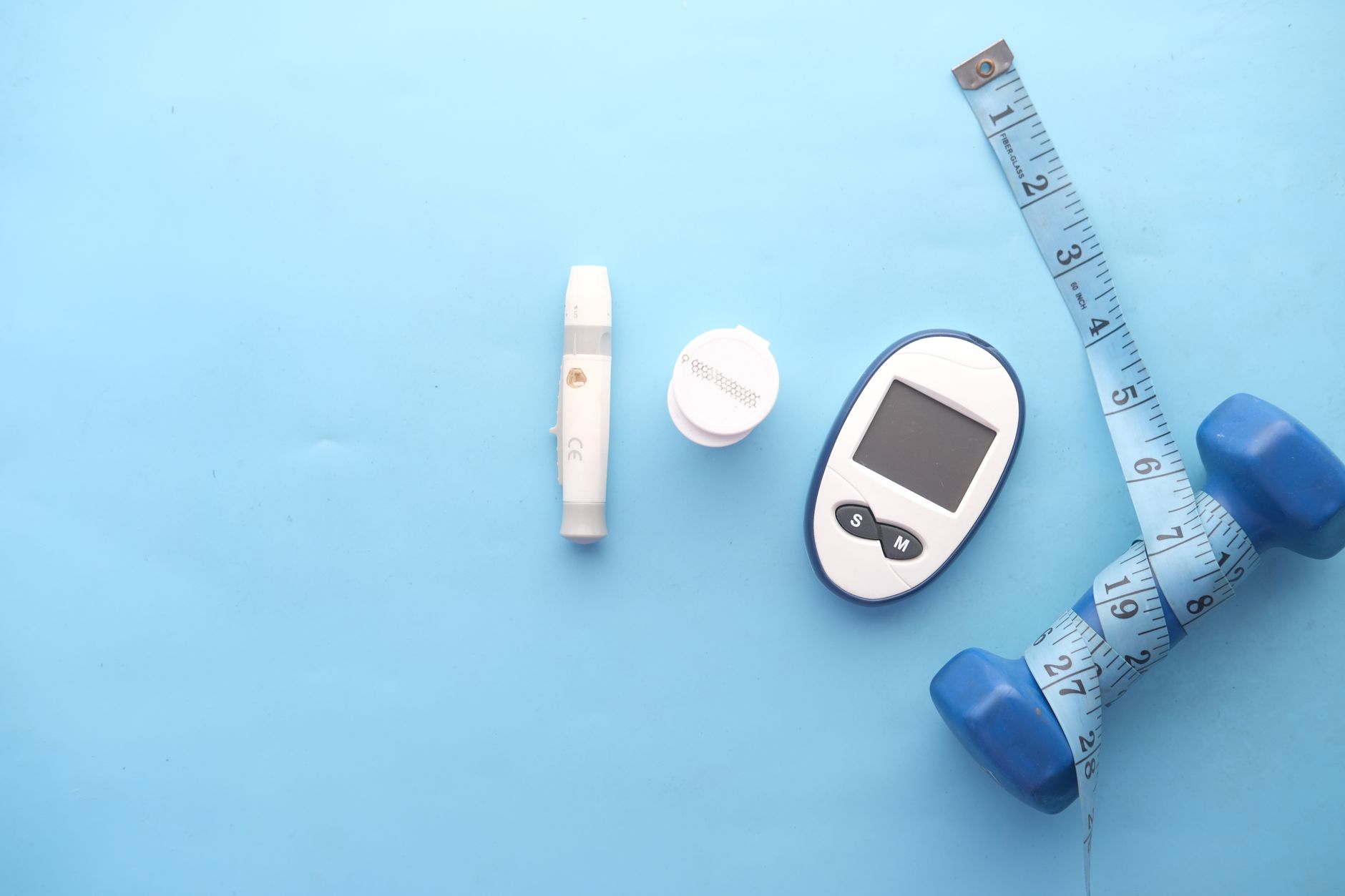
So youve been hearing a lot about ozempic weight loss latelymaybe from a friend, a headline, or that one social post that wont stop popping up. It can feel confusing and tempting all at once, right? I get it. Lets walk through this together in a calm, straightforward way. Ill share what Ozempic is, how it helps with weight loss, what to expect, and what questions to ask your healthcare provider. Think of this as a cozy conversation over coffeeclear, compassionate, and practical.
What is Ozempic?
Ozempic is the brand name for semaglutide, a medication originally developed to help manage type 2 diabetes. It belongs to a class called GLP-1 receptor agonists, which work by mimicking a hormone in your body that helps regulate blood sugar and appetite. Lately, people have noticed a pleasant side effect: many users experience weight loss. Thats why Ozempic has become a hot topic for weight management.
How It Works
Imagine your hunger signals are a radio with the volume turned up too high. Ozempic helps turn that volume down. It slows gastric emptying (so you feel full longer), reduces appetite, and helps your body manage blood sugar better. The combined effect often leads to eating less and losing weight over time. Its not magic, but it can be a powerful tool when paired with sensible habits.
Who Might Benefit?
Ozempic can be useful for people with type 2 diabetes who also want better blood sugar control and weight loss. Its also been prescribed off-label for weight management in people without diabetes, although another semaglutide brand, Wegovy, is specifically approved for chronic weight management in certain adults. Your doctor will weigh factors like your medical history, current medications, and weight-loss goals to determine if Ozempic is a fit.
Realistic Expectations
Lets be honest: if youre hoping for overnight miracles, this isnt it. Most people see gradual weight loss over weeks to months. Clinical studies show that semaglutide can produce meaningful weight loss for many peoplesometimes 10% or more of body weight when combined with lifestyle changes. But individual results vary. Think of Ozempic as a helpful supporting actor in your wellness story, not the sole star.
Typical Treatment Plan
Treatment usually starts with a low dose to reduce side effects, then gradually increases. Many folks begin with a weekly injection. Yepweekly, not dailyand most people find it far easier than remembering multiple pills. Your provider will guide dosing and adjustments based on how you respond and any side effects.
Common Side Effects
Some side effects are common but manageable. Nausea, mild stomach upset, and sometimes diarrhea or constipation are the most frequently reported. These often improve as your body adjusts. Less common but more serious risks exist toolike pancreatitis or gallbladder problemsso its important to watch for severe abdominal pain or other alarming symptoms and report them right away.
Safety and Long-Term Use
Long-term safety is still an area of ongoing study. Clinical trials and real-world use give us a lot of helpful information, but theres always more to learn. Thats why regular check-ins with your healthcare provider are essential. Theyll monitor your progress, check labs when needed, and make sure continuing Ozempic is the right call for you.
Costs and Access
One practical piece of the puzzle is cost. Ozempic can be expensive if youre paying out of pocket. Insurance coverage varies widelysome plans cover it for diabetes, fewer for weight management. There are programs and manufacturer coupons that sometimes help, but its wise to check with your insurer and ask your prescriber for options if cost is a concern. Dont be afraid to ask for help finding affordable pathways; many clinics have resources for this.
What Happens After You Stop?
Heres a crucial, honest point: stopping Ozempic often leads to some degree of weight regain if other habits arent in place. Thats because Ozempic influences appetite and body weight regulation. If youre considering stopping, work with your clinician to plan a transition. Pairing medication with sustainable lifestyle changes (nutrition, movement, sleep, stress management) increases the chance your progress sticks.
Pairing Ozempic with Lifestyle Changes
No medication replaces healthy habits. But when combined with realistic, enjoyable lifestyle changes, Ozempic can help you make more progress with less struggle:
- Nutrition: Focus on whole foods you actually likelean proteins, colorful vegetables, fiber-rich grains, healthy fats. Small, sustainable shifts beat dramatic diets that arent enjoyable.
- Movement: Find activity you enjoy. Walks, dancing in your living room, gentle strength trainingconsistency wins over intensity.
- Sleep & Stress: Both affect hunger and weight. Prioritize sleep and explore stress-reduction practices that feel doable, like brief breathing exercises or a relaxed hobby.
Think of this as building a new rhythm, not following a strict, joyless regimen. Little changes that feel good are the ones that stick.
Questions to Ask Your Doctor
When you speak with your provider, these questions can help you get the clarity you deserve:
- Is Ozempic right for my medical history and goals?
- What dose will we start with, and how will we adjust it?
- What side effects should I expect, and what requires immediate attention?
- How will we measure successweight, labs, how I feel?
- If I cant use Ozempic long-term, whats the plan for transitioning off?
- Are there cost-saving options or patient assistance programs?
Being curious and prepared helps you and your provider make the best choice together.
Stories and Real Talk
Ive talked to people who loved how Ozempic helped reduce cravings and gave them the confidence to make healthier choices. Ive also spoken with folks who struggled with nausea or who felt anxious about depending on medication. Both experiences are valid. What matters most is your individual journeywhat feels right and sustainable for your life.
Alternatives and Additional Options
If Ozempic isnt right for you, there are other paths. Other GLP-1 medications, lifestyle programs, structured nutrition counseling, behavioral therapy, and sometimes surgery for eligible individuals are all part of the broader weight-management toolkit. Your provider can help you explore alternatives that suit your health and goals.
How to Decide
Choosing a treatment is personal. Heres a gentle checklist to help you consider where you stand:
- Do you have medical reasons (like type 2 diabetes) that make Ozempic especially helpful?
- Are you willing to pair medication with long-term lifestyle changes?
- Can you commit to regular medical follow-up and monitoring?
- Have you discussed costs and coverage with your insurer and provider?
If you answered yes to most of these, Ozempic could be a tool worth exploring with your clinician.
Final Thoughts
Weight is complexphysical, emotional, and often influenced by things outside our control. Ozempic weight loss can be a meaningful part of a compassionate, practical approach to better health. Its not a quick fix, and it isnt the only answer. But for many, it has opened a path forward: reducing hunger, supporting healthier eating habits, and improving metabolic health.
Before anything else, be kind to yourself. If youre considering Ozempic, gather information, ask questions, and lean on trusted healthcare professionals who know your full story. And if you try it, celebrate the small winsbecause real change is rarely a straight line, but every step matters.
Curious about how Ozempic might fit into your life? Talk to your provider, jot down your questions, and start the conversation. If you want to share your thoughts or experiences, Id love to hear them. What part of this surprised you most?
FAQs
Is Ozempic right for weight loss if I don't have diabetes?
In some cases, doctors prescribe it off-label for weight management; Wegovy is specifically approved for weight management; your clinician will assess risks and benefits.
How long does it take to see weight loss with Ozempic?
Weight loss tends to occur gradually over weeks to months, varying from person to person; many achieve around 10% of body weight when combined with lifestyle changes.
What are common side effects and how can I manage them?
Common side effects include nausea, stomach upset, diarrhea, or constipation, which often improve over time; seek medical help for severe pain, pancreatitis, or gallbladder issues.
Can I stop Ozempic after I've started or after reaching my goal?
Stopping can risk weight regain if healthy habits aren’t maintained; work with your clinician on a plan to transition and sustain lifestyle changes.
Is Ozempic expensive and are there cost-saving options?
Cost can be high and varies by insurance; ask about coupons, patient assistance programs, and other cost-saving options with your provider.