Hey there if youve been wondering where to get enough protein on a plant-based diet without surviving on tofu alone, youre in the right place. I remember the days I nervously scanned nutrition labels, trying to figure out whether beans counted as a real protein source. Spoiler: they absolutely do. In this guide, Ill walk you through tasty, reliable plant based foods high in protein so you can feel confident, satisfied, and maybe even excited about your next meal.
Why it matters
Protein isnt just about bulking up. It helps repair tissues, keeps your energy steady, supports immune function, and keeps you feeling full between meals. Many people assume plant-based means low protein but thats a myth. With a little planning and the right food choices, you can meet (and sometimes exceed) your protein needs comfortably.
Top protein-rich staples
Lets start with the heavy hitters foods that deliver protein in every bite and are easy to include in daily meals.
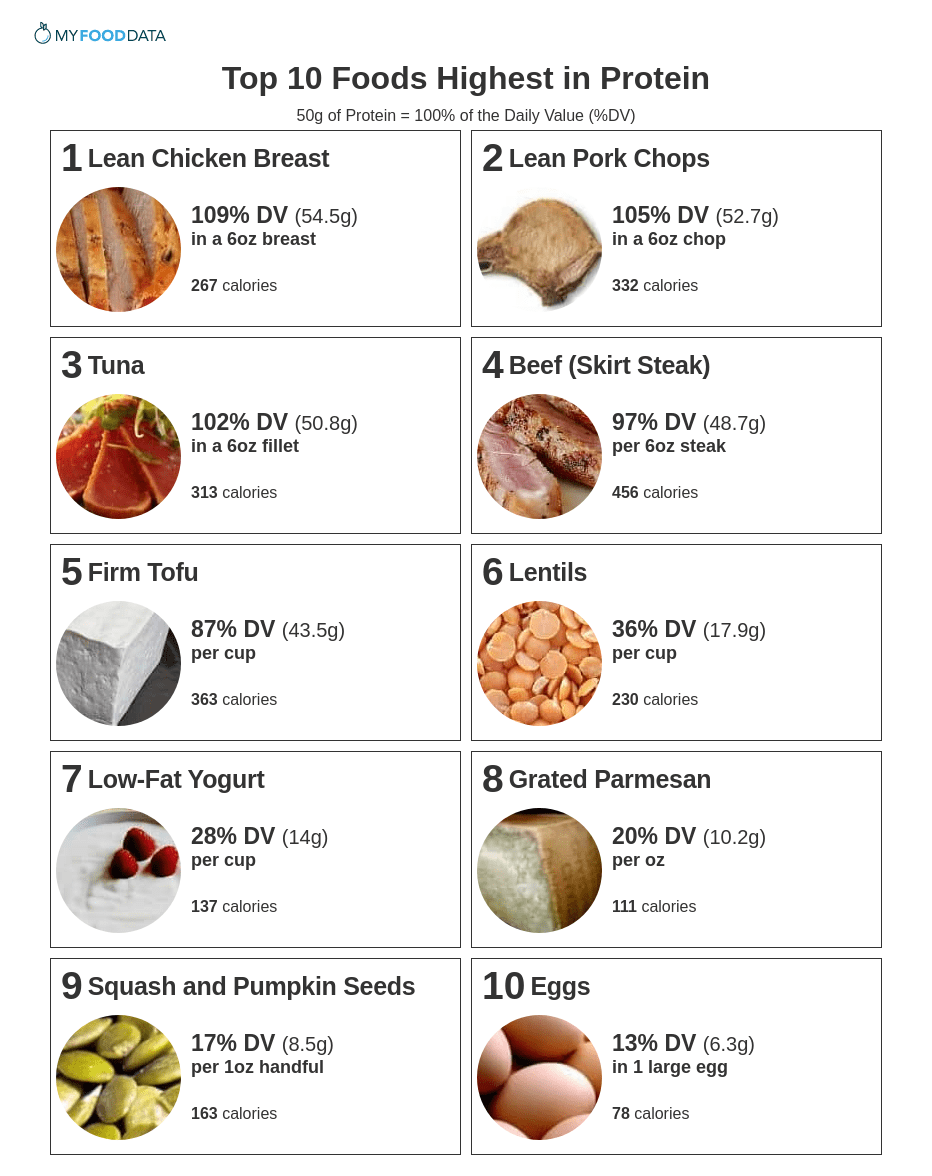
Lentils: One cup of cooked lentils gives you about 18 grams of protein, plus fiber and iron. Theyre incredibly versatile: soups, stews, salads, or even lentil meat for tacos. Theyre one of my go-to pantry saviors.
Chickpeas: About 15 grams of protein per cooked cup. Roast them for a crunchy snack, blend them into hummus, or toss into curries. Theyre friendly, dependable, and kid-approved more often than not.
Black beans and other legumes: Black beans, kidney beans, navy beans they hover around 1415 grams per cup. Mix them into rice bowls, burritos, or salads for a filling meal.
Tempeh and tofu: Fermented tempeh packs roughly 1520 grams of protein per cup, while firm tofu has around 1020 grams depending on density. Tofu soaks up flavors, and tempeh adds a hearty, nutty texture. Both are pantry essentials if you want plant-based cooking to feel effortless.
Grains and seeds that pull their weight
Whole grains and seeds often fly under the radar, but theyre superbly useful for bumping up the protein in a meal.
Quinoa: Consider it a pseudo-grain superstar about 8 grams of protein per cooked cup and every essential amino acid. Its fantastic in salads, bowls, or even as a breakfast porridge.
Amaranth and buckwheat: Both are higher-protein grains that work great in porridge, side dishes, or as a base for roasted veggies.
Chia seeds, hemp hearts, and flaxseeds: Small but mighty. Hemp hearts deliver around 10 grams of protein per 3 tablespoons and blend beautifully into smoothies, yogurt alternatives, and oatmeal. Chia and flax provide a modest protein boost plus omega-3s and fiber.
Nuts and nut butters: tasty protein boosts
Nuts add healthy fats, texture, and a protein lift to meals and snacks. Almonds offer about 6 grams per ounce, while peanuts (technically legumes) give you about 7 grams. Nut butters make great sandwich spreads, smoothie additions, or drizzles over fruit. Just watch portions theyre calorie-dense, but worth it for the nutrients and satisfaction they provide.
Vegetables that surprise you
Yes, veggies can contribute meaningful protein especially when combined smartly with other foods.
Edamame: Young soybeans are protein powerhouses roughly 17 grams per cup. Steam them and sprinkle with sea salt, or add to stir-fries and salads.
Spinach, broccoli, and peas: While not as concentrated as legumes, these vegetables provide protein plus an array of vitamins and minerals. Stir them into soups, blend them into smoothies, or pair with grains and beans for balanced meals.
Protein-rich plant-based combinations
One of the easiest tricks is combining foods to make a complete, satisfying protein profile. You dont need to stress about perfect pairings at every meal variety across the day typically covers it but here are some dependable combos youll love:
- Rice and beans: A classic for a reason. Affordable, flavorful, and complete in amino acids.
- Hummus with whole-grain pita: Chickpeas + whole grains = long-lasting energy.
- Tofu stir-fry with quinoa: A savory bowl thats both filling and nutrient-dense.
- Peanut butter on whole-grain toast with a side of edamame: Quick and power-packed.
Curious about more structured plans? If youre exploring meal frameworks that focus on protein, check out this helpful Diet for high protein resource to get ideas and inspiration that match your goals (Diet for high protein).
Snacks and small meals that actually satisfy
When hunger hits, reach for protein-forward snacks rather than empty carbs. Here are some tried-and-true favorites:
- Roasted chickpeas crunchy, portable, and addictive.
- Hummus with veggie sticks or whole-grain crackers.
- Greek-style plant-based yogurt topped with hemp hearts and berries.
- A smoothie with plant-based protein powder, spinach, banana, and almond butter.
Meal ideas to keep things fun
Routine is the enemy of joy, so here are some playful meal ideas that make protein feel exciting, not like a chore.
Mexican-inspired bowl: Brown rice, black beans, roasted sweet potato, salsa, avocado, and a sprinkle of hemp hearts.
Asian noodle bowl: Buckwheat noodles, marinated tofu, edamame, stir-fried bok choy, and a tangy peanut sauce.
Mediterranean plate: Chickpea salad with cucumbers, tomatoes, olives, tahini dressing, and a side of warm quinoa.
And if youre curious about what other plant-based staples can bolster your meals, you might enjoy exploring Plant based food for more ideas and inspiration (Plant based food).
Practical tips to boost protein without thinking too hard
Here are some easy habits that add up over time:
- Start meals with a protein source: beans, lentils, tofu, or tempeh.
- Keep canned beans, frozen edamame, and quick-cook lentils in the pantry/freezer for fast meals.
- Use seeds and nuts as toppings hemp hearts, chopped almonds, or seeds on salads, porridges, and yogurt alternatives.
- Consider fortified plant milks and yogurts for extra nutrients (calcium, B12, and sometimes added protein).
Protein goals: how much do you really need?
Great question. Protein needs vary depending on age, activity, and goals. A general rule is around 0.8 grams per kilogram of body weight for most adults. If youre active, pregnant, or trying to build muscle, that number often increases. Its okay if you dont hit exact numbers every day believe me, consistency over time matters more than perfection.
Addressing common concerns
Lets tackle a few worries I hear a lot:
Will I miss essential amino acids? Probably not, as long as you eat a variety of plant proteins across the day. Quinoa, soy, and buckwheat are complete proteins, and combining grains with legumes easily covers the rest.
Is plant protein less effective for building muscle? Not necessarily. With enough total protein and progressive training, plant-based athletes build muscle just fine. You might want to pay attention to leucine-rich foods (like soy and legumes) or use a plant-based protein powder if youre chasing aggressive gains.
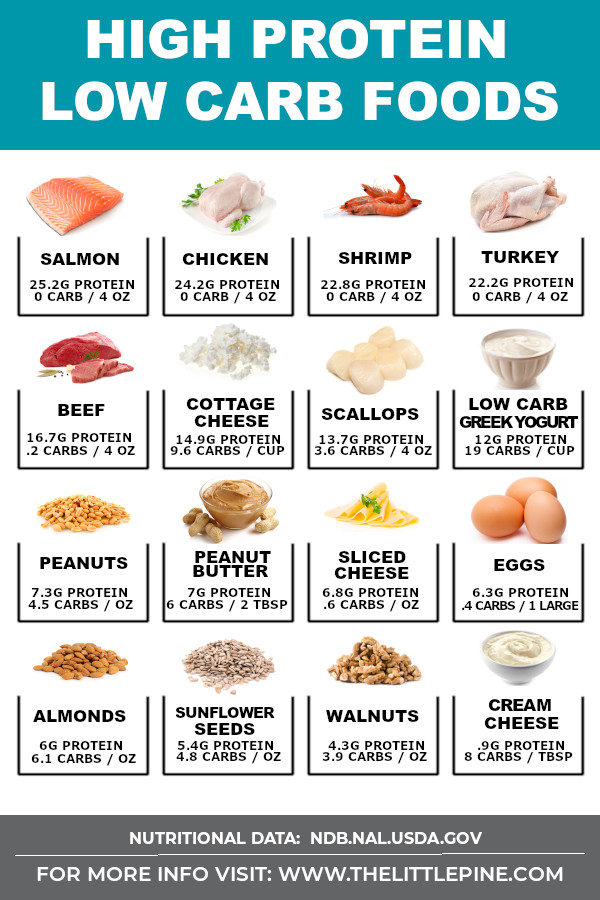
Can I eat low-calorie but high-protein plant foods? Absolutely. If youre watching calories but want protein, options like edamame, lentils, and certain legumes are excellent. For more tailored ideas, you can check out Foods high protein low calorie for practical suggestions (Foods high protein low calorie).
Shopping and cooking tips I use often
When I grocery shop, I focus on a few simple categories: legumes, whole grains, soy products, nuts/seeds, and lots of vegetables. Here are quick tips to make meal prep less daunting:
- Batch-cook lentils and beans once or twice a week and freeze in portions.
- Marinate tofu or tempeh in big batches so you have ready-to-eat protein for bowls and salads.
- Keep flavor enhancers on hand: tamari, miso paste, tahini, nutritional yeast, and fresh herbs.
- Try one new recipe a week to keep your palate excited.
Final thoughts and a little encouragement
Switching to or maintaining a plant-based diet doesnt mean sacrificing protein, flavor, or satisfaction. With smart choices a mix of legumes, grains, soy products, nuts, seeds, and veggies you can meet your needs and enjoy every bite. I hope this guide gave you practical ideas and a little reassurance. What meal are you most excited to try? Personally, I can never resist a spicy lentil taco night.
If you want more meal inspiration or lists of reliable staples, try this quick roundup of Foods to eat for simple, everyday choices (Foods to eat). And if youre curating a grocery list or planning a week of protein-rich meals, dont be shy ask me for recipes or a shopping list. Id love to help.
Happy cooking, and heres to delicious, protein-packed plant-based meals that leave you satisfied and smiling.
FAQs
What are the best plant based foods high in protein?
Some of the top plant based foods high in protein include lentils, chickpeas, black beans, tofu, tempeh, quinoa, hemp seeds, and edamame. These foods offer substantial protein content per serving and are versatile in meals.
Can you get enough protein from plant based foods?
Yes, it's absolutely possible to meet your protein needs from plant based foods. By eating a variety of legumes, grains, nuts, and seeds throughout the day, you can easily consume adequate protein.
How can I increase my plant protein intake daily?
Incorporate protein-rich staples like beans, lentils, and tofu into meals, snack on nuts and seeds, add hemp or chia seeds to smoothies, and choose whole grains like quinoa for higher protein content.
Are plant proteins complete proteins?
Most plant proteins are not complete on their own, but combining foods like beans and rice or hummus and whole grain pita provides all essential amino acids. Quinoa, soy, and buckwheat are complete plant proteins.
What are some easy high protein plant based snacks?
Try roasted chickpeas, hummus with vegetables, nut butters with fruit, smoothies with protein powder, or a handful of almonds and seeds. These are portable, satisfying, and protein-packed.