Boiling sweet potatoes is a simple and popular cooking method, but is it always the best choice? While boiling is quick and easy, it can affect the texture and leach out key nutrients. If you want to enjoy tender sweet potatoes while preserving their natural sweetness and health benefits, understanding what really happens during boiling makes all the difference.
Boiling Sweet Potatoes Basics
What Happens to Sweet Potatoes During Boiling?
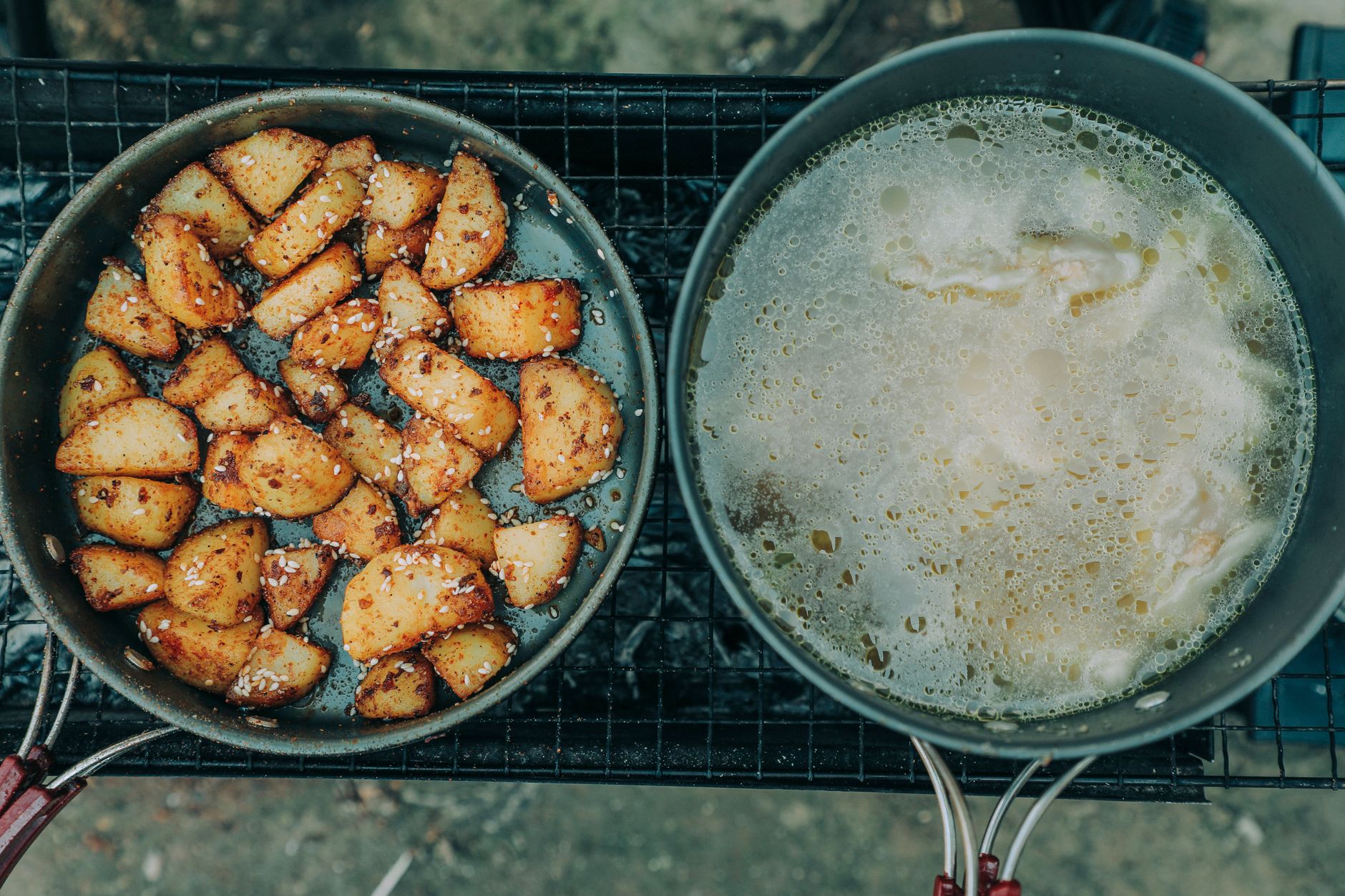
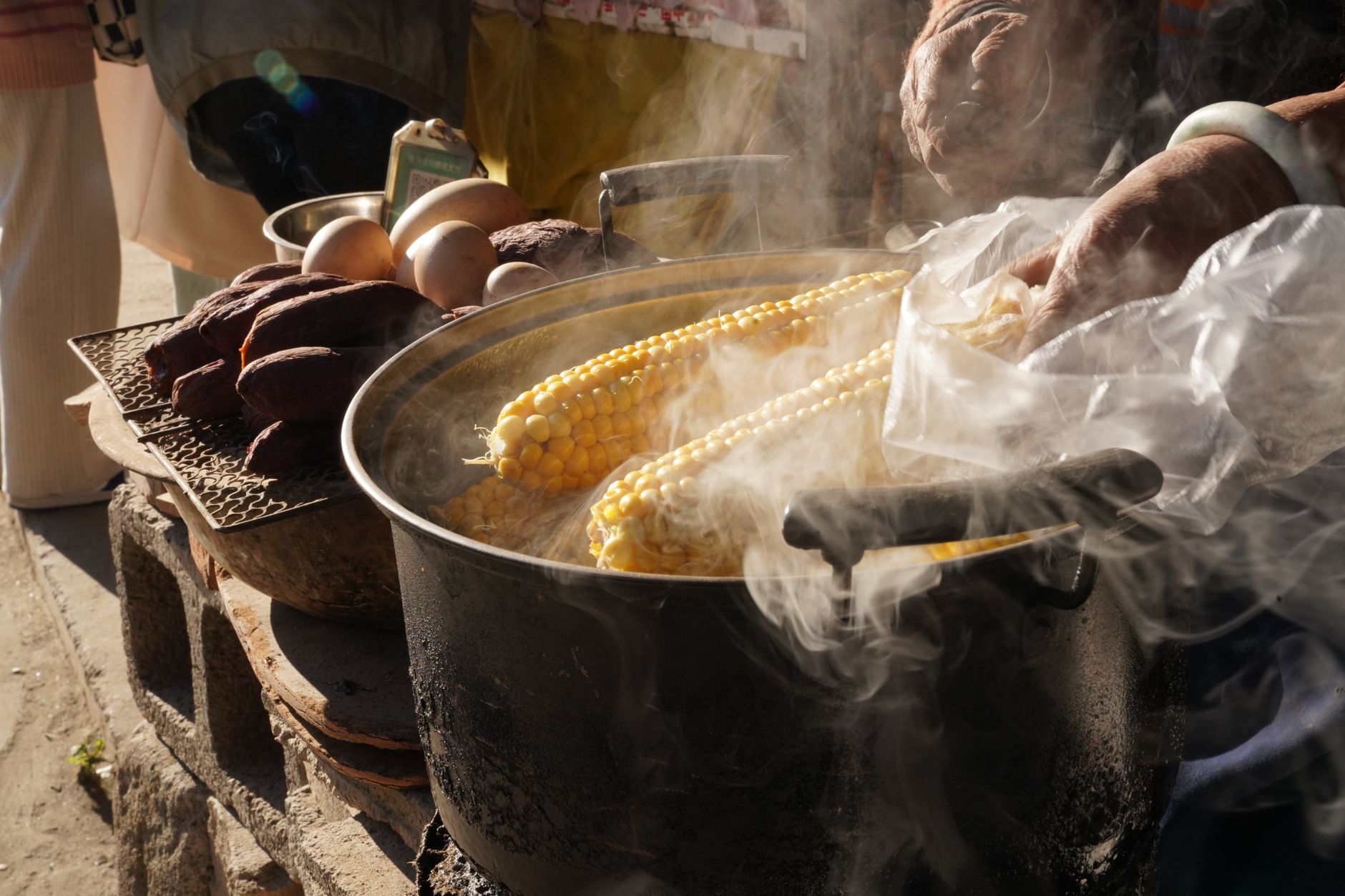
Boiling sweet potatoes involves cooking them submerged in hot water until tender. During this process, heat breaks down starches inside the tuber, softening the flesh. Starches absorb water and gelatinize, resulting in a creamy texture if boiled just right. However, excessive boiling can cause waterlogging, making sweet potatoes mushy and watery.
Additionally, boiling causes some of the sweet potatoes soluble compounds, including sugars and certain nutrients, to leach into the cooking water. This impacts not only texture but also flavor, often diluting the natural sweetness you expect from a perfectly cooked sweet potato.
Which Vitamins and Nutrients Are Impacted by Boiling Sweet Potatoes?
Water-soluble vitamins like vitamin C and several B vitamins, including folate and B6, are particularly sensitive to boiling. These nutrients tend to break down or wash out into the boiling water. On the other hand, minerals such as potassium and fat-soluble vitamins like vitamin A (in the form of beta-carotene) tend to be more stable during boiling, although some loss can still occur.
Another notable point is the effect on antioxidants. Sweet potatoes are rich in antioxidants that contribute to health benefits and vibrant color, but prolonged boiling can reduce their potency.
Nutrient Comparison: Boiled vs. Baked Sweet Potatoes
| Nutrient | Boiled Sweet Potato (per 100g) | Baked Sweet Potato (per 100g) |
|---|---|---|
| Vitamin C | 12 mg (20% DV) | 19 mg (32% DV) |
| Vitamin B6 | 0.15 mg | 0.20 mg |
| Beta-Carotene (Vitamin A) | 8,500 g RAE | 9,900 g RAE |
| Potassium | 230 mg | 256 mg |
How Does Boiling Compare to Other Cooking Methods?
Compared to baking, steaming, or microwaving, boiling tends to result in the highest loss of water-soluble vitamins due to nutrient leaching. Steaming often preserves more vitamins because the sweet potatoes arent submerged in water. Baking concentrates flavors and preserves antioxidants better, while microwaving preserves nutrients with shorter cooking times.
Still, boiling has its place when you want a soft, moist texture quickly or plan to mash sweet potatoes for recipes.
Pros and Cons of Boiling Sweet Potatoes
Benefits of Boiling Sweet Potatoes
- Simple, quick, and requires only a pot of water
- Produces very soft, tender sweet potatoes ideal for mashing or pureeing
- Can reduce the glycemic index slightly, making them a good option for blood sugar management
Downsides of Boiling Sweet Potatoes
- Nutrient loss, especially vitamin C and B vitamins, due to leaching into boiling water
- Texture risks: waterlogging can make sweet potatoes bland or mushy
- Flavor dilution compared to dry-heat methods like baking or roasting
When Boiling Sweet Potatoes Makes Sense
Boiling is a suitable method in certain situations. For instance, when cooking for babies or people with sensitive digestion, boiled sweet potatoes offer gentle softness. Also, recipes requiring mashed sweet potatoes or smooth purees benefit from boiling for easy breakdown. When speed and simplicity matter most, boiling cant be beaten.

Sweet Potato Nutrition and Health
Why Sweet Potatoes Are Nutritional Superstars
Sweet potatoes boost your diet with fiber, vitamins, and antioxidants. Their rich beta-carotene converts to vitamin A, vital for vision and immune health. They also deliver potassium for heart health and fiber for digestion. Low in fat and calories, they support weight management and balanced blood sugar.
Incorporating sweet potatoes aligns well with eating healthy foods every day, helping you meet micronutrient needs naturally.
How Cooking Methods Affect Vitamins and Antioxidants
Studies show cooking sweet potatoes at higher temperatures or for longer times reduces antioxidant levels and vitamin C content. Boiling typically causes more vitamin loss compared to roasting or baking. Using the cooking water, for instance in soups or sauces, helps recapture some leached nutrients. Keeping the peel on during cooking can also protect vitamins during heat exposure.
Tips to Maximize Nutrient Retention
- Boil sweet potatoes with skin on to limit vitamin loss
- Cut pieces into large chunks to reduce surface area exposed to water
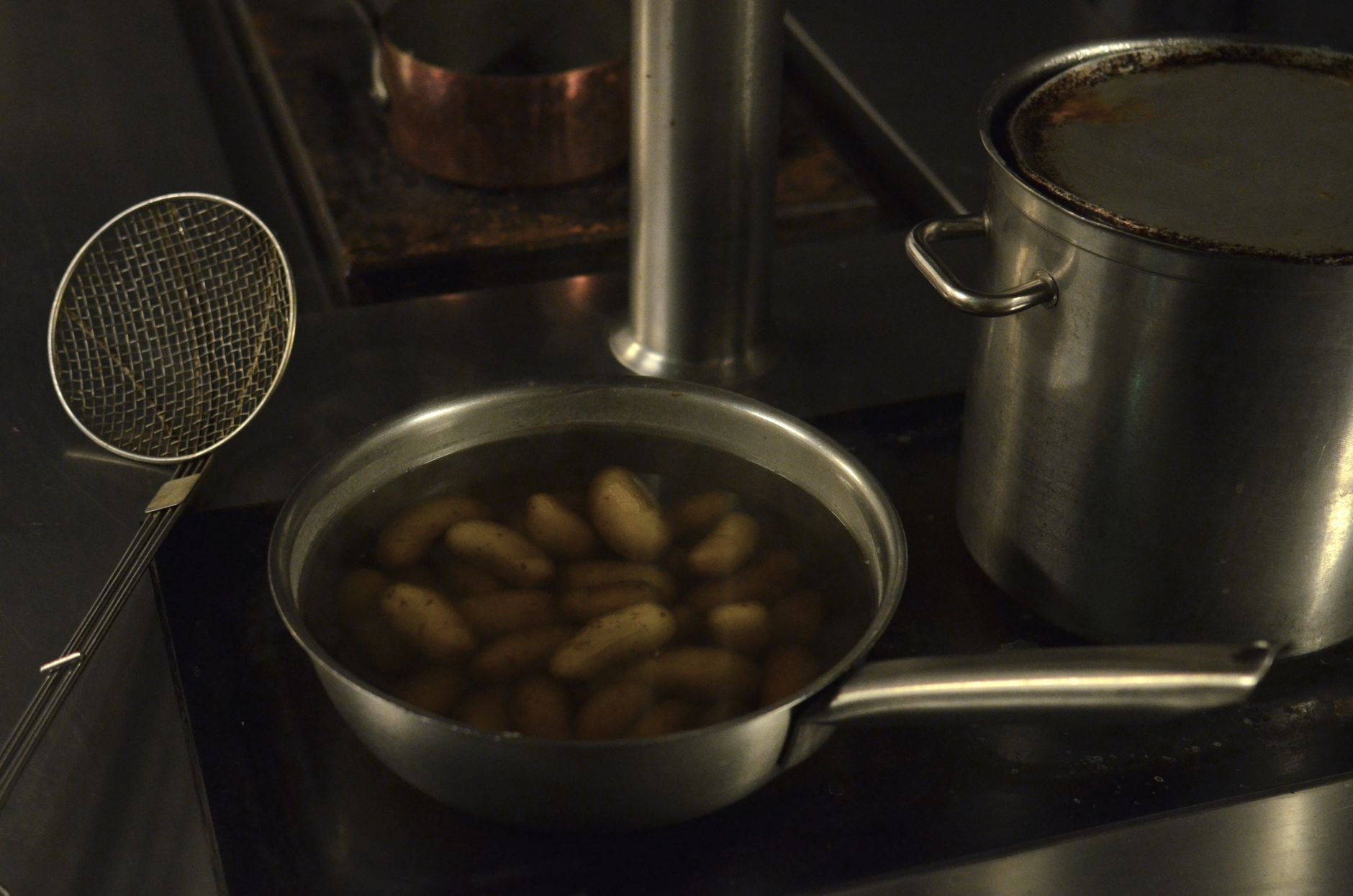
- Avoid overcookingboil just until easily pierced with a fork (about 1520 minutes)
- Use the boiling water in soups or stews to reclaim nutrients
Cooking Recommendations for Taste and Nutrition
Why Baking Beats Boiling for Sweet Potatoes
Baking sweet potatoes brings out their natural sweetness by concentrating sugars and moisture. This dry-heat method also retains more vitamins and antioxidants compared to boiling. The skin crisps slightly, adding texture and flavor, making baked sweet potatoes richly satisfying.
Other Cooking Methods to Try
- Roasting: Similar to baking but at higher heat, adding caramelized flavor.
- Steaming: Preserves nutrients by cooking without water contactsweet and tender texture.
- Microwaving: Fast and nutrient-friendly, though with less browning or caramelization.
Perfect Baked Sweet Potatoes: Step-by-Step
- Preheat oven to 200C (400F).
- Wash sweet potatoes thoroughly, leaving skin on for nutrients.
- Prick each potato several times with a fork to allow steam escape.
- Place on a baking sheet lined with foil or parchment.
- Bake for 4560 minutes, until skin is wrinkled and a fork inserts easily.
- Remove from oven, let cool 5 minutes, then serve plain or with toppings.
For an extra nutritional boost, enjoy baked sweet potatoes alongside a balanced diet featuring other healthy foods to eat everyday.
Is Boiling Sweet Potatoes Actually Halal What Should I Check?
Sweet potatoes themselves are naturally Halal. When boiling, ensure your water and any added ingredients (like broth, oils, or seasoning) conform to Halal standards set by recognized bodies such as JAKIM, HMC, or IFANCA. Look for certified Halal logos on packaged seasonings or cooking products. This keeps your dish fully Halal and trustworthy.
When is the Best Time to Eat Boiled Sweet Potatoes?
Boiled sweet potatoes make a great addition to breakfast, lunch, or dinner. Their slow-digesting carbohydrates provide steady energy, perfect before or after exercise. They also suit light, comforting meals during cooler months or when your digestion needs gentle foods.
Can Boiling Affect the Glycemic Index of Sweet Potatoes?
Yes, boiling can slightly lower the glycemic index compared to baking or roasting. This means boiled sweet potatoes cause a gentler rise in blood sugar. This makes them a good option for those managing diabetes or blood sugar levels.
How Long Should I Boil Sweet Potatoes?
Cut sweet potatoes into large chunks and boil for about 1520 minutes. Smaller pieces may cook faster but increase nutrient loss. Youll know theyre done when a fork slides in smoothly without resistance.
Can I Use Boiling Water From Sweet Potatoes in Recipes?
Absolutely. The cooking water contains leached vitamins and minerals. Use it as a base for soups or sauces to recapture nutrients and add natural sweetness.
What Is the Best Way to Store Boiled Sweet Potatoes?
Store boiled sweet potatoes in an airtight container in the fridge. They stay fresh for 35 days. Reheat gently to preserve texture. For longer storage, freeze within 2 days for up to 3 months.
Are There Allergens to Watch For When Boiling Sweet Potatoes?
Sweet potatoes are naturally free from common allergens like gluten, dairy, and nuts. However, if you add ingredients to the boiling water or season them later, check those products for allergens and Halal certification to stay safe.
How Do I Avoid Mushy or Watery Boiled Sweet Potatoes?
Use large chunks instead of small pieces to reduce water absorption. Boil just until tender, about 1520 minutes, then drain immediately. Avoid leaving sweet potatoes sitting in hot water after cooking.
Pro Tip: Enhance Flavor and Texture
Add a pinch of salt to boiling water to help season sweet potatoes evenly. For a creamier mash, leave skins on and mash with a splash of warm milk or Halal-certified butter. Try roasting small cubes right after boiling for a crispy outer layer.
More You Might Like
Explore our guide to the Best foods to eat while pregnant for health-conscious meal ideas featuring wholesome ingredients like sweet potatoes.
Discover our curated list of Healthy foods to eat everyday to complement your diet with nutrient-rich options that pair well with sweet potatoes.
Conclusion
Boiling sweet potatoes is a practical and gentle cooking method, perfect for tender dishes and specific dietary needs. Just rememberit can reduce certain vitamins and mellow the flavor compared to baking. Next time you shop or cook, consider your texture and nutrition goals carefully. Try out baking or steaming to enjoy richer taste and more nutrients. Whether boiling or baking, sweet potatoes remain a delicious, nutritious addition to your meals. Leave a comment below with your favorite sweet potato cooking method!
FAQs
When is the best time to eat or drink boiling sweet potatoes?
Boiled sweet potatoes are ideal for breakfast, lunch, or dinner. Their slow-digesting carbs provide sustained energy, making them perfect before or after exercise and suitable for light, comforting meals.
How long do boiled sweet potatoes last when stored properly?
Store boiled sweet potatoes in an airtight container in the refrigerator for 3–5 days. For longer storage, freeze them within 2 days and use within 3 months to maintain quality and safety.
How does boiling sweet potatoes compare to baking in nutrient retention?
Boiling causes more loss of water-soluble vitamins like vitamin C and B6 compared to baking, which better preserves these nutrients and enhances sweetness due to dry heat caramelization.
Is it safe to eat boiled sweet potatoes every day?
Yes, boiled sweet potatoes are safe and healthy to eat daily as part of a balanced diet. They offer fiber, vitamins, and antioxidants while having a low glycemic index when boiled properly.
Where can I buy Halal-certified sweet potatoes or related ingredients?
Halal-certified sweet potatoes can be found at many grocery stores and specialty markets. Check labeling for Halal certification on any seasonings or cooking products used to ensure compliance with standards.