Fennel uses range from fresh cooking ingredients to herbal remedies. Known for its aromatic flavor reminiscent of licorice, fennel is prized in many cuisines and for its health benefits. Whether youre adding the crisp bulb to salads, toasting fennel seeds for flavor, or enjoying a calming fennel tea, this plant offers versatile applications. Lets explore fennels unique parts, culinary tips, nutritional perks, and practical storage advice to help you make the most of this charming herb.
What is Fennel?
What parts of fennel are edible?
Fennel is a flowering plant with several edible parts, each lending a distinctive flavor or texture to dishes. The most familiar part is the crisp pale bulb, which tastes mildly sweet with faint hints of anise. The stalks are crunchy and fibrous, useful in stocks or roasted meals. Then there are the feathery green frondsdelicate and aromatic, perfect as garnishes or chopped herbs. Finally, fennel seeds are highly aromatic and slightly sweet, commonly found toasted in spice blends or brewed for tea.
How does fennel differ from similar plants like anise and licorice?
While fennel, anise, and licorice share a signature licorice-like aroma, they belong to different botanical families and vary in taste and use. Fennel (Foeniculum vulgare) is a member of the carrot family, offering mild sweetness and a crunchy texture in its bulb. Anise seeds, smaller and stronger, are primarily used for flavoring sweets and liquors. Licorice root is much sweeter and thicker in texture, often consumed as candy or herbal supplements. Understanding these differences helps you choose the right flavor profile, especially in cooking or herbal uses, without confusion.
Fennel in Cooking
How to cook fennel bulb for maximum flavor and texture
The fennel bulb shines when cooked properly, balancing its natural sweetness with a tender bite. Roasting fennel at 200C (400F) for 2530 minutes caramelizes its sugars, creating a rich, velvety flavor. Sauting sliced bulb on medium heat with olive oil and garlic for 810 minutes softens the texture while preserving crunch. Grilling fennel thick slices on medium-high heat for 45 minutes per side adds a smoky depth that pairs well with meats or vegetables.
Popular cooking methods roasting, sauting, grilling
- Roasting: Cut fennel into wedges, toss with olive oil and sea salt, roast until caramelized.
- Sauting: Slice thin and cook on medium heat with aromatics like onion or garlic.
- Grilling: Brush with oil, grill on high heat; serve as a side or salad topping.
Simple fennel bulb recipes for beginners
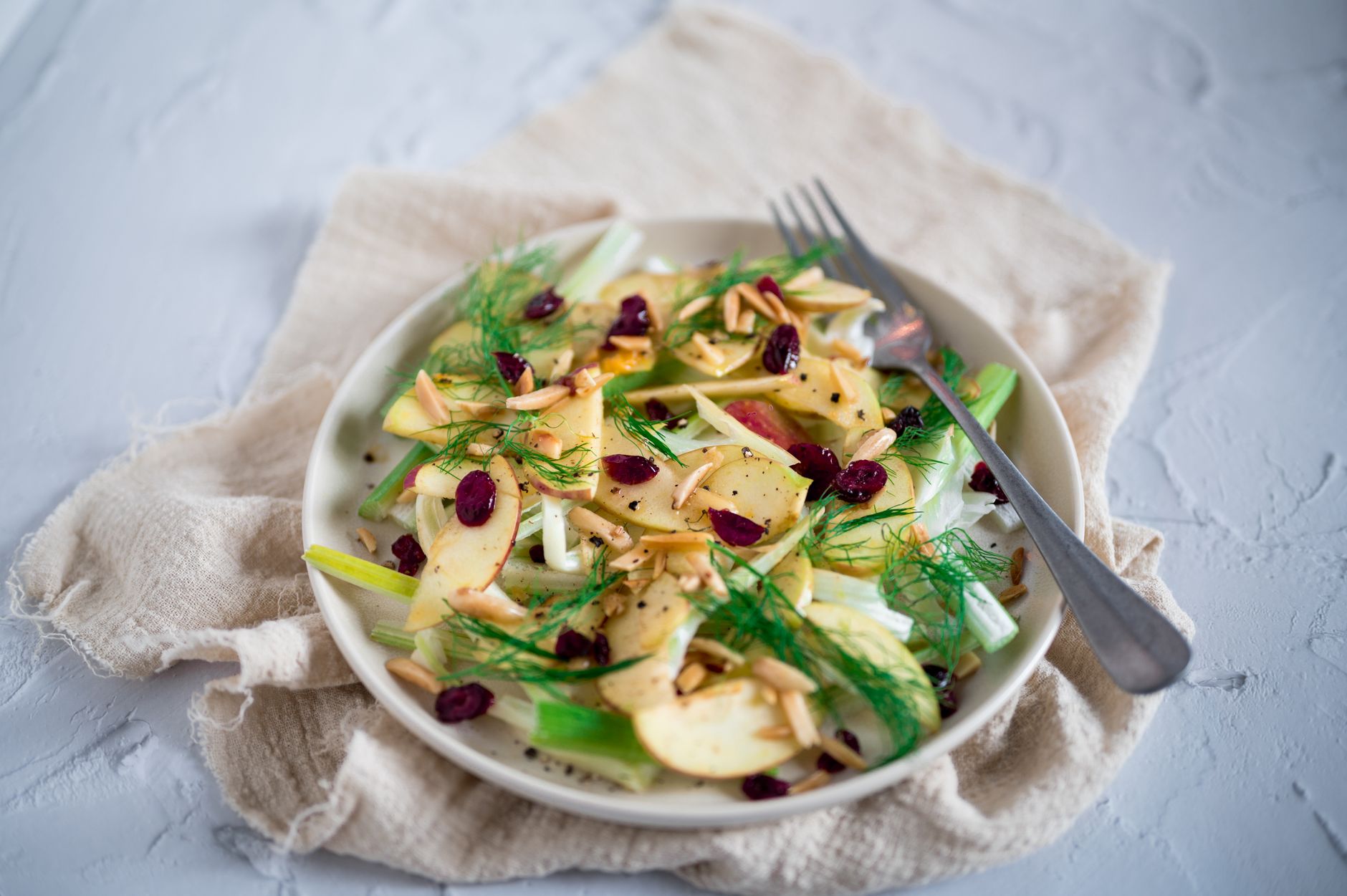
Try a refreshing fennel and orange salad combining thinly sliced bulb, citrus segments, olive oil, and a pinch of salt. Or prepare baked fennel gratin by layering roasted slices with cream and cheese for a comforting dish. These are excellent ways to enjoy fennels mild licorice notes without complicated techniques.

How to incorporate fennel fronds and stalks in meals
Using fronds as herbs or garnishes: tips and tricks
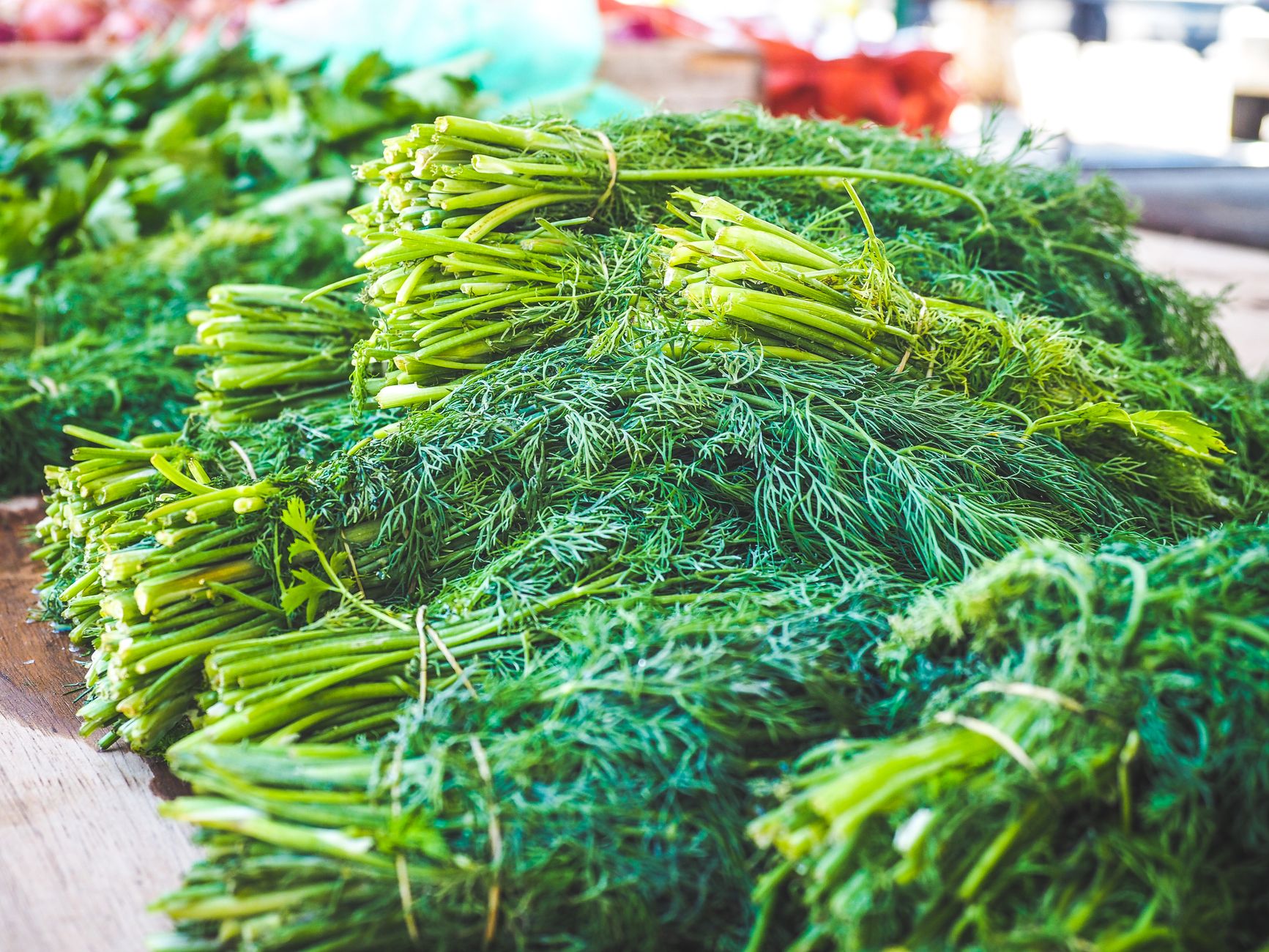
Fennel fronds are flavorful and decorative, making them ideal for scattered garnishes on soups, fish dishes, or salads. Chop finely and mix into herb blends or dressings for a subtle anise aroma. Their bright green color livens up plates and contributes fresh herbal notes.
Stalks do well cooked slowly in stocks or braises, adding underlying sweetness. They can also be finely chopped into stuffing or grain-based side dishes for texture variation.
Fennel seeds uses in cooking and beyond
How to toast and grind fennel seeds for recipes
Toasting fennel seeds intensifies their flavor. Heat a dry pan over medium, add seeds, and toss for 23 minutes until fragrant and slightly darker. Cool before grinding with a mortar and pestle or spice grinder to create a powder. Ground fennel seeds enhance marinades, spice rubs, and baked goods.
Common dishes and beverages featuring fennel seeds
Fennel seeds appear in Middle Eastern and South Asian cooking, from curries and chutneys to bread. They also flavor traditional beverages like Indian saunf (fennel seed mouth fresheners) and herbal teas known for aiding digestion. Adding them whole or ground to dishes provides a sweet-spicy balance.
Fennel Nutrition and Health Benefits
What nutrients does fennel provide?
According to the USDA FoodData Central, 100 grams of raw fennel bulb contains about 31 calories, 1.2 grams of protein, 3.1 grams of fiber, 15% daily value (DV) of vitamin C, and smaller amounts of potassium, calcium, and magnesium. Fennel seeds are nutrient-dense, rich in iron, manganese, and essential oils.
What are the top fennel health benefits supported by research?
Fennel traditionally supports digestion by relaxing gastrointestinal muscles and reducing bloating. Studies demonstrate its anti-inflammatory and antioxidant components, such as anethole, can help lower oxidative stress. The fiber content aids healthy bowel function. Some research points to fennel seed extracts improving mild menopausal symptoms, though more evidence is needed.
Are there any risks or side effects of consuming fennel?
Fennel is generally safe for most people when part of a balanced diet. However, those allergic to carrots or celery might react. Pregnant or breastfeeding women should consult healthcare providers before consuming fennel supplements, since high doses could have adverse effects. Also, fennel contains compounds that may interact with medications such as anticoagulants. Moderation is key.

Using and Storing Fennel
How to select fresh fennel at the store
Look for firm, bright white bulbs free of blemishes or softness. Stalks should snap easily and feel crisp, not wilted. Fronds must appear fresh, bright green, and fragrant. Avoid bulbs with brown spots or black marks, which indicate age or spoilage. Certified Halal vendors ensure cleanliness and appropriate handling, which is important for some shoppers.
Best ways to store fennel to maintain freshness
Whole fennel bulbs keep well wrapped in plastic in the fridge for 57 days. Remove stalks before storage to prolong shelf life. Store fennel seeds in airtight containers in a cool, dark cupboard for up to one year. For longer preservation, freeze cleaned and blanched fennel bulbs for up to 3 months. Fronds can be chopped and frozen in ice cube trays with water or oil for later use.
Lesser-Known Fennel Uses
Fennel in herbal remedies and teas
Fennel tea is a popular remedy for digestive discomfort. Steep 1 teaspoon of crushed fennel seeds in 1 cup of boiling water for 57 minutes. This mild, sweet tea can soothe indigestion and reduce gas. Traditionally, its used for colic relief in infants and appetite stimulation.
Fennel for breath freshening and natural care
Chewing whole fennel seeds after meals freshens breath and helps digestion. Homemade mouth rinses with fennel extract provide a natural alternative to harsh chemicals. You can also find fennel oil in some natural remedies for its antimicrobial properties.
Fennel in beauty and skincare routines
Although anecdotal, some use fennel essential oil diluted in carrier oils for skin toning and anti-aging due to its antioxidant profile. However, caution is advised: always patch-test to avoid irritation and consult a dermatologist before topical use.
Healthy foods to gain weight
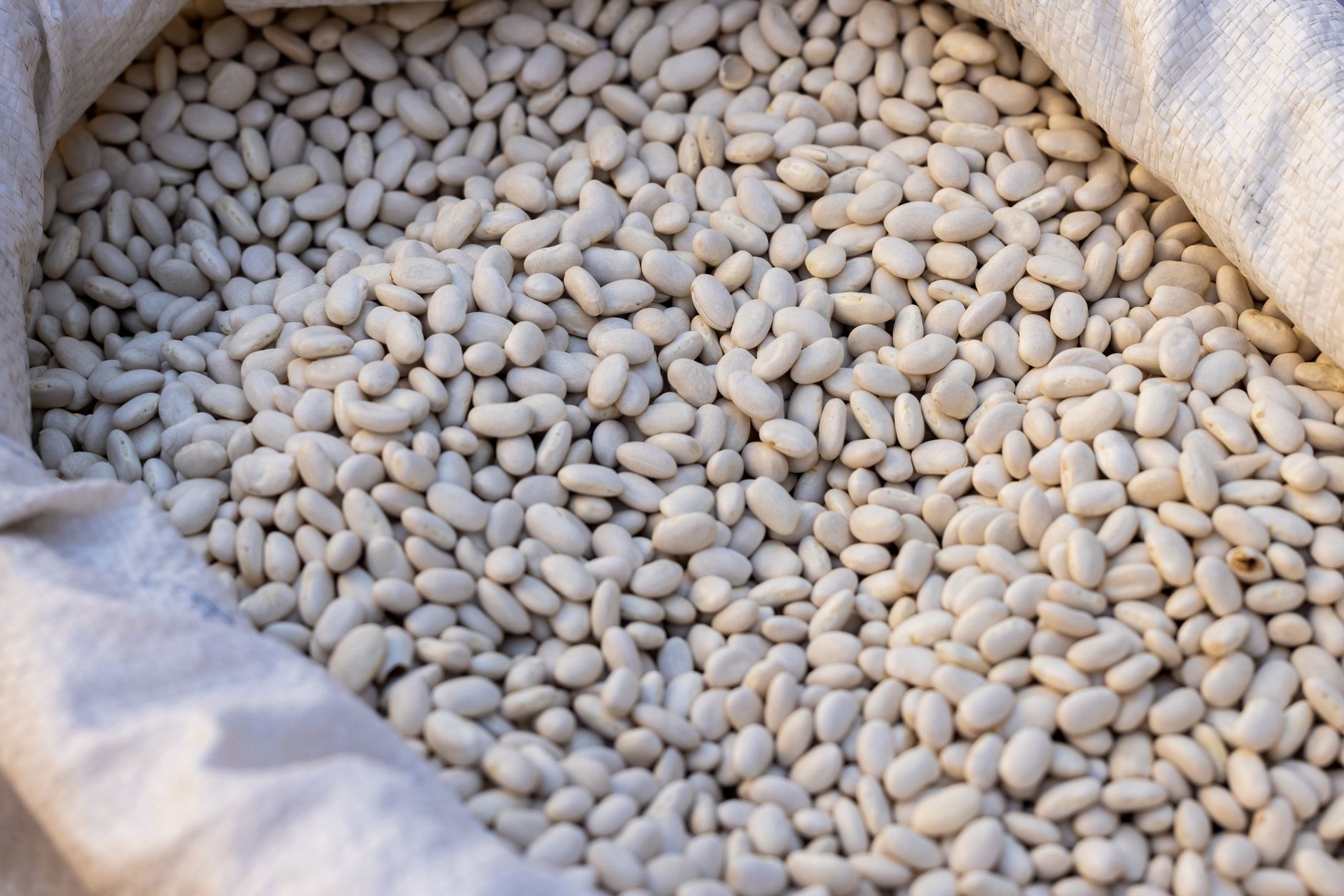
When paired with nutrient-rich ingredients, fennel can complement diets aimed at gaining weight in a healthy manner. Its fiber helps digestion when you increase calorie intake with wholesome foods.
Best foods for diabetics
Fennels low glycemic index and fiber content make it a suitable addition to meals designed for blood sugar management, especially when combined with balanced meal plans.
Is fennel actually Halal what should I check?
Fennel itself is a plant and inherently Halal. However, for processed products containing fennel seeds or extracts, look for certifications from trusted bodies like JAKIM, HMC, or IFANCA. These logos confirm that the product complies with Halal standards, including no cross-contamination.
When is the best time to eat or drink fennel?
Fennel can be enjoyed fresh or cooked any time of day, but drinking fennel tea after meals helps digestion most effectively. Adding fennel seeds to evening meals may reduce bloating and support restful nights.
Can I eat fennel every day?
Consuming moderate amounts of fennel daily is safe for most people. However, consuming large quantities, especially fennel seeds or supplements, should be done cautiously. Variety in your diet is always healthier.
Does fennel seed tea have side effects?
Fennel tea is generally safe in customary amounts. Some may experience allergic reactions or hormonal effects if consumed excessively. Pregnant or nursing women should consult their doctor first.
How long does fresh fennel last after buying?
Properly refrigerated fennel bulbs last 57 days. Fronds will wilt faster, within 23 days. Store fennel seeds in airtight conditions for up to a year.
What are common flavor pairings with fennel?
Fennel pairs beautifully with citrus fruits, olive oil, garlic, tomatoes, seafood, and poultry. It also complements spices like cumin, coriander, and chili flakes.
Can I substitute fennel seeds for anise in recipes?
You can substitute fennel seeds for anise if needed, but note that fennel is slightly milder and sweeter. Adjust the quantity to taste, usually starting with equal amounts.
Pro Tips for Using Fennel
- When cooking fennel bulb, slice uniformly for even cooking and flavor absorption.
- Toast fennel seeds just until fragrant; over-toasting brings bitterness.
- Use fennel fronds generously to freshen flavors and add bright color.
- For herbal tea, crushing seeds before steeping releases more essential oils.
- Buying fresh fennel with Halal certification guarantees quality and safety.
More You Might Like
Explore nutritious options with our healthy foods to gain weight guide.
If managing blood sugar is your goal, check out our tips on the best foods for diabetics.
Conclusion
Fennel uses are wide-ranging, from fresh ingredients in Halal cooking to herbal teas promoting digestive health. Its flavorful bulb, aromatic seeds, and bright fronds add unique touches to meals and wellness routines. Next time you shop, look for fresh, certified fennel bulbs and experiment with its many culinary and health applications your taste buds and body will thank you. Feel free to share your own fennel recipes or tips in the comments below!
FAQs
Is Fennel uses actually Halal — what should I check on the label?
Fennel as a plant is inherently Halal. For processed fennel products, verify certification from credible bodies like JAKIM, HMC, or IFANCA to ensure compliance with Halal standards and no cross-contamination.
When is the best time to eat or drink Fennel uses?
Fennel can be enjoyed any time of day, but drinking fennel tea after meals is especially beneficial for digestion and reducing bloating, helping promote restful nights.
How long does fresh fennel last after buying?
Fresh fennel bulbs last about 5–7 days in the refrigerator when stored properly. Fronds wilt quicker within 2–3 days, while fennel seeds can stay fresh for up to a year in airtight containers.
Can I substitute fennel seeds for anise in recipes?
Yes, fennel seeds can replace anise seeds but are milder and sweeter. Start with equal amounts and adjust to taste, as the flavor intensity differs between the two spices.
Is it safe to consume fennel every day?
Moderate daily intake of fennel is generally safe for most people. However, high doses of fennel seeds or supplements should be consumed cautiously, especially by pregnant or breastfeeding women, and those on certain medications.