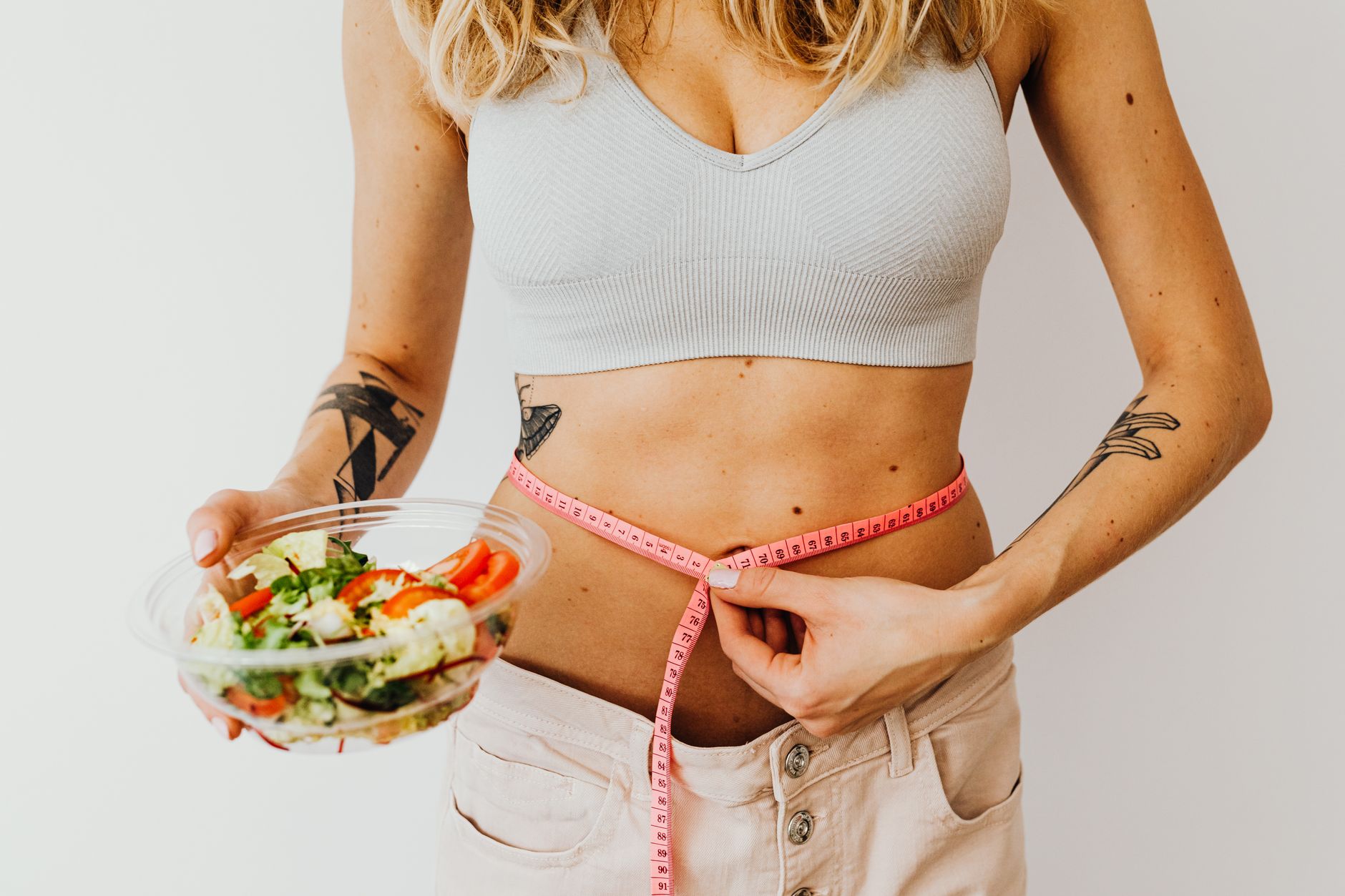
Hey, have you ever felt tangled up in the maze of diets, calorie counting, and all those quick fixes that promise the world but then leave you feeling more confused than ever? Yeah, me too. The thing about whole food weight loss isits simpler than it sounds, and honestly, its more about getting back to basics than about overcomplicated rules.
Heres the deal: you dont need to starve yourself, buy fancy powders, or avoid every snack forever. Losing weight with whole foods is about eating real, honest-to-goodness foodvegetables, fruits, lean meats, whole grainsand letting that do the heavy lifting. Sound refreshing? Stick with me here; I promise youre going to walk away with clear, doable steps.
What Whole Food Weight Loss Means
So, what exactly is whole food weight loss? Its a way of eating that prioritizes foods in their natural statethink fresh veggies, fruits, nuts, seeds, whole grains, and minimally processed proteins. No sneaky additives, no artificial stuff, and certainly no mystery ingredients. The magic? These foods tend to fill you up with fewer calories, which helps naturally manage your weight.
Unlike diets that focus only on cutting calories or specific food groups, whole food weight loss is about the quality of calories as much as the quantity. Foods packed with fiber, water, and nutrients keep your hunger at bay while giving your body what it really needs. Thats the kind of balance that makes this approach not just effective but sustainable.
Why Whole Foods Beat Processed Options
Lets get realprocessed foods are engineered to be hyper-palatable, meaning they often make you want more, even when youre already full. Ever noticed how a bag of chips disappears faster than you expect? Whole foods, in contrast, take a bit more chewing and digestion, triggering your brains full signals just right.
This means your whole food weight loss plan isnt just about eating lessits about eating smarter. You get to enjoy more satisfying meals without feeling deprived. Thats a win-win if you ask me.
Key Foods for Whole Food Weight Loss
Alright, now the juicy partwhat kind of foods should you invite to your plate? Heres a friendly rundown of the stars of the show:
Vegetables and Fruits
These guys are your best friends. Theyre packed with fiber, vitamins, minerals, and waterall the stuff that helps you feel fuller longer. Think leafy greens like spinach, kale, and romaine, plus colorful vegetables like bell peppers, carrots, and broccoli. Fruit? You bet! Apples, berries, orangesthe natural sweetness doubles as a treat.
Protein Sources
Protein is a must for your weight loss journeywhy? Its the most filling macronutrient and helps keep your muscles strong while you lose fat. Lean meats like chicken breast, fish, eggs, and dairy (if youre into cheese or yogurt) are solid choices. Not into animal products? No worries. Legumes like lentils and beans are fantastic plant-based proteins.
Whole Grains and Legumes
These give you lasting energy and fiber. Brown rice, quinoa, oats, barley, and beans are all great. Whole grains have a slower digestion speed, which means you stay fueled and satisfied without the afternoon slump.
Healthy Fats
Dont shy away from fatstheyre essential! Nuts, seeds, avocado, and olive oil deliver heart-healthy fats that support both your brain and your mood. Plus, fats help slow digestion, keeping hunger at bay.
Hydration and Beverages
Water should be your go-to drink; its calorie-free and helps with fullness. Try to avoid sugary beverages or drinking calories without realizing it. If you fancy tea or coffee, keep it simpleskip loading them with cream and sugar.
A Realistic Day of Eating Whole Foods
Wondering what a day of whole food weight loss looks like in practice? Heres a sneak peek, so you dont feel lost staring at your fridge.
Breakfast
Start with something satisfying like scrambled eggs with spinach and tomatoes, plus a slice of whole grain toast. Or if youre more into sweet, maybe oatmeal topped with berries and a pinch of nuts.
Lunch
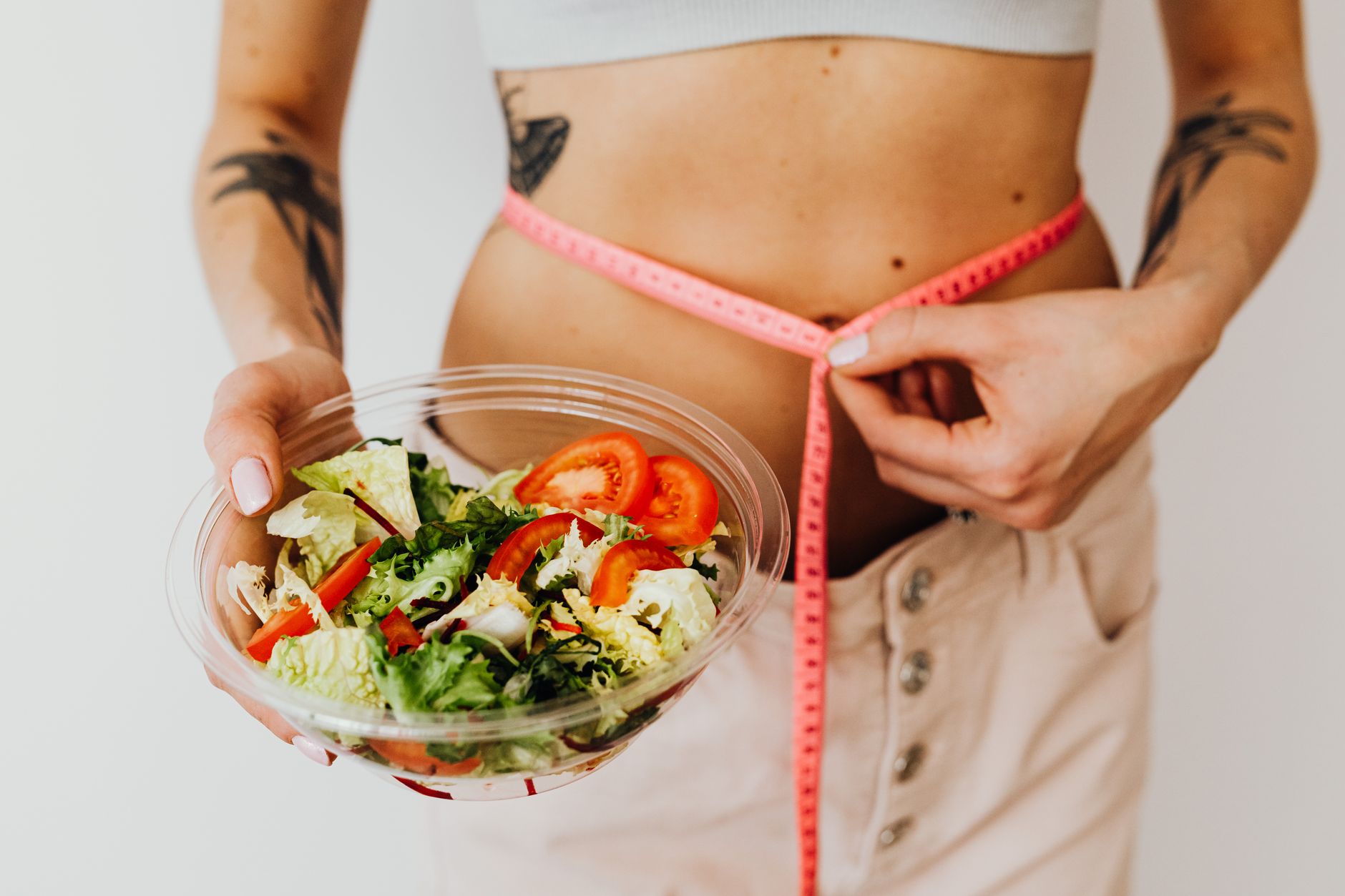
A big salad with mixed greens, grilled chicken, lots of colorful veggies, chickpeas, and a drizzle of olive oil and lemon for dressing. Filling, fresh, and energizing.
Dinner
How about baked salmon (or tofu), roasted broccoli, and quinoa? Balanced, nourishing, and leaves you feeling goodnot bloated or stuffed.
Snacks
Keep them simple and wholelike an apple with a handful of almonds or Greek yogurt with sliced strawberries.
How to Personalize Your Plan
One of the nicer parts about whole food weight loss is how easily you can tweak it to fit your life. Whether youre vegetarian, avoiding dairy, or loving a keto approach, whole foods give you plenty of wiggle room.
Estimating Portions Without Stress
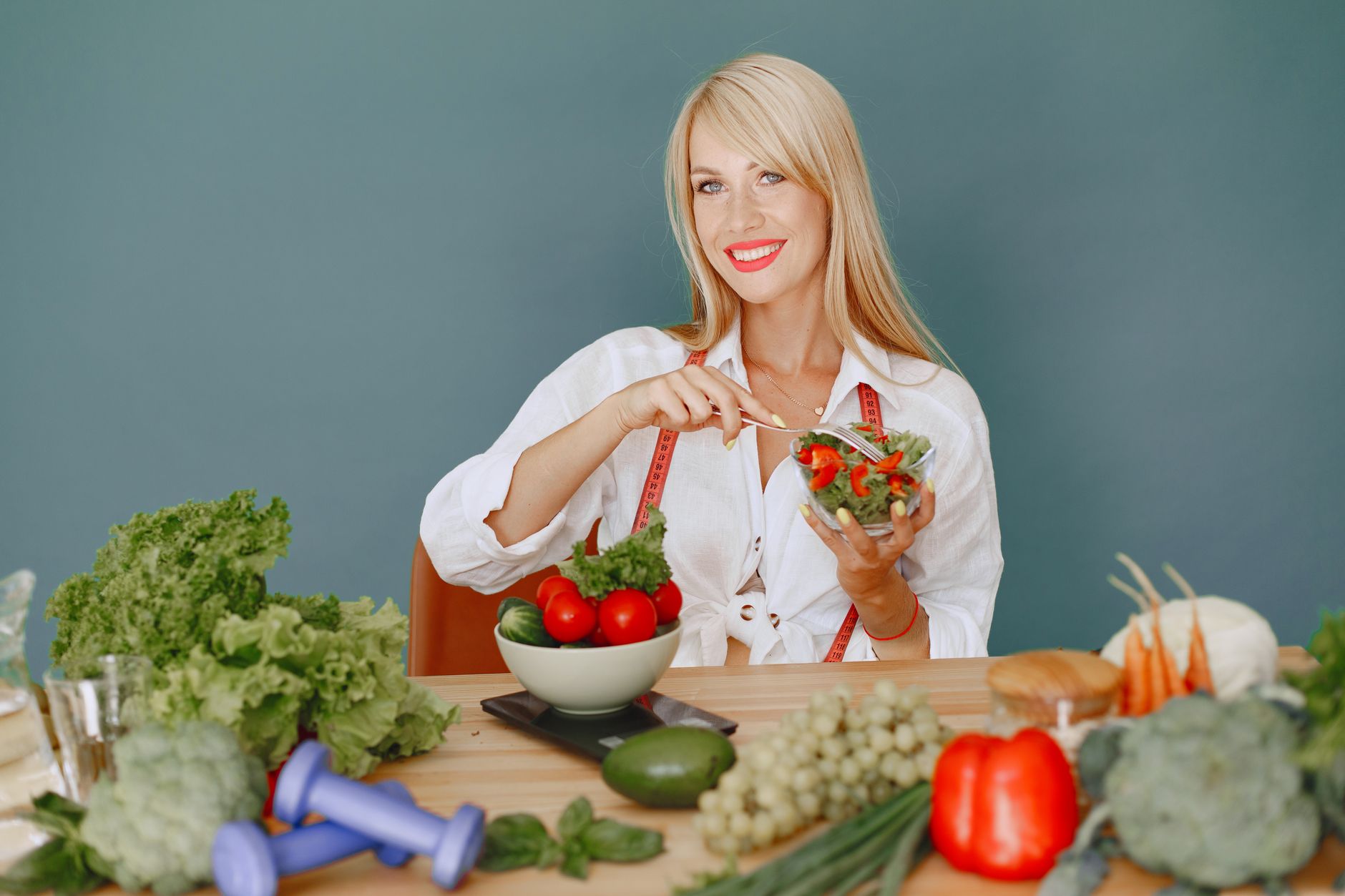
Forget obsessing over every calorie. Use simple tools for nowlike the hand-portion method (protein the size of your palm, veggies as much as you want, a fist-sized portion of whole grains). If you want more precision, try a Weight loss calculator to get a ballpark calorie range and adjust how you eat from there.
Adjusting for Activity Levels
Moving your body regularly, whether its walking, yoga, or lifting weights, means your whole food plan might need a bit more fuelespecially protein and complex carbs.
Balancing Benefits and Risks
Look, nothings perfectwhole food weight loss might sound all sunshine and rainbows, but you need to watch out for a couple of things. Yes, whole foods are fantastic, but if you get too rigidcutting out all less healthy options or obsessing over perfectionyou could set yourself up for frustration and burnout.
Also, while some people jump on the low-calorie bandwagon and think they should avoid nutrient-dense fats or starches, that often backfires. The key is balance, variety, and listening to your own bodys hunger and fullness signals.
Getting Started: Your Simple Whole Foods Kickoff
Feeling pumped yet? Starting a whole food weight loss plan is easier when you take it step-by-step:
- Week 1: Focus on adding more veggies and fruits across your meals. Don't worry about cutting anything out just yet.
- Week 2: Swap ultra-processed snacks for whole food snacks like nuts, seeds, or fresh fruit.
- Week 3: Build your meals around protein + fiber-rich plants and whole grains.
- Week 4 and beyond: Tune your portions and try new recipes that fit your preferences.
Remember, slow and steady usually wins the race when it comes to sustainable weight loss.
Helpful Tools and Resources
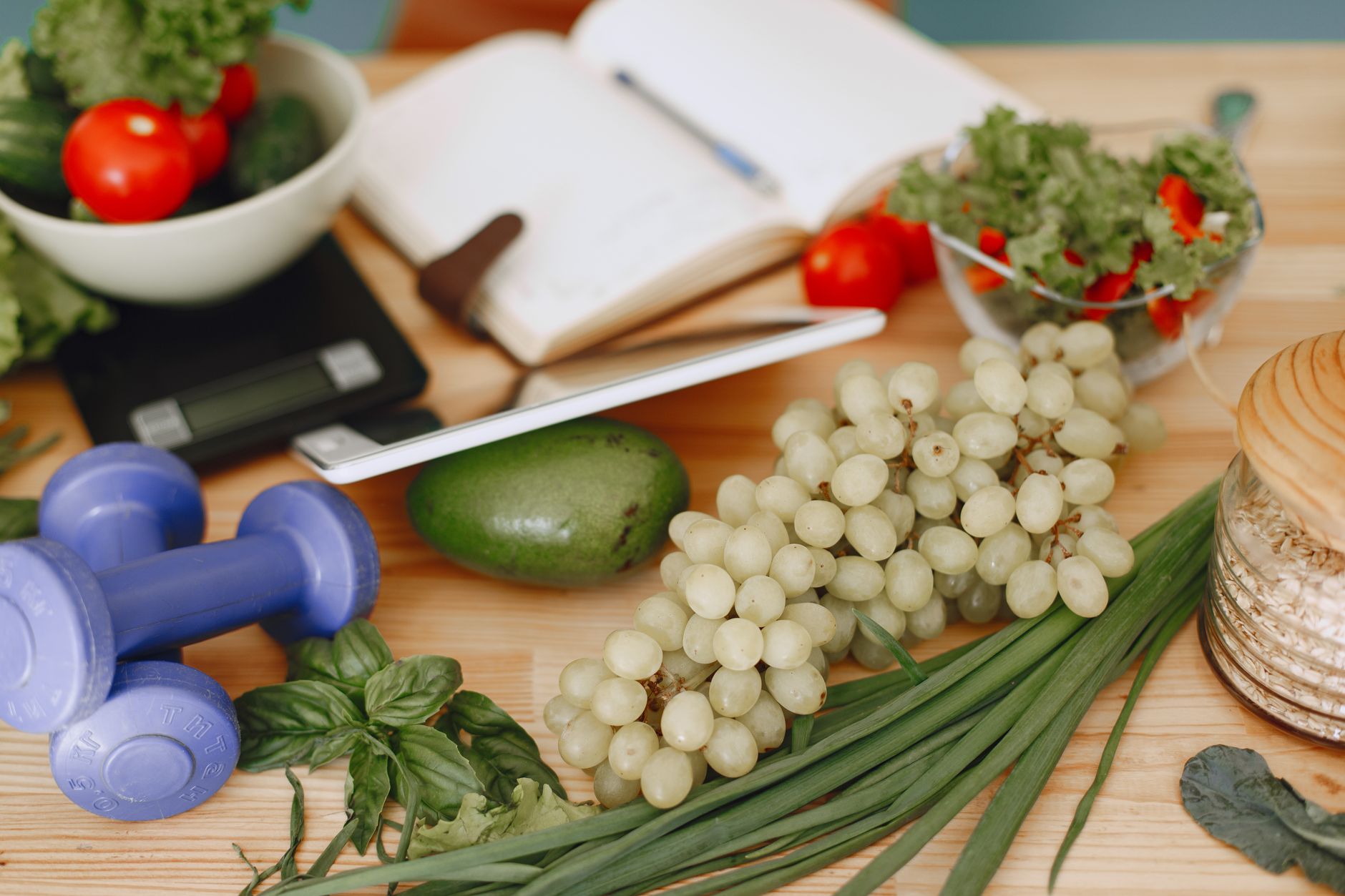
To make life easier, consider preparing a grocery list before shopping. Stick mostly to the perimeter of the store where fresh produce, meats, and dairy sityou can often avoid most of the processed middle aisles.
If tracking your progress feels motivating, keep it simple. A journal with notes on how you feel after meals, your hunger levels, or energy is gold for tuning your plan.
Also, if you want to dive deeper, check out this great guide on Food weight loss which shares excellent whole food choices aligned with your goals.
A Friendly Reminder on Trust and Balance
I want you to feel this journey is doable and enjoyable, not a punishment or a race against time. Real life happenssometimes we eat cake, sometimes we eat salads, and both are okay in their place. No perfect here, just progress.
Studies have shown simply eating more meals rich in fiber and protein, like those found in whole foods, encourages fullness and helps control weight without the misery of hunger pangs (Mayo Clinic, 2024). Plus, it feels way better to eat food thats as close as possible to natural form.
If you ever feel stuck or frustrated, remember that sustainable whole food weight loss is about being kind to yourself and finding that sweet spot where eating well fits your life perfectly.
Wrapping Up Your Whole Food Weight Loss Journey
Youve got what you need now: a clear, practical eating plan thats about real food, real satisfaction, and real balance. No gimmicks, no rules that dont fit you. I encourage you to start slow, experiment with flavors and textures, and focus on how eating whole foods makes you feel inside and out.
Whats one small change you can make today? Swap a processed snack for a handful of nuts? Or add an extra veggie to your plate? Let me know how it goes!
FAQs
What is whole food weight loss?
Whole food weight loss emphasizes eating minimally processed, natural foods such as fruits, vegetables, whole grains, and lean proteins to support healthy, sustainable weight loss.
Can I lose weight without counting calories using whole foods?
Yes, whole food weight loss focuses more on food quality and satiety rather than strict calorie counting, helping you feel full and naturally reduce intake.
Are processed foods allowed in a whole food weight loss plan?
Processed foods are generally limited since whole food weight loss prioritizes natural, nutrient-dense foods that help control hunger and provide better nutrition.
How do I customize a whole food weight loss plan for my lifestyle?
You can adjust portion sizes, protein sources, and food choices to fit preferences, dietary restrictions, and activity levels while sticking mostly to whole foods.
Is it okay to include healthy fats when trying to lose weight with whole foods?
Yes, healthy fats like nuts, seeds, avocado, and olive oil are important for satiety, mood, and overall health and should be included in moderation.