Hey therepull up a chair. If youve ever stood in front of the fridge wondering, What should I eat to feel better, have more energy, and not overthink every meal? youre in the right place. I wrote this friendly, practical list of healthy foods to help you make smarter, kinder choices for your body without the overwhelm. Think of it as a trustworthy guide from a friend whos tried a few things, learned a lot, and genuinely wants you to enjoy the ride.
Whole Grains
Whole grains are like the dependable roommates of your diet: steady, nourishing, and they quietly make life better. Swap refined grains (white bread, white rice) for whole options to boost fiber, B vitamins, and lasting energy. Try brown rice, quinoa, oats, bulgur, and farro.
Quick tip: overnight oats or a simple quinoa salad can be lifesavers on busy morningsboth keep you full and focused for hours.
Lean Proteins
Protein doesnt have to be complicated. Lean proteins build and repair tissues, help you stay satiated, and support immune health. Think chicken breast, turkey, lean cuts of beef, and fish like salmon or cod. If youre exploring plant-forward choices, beans, lentils, and tofu are excellent. Want to see a broader range of options? Check out this helpful list for What are foods high in protein.
Colorful Fruits and Vegetables
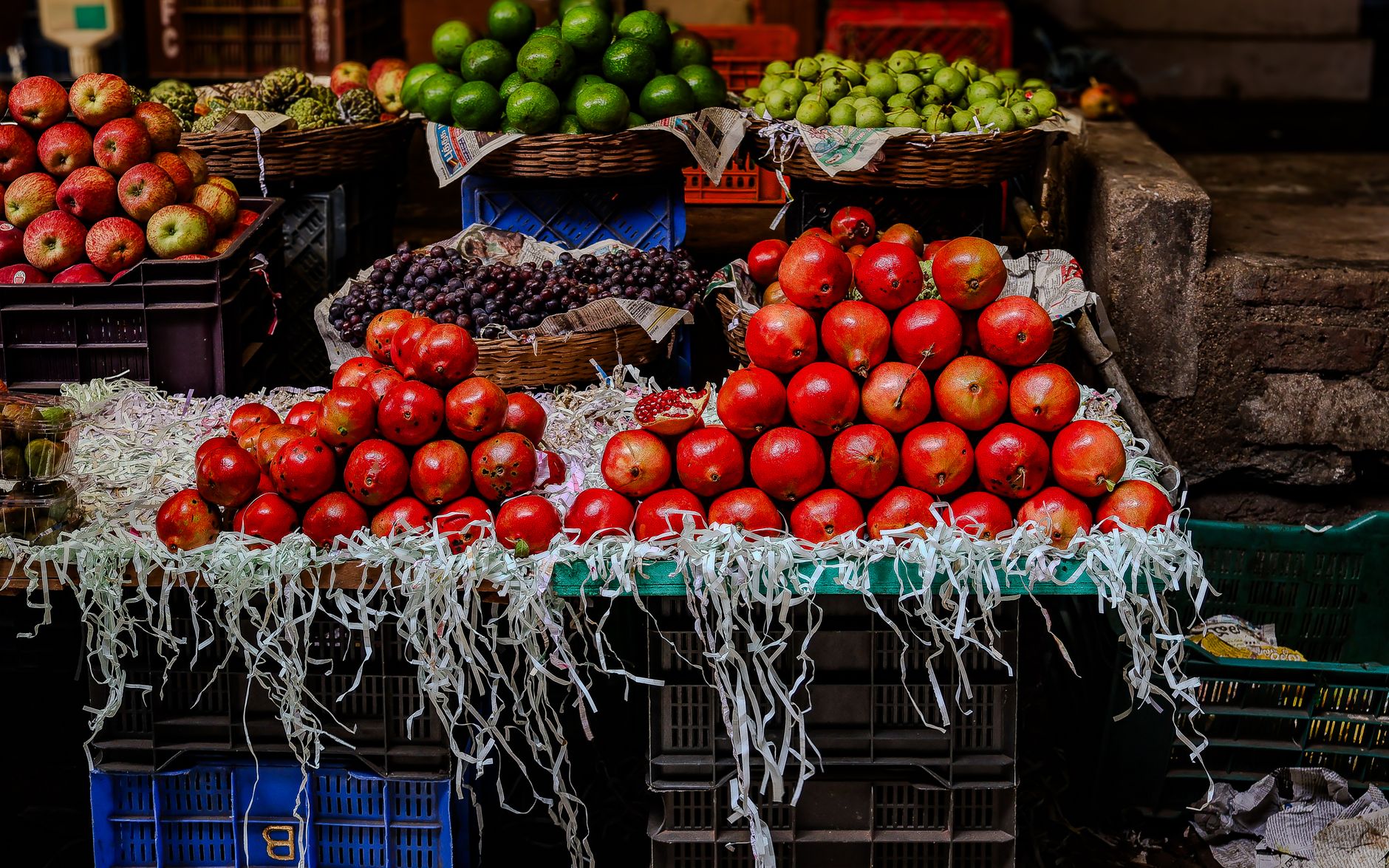
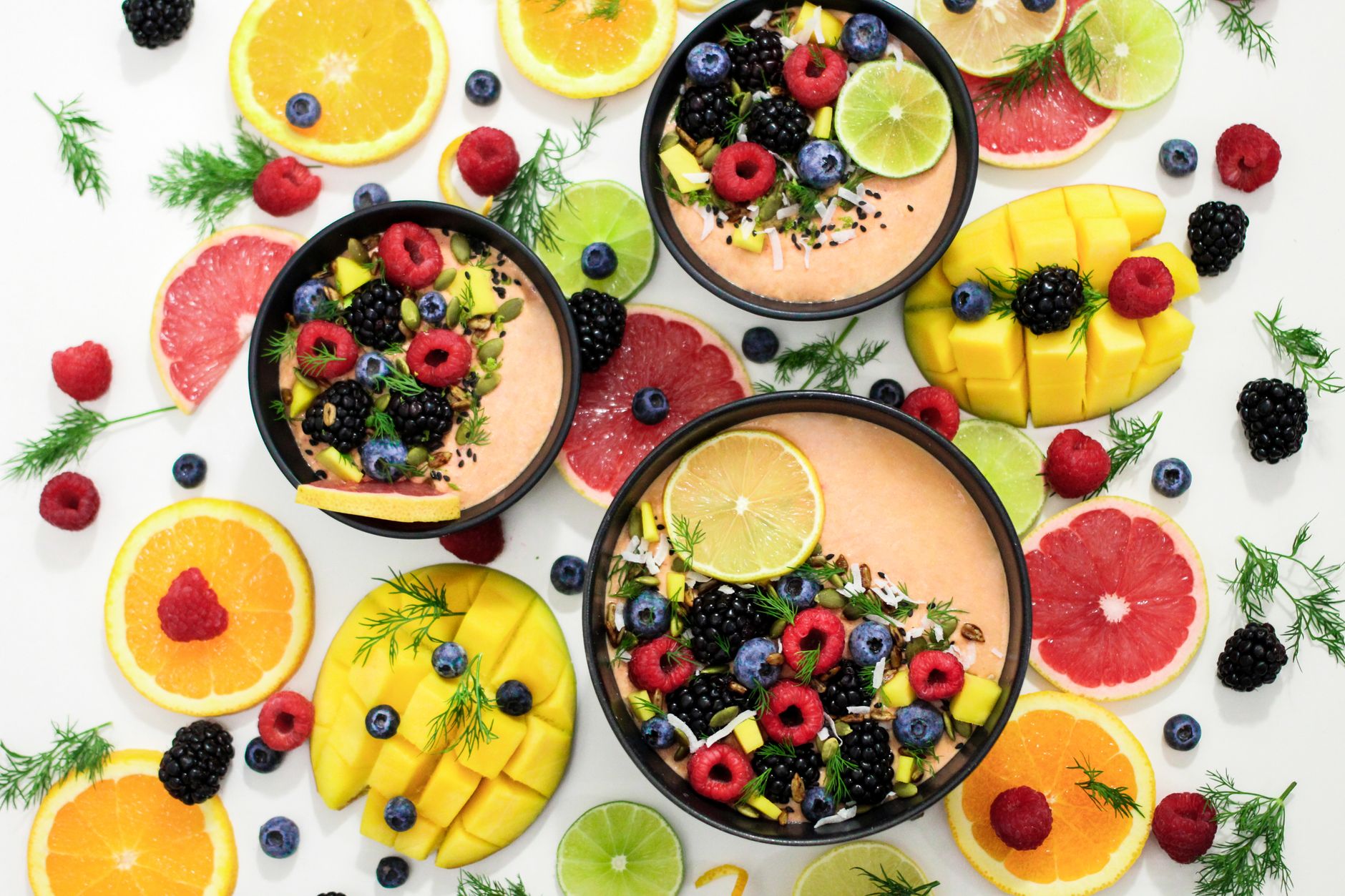
This is where food gets joyful. Bright, colorful produce brings vitamins, minerals, antioxidants, and fiber to your plate. Aim for a rainbow across your week: leafy greens like spinach and kale, cruciferous veggies like broccoli and Brussels sprouts, and fruits such as berries, apples, oranges, and bananas.
Remember: frozen fruits and veggies are just as nutritious and often more convenient (and cheaper) than fresh. Theyre perfect for smoothies, stir-fries, or a quick roasted side.
Healthy Fats
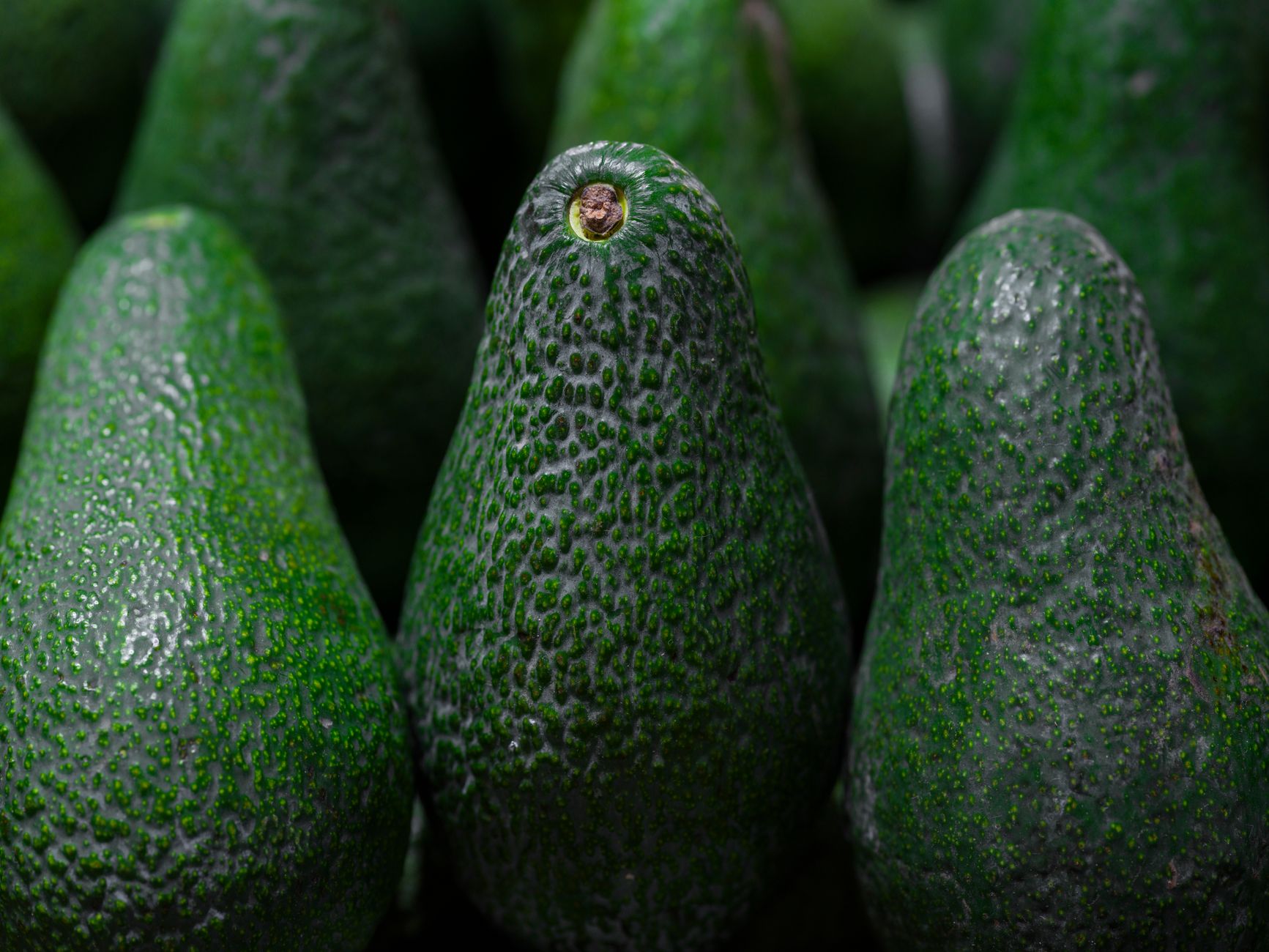
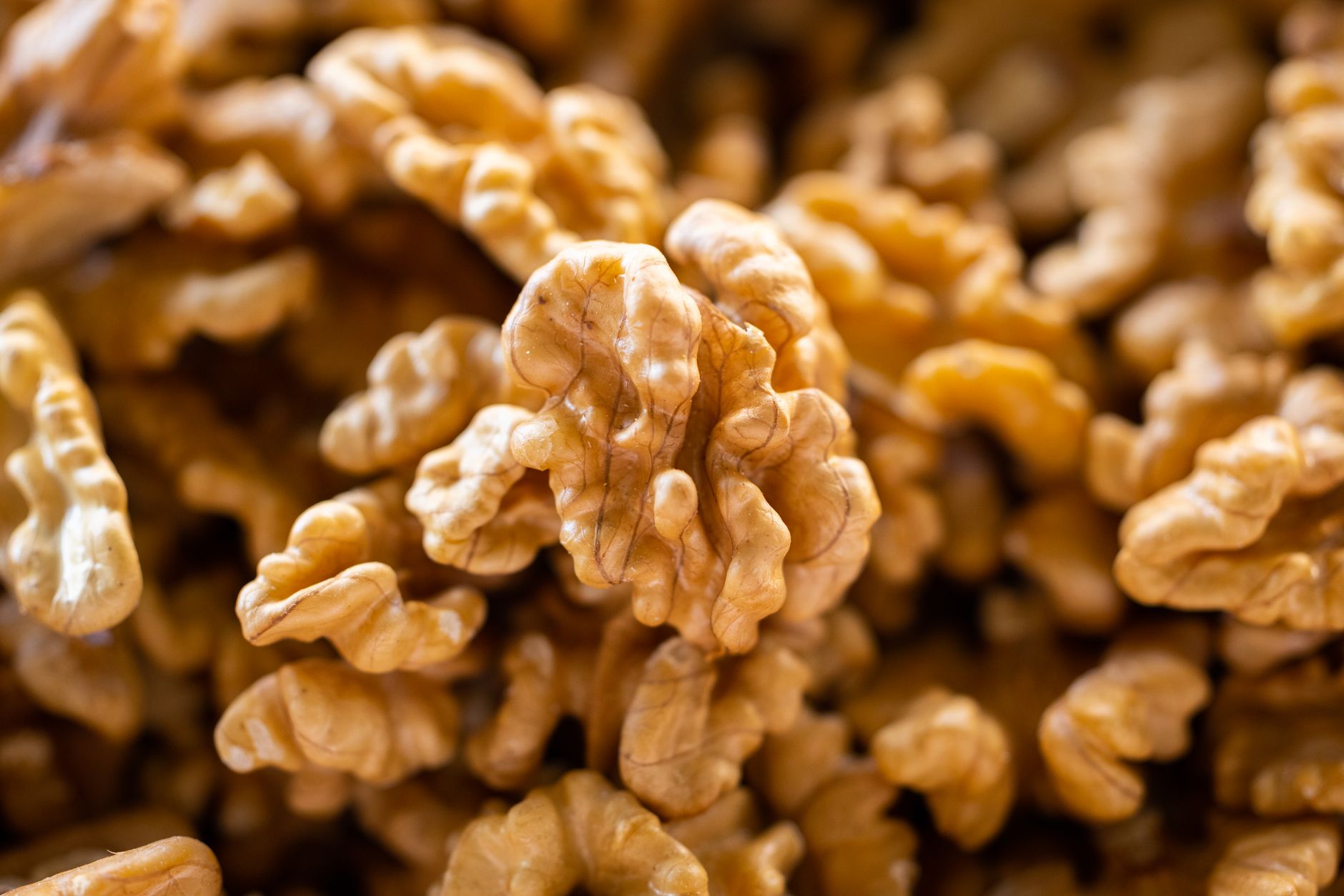
Yesfat is your friend. Healthy fats support brain function, nutrient absorption, and keep you feeling satisfied. Focus on sources like avocados, nuts (almonds, walnuts), seeds (chia, flax, pumpkin), and olive oil. Fatty fish like salmon and mackerel provide heart-healthy omega-3s as well.
Fun idea: drizzle olive oil and lemon over roasted veggies or mash avocado with a squeeze of lime for a simple, delicious spread.
Dairy and Dairy Alternatives
Whether you enjoy traditional dairy or prefer plant alternatives, these foods offer calcium, vitamin D (when fortified), and protein. Choose options like Greek yogurt, kefir, and moderately portioned cheese. For plant-based alternatives, look for fortified milks (almond, soy, oat) that list calcium and vitamin D on the label.
Nuts, Seeds, and Legumes
Nuts and seeds are tiny powerhousespacked with healthy fats, protein, and fiber. Legumes (beans, chickpeas, lentils) are wallet-friendly protein sources that keep you full and stabilize blood sugar.
If youre trying to build more plant-based meals, you might enjoy reading about Plant based foods high in protein to spark ideas.
Herbs, Spices, and Natural Flavorings
Seasoning your food well makes healthy eating exciting instead of boring. Fresh herbs (basil, cilantro, parsley), spices (turmeric, cumin, paprika), garlic, lemon, and vinegars add flavor without excess calories. When meals taste good, youre far more likely to stick with them.
Smart Snacks
Weve all been theremid-afternoon energy slump, open pantry, decisions to be made. Choose snacks that combine protein, fiber, and healthy fats: Greek yogurt with berries, apple slices with almond butter, hummus and carrot sticks, or a small handful of mixed nuts. These options steady your blood sugar and curb cravings.
Hydration Helpers
Water is often overlooked, but its foundational. Herbal teas, sparkling water with a splash of citrus, and water-rich fruits like watermelon can help keep hydration interesting. If youre active or the weathers hot, dont forget to replenish electrolytes naturallycoconut water and homemade salty lemonades work great.
Practical Weekly Grocery List
Heres a simple list you can bring to the store. Its meant to be flexiblepick what you like and build meals you enjoy:
- Whole grains: oats, brown rice, quinoa
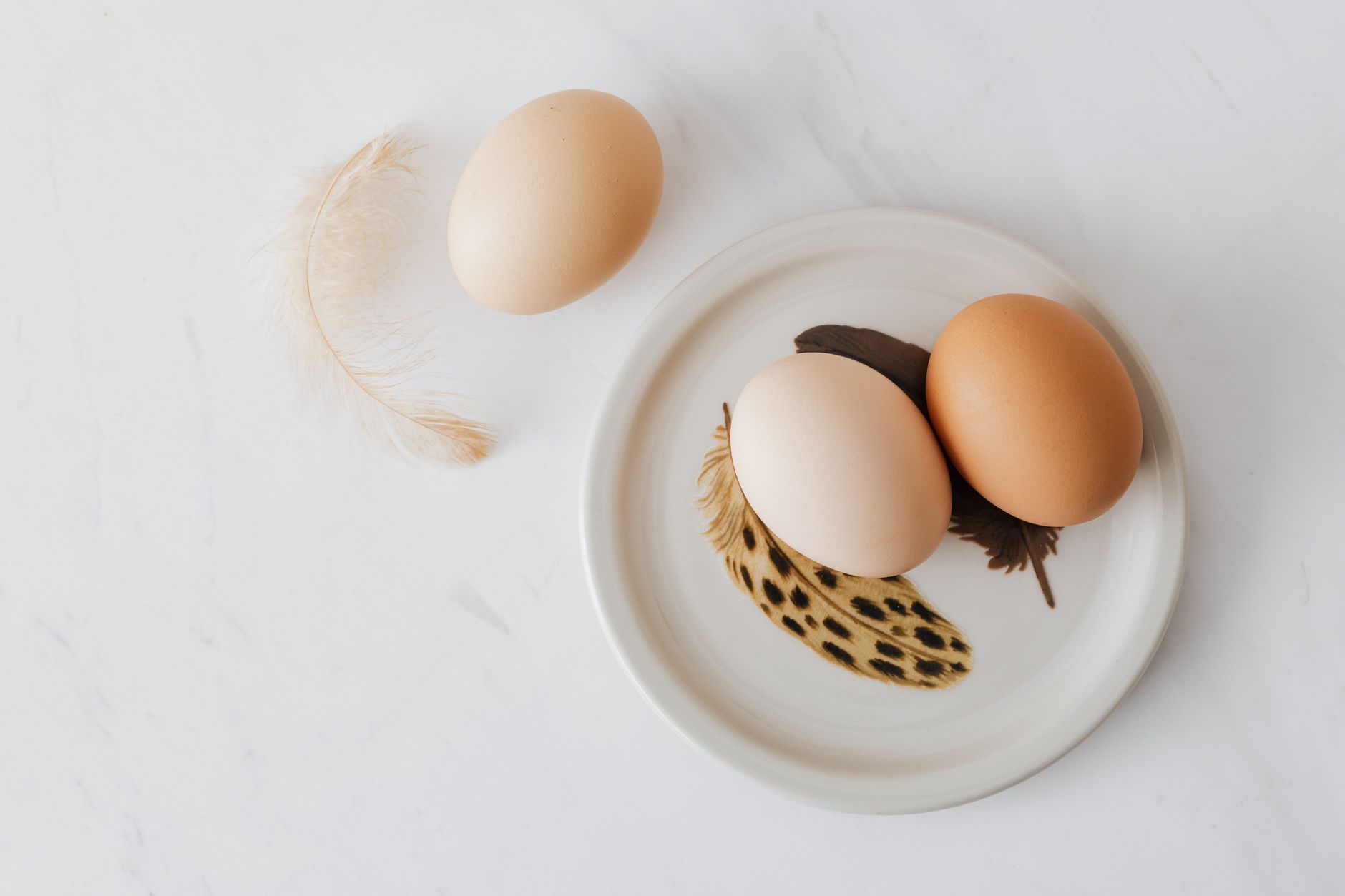
- Lean proteins: chicken breast, canned tuna, eggs
- Plant proteins: beans, lentils, tofu
- Fruits: berries, apples, bananas, citrus
- Vegetables: spinach, bell peppers, broccoli, carrots
- Healthy fats: avocados, olive oil, nuts, seeds
- Dairy or alternatives: Greek yogurt, fortified almond milk
- Flavor boosters: garlic, herbs, spices, citrus
Easy Meal Ideas to Start With
If the thought of meal planning makes you yawn, try these simple combos that taste great and are nutritious:
- Oatmeal with berries, chia seeds, and a drizzle of honey.
- Quinoa bowl with roasted veggies, chickpeas, avocado, and lemon-tahini dressing.
- Grilled salmon with brown rice and steamed broccoli.
- Stir-fry with tofu, mixed veggies, and a garlic-ginger soy sauce over farro.
- Greek yogurt parfait layered with granola and fruit.
Small Swaps, Big Gains
You dont have to change everything overnight. Small swaps add up. Try swapping white rice for brown, choosing whole-grain bread, or snacking on nuts instead of chips. Even swapping sugary drinks for water or unsweetened iced tea makes a massive difference over time.
Balancing Pleasure and Nutrition
Heres something Ill say as kindly as possible: food isnt just fuel. Its comfort, culture, celebration, and sometimes pure joy. The secret is balance. Aim for mostly nourishing foods, but leave room for treats you love. That combination is sustainable and kinder to your mental health than strict rules ever will be.
Protein-Focused Resources
If protein is your focuswhether for muscle, satiety, weight management, or simply curiositythere are great resources that dive deeper. For example, if you want lean, lower-calorie options, consider exploring a Foods high in protein and low in calories guide. And if affordability matters (it often does), you might like the tips in Cheap foods high in protein.
Putting It Together: A Weekly Plan Example
Heres a gentle, realistic template you can adapt. Its not about perfectionjust rhythm.
- Breakfast: Oats with fruit and nuts or Greek yogurt with granola.
- Lunch: Grain bowl with veggies, a protein (chickpeas or chicken), and a simple dressing.
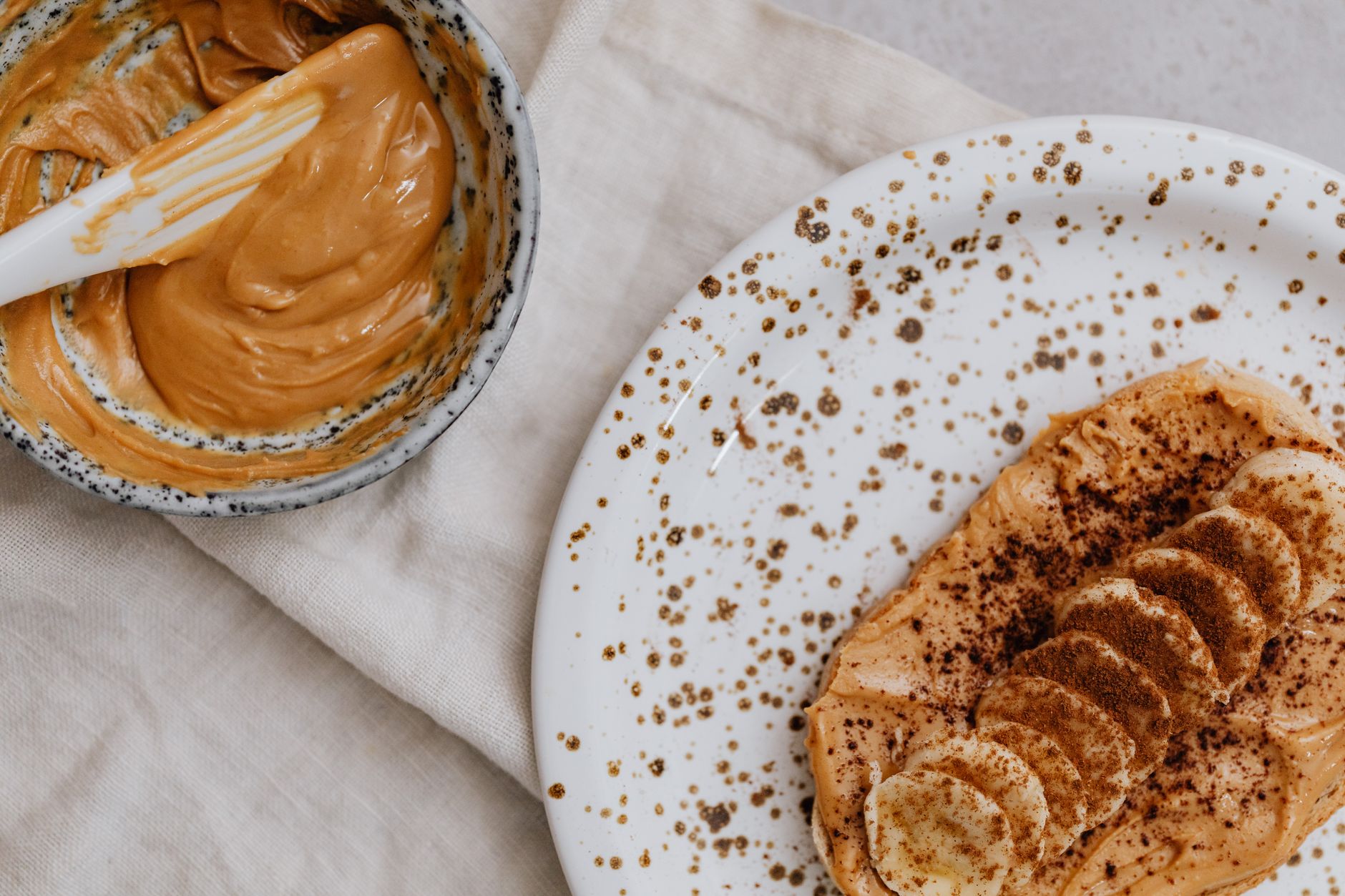
- Snack: Apple with peanut butter or carrot sticks and hummus.
- Dinner: Baked fish or tofu, a whole grain, and a big plate of roasted veggies.
- Hydration: Sipping water throughout the day; herbal tea in the evening.
Sticking With It: Motivation and Mindset
Motivation comes and goesdont let that trip you up. Build gentle systems: batch-cook on weekends, keep healthy snacks visible, and set one small goal each week (like eat one extra serving of vegetables daily). Celebrate winseven the tiny onesand be kind when life derails you. Progress, not perfection, always.
When to Ask for Help
If youre dealing with specific health conditions, dietary restrictions, or confusing symptoms, reach out to a registered dietitian or healthcare provider. They can tailor recommendations to your needs. And if youre trying to lose weight, gain muscle, or manage a medical issue, personalized guidance is worth its weight in gold.
Parting Thoughts
Choosing a list of healthy foods doesnt need to be a chore or a moral test. It can be a joyful experiment in discovering what makes you feel vibrant, rested, and alive. Start small, be curious, and remember: food is one of lifes greatest pleasuresso let it nourish you and delight you at the same time.
Whats one new healthy food youll try this week? Share your pick with someone, give it a whirl, and see how you feel. And if you want more protein ideas or quick lists for specific goals, Ive linked a few helpful resources above to get you inspiredhappy cooking!
FAQs
What counts as a list of healthy foods?
A varied mix of whole grains, lean proteins, colorful fruits and vegetables, healthy fats, dairy or alternatives, nuts/seeds/legumes, herbs and spices, smart snacks, and hydration.
How can I start using this list in meals?
Begin by choosing one item from each category, batch-cook on weekends, and build simple, balanced meals and snacks.
Are frozen fruits and vegetables as nutritious as fresh?
Yes. Frozen produce is often picked at peak ripeness and frozen quickly, preserving nutrients and saving time.
What about snacks and staying hydrated?
Choose snacks that combine protein and fiber (like yogurt with berries or hummus with veggies) and aim for steady hydration throughout the day with water or herbal tea.
Who should I talk to for tailored guidance?
A registered dietitian or healthcare provider can customize recommendations for your health needs and goals.