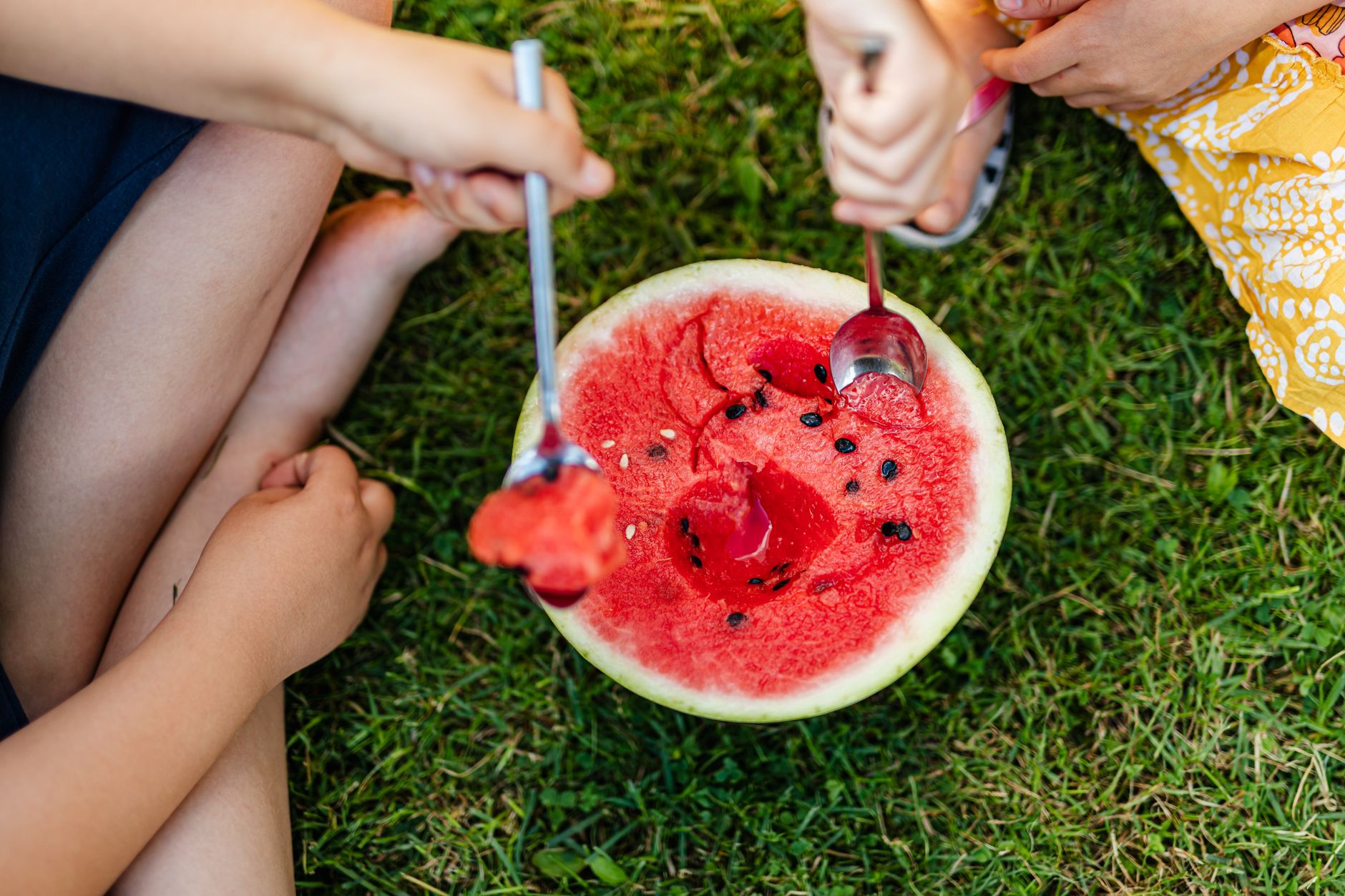
Wondering if its safe and healthy to eat watermelon seeds? The simple answer is yesyou can eat watermelon seeds, and you might even want to. Far from being just a pesky part of summer fruit, watermelon seeds bring surprising nutritional benefits and versatile uses. Before you toss those seeds aside, discover what makes them a wholesome snack option and how you can prepare them safely and deliciously.
Seed Edibility Facts
Are watermelon seeds edible?
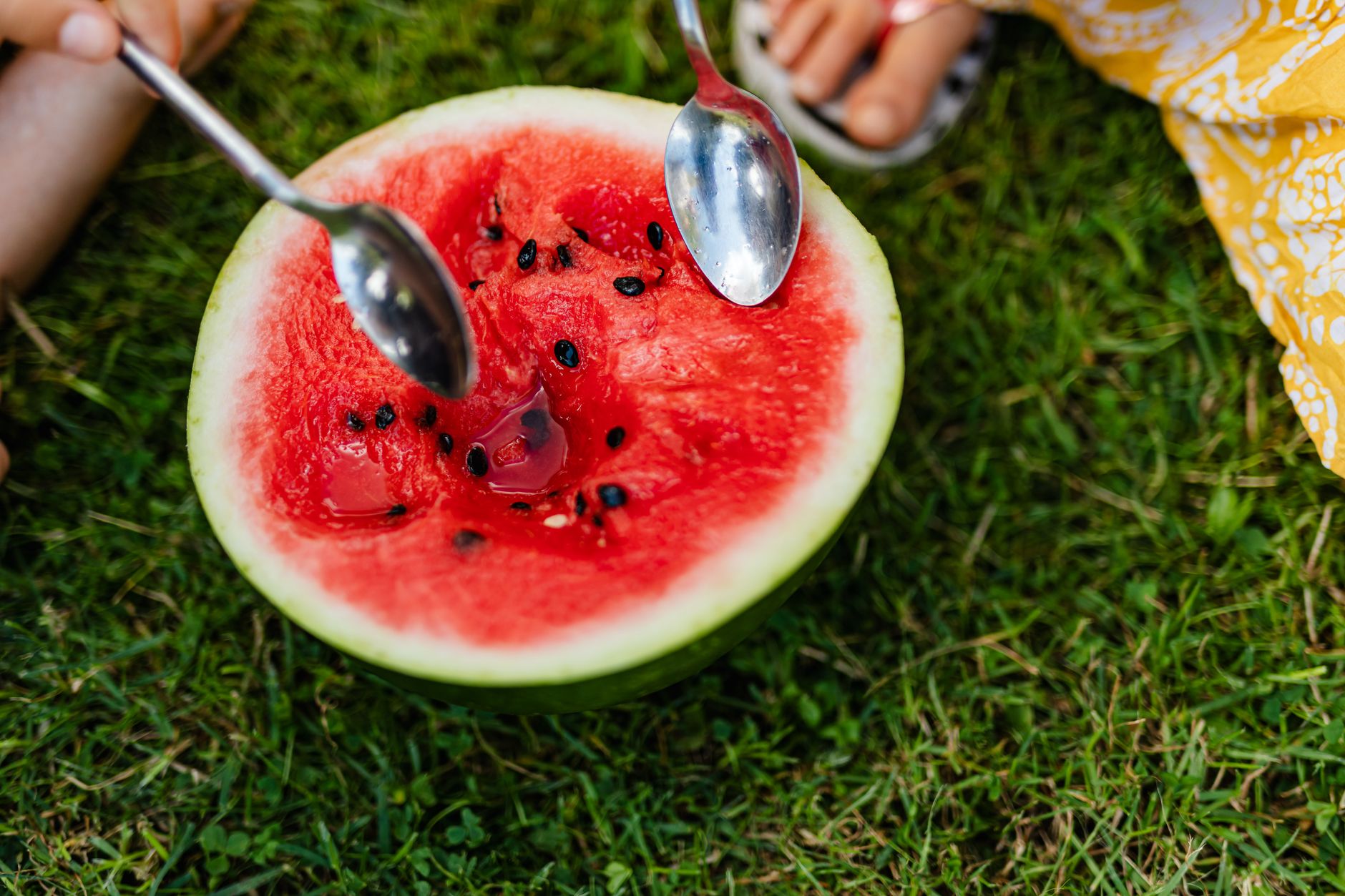
Yes, watermelon seeds are completely edible. Many people believe swallowing watermelon seeds can cause problems like sprouting in your stomach, but thats just a myth. In fact, in many cultures, watermelon seeds are consumed regularly, either raw, roasted, or incorporated into dishes. Eating them raw is safe if you chew them well, but you can also roast them to improve flavor and digestibility.
Can you eat watermelon seeds safely?
Eating watermelon seeds is safe for most people when done properly. The main concern is the potential choking hazard for small children or swallowing whole seeds without chewing. When seeds are chewed, your digestive system can easily handle them. For young kids or those with digestive issues, moderation and preparation help avoid discomfort. Cooking or roasting seeds also breaks down some tough components, making them easier on your stomach.
How watermelon seeds compare to other fruit seeds in edibility
Unlike apple seeds, which contain small amounts of cyanide compounds, watermelon seeds lack toxic substancesmaking them safer for regular consumption. Tomato seeds and cucumber seeds are also commonly eaten without problems. Watermelon seeds stand out for their nutrient density and versatility, easily fitting into snacking or cooking routines.
Nutritional Benefits
What nutrients do watermelon seeds contain?
Watermelon seeds are small but packed with nutrition. According to the USDA FoodData Central, a 100-gram serving of dried watermelon seeds contains around 556 calories, 51 grams of protein, 47 grams of fats (mostly healthy fats), along with magnesium, iron, zinc, folate, and copper. They offer a rich source of plant-based protein and minerals that support overall health.
| Nutrient | Amount per 100g |
|---|---|
| Protein | 51 g |
| Fat (mostly unsaturated) | 47 g |
| Magnesium | 515 mg |
| Iron | 7.3 mg |
| Zinc | 10.3 mg |
What are the health benefits of watermelon seeds?
Eating watermelon seeds supports heart health thanks to their healthy fats and magnesium content. Magnesium helps regulate blood pressure and supports muscle and nerve function. The iron and zinc help boost immunity and promote wound healing. Additionally, their protein fuels muscles and metabolism. Antioxidants found in the seeds may reduce inflammation, helping you feel energized and balanced.
In cultures where watermelon seeds are popular snacks, people benefit from their nutrient density, often substituting them for less healthy snack options. If you want to boost your intake of foods high in protein, watermelon seeds deserve serious consideration.
Real-world nutritional insights
Studies on pumpkin and watermelon seed extracts highlight their anti-inflammatory and antioxidant properties. Traditional diets in Africa and Asia often roast seeds and use them as nutritious additives to mealsconfirming their versatility and long-standing acceptance. These traditions help validate watermelon seeds as a wholesome addition to your diet.
Preparation Methods
Can you eat watermelon seeds raw?
Raw watermelon seeds are edible but have a tough texture and slightly bitter taste that may not appeal to everyone. They can be eaten straight from the fruit if well-chewed, but raw seeds may pass through the digestive system mostly undigested, limiting nutrient absorption.
Best ways to prepare watermelon seeds for consumption
Roasting your watermelon seeds is a popular method that enhances flavor, makes them crunchy, and improves digestibility. Heres how you can roast them at home:
- Preheat your oven to 120C (250F).
- Rinse the seeds to remove fruit residue and pat dry.
- Toss seeds with a teaspoon of olive oil and a pinch of salt or your favorite seasoning.
- Spread seeds evenly on a baking sheet.
- Roast for 15 to 20 minutes, stirring halfway through for even cooking.
- Cool before enjoying as a snack or adding to salads and dishes.
Sprouting watermelon seeds is another nutritious option, boosting enzyme content and nutrient bioavailability. Soaking seeds in water for 8-12 hours triggers germination. After sprouting, rinse and consume raw or lightly roast for tenderness and taste.
You can also grind roasted watermelon seeds into a powder to sprinkle on smoothies or yogurt, adding a mild nutty flavor and nutrition. For an adventurous snack, try seasoning them with a touch of smoked paprika or cinnamon sugar.
Flavor suggestions
Popular seasoning combos include sea salt and black pepper for savory bites or cinnamon and honey for a sweet twist. Mix and match herbs like rosemary or chili flakes to suit your snack style.
Risks and Considerations
Are there any risks eating watermelon seeds?
Watermelon seeds generally pose minimal risk. However, allergies are possible, especially for individuals sensitive to seeds or nuts. Some people might experience mild digestive discomfort, like bloating or gas, when eating large quantities. Seeds are calorie-dense, so overeating could affect your calorie intake balance.
When should you avoid eating watermelon seeds?
Young children under 4 years should avoid them due to choking hazards. If you have digestive conditions such as diverticulitis or irritable bowel syndrome (IBS), consult your healthcare provider before adding seeds regularly to your diet. People who have seed allergies or intolerances should exercise caution or avoid altogether.
Balancing benefits and risks
The key is moderation and proper preparation. Chew seeds thoroughly or roast them to ease digestion. Incorporate them into your diet gradually, starting with small portions, to monitor any adverse effects. When sourced from quality Halal-certified producers, watermelon seeds align well with health-conscious and Halal lifestyles. Always look for certifications like JAKIM or HMC if purchasing packaged seeds.
Common Questions
Will eating watermelon seeds cause a stomach ache or digestive problems?
Most people tolerate watermelon seeds well when eaten in moderation and properly chewed or roasted. Eating large amounts of raw seeds might cause mild discomfort if your digestive system isnt used to fibrous foods. To reduce any risk, start with small portions and try roasting seeds, which makes them easier to digest.
How many watermelon seeds can you safely eat?
Consuming about 1 to 2 tablespoons (around 15-30 grams) of roasted watermelon seeds daily is generally safe and nutritious for most adults. This amount provides beneficial protein and minerals without excessive calories. Always adjust portion size according to your dietary needs and digestive tolerance.
Can watermelon seeds help with weight loss?
Watermelon seeds can support weight loss as part of a balanced diet because theyre rich in protein and healthy fats, which increase satiety. However, they are calorie-dense, so eating them excessively can add unwanted calories. Combining watermelon seeds with other vegan foods high in protein helps create a fulfilling and nutritious meal plan.
Are watermelon seeds Halal?
Watermelon seeds are naturally plant-based and Halal by default. When purchasing packaged seeds, check for Halal certification symbols such as JAKIM (Malaysia), HMC (UK), or IFANCA (USA) to ensure proper handling and processing according to Islamic dietary rules.
How long can roasted watermelon seeds be stored?
Once roasted and cooled, watermelon seeds keep fresh in an airtight container for 2 to 3 weeks at room temperature. Storing them in the refrigerator extends shelf life to 3 months. Make sure containers are sealed tightly to prevent moisture absorption and rancidity.
Can watermelon seeds be sprouted for eating?
Yes, sprouting watermelon seeds is a great way to improve digestibility and nutrient availability. Soak the seeds overnight (8-12 hours), rinse, and keep them moist in a warm environment until small sprouts appear, usually 2-3 days. Sprouted seeds can be eaten raw or lightly sauted.
What do roasted watermelon seeds taste like?
Roasted watermelon seeds have a nutty, slightly earthy flavor with a crunchy texture. Seasonings ranging from salty to spicy or sweet can enhance their taste and make them a satisfying snack alternative to traditional nuts or chips.
Expert Tips for Enjoying Watermelon Seeds
- Dont rush roastinglow and slow at 120C ensures even crispiness without burning.
- Experiment with flavor profiles like zaatar or sumac for a Middle Eastern twist.
- Combine watermelon seeds with other nuts and seeds for a nutrient-rich trail mix.
- Choose seeds from reputable suppliers who offer Halal certification to guarantee quality and compliance with dietary laws.
More You Might Like
If youre exploring plant proteins beyond watermelon seeds, check out our detailed list on what are foods high in protein. For a plant-based diet, discover tasty vegan foods high in protein that fit perfectly into Halal lifestyles.

Conclusion
Eating watermelon seeds is a safe, nutritious choice that many overlook. Whether raw, roasted, or sprouted, these seeds offer a handy boost of protein, healthy fats, and minerals. Next time you enjoy fresh watermelon, save the seeds for a tasty and healthful snack option. Try roasting them at home and share your favorite seasoning ideas to explore this humble seeds full potential.
FAQs
Is eat watermelon seeds actually Halal — what should I check on the label?
Yes, watermelon seeds are naturally Halal since they are plant-based. When buying packaged seeds, look for Halal certification symbols like JAKIM, HMC, or IFANCA to ensure they comply with Islamic dietary laws and proper handling.
How long can roasted watermelon seeds be stored after opening?
Roasted watermelon seeds can be kept fresh for 2 to 3 weeks at room temperature in an airtight container. Refrigerating them can extend their shelf life up to 3 months by preventing moisture and rancidity.
What is the difference between watermelon seeds and other common fruit seeds?
Unlike apple seeds, which contain toxic compounds, watermelon seeds are non-toxic and rich in protein and minerals. They are similar to cucumber and tomato seeds in edibility but stand out for their nutrient density and versatile uses.
How many watermelon seeds can you safely eat daily?
Consuming 1 to 2 tablespoons (around 15-30 grams) of roasted watermelon seeds per day is safe and nutritious for most adults. Start with small portions and chew thoroughly to avoid digestive discomfort.
Where can I buy quality watermelon seeds for consumption?
You can buy quality watermelon seeds from health food stores, specialty markets, or online retailers. For Halal options, check products from certified suppliers with JAKIM, HMC, or IFANCA logos to ensure compliance with dietary standards.