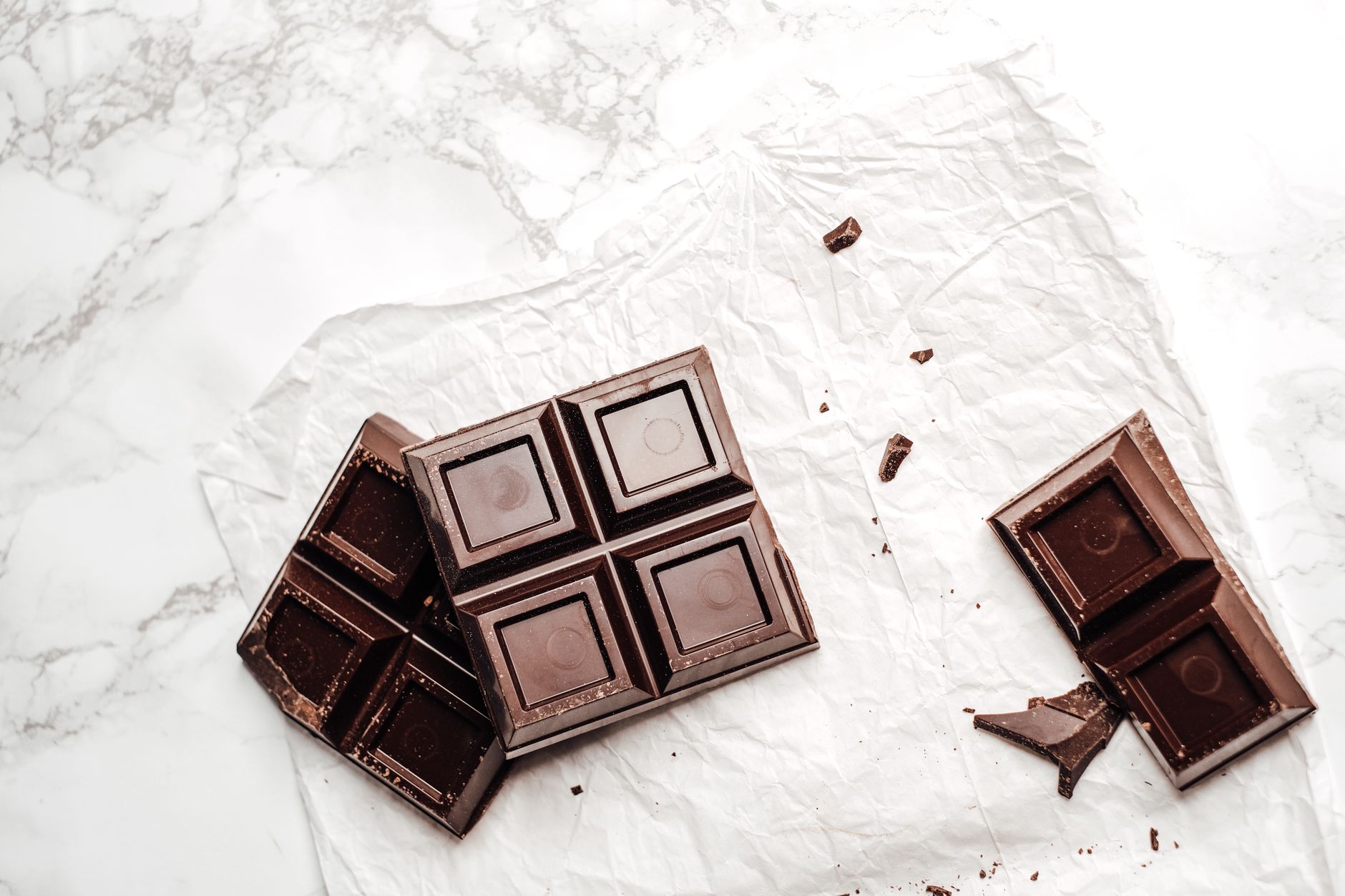
Dark chocolate bars have long been a tempting treat, blending rich flavor with potential health perks. But with so many options lining grocery shelves, which ones truly deserve a spot in your shopping basket? This guide unpacks store-bought dark chocolate bars, from those to skip to the best picks worth your money. Knowing how to spot quality and Halal certification will help you enjoy decadent chocolate that fits your lifestyle and health goals.
Ranking Methodology
Criteria for Ranking Dark Chocolate Bars
Our approach starts with careful consideration of several factors. First, cocoa content and bean quality take center stage, as they influence flavor complexity and nutritional benefits. We also consider taste and texturedoes the bar balance bitterness and sweetness with a smooth finish? Ingredient transparency matters, especially avoiding artificial additives or questionable fillers. Price and availability guide practical choices, focusing on brands easily found in grocery stores. Finally, ethical concerns like fair trade and organic certifications help distinguish responsible products.
Why Store-Bought Quality Matters
Store-bought dark chocolate bars vary widely. Though convenient and accessible, many are laden with sugar or contain unclear ingredient sourcing. Choosing better options supports health without sacrificing flavor or ethics. Nutritionists highlight dark chocolates antioxidants and mood-lifting effects when chosen thoughtfully and consumed in moderation. Selecting Halal-certified bars, as defined by JAKIM or IFANCA, also ensures the product aligns with dietary guidelines, providing peace of mind beyond taste.
Worst Store-Bought Dark Chocolate Bars
Common Pitfalls in Low-Quality Bars
Some dark chocolates disappoint despite their tempting packaging. Excess sugar and unpronounceable additives frequently mask low cocoa content. Artificial flavorings or preservatives can dull the genuine chocolate experience. Often, these bars lack transparent sourcing or ethical certifications. This combination can lead to a product that tastes flat, lacks health benefits, and doesnt meet Halal standards.
Brands to Approach With Caution
- Popular supermarket generic brands with dark labeling but under 40% cocoa
- Bars containing hydrogenated oils or artificial vanilla
- Low-cost brands lacking fair trade or organic certification logos
- Chocolates with heavy sugar content exceeding 40 grams per 100 grams
Choosing these bars often means sacrificing both taste and nutritional value.
Mid-Tier Dark Chocolate Bars
Balanced Flavors and Cocoa Levels
Mid-range dark chocolate bars typically contain 6070% cocoa, offering moderate bitterness with a hint of sweetness. They appeal to many who prefer smoother chocolate without overwhelming intensity. However, some brands may include added sugars or soy lecithin to improve texture, which can affect purity.
Popular Brands in This Range
- Brand A: Smooth texture with 65% cocoa, modest price, ethical sourcing
- Brand B: 70% cocoa, balanced flavors but slightly higher sugar content
- Brand C: Certified Halal by respected local bodies, affordable and widely available
- Brand D: Organic certification, rich but mild profile, moderate price
Consumer feedback on these bars highlights decent value and consistency. Their availability in most grocery chains makes them practical choices. However, some lack features favored by dark chocolate connoisseurs, like single-origin beans or minimal processing.
Best Dark Chocolate Bars in Grocery Stores
Top-Quality Bar Characteristics
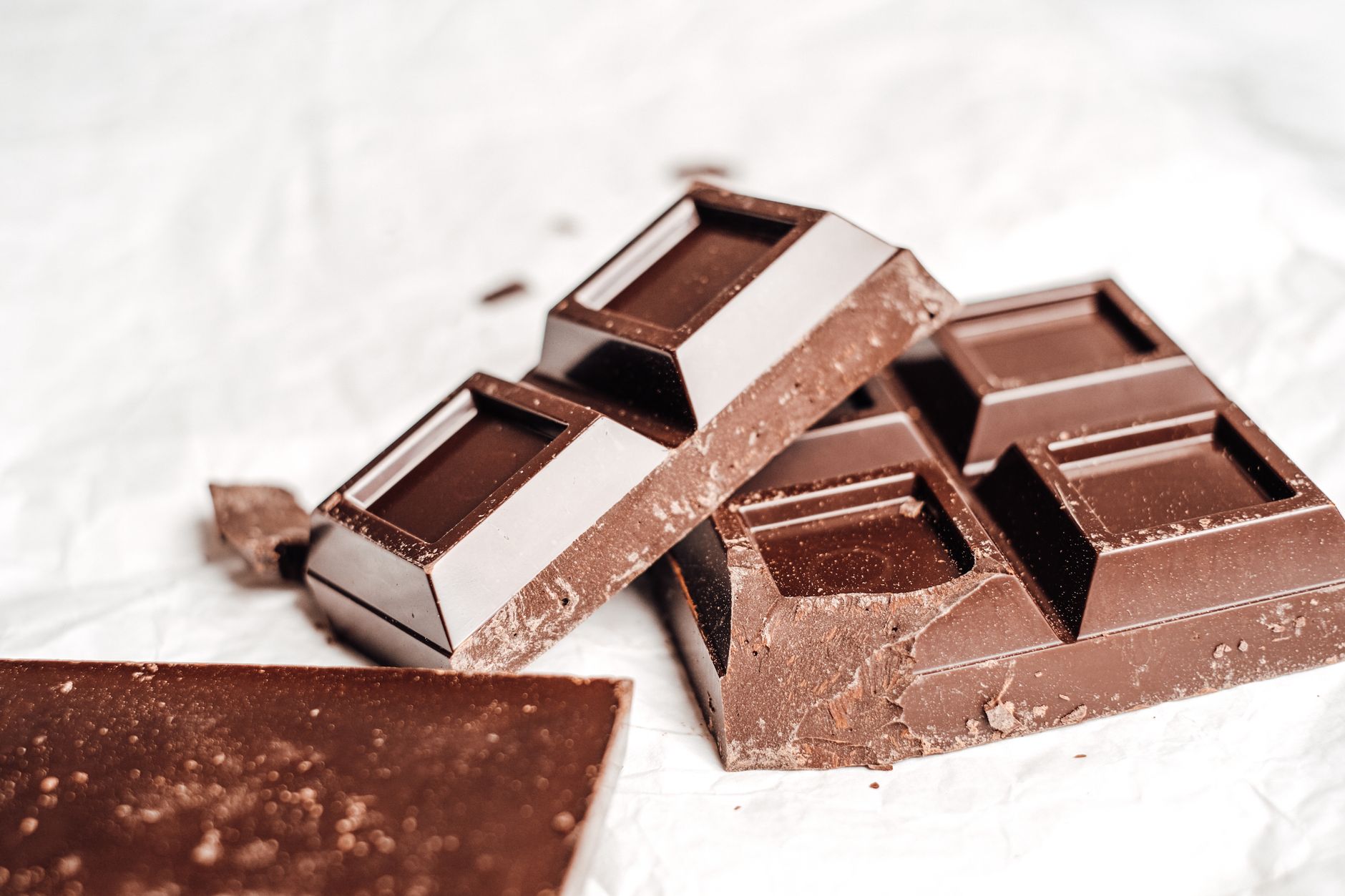
The best bars boast cocoa percentages above 70%, delivering rich, complex flavors with velvety textures. Ingredient lists are short and cleanthink cocoa mass, sugar, and sometimes natural vanillawithout artificial additives. Ethical sourcing certifications like Fair Trade, Organic, and Halal (such as JAKIM or HMC) demonstrate commitment to quality and values.
Top Brands to Try
- Brand E: 85% cocoa, single-origin beans, silky texture, certified Halal and organic.
- Brand F: 72% cocoa with a sharp fruity note, fair trade certified, clean label.
- Brand G: Rich 80% bar, excellent price for premium quality, widely available.
- Brand H: Vegan, gluten-free, and Halal-certified; perfect for special diets.
- Brand I: Artisan-style with minimal processing, subtly sweet aftertaste, certified Halal.
These bars consistently receive praise for flavor depth, ethics, and texture. They offer a treat that aligns with health and Halal-conscious choices.

Honorable Mentions
Some smaller or specialty brands fly under the radar but offer exciting Halal-certified options. These can be found online or in gourmet stores and include single-origin batches or organic bean-to-bar makers. Exploring these hidden gems can satisfy those seeking unique flavor profiles and ethical sourcing beyond mass-market offerings.
Health Benefits and Risks
Proven Benefits
Dark chocolate bars are rich in antioxidants called flavonoids, which help combat oxidative stress. According to the USDA FoodData Central, higher cocoa content correlates with improved heart health, including better blood flow and reduced blood pressure. The natural compounds also support mental well-being by promoting serotonin release, enhancing mood and cognitive function.
Risks and Considerations
Despite benefits, watch out for sugar and calorie content. Bars with less than 70% cocoa often have added sugars exceeding 30 grams per 100 grams, reducing health benefits and adding empty calories. Some may contain trace amounts of caffeine and theobromine, which could cause sensitivity reactions in certain individuals. Balance and moderation are key to enjoying dark chocolate without drawbacks.
Choosing Healthier Bars
Seek chocolate with at least 70% cocoa, minimal sugar, and ingredient transparency. Certified Halal bars by IFANCA, JAKIM, or HMC assure you the products meet strict dietary laws and manufacturing hygiene. Reading labels carefully helps avoid unwanted additives and allergens.
| Certification | Price Range | Common Formats | Shelf Life | Key Allergens |
|---|---|---|---|---|
| JAKIM, IFANCA, HMC | $2.50 $8 per bar | 40100g bars, single origin, organic | 1218 months unopened | Tree nuts, soy lecithin (sometimes), dairy traces |
Buying and Storing Tips
Reading Labels Like a Pro
When reading a dark chocolate bar label, check cocoa percentage firstit indicates how much real chocolate solids youre getting. Ingredients should list cocoa mass or liquor at the top, followed by sugar, cocoa butter, and natural vanilla. Beware of items listing hydrogenated oils, artificial flavors, or excessive soy lecithin. Sodium should generally be under 10mg per serving; higher amounts hint at unnecessary additives.
Where to Buy
Major grocery chains usually stock a range of Halal-certified dark chocolate. Specialty food stores and online shops offer more variety, including artisan brands and higher cocoa percentages. For devotees curious about comparing indulgence types, our article on Macaron vs macaroon offers sweet insights. Also consider checking out white chocolate brands for a creamy alternative.
Proper Storage
Dark chocolate bars keep best when stored in a cool, dry place between 15C and 18C (59F and 64F). Avoid sunlight and moisture as they cause blooming or spoilage. In sealed packaging, bars last 1218 months unopened. Once opened, consume within 23 weeks to maintain optimal flavor and texture.
Is dark chocolate bars actually Halalwhat should I check?
Look for certification logos from reputable bodies like JAKIM, IFANCA, or HMC on packaging. These verify that manufacturing processes avoid non-Halal ingredients and contamination. Confirm the label includes all ingredient details to ensure no hidden animal derivatives or alcohol-based additives.
What is the best time to eat dark chocolate bars?
Enjoy dark chocolate as an afternoon snack or after meals to curb sweet cravings. A small portion (about 2030g) provides antioxidants and a mood boost without excess calories. Avoid late-night indulgence if caffeine sensitivity is a concern.
Can dark chocolate cause allergies?
While pure dark chocolate is generally safe, some bars include allergens like tree nuts, dairy traces, soy lecithin, or gluten contamination. Always check labels carefully if you have allergies or sensitivities.
Does higher cocoa percentage mean less sugar?
Usually yes. Bars with 70% and above have lower sugar content. However, some brands may add sweeteners despite high cocoa percentages, so verify nutrition facts for sugar levels.
Are organic dark chocolate bars healthier?
Organic bars avoid synthetic pesticides and genetically modified ingredients, making them cleaner choices. Nutritionally, benefits are similar to non-organic bars, but organic guarantees minimum chemical exposure.
How to tell if dark chocolate is fresh?
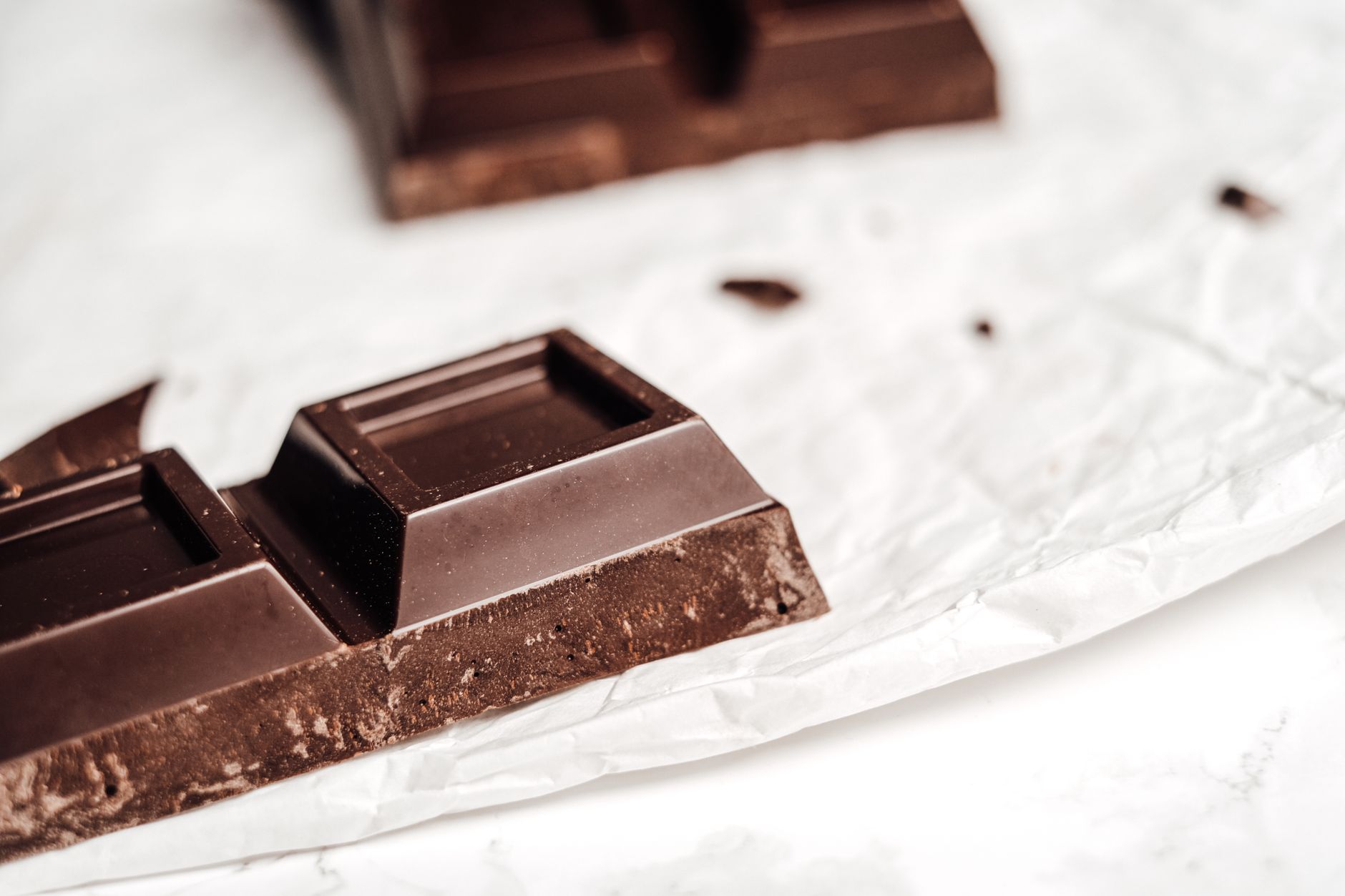
Fresh chocolate has a glossy surface and snaps crisply when broken. Signs of aging include a whitish bloom caused by fat or sugar crystals rising to the surface, which affect taste but are not harmful.
Does dark chocolate contain caffeine?
Yes, dark chocolate contains some caffeine and theobromine, stimulants naturally present in cocoa. Higher cocoa content means more caffeine, but amounts are usually less than coffee or tea servings.
Buying Tips
- Dont underestimate label reading: Many buyers focus on packaging and miss hidden sugars or additives. A clean, simple ingredient list ensures a genuine dark chocolate experience.
- Cheap bars often compromise quality: They may contain cocoa powder substitutes or fillers leading to inferior taste and less health benefit.
- Expert tip: Try small bars from top-tier brands to familiarize your palate before investing in larger sizes.
More You Might Like
Discover the subtle differences between almond-based desserts by checking our detailed comparison of Macaron vs macaroon. For those intrigued by creamy sweets, explore our curated list of the best white chocolate brands to expand your palate.
Conclusion
Dark chocolate bars come in a wide quality spectrum, but choosing thoughtfully can enhance your enjoyment and support health and Halal standards. Next time you shop, take a moment to check the label and explore recommended brands. Whether you favor smooth, mild bars or bold, high-cocoa treasures, theres a perfect dark chocolate bar waiting for you. Feel free to share your favorites or discoveries with us!
FAQs
Is dark chocolate bars actually Halal — what should I check on the label?
Check for certification logos from trusted bodies like JAKIM, IFANCA, or HMC on the packaging. Also, confirm the ingredient list has no non-Halal additives such as animal derivatives or alcohol-based ingredients to ensure compliance.
What is the shelf life of dark chocolate bars after opening?
Once opened, dark chocolate bars should be consumed within 2 to 3 weeks to maintain optimal flavor and texture. Proper storage in a cool, dry place helps preserve freshness during this time.
How do dark chocolate bars differ from milk chocolate bars?
Dark chocolate bars have higher cocoa content, typically above 60%, with less sugar and no milk solids, resulting in a richer, more bitter taste. Milk chocolate contains more sugar and milk, giving it a sweeter, creamier profile.
Is it safe to eat dark chocolate bars daily?
Eating moderate amounts, about 20-30 grams daily, is generally safe and may provide health benefits like antioxidants and mood enhancement. However, watch sugar and calorie intake to avoid negative effects.
Where can I buy quality Halal-certified dark chocolate bars?
Quality Halal-certified dark chocolate bars are available in major grocery chains, specialty food stores, and online shops. Look for trusted brands with JAKIM, IFANCA, or HMC certification to ensure authenticity.