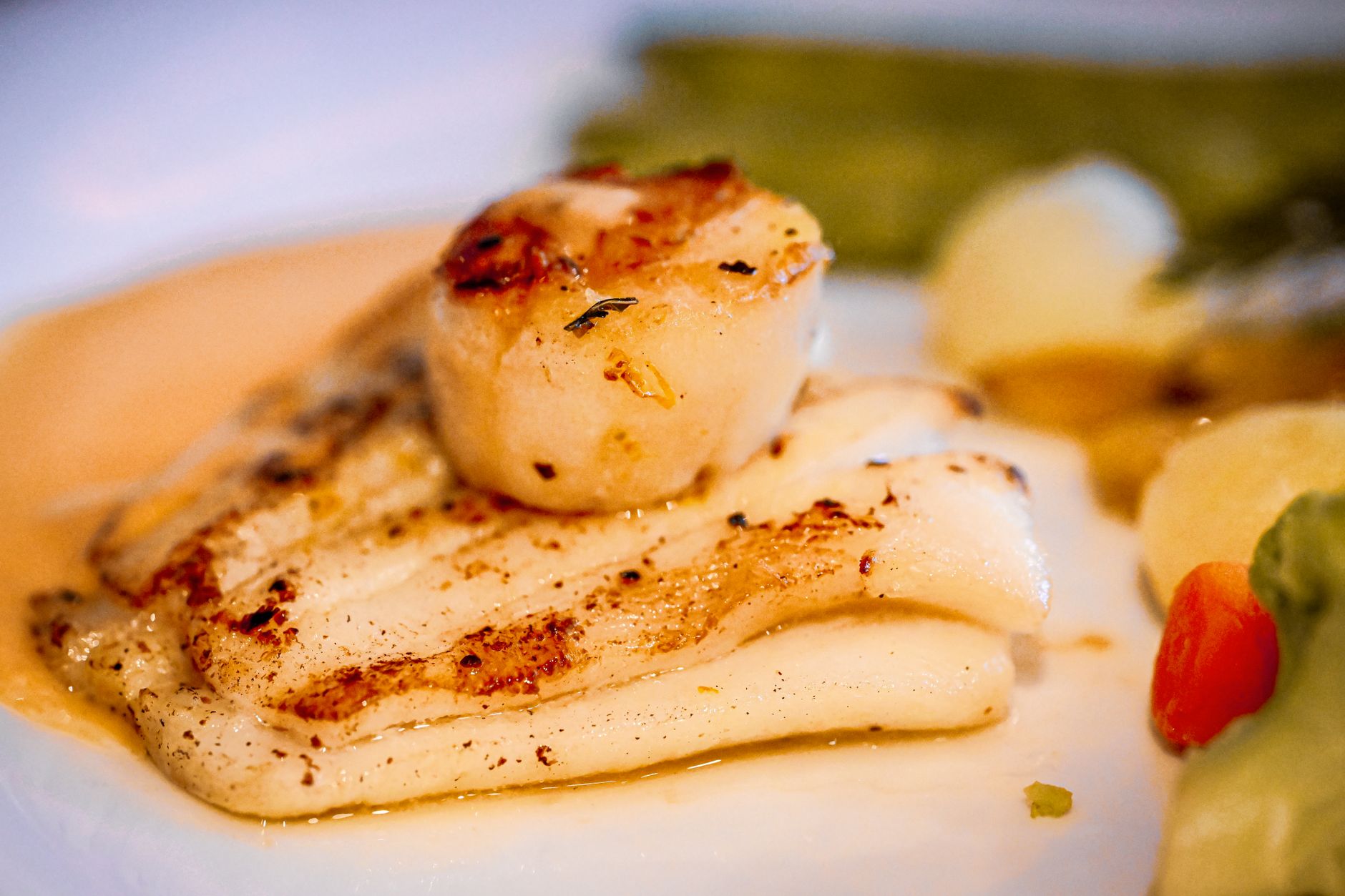
Scallops are a prized seafood delicacy, prized for their tender texture and mildly sweet flavor. But did you know fake scallops sometimes find their way onto plates, disguised as the real thing? Spotting fake scallops isnt always easy, especially if you dont know what red flags to watch for. Whether youre buying from a market or dining out, knowing how to tell fake scallops from authentic ones can save you disappointmentand protect your health.
Why You Should Care
Eating fake scallops means missing out on the fresh, rich taste that real scallops offer. Beyond flavor, there are health concerns: some fake scallops contain additives or allergens you might not expect. Seafood fraud is more common than you think, affecting thousands of consumers worldwide each year. When fake seafood circulates, it undermines trust in suppliers and can lead to unsafe eating experiences. Staying informed helps you make safer, more ethical choicesespecially when buying halal-certified or health-conscious seafood products.
5 Ways To Spot Fake Scallops
1. Take a Good, Hard Look: What Do Fake Scallops Really Look Like?
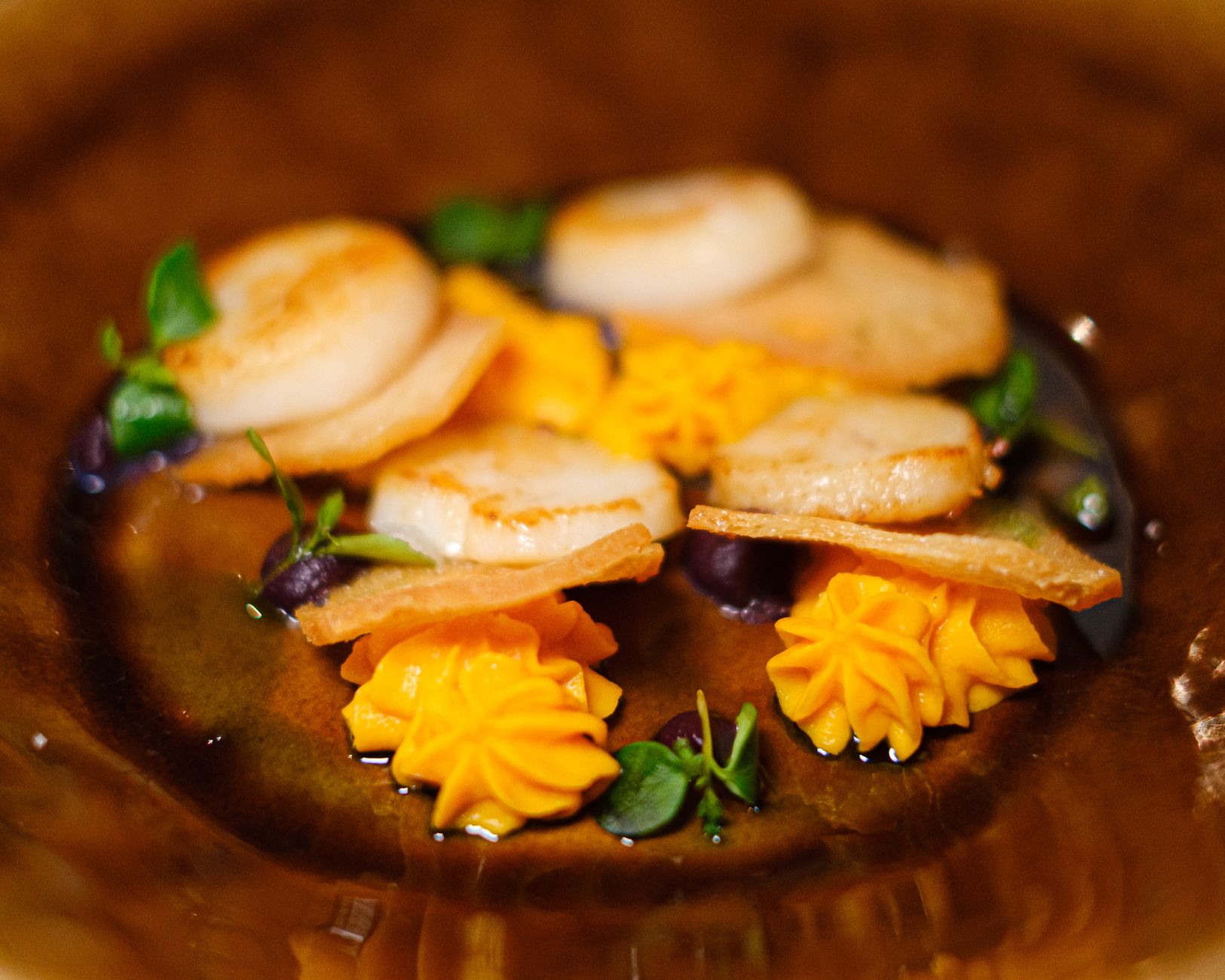
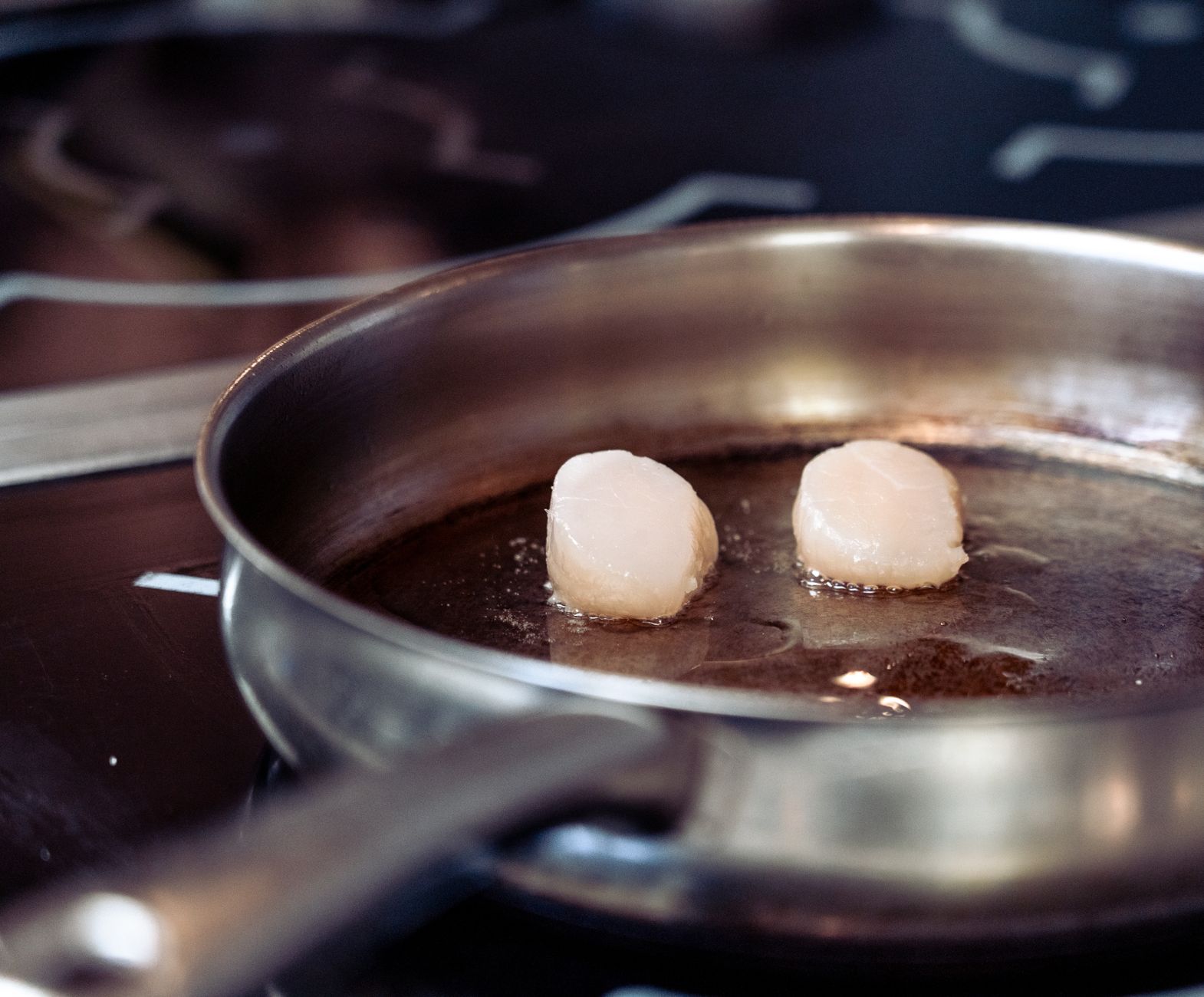
The shape, color, and texture of scallops can reveal a lot. Real scallops usually have an irregular, slightly oval shape. Their color ranges from creamy white to pale pink with a translucent, glossy surface. Fake scallops, often made from processed fish or surimi, tend to be perfectly round or uniformly cut. They might look unnaturally bright white or uniformly beige, lacking the subtle variations of real scallops.
Fake scallops often feel rubbery or overly smooth, unlike the firm yet tender feel of authentic ones. Look closely for uniformity; real scallops are hand-harvested and naturally vary in size and shape.
| Feature | Real Scallops | Fake Scallops |
|---|---|---|
| Color | Creamy white to pale pink | Bright white or uniform beige |
| Texture | Firm, slightly springy | Rubber-like, too soft or hard |
| Size & Shape | Irregular, varied size | Uniform, perfectly round |
2. Give It a Sniff: Smell Test to Identify Fake Scallops
Fresh scallops should smell faintly of the seaclean, briny, and not overpowering. Fake scallops often carry a strange or artificial scentsometimes chemical or overly fishy, hinting at preservatives or processing. If the scallops smell sour, ammonia-like, or just off, its a good sign somethings wrong. Take a moment and trust your nose. This simple sense check can prevent eating low-quality or spoilage seafood.
3. Check the Taste and Texture: What Does Fake Seafood Feel Like?
The texture and taste can tell you if scallops are authentic. Real scallops have a melt-in-your-mouth tenderness with a slight chewiness and a mildly sweet, fresh ocean flavor. Fake versions made from surimi or other fish paste feel rubbery, overly bouncy, or mushy. They may taste bland, excessively salty, or have a faintly artificial aftertaste. If youve had surimi-based seafood before, you may recognize that processed flavor.
One customer shared how their scallops at a local restaurant were tough and flavorless. Later, lab tests revealed they were actually processed fish products, not true scallops. That kind of experience shows why texture matters beyond just appearance.
4. Location, Location, Location: Where Are You Buying or Eating Your Scallops?
The source of your seafood matters immensely. Trusted halal-certified markets, reputable fishmongers, or restaurants with transparent supply chains are usually more reliable. Beware of very cheap scallops at unknown stalls or supermarkets with minimal labeling. Check if the seafood vendor provides traceability information like catch location, supplier details, or halal certification such as JAKIM or IFANCA logos for verified products.
Halal certification ensures that the seafood meets strict guidelines, not only religiously but often in terms of quality and sourcing. Always ask questions or look for proof of certification if youre in doubt.
Those interested in food safety or detailed reheating tips will also find our Reheat fried chicken guide handy for best practices when handling prepared food.
5. Evaluate the Price Point: Too Good To Be True?
Real scallops usually come with a higher price tag, reflecting quality and harvesting methods. If prices seem suspiciously low, it might be a sign youre dealing with a substitute product. While sales or promotions can appear occasionally, consistently low prices on scallops raise caution.
Price is one piece of the puzzle. Combine it with your observations of texture, smell, and vendor reputation to make confident choices.
Additional Tips for Authentic Seafood
- Look for official halal certification logos such as JAKIM or HMC, which confirm halal compliance and responsible sourcing.
- Use seafood guides or phone apps that help verify fish species and authenticity.
- Avoid seafood with unverified labels or vague product descriptions.
- Learn about common substitutions in seafood fraud, such as cheaper fish replacing scallops or other shellfish.
What To Do If You Suspect Fake Scallops
If you think youve been served fake scallops, consider reporting the issue to local food safety authorities. Keep receipts or packaging as proof. Reputable halal-certified vendors are usually responsive and may offer refunds or replacements. If you notice unpleasant symptoms after eating suspicious seafood, consult a healthcare professional promptly.
Sharing your experience in comments or forums helps build consumer awareness and encourages better transparency in the seafood industry.
Is fake scallops actually Halal what should I check?
Fake scallops may or may not be halal depending on their ingredients and processing. Check for certification marks from bodies like JAKIM, HMC, or IFANCA to ensure the product complies with halal standards. Halal certification verifies that seafood and all additives are permissible and prepared according to Islamic dietary laws.
How can I tell if scallops are fresh when buying?
Fresh scallops smell like the sea, have firm texture, and a moist but not slimy surface. Avoid scallops with ammonia or sour odors, discoloration, or mushy texture. Buying from trusted suppliers with clear labeling further ensures freshness.
Are frozen scallops less likely to be fake?
Not necessarily. Frozen scallops can still be fake or substituted. Freezing preserves seafood but doesnt guarantee authenticity. Always check certification, packaging details, and vendor reputation regardless of fresh or frozen status.
What allergens might fake scallops contain?
Fake scallops often contain surimi made from fish like pollock and additives such as egg whites or starches, which might trigger allergies. Check ingredient lists carefully, especially if you have shellfish or fish allergies.
Can color dyes be present in fake scallops?
Yes. Some fake scallops are colored unnaturally to resemble real ones. If you notice overly bright or uniform coloring, this could indicate artificial dyes or additives.
Is price a reliable way to avoid fake seafood?
Price alone is insufficient but can be a useful indicator. If scallops are unusually cheap compared to market averages, be cautious and examine other quality markers.
How long do fresh scallops last after purchase?
Fresh scallops keep best refrigerated at 32F (0C) and last about 12 days. Frozen scallops maintain quality for up to 3 months. Always store in sealed containers to avoid spoilage.
Pro Tips for Buying Quality Seafood
- Dont buy solely on price. The cheapest scallops are often fake or substandard.
- Look beyond appearance. Texture and smell tests early on save you from unpleasant surprises later.
- Ask about certification. Verified halal logos like JAKIM ensure both religious compliance and often higher quality sourcing.
- Buy from trusted vendors known for transparency and freshness.
- Remember that surimi-based products can masquerade as real scallops but taste very different. Knowing what to expect can guide your choice.
More You Might Like
If you enjoy exploring food quality pointers, check out our guide on Bourbons to avoid to know which drinks to steer clear of. Also, our detailed Reheat fried chicken tips help keep your meals safe and tasty with proper reheating techniques.
Conclusion
Fake scallops can fool even experienced seafood lovers, but knowing what to look for makes all the difference. Check their appearance, smell, texture, price, and source carefully next time you shop. Being informed helps you enjoy the true taste and quality you deserve while staying safe and halal-compliant. If you have any tips or experiences spotting fake seafood, feel free to share in the comments below.
FAQs
Is fake scallops actually Halal — what should I check on the label?
Fake scallops may or may not be halal depending on their ingredients and processing. Check for halal certification marks from bodies like JAKIM, HMC, or IFANCA. These logos ensure the product complies with Islamic dietary laws and that all additives and processing methods meet halal standards.
How long do fresh scallops last after purchase?
Fresh scallops last about 12 days when refrigerated at 32°F (0°C) and stored in sealed containers. Frozen scallops maintain quality for up to 3 months. Always check for signs of spoilage before use, such as discoloration or off smells.
What is the difference between fake scallops and real scallops in texture and taste?
Real scallops have a firm yet tender texture with a mildly sweet, fresh ocean flavor. Fake scallops often feel rubbery or mushy and may taste bland, salty, or have an artificial aftertaste due to surimi or processed fish ingredients.
Are fake scallops safe to eat daily?
Consuming fake scallops regularly is not recommended as they may contain additives, allergens, or preservatives that could affect your health. It's best to choose authentic scallops or halal-certified products to ensure safety and nutritional quality.
Where can I buy authentic and halal-certified scallops?
Purchase authentic scallops from trusted seafood markets, reputable fishmongers, or halal-certified vendors. Look for products with clear labeling, supplier information, and halal certification logos like JAKIM or IFANCA to ensure quality and compliance.