Freezing chili is one of the best ways to enjoy your favorite hearty meal anytime without cooking from scratch. It saves you time, reduces food waste, and keeps that rich, comforting flavor locked inif you freeze it correctly. Whether its a spicy homemade chili or a Halal-certified store-bought version, knowing exactly how to freeze chili makes all the difference in preserving taste and texture.
Benefits of Freezing Chili
Why You Should Freeze Chili
Freezing chili lets you keep delicious, protein-packed meals ready to heat and eat. It extends the shelf life far beyond fridge limits, helping you reduce leftovers going bad. Plus, frozen chili makes meal prepping easy and convenient, especially for busy weekdays or unexpected guests. Many Halal consumers appreciate freezing chili because it helps maintain dietary restrictions by avoiding cross-contamination and unnecessary additives in ready-made options.
Risks of Freezing Chili Incorrectly
If you freeze chili without care, the texture can suffer. Beans might turn mushy, and separation of liquid and solids can occur, making the chili watery upon thawing. Freezing too hot or for too long increases freezer burn risk, which dulls flavor. Plus, food safety becomes a concern if chili isnt cooled properly before freezing. Bacteria can multiply if the chili stays warm too long, and unsafe thawing can cause spoilage.
How Long Can Chili Be Frozen?
According to USDA Food Safety guidelines, chili can be safely frozen for up to 4 months without significant loss in quality. After this, flavor and texture will gradually decline, though chili usually remains safe beyond that if stored continuously frozen below 0F (-18C). Look for signs like off odors, discoloration, or ice crystals on the surface, which suggest freezer burn or spoilage.
Step-by-Step Chili Freezing Guide
How to Prepare Chili Before Freezing
First, cool your chili completely before freezing. Hot chili traps steam in the container, resulting in moisture buildup and soggy texture. You can speed cooling by dividing chili into shallow pans and allowing it to reach room temperature for no more than 2 hours the USDA recommends this timeframe to avoid bacterial growth. Stir occasionally to release heat evenly.
Next, decide on portion sizes. Freeze chili in meal-sized amounts, like 1-2 cup portions, so you only thaw what you need. This saves energy and keeps the remaining portions fresh longer. Smaller portions also reheat faster, preserving flavor better.
Best Containers and Storage Methods
Choosing the right container matters for freezer efficiency and chili preservation. Flexible, airtight options like heavy-duty Ziploc freezer bags work great. Lay the bags flat to create thin, stackable sheets that save freezer space. Squeeze out excess air to prevent ice crystals from forming.
If you prefer reusable containers, use BPA-free airtight plastic or glass containers with a secure seal. Avoid overfilling to allow for expansion during freezing.
Container Comparison Table
| Method | Pros | Cons | Best Use Case |
|---|---|---|---|
| Ziploc Freezer Bags | Space-saving, flexible, quick freeze | Can leak if overfilled, less durable over time | Small portions, flat stacking in freezer |
| Plastic or Glass Containers | Reusable, sturdy, airtight seal | Take up more space, heavier | Long-term storage, larger batches |
Safely Freezing Leftover Chili
When freezing leftovers, refrigerate chili within 2 hours of cooking. Use clean utensils to serve and avoid contaminating the bulk. Portion into containers or bags immediately, label with date and contents, then place in the coldest part of your freezer.
For Halal-conscious households, freezing homemade chili ensures no cross-contact with non-Halal ingredients. Make sure your chili includes Halal-certified meats or vegetarian proteins and that your containers were not previously used for non-Halal foods to maintain dietary compliance.
Freezing Homemade vs. Store-Bought Chili
Homemade chili freezes well with minimal additives, but chili containing dairy or cream-based toppings requires extra care. Freeze dairy toppings separately or add fresh upon reheating to prevent texture changes.
Store-bought chili, especially Halal-certified brands, may have preservatives affecting freezing behavior. Always check the label for recommended storage instructions, and when possible, transfer to your own freezer-safe containers to reduce air exposure.
Hmart prepared foods also include pre-packaged chili options that some consumers prefer for convenience and Halal certification.
Chili Storage: Thawing and Reheating
Thawing Frozen Chili
The best thawing method is in your refrigerator. Plan ahead and move frozen chili from the freezer to the fridge at least 24 hours before you want to eat. This slow thaw protects flavor and texture.
If youre short on time, use the microwaves defrost function or reheat directly on the stove over low heat, stirring frequently. Avoid refreezing thawed chili as it can degrade quality and increase food safety risks.
Reheating Tips for Best Flavor
Reheat chili gently over medium-low heat, stirring occasionally. Add a splash of broth or water if the chili looks dry or thickened from freezing. This refreshes the texture and enhances richness.
Microwave reheating is convenient but stir at 1-minute intervals to avoid hot spots and overcooking.
Can You Freeze Chili with Beans?
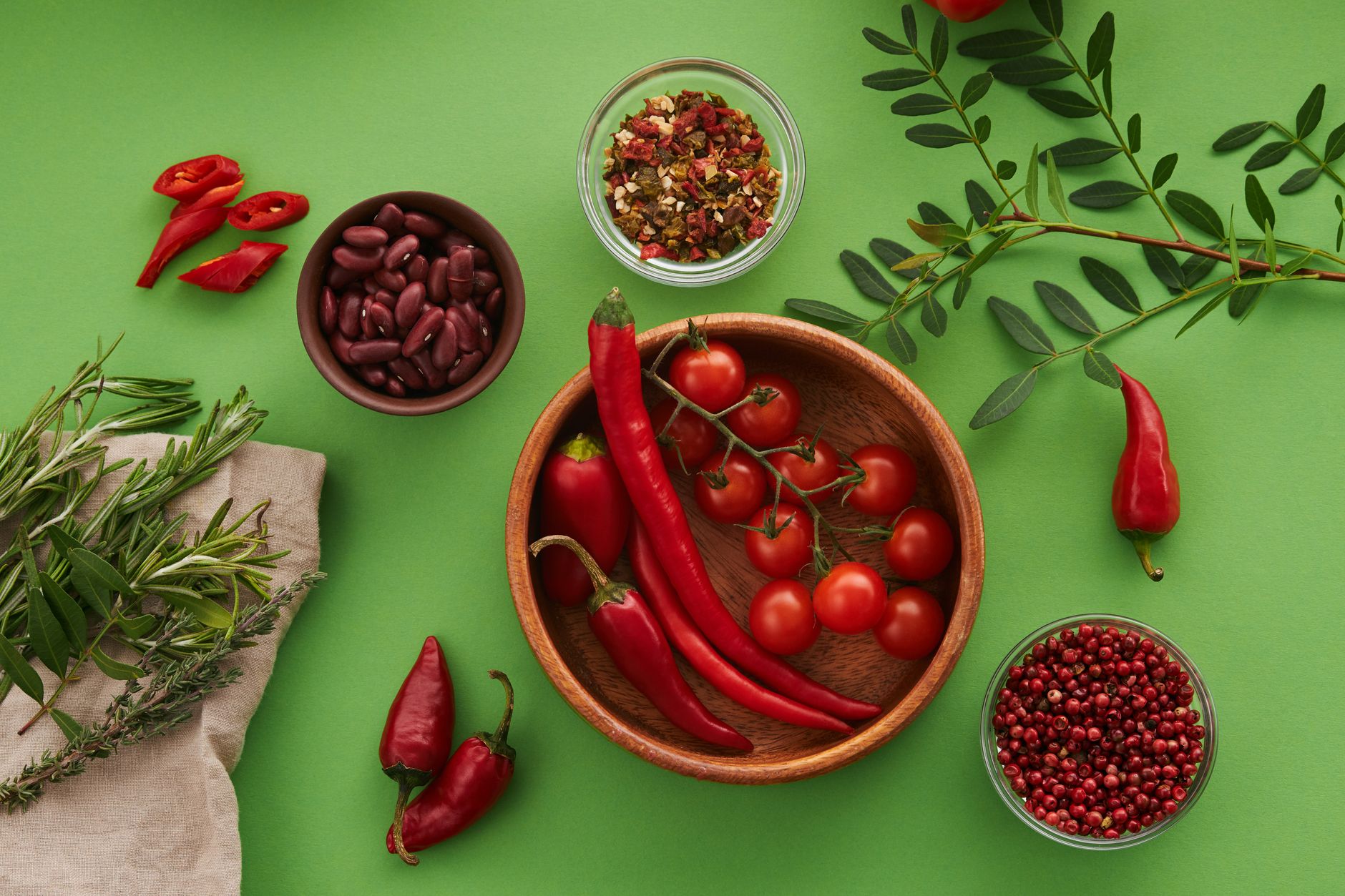
Yes, but beans might soften further after freezing and thawing. To maintain firmness, cook beans al dente during chili preparation. Using canned beans that are well-drained helps prevent excess liquid.
Does Freezing Change Nutritional Value?
Freezing preserves most nutrients in chili since it slows enzymatic activities. Protein, fiber, vitamins, and minerals remain largely intact, although some delicate vitamins like vitamin C may reduce slightly over time.
How Long Can Chili Stay in the Fridge Before Freezing?
Store cooked chili in the fridge for no more than 3 to 4 days before freezing. Beyond that, bacterial growth can reach unsafe levels, even if the chili looks fine.
Freeze Chili in Portions or a Single Batch?
Portioning freezes better for convenience and quality. Smaller containers thaw faster with less waste. Single large batches may save prep time but risk spoiling if you only use part of it.

When Is the Best Time to Eat Chili?
Chili is perfect for cooler weather or whenever you want a hearty, warming meal. It also pairs well with quick freezer meal staples like freezer breakfast sandwiches, providing balanced, flavorful eating any time.
Is Chili Actually HalalWhat Should I Check?
Chili can be Halal if made with Halal-certified meats or vegetarian ingredients. Look for certification logos from JAKIM, HMC, or IFANCA on packaged chili products. Also, check ingredient lists for non-Halal additives like alcohol-based spices or non-Halal animal fats.
What Are the Most Common Mistakes When Freezing Chili?
People often freeze chili while its still hot, leading to soggy texture and uneven freezing. Overfilling containers is another error causing bursting or leaks. Skipping labeling confuses freshness, so always write contents and date.
How Can I Upgrade My Chili Before Freezing for Extra Flavor?
Add fresh herbs, a squeeze of lime, or a dash of smoked paprika just before freezing. Avoid adding dairy or delicate garnishes until reheating to keep fresh flavors intact.
What Is the Shelf Life of Frozen Chili?
If stored below 0F (-18C), frozen chili keeps its best quality for about 3 to 4 months, though still safe beyond that. For the tastiest experience, consume within this timeframe.
Additional Tips
- Use airtight bags or containers to avoid freezer burn.
- Leave some headspace in containers to allow for expansion.
- Label chili with freezing date and contents for easy tracking.
- Freeze chili in flat, thin layers in bags to speed freezing and save space.
Freezing chili correctly helps you enjoy this classic, comfort food anytime with minimal fuss. You can trust that with the right steps, your chili will remain tasty, safe, and satisfying.
More You Might Like
Explore how to efficiently prep freezer breakfast sandwiches for quick meals that complement your frozen chili. Discover quality choices within Hmart prepared foods to expand your Halal meal prep repertoire.
Conclusion
Learning how to freeze chili properly unlocks quick, wholesome meals with Halal-friendly options that suit your busy life. Cool the chili completely, pack in airtight containers or bags, and label your portions before freezing. When ready, thaw slowly and reheat gently to preserve that rich, balanced chili flavor you love. Give this technique a try and share your favorite freezing tips or recipes in the comments.
FAQs
Is freeze chili actually Halal — what should I check on the label?
Chili can be Halal if made with Halal-certified meats or vegetarian ingredients. Check for certification logos like JAKIM, HMC, or IFANCA, and review ingredient lists to avoid non-Halal additives such as alcohol-based spices or non-Halal animal fats.
When is the best time to eat freeze chili?
Freeze chili is perfect for cooler weather or when craving a hearty, warming meal. It also works well as a quick freezer meal during busy days, providing comfort and balanced nutrition any time you want.
How long can freeze chili be stored in the freezer while maintaining quality?
Freeze chili can safely stay in the freezer for up to 3 to 4 months with minimal loss of flavor and texture. Beyond this, quality declines, though it remains safe if kept continuously frozen below 0°F (-18°C).
How does freezing affect the nutritional value of chili?
Freezing preserves most nutrients in chili, including protein, fiber, vitamins, and minerals. Some delicate vitamins like vitamin C may decrease slightly, but overall the nutritional quality remains largely intact.
Where can I buy Halal-certified chili suitable for freezing?
Halal-certified chili can be purchased at specialty Halal markets, select grocery stores, and online retailers. Stores like Hmart offer pre-packaged Halal chili options that are convenient and ready to freeze.