If youve spotted rust on your cast iron cookware, dont worryits possible to remove rust cast iron safely without ruining your pan. Rust may look alarming, but its a common issue that can be fixed with simple, practical steps. Restoring your cast irons seasoning and non-stick surface will let you enjoy cooking with it again, hassle-free.
Why Remove Rust?
What Happens If Rust Is Left Untreated?
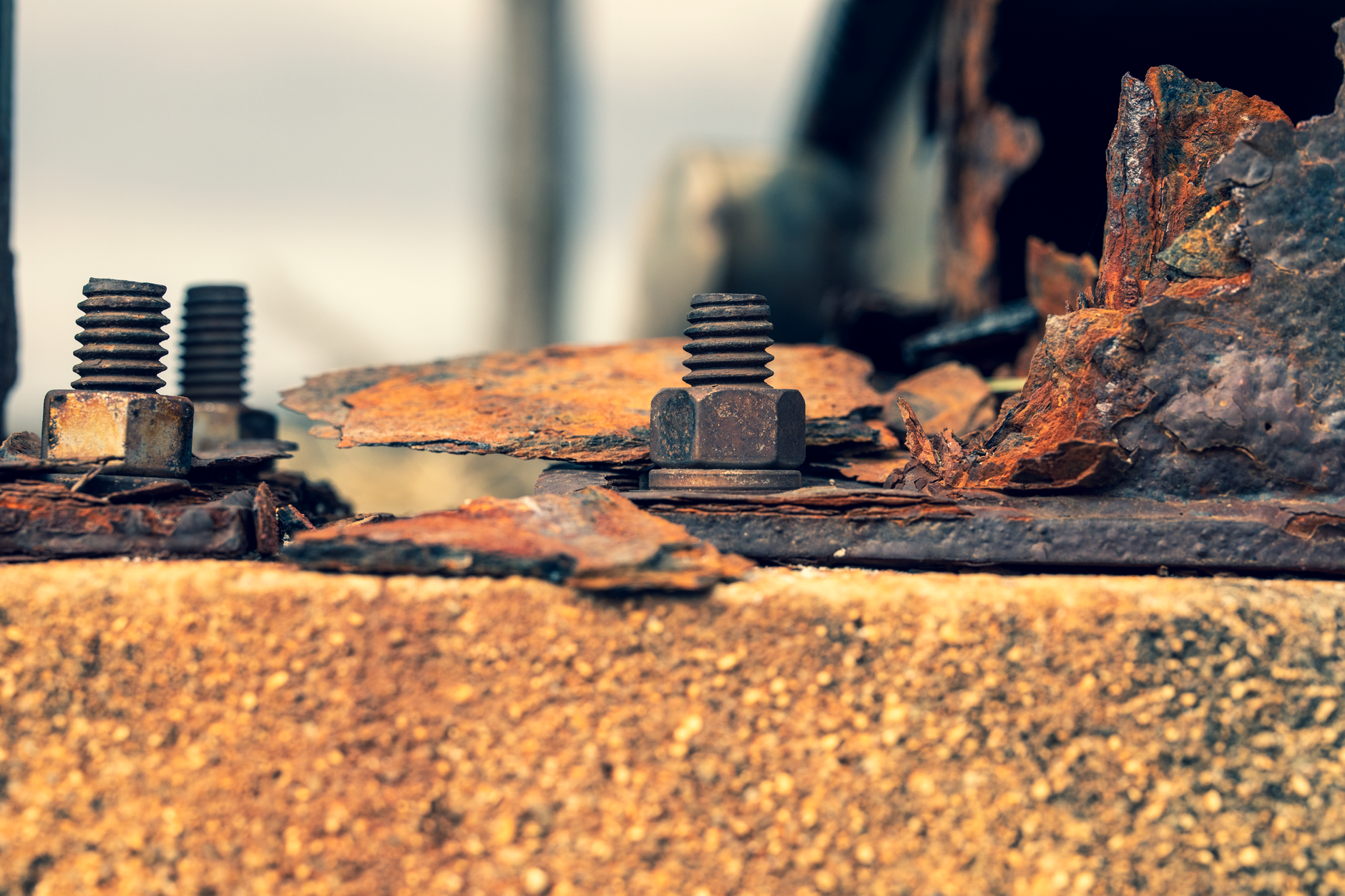
Rust is iron oxide forming due to exposure to moisture and air. If you leave rust on cast iron pans untreated, the corrosion will continue to eat away at the metal surface. This damages the pans natural layer, making it rough and flaky. Over time, rust reduces cooking performance because the once-smooth non-stick surface becomes compromised.
Health-wise, tiny rust flakes can mix with your food. While small amounts arent usually harmful, persistent rust buildup is best avoided, especially in Halal cooking, where cleanliness and purity are key.
Benefits of Timely Rust Removal
- Restores the pans smooth, seasoned surface for better food release.
- Extends the lifespan of your cookware, reducing replacement costs.
- Improves flavor by preventing metallic tastes rust can cause.
Understanding rust helps you care for your cast iron better. When iron oxidizes, seasoning acts as a protective barrier. Restoring this barrier after rust removal is essential for long-lasting use.
Rust Removal Process
What Materials Do You Need?
- White vinegar (distilled)
- Steel wool or a non-metallic scrubbing pad
- Baking soda
- Clean cloth or paper towels
- Cooking oil (flaxseed, vegetable, or canola oil)
- Gloves (optional for skin protection)
- Plastic container or basin (for soaking)
Step 1: Assess Rust Severity
Light rust usually appears as orange specks or surface spots. Heavy rust involves thick, flaky layers or uneven surfaces. Your approach depends on this.
Step 2: Soak in Vinegar for Heavy Rust
For heavy rust, soak your cast iron in a 1:1 solution of equal parts white vinegar and water. Use enough solution to cover the rusty areas completely. Limit the soak time to 12 hourssoaking longer may cause metal pitting.
After soaking, scrub the rust away using steel wool or a stiff brush. Youll notice the rust loosening easily. Rinse thoroughly with warm water once done.

Step 3: Scrub Gently for Light Rust
If your rust is light, avoid soaking. Sprinkle baking soda on dampened surfaces then scrub gently using a sponge or non-metallic pad. Baking soda acts as a mild abrasive without damaging the seasoning beneath.
Step 4: Dry and Season Your Cast Iron
After rust removal, drying the pan completely is critical. Use a towel and heat the pan over low stove heat for 5 minutes to evaporate any remaining moisture.
Next, apply a thin layer of cooking oil all over the pans surface. Place it upside-down in a preheated oven at 375F (190C) for 1 hour. Let it cool in the oven. This seasoning process rebuilds the protective layer to prevent rust from recurring.
Preventing Cast Iron Rust
Why Prevention Matters
Prevention is easier than fixing rust. After every use, dry your pan thoroughlyinside and out. Avoid soaking cast iron for long periods; water exposure causes rust.
Best Care Practices
- Clean with hot water and a brush or sponge after cooking; avoid harsh detergents as they strip seasoning.
- Dry immediately and heat briefly to remove all moisture.
- Apply a thin layer of oil before storing to maintain seasoning.
- Season your cookware every 36 months depending on frequency of use.
Proper maintenance keeps your cast iron reliable for years. This is especially important when preparing Halal meals, where cookware hygiene supports food purity.
Common Rust Removal Mistakes
- Using bleach or harsh chemicals that damage the metal.
- Over-soaking in vinegar, which can cause pitting and weaken the pan.
- Skipping the seasoning step after rust removal.
- Ignoring minor rust spots early and letting corrosion spread.
Balancing effective rust removal with care preserves your cookware quality and culinary safety.
Cast Iron Rust Removal FAQs
Can I use bleach or chemical rust removers on cast iron?
No. Bleach and harsh chemicals can corrode the metal and strip away seasoning. Stick to natural methods like vinegar soaking and baking soda scrubs.
How often can I remove rust safely without harming the pan?
Only remove rust as needed. Frequent rust removal indicates improper care. Maintain seasoning regularly to avoid rust buildup.
Will rust removal affect the flavor of my food?
If done properly and pan is reseasoned, there will be no noticeable taste difference. Rust left in the pan, however, can cause a metallic flavor.
Can I restore very heavily rusted cast iron cookware?
Yes. With patience, thorough vinegar soaking, scrubbing, and re-seasoning, most cast iron pans can be brought back to cooking shape.
Is it safe to cook on cast iron with minor rust spots?
Minor rust spots should be cleaned before cooking to avoid ingestion and maintain seasoning quality.
Why is seasoning important after rust removal?
Seasoning creates a protective barrier of polymerized oil. It prevents moisture contact, reduces rust risk, and provides a natural non-stick surface.
What should I look for when buying cast iron cookware?
Look for brands with clear Halal certification like JAKIM or IFANCA if important. Choose well-coated pans with smooth surfaces and trusted warranties.
Care Tips for Long-Term Use
- Cool your pan before cleaning to avoid cracking from thermal shock.
- Use minimal water during cleaning and avoid dishwashers.
- Store in a dry place with airflowavoid closed plastic cupboards.
- Apply oil lightly every few weeks to maintain seasoning integrity.
Following these tips will keep your cast iron rust-free and ready for cooking delicious Halal meals.

More You Might Like
Looking to stretch your shopping budget while stocking your kitchen? Check out the Best credit card for groceries for tips on maximizing rewards and savings on food. For convenient food shopping options, explore Walmart groceries for great variety and hassle-free delivery.
Conclusion
Removing rust cast iron cookware is simple when you follow safe, step-by-step methods. With proper care and seasoning, your pan can stay rust-free and serve you well for years. Next time you clean, remember that prevention matters just as much as fixingand dont hesitate to share your cast iron care experiences below.
FAQs
Is remove rust cast iron actually Halal — what should I check on the label?
Remove rust cast iron cookware itself is Halal as it is metal-based and non-food. However, when buying cast iron pans, check for certifications like JAKIM or IFANCA to ensure the cookware is manufactured and maintained under Halal standards, supporting purity and hygiene in cooking.
How often should I remove rust cast iron cookware to avoid damage?
Rust removal should only be done as needed when rust appears. Frequent rust cleaning indicates poor maintenance. Regularly seasoning and properly drying your pan after use helps prevent rust buildup and preserves the cookware’s integrity.
Will removing rust cast iron affect the flavor of my food?
Proper rust removal followed by thorough seasoning will restore the pan’s natural non-stick surface without impacting food flavor. Leaving rust untreated may cause a metallic taste in your dishes.
What is the difference between rust removal and regular cleaning for cast iron?
Rust removal targets corrosion stains and requires soaking or scrubbing to restore the metal, while regular cleaning involves rinsing and wiping to remove food residue without damaging seasoning. Avoid harsh chemicals during both to maintain cookware quality.
Where can I buy quality cast iron cookware with Halal considerations?
Look for trusted brands available online or in specialty kitchen stores that offer Halal certification like JAKIM or IFANCA. Reputable retailers often provide product details ensuring cookware meets Halal and safety standards.