Not all tomatoes are made equal when it comes to crafting a delicious sauce. Picking the best tomatoes for sauce means your pasta or stew will burst with flavor, not watery disappointment. Whether youre simmering a classic Italian marinara or a hearty meat sauce, the tomato variety you select shapes every bite.
Why Tomatoes Matter
What Makes Sauce Tomatoes Special?
Sauce tomatoes differ from salad or snacking varieties mainly in texture and flavor. They tend to be meatier, with fewer seeds and less watery pulp. This means your sauce will be thick and concentrated, not runny and bland. Plus, the right balance of acidity and natural sweetness makes the sauce sing without needing excessive sugar additions.
Avoid watery tomatoesthey dilute flavor and require longer cooking. Overly acidic types can add sharpness that overwhelms delicate herbs. The best sauce tomatoes deliver a velvety, rich base perfect for layering flavors.
How Variety Influences Sauce Taste and Texture
The tomato variety you choose alters the sauces body and flavor distribution. For example, plum tomatoes have dense flesh that breaks down slowly, creating a thicker sauce. On the other hand, some heirloom types offer fruity, complex profiles but contain more moisture, needing longer simmering to reduce.
Expert Insight
Chef Luca, a specialist in Italian cuisine, says, "San Marzano tomatoes are like the soul of Italian saucemeaty, sweet, and perfectly balanced. They make the sauce creamy without cream."
Top Tomato Varieties for Sauce
What Are the Best Tomatoes for Pasta Sauce?
When sourcing tomatoes for sauce, look for varieties known for their thick flesh and strong flavors. Here are trusted favorites:
- San Marzano: Hailing from Italys Campania region, these plum tomatoes are renowned for low acidity and sweet, intense flavor. Their meatiness makes them ideal for classic Italian sauces that dont need hours of simmering.
- Roma (Plum) Tomatoes: Widely available and affordable, Roma tomatoes have thick flesh and fewer seeds. Their balanced acidity suits versatile sauces.
- Amish Paste: Popular in the U.S., these are sweeter and meatier than many garden varieties. Good for thick sauces or canning.
- Opalka: An heirloom from Poland, Opalka tomatoes are dense and sweet, perfect for slow-simmer sauces with rich flavor development.
Each of these tomatoes brings something unique to your sauce pot, from sweetness to texture that holds up well through cooking. You might find seasonal availability varies, so consider canned options certified Halal for consistent quality year-round.
| Variety | Origin | Flavor Profile | Texture | Best Use | Availability |
|---|---|---|---|---|---|
| San Marzano | Italy | Sweet, low acid | Firm, meaty | Classic Italian sauce | Premium price |
| Roma | USA/Italy | Balanced acidity | Dense, meaty | Versatile sauces | Widely available |
| Amish Paste | USA | Sweet | Thick, meaty | Thick sauces, canning | Seasonal |
| Opalka | Poland | Sweet, rich | Dense | Slow-simmer sauces | Specialty markets |
Real-World Example
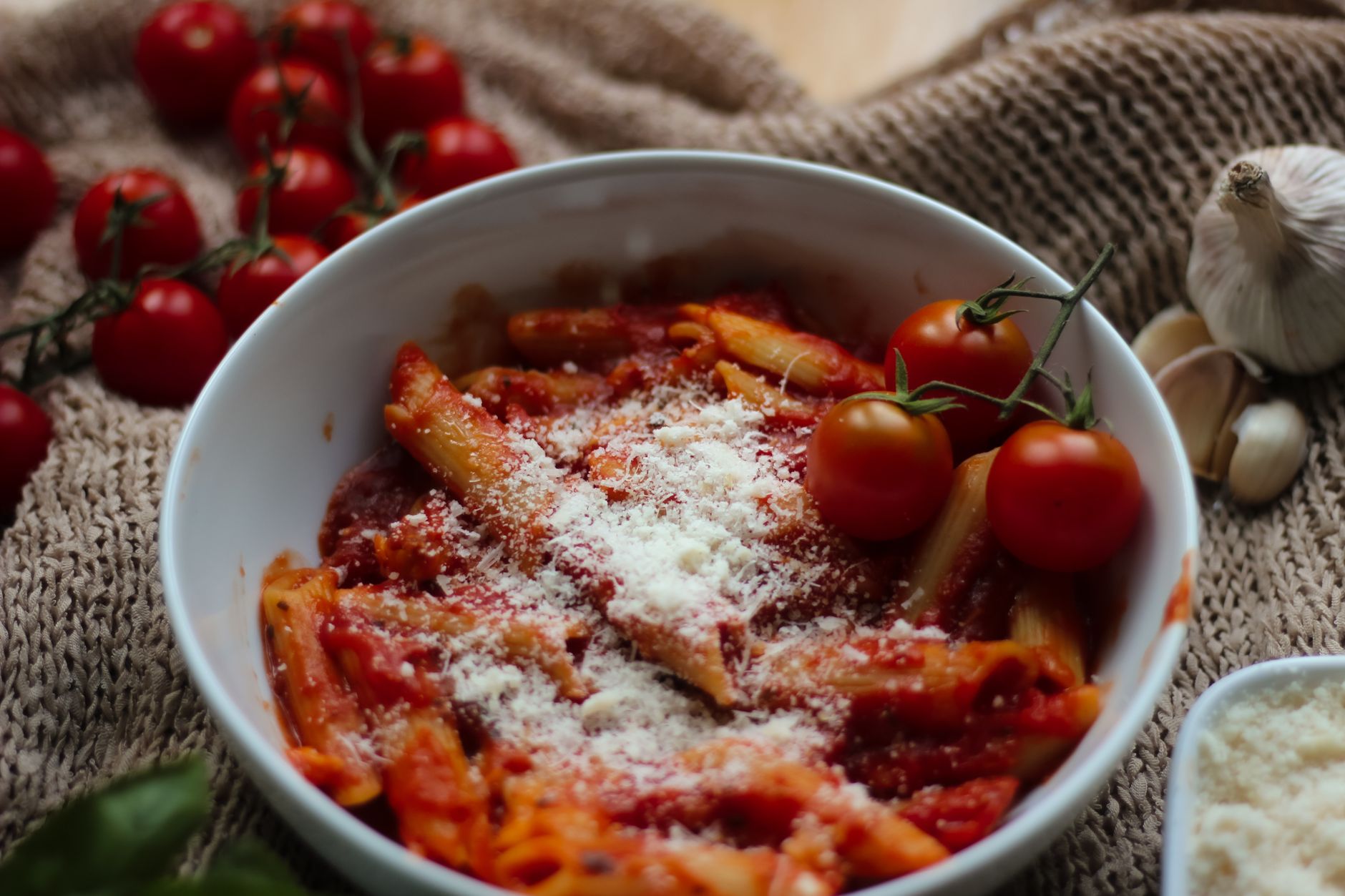
Maria, an avid home cook, switched from generic supermarket tomatoes to canned San Marzano for her pasta sauce. She noticed her sauce thickened faster and had a bright, sweet taste with natural balance. The difference inspired her to buy fresh Roma tomatoes for salads and keep San Marzano strictly for cooking.
Selecting and Storing Tomatoes
What to Look for When Buying Tomatoes
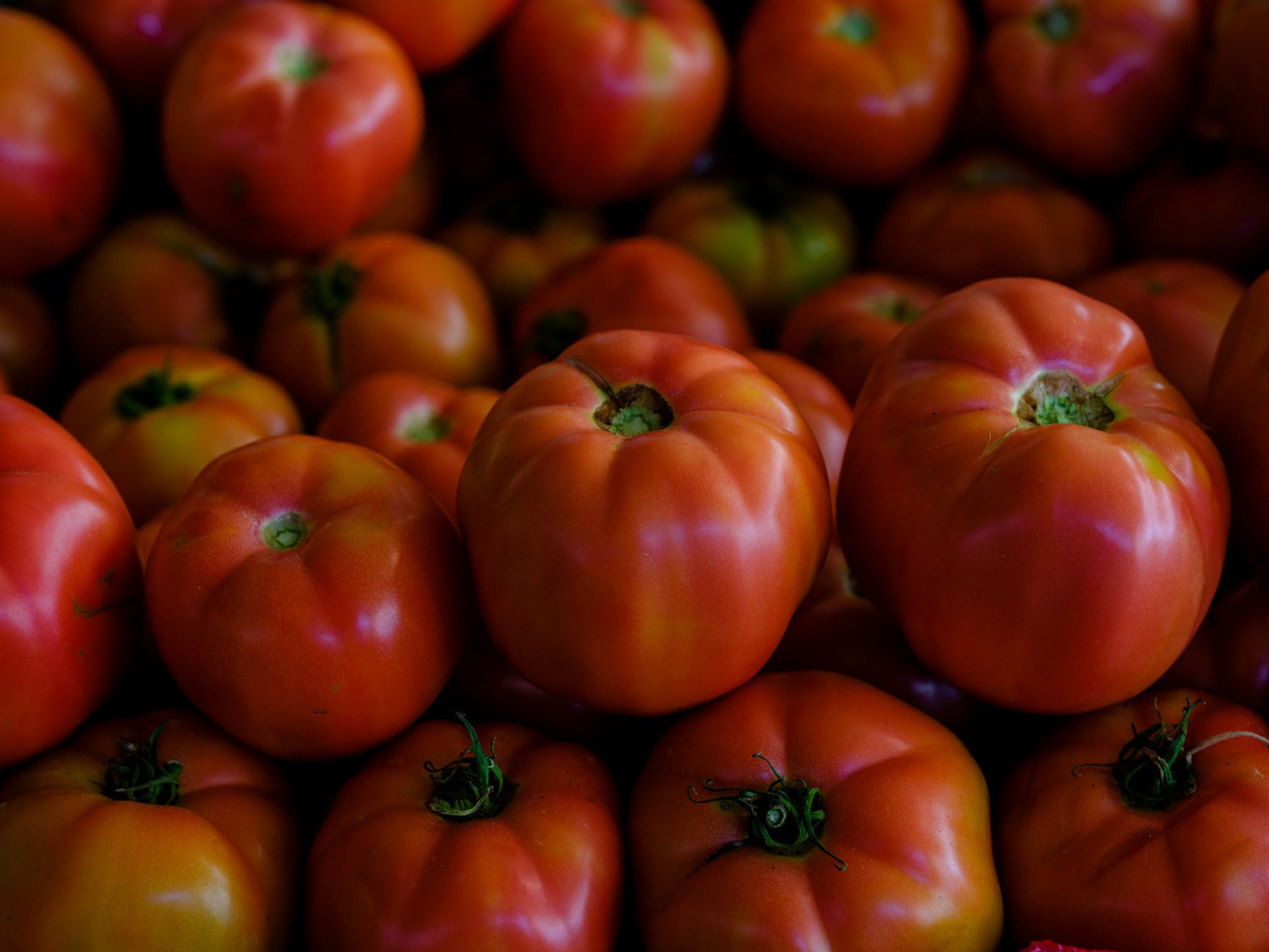
Pick tomatoes that feel heavy for their size. They should be firm yet slightly yielding to gentle pressure, indicating ripeness. The skin must be vibrant, smooth, and free from blemishes or bruises.
If you prefer canned tomatoes for consistent taste, look for Halal-certified products with simple ingredient lists. Check for certifications from JAKIM, HMC, or IFANCA to ensure they meet Halal standards.
| Certification | Price Range | Common Formats | Shelf Life | Key Allergens |
|---|---|---|---|---|
| JAKIM, HMC, IFANCA | $$ - $$$ | Canned whole, diced, crushed | 12 years unopened | None typically |
How to Store Fresh Tomatoes for Sauce
Store ripe tomatoes at room temperature, away from direct sunlight, to preserve flavor and texture. Refrigeration dulls their taste and makes the flesh mealy. Use them within 35 days of purchase for the best results. If tomatoes become overripe, use them immediately to avoid wastage.
Expert Tip
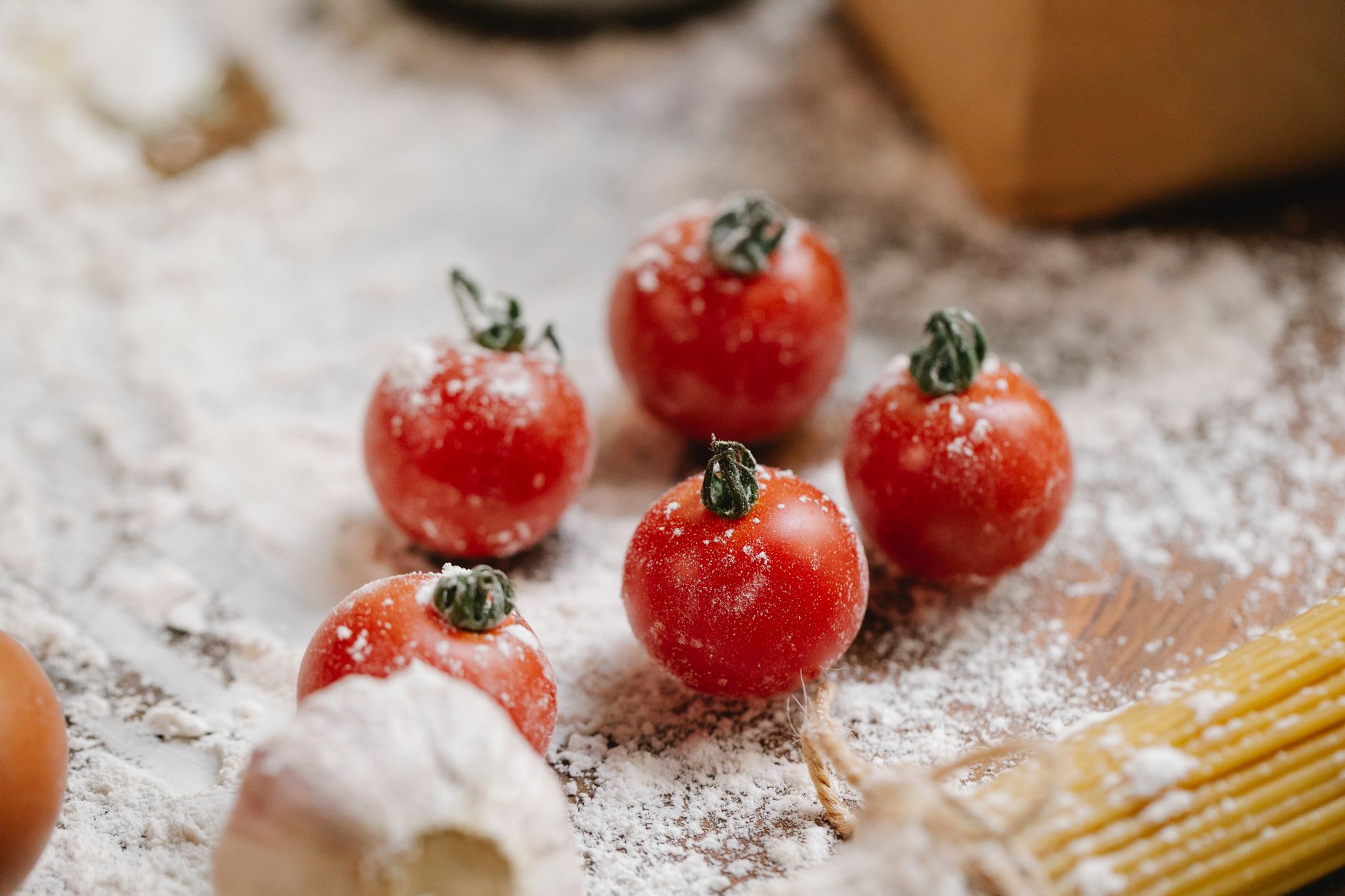
Chef Amir advises, Pick tomatoes that smell fresh and slightly sweet near the stem. Riper tomatoes mean less cooking time and fuller flavor.
Making Homemade Sauce
Steps to a Rich Tomato Sauce
Follow these basics to bring out your tomatoes fullest potential:
- Peel and seed: Score the bottom of tomatoes with an X and blanch them in boiling water for 30 seconds. Cool in ice water and peel off the skins. Remove seeds for a smoother sauce.
- Chop and cook: Roughly chop and add to a pot with olive oil, garlic, and onions.
- Simmer low and slow: Cook on medium-low heat for 4560 minutes, stirring occasionally, until sauce thickens.
- Season last: Add salt, pepper, and fresh basil or oregano toward the end to avoid overpowering the tomatos natural nuance.
Balancing Acidity and Sweetness
Some sauces might need a pinch of sugar to balance acidity, but often choosing the right tomato cuts the need. Herbs like basil add fresh sweetness, while slow simmering reduces harsh edges naturally.
| Prep Time | Cook Time | Total Time | Servings | Calories | Diet Tags |
|---|---|---|---|---|---|
| 15 minutes | 60 minutes | 75 minutes | 4 | 120 kcal per serving | Halal, Gluten-Free, Vegan |
Bonus: Simple Italian Sauce Recipe
- 6 ripe San Marzano tomatoes (peeled and seeded)
- 2 tbsp olive oil
- 3 cloves garlic, minced
- 1 small onion, finely chopped
- Salt to taste
- Handful fresh basil leaves
- Pinch of sugar (optional)
- Heat olive oil in a saucepan over medium heat. Add garlic and onion, saut 5 minutes until soft.
- Add tomatoes and bring to a simmer.
- Reduce heat to low, simmer for 45 minutes, stirring occasionally.
- Season with salt, toss in basil leaves, and add sugar if desired.
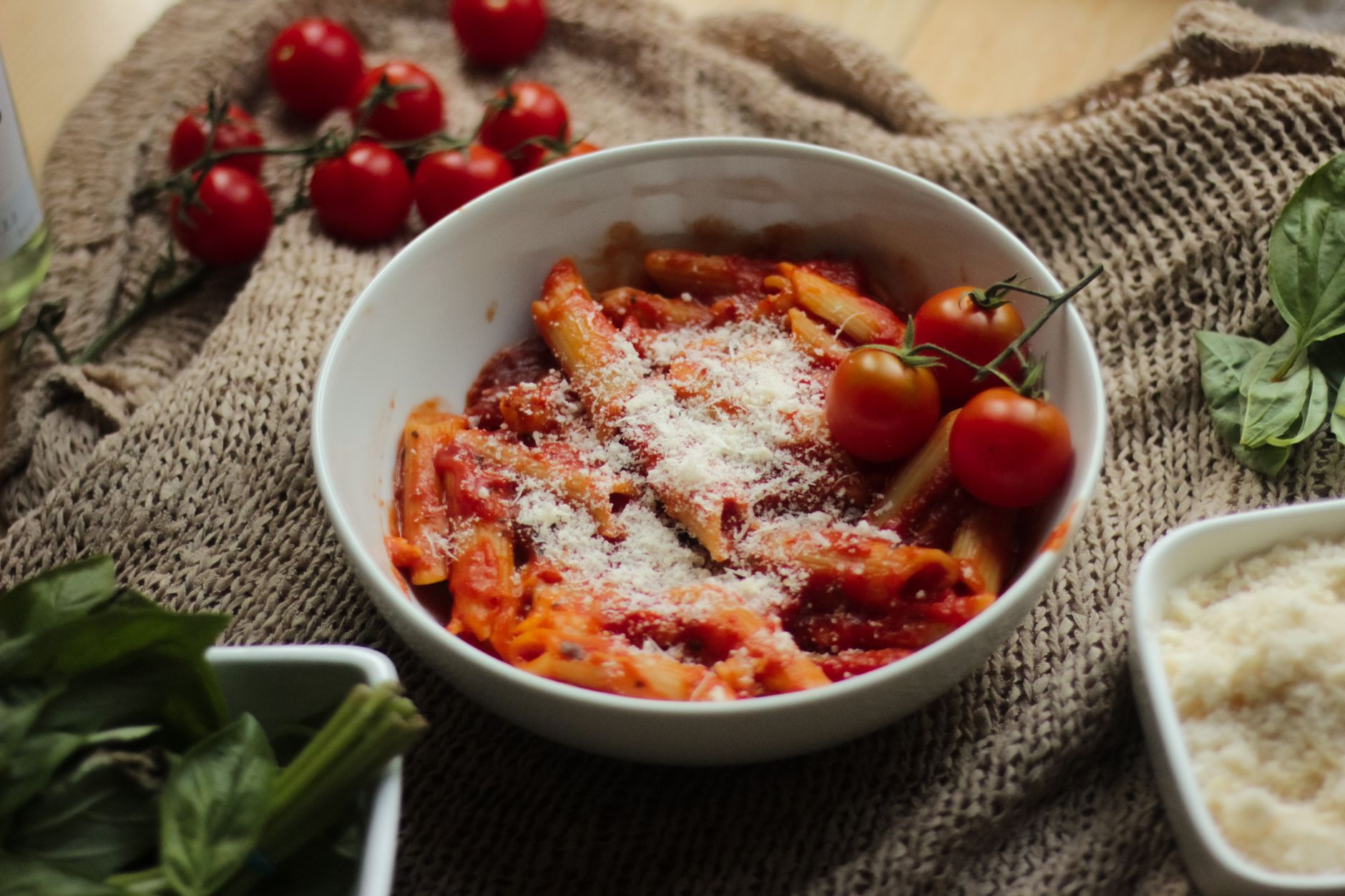
- Serve hot with pasta or use as a base for other dishes.
Frequently Asked Questions
Is the best tomatoes for sauce actually Halal what should I check?
Fresh tomatoes are naturally Halal. For canned or processed tomatoes, ensure the product carries trusted Halal certification marks like JAKIM, HMC, or IFANCA. These guarantee no contamination or use of non-Halal additives, aligning with Islamic dietary laws.
Can I use any tomato for pasta sauce?
Technically yes, but not all deliver the best results. Juicy, watery tomatoes make your sauce thin and less flavorful. Meaty, low-moisture varieties yield thicker, richer sauces with balanced taste.
Are canned tomatoes as good as fresh for sauce?
High-quality canned tomatoes, especially San Marzano, retain excellent flavor and have consistent availability. Fresh tomatoes are better in season and for quick sauces, but canned offer convenience year-round without sacrificing quality.
Whats the difference between Italian sauce tomatoes and regular tomatoes?
Italian sauce tomatoes like San Marzano are bred for thicker flesh, fewer seeds, and lower acidity. Regular tomatoes often have higher moisture and are better suited for salads or snacking rather than cooking.
How do tomato seasons affect sauce making?
Tomatoes picked in peak summer taste sweeter and have better texture, reducing cooking time and need for additives. Out-of-season tomatoes, often stored or imported, lack freshness and require longer simmering to develop flavor.
Can I freeze fresh tomatoes for sauce later?
Yes. Flash freeze peeled, chopped tomatoes in airtight containers for up to 3 months. Thaw completely before cooking. Frozen tomatoes lose a bit of texture but keep flavor well for sauces.
How long does homemade tomato sauce keep?
Refrigerated in an airtight container, sauce stays fresh for 57 days. For longer storage, freeze in portions up to 3 months. Always reheat thoroughly before serving.
Pro Tips for Sauce Success
Most cooks overlook tomato quality, grabbing any tomato on sale. Dont fall into this trapcheap tomatoes often lack sugars and flesh density, leading to bland sauce. Buy Halal-certified canned tomatoes for guaranteed quality if fresh isnt in season.
One expert tip: start sauce on medium heat to release tomato flavors, then simmer low to intensify without burning. Patience wins over speed every time.
More You Might Like
Discover smart tips on How to order groceries online for easy access to fresh, Halal-certified ingredients.
If you enjoy learning about vegetables, check out our guide on Pearl onions cooking for versatile flavor boosts.
Conclusion
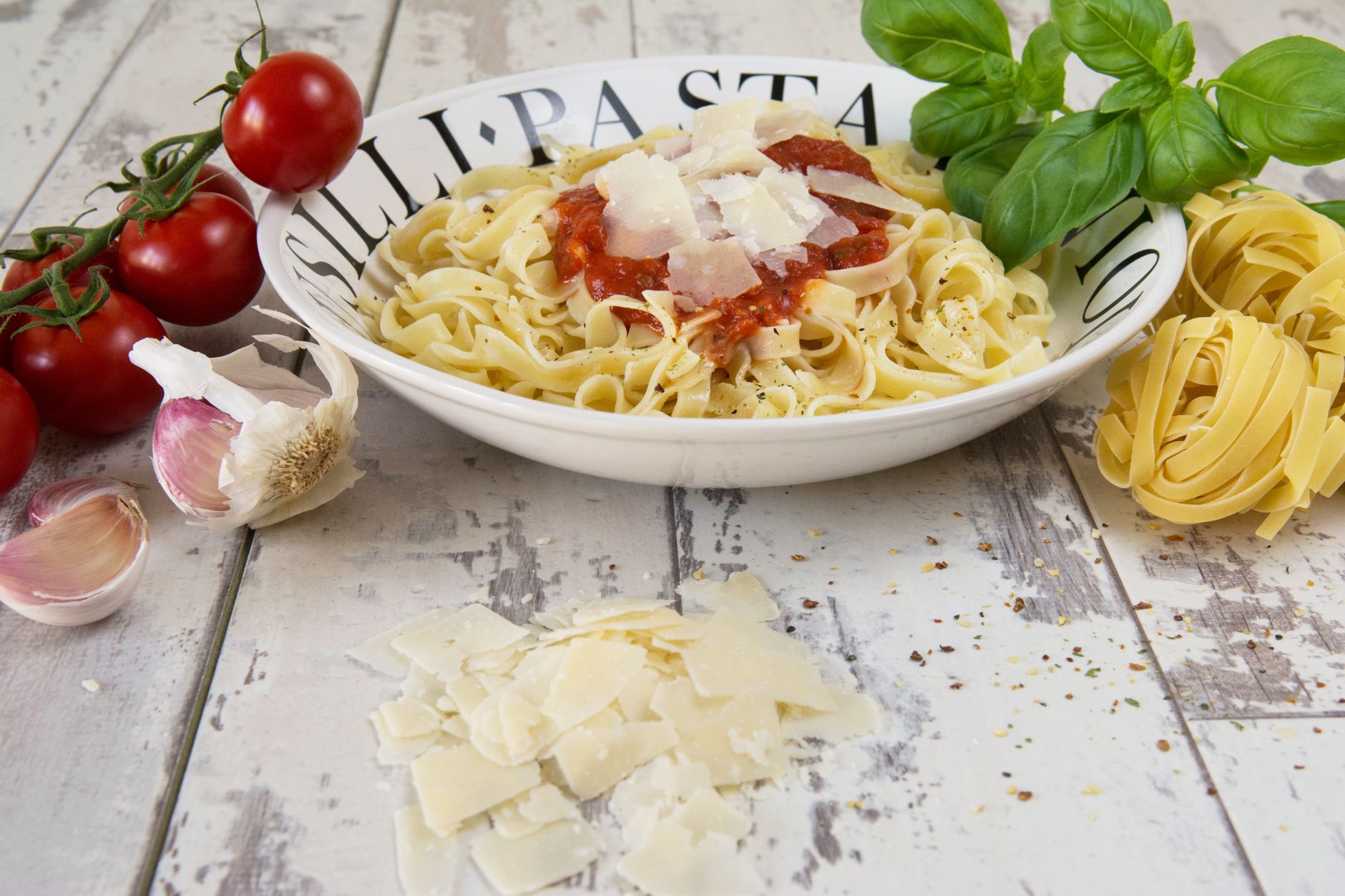
Choosing the best tomatoes for sauce transforms your cooking from ordinary to exceptional. Whether fresh or canned, selecting meaty, flavorful varieties sets the foundation for rich, balanced sauces that taste straight from Italy. Next time you shop, check the label carefully or try the recipe above to experience the difference yourself. Your pasta will thank you.
FAQs
Is best tomatoes for sauce actually Halal — what should I check on the label?
Fresh tomatoes are naturally Halal. For canned or processed tomatoes, ensure products have trusted Halal certifications like JAKIM, HMC, or IFANCA on the label to confirm no non-Halal additives or contamination, meeting Islamic dietary laws.
How long do homemade tomato sauces made from these tomatoes keep?
Refrigerated in an airtight container, homemade tomato sauces last 5 to 7 days. For extended storage, freeze in portions up to 3 months, thawing completely before use. Always reheat thoroughly before serving.
What makes these sauce tomatoes different from regular tomatoes?
Sauce tomatoes have firmer, meatier flesh with fewer seeds and lower water content compared to regular tomatoes. This results in thicker, richer sauces without excess liquid or sharp acidity common in salad tomatoes.
Are fresh sauce tomatoes safe to eat daily?
Yes, fresh sauce tomatoes are safe and healthy for daily consumption. They provide vitamins and antioxidants, especially when cooked into sauces, making them a nutritious addition to balanced meals.
Where is the best place to buy Halal-certified tomatoes for sauce?
Look for Halal-certified canned tomatoes at specialty grocery stores or trusted online retailers. Fresh sauce tomatoes are available at farmers’ markets and well-stocked supermarkets, especially during peak season for optimal flavor.