You reach into your pantry, grab a potato, and suddenly stop. Is that a soft spot? A weird smell? Knowing how to spot bad potatoes signs saves you from ruined meals and potential health risks. Potatoes are a staple in many kitchens, but they don‘t last forever. The good news is your senses can tell you everything you need to know. This guide walks you through exactly what to look for, what to smell, and when to toss them out.
Common Physical Signs of Bad Potatoes
What Does It Look Like When Potatoes Are Rotten?
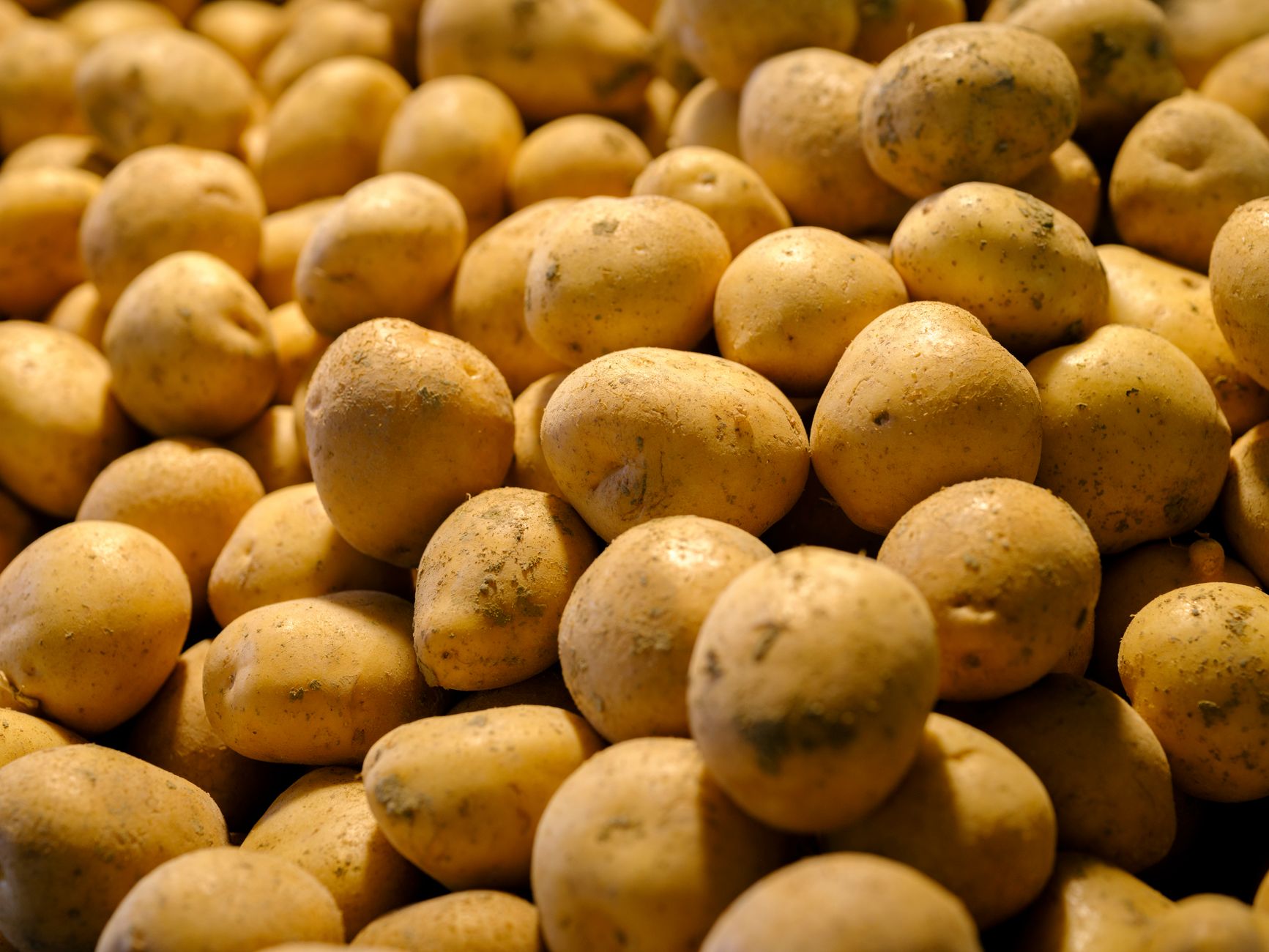
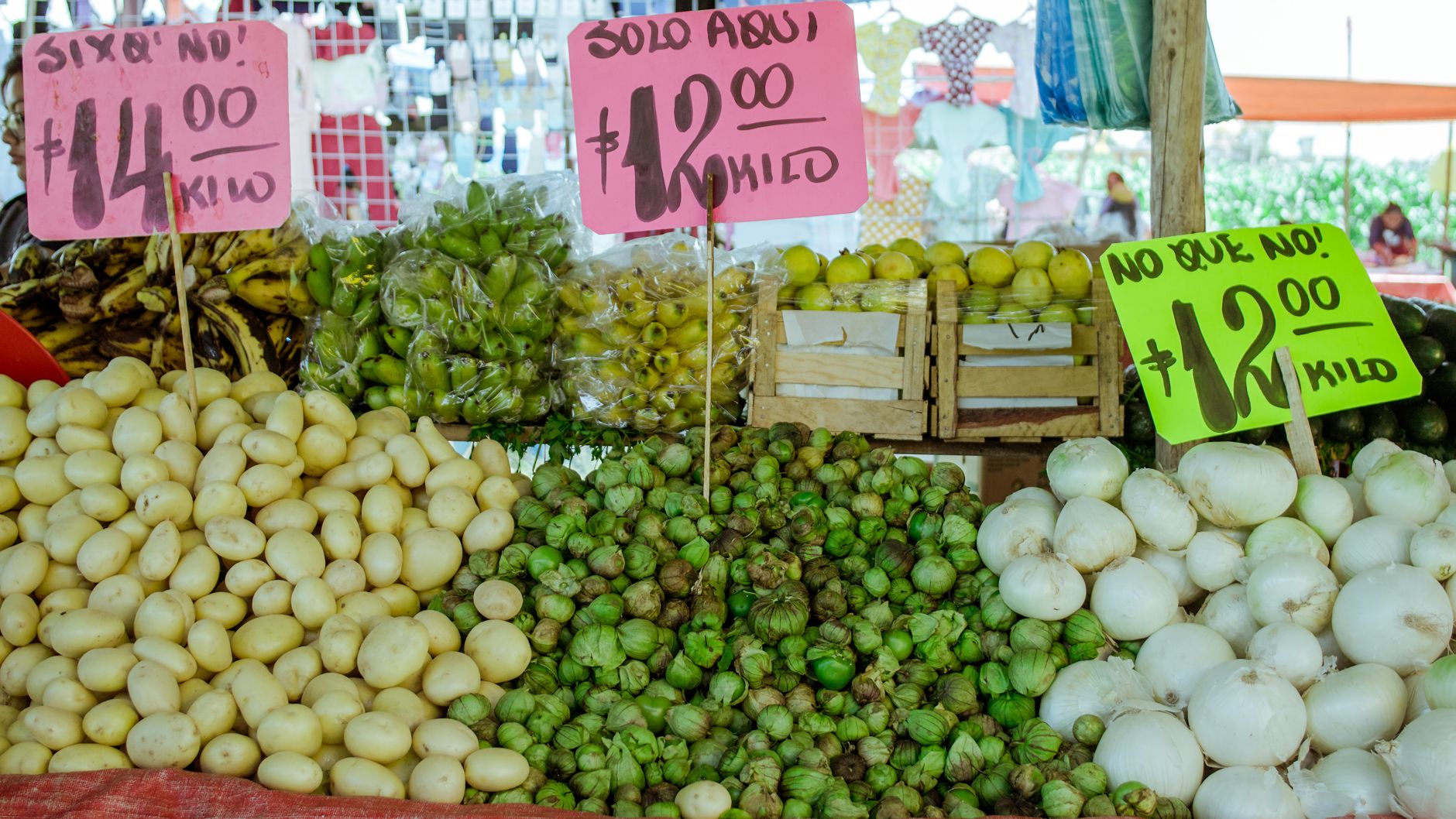
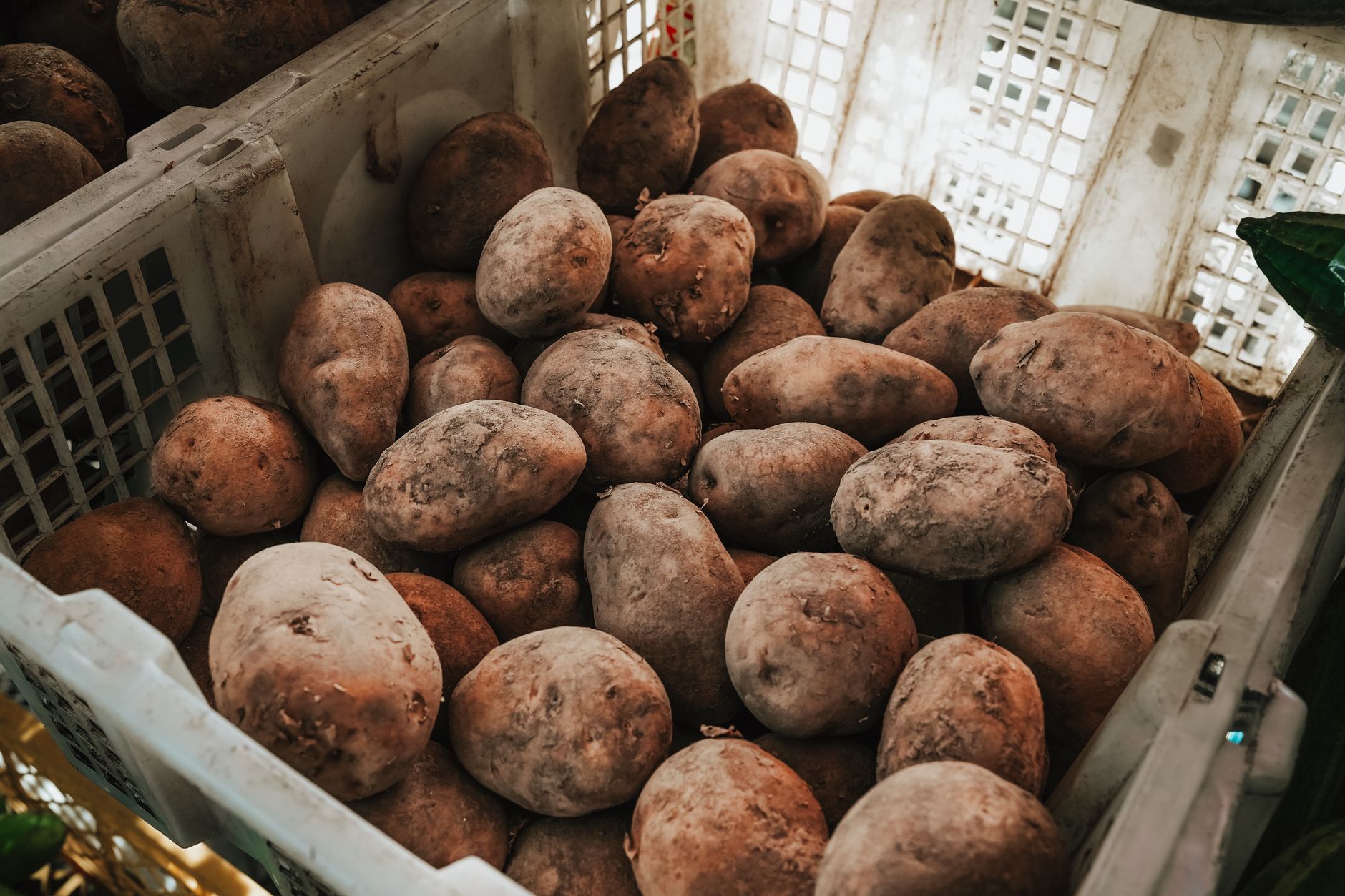
The first thing you notice is usually visual. Fresh potatoes have smooth, firm skin with an even color. When they start going bad, the skin wrinkles and dark spots appear. Green patches are a major warning they indicate solanine production, a natural toxin that can cause stomach upset. Sprouts are another clear signal. Small sprouts mean the potato is still usable if you cut them off, but long, thick sprouts suggest the potato is past its prime.
How to Tell Potatoes Are Bad by Texture
Pick up the potato and give it a gentle squeeze. A fresh potato feels dense and firm all over. If you feel soft spots, mushiness, or the skin feels loose and wrinkled, that potato is on its way out. Shriveling happens when potatoes lose moisture over time. A slightly shriveled potato can still be used if the flesh underneath is firm, but mushy spots mean bacteria or fungi have moved in. Trust your fingers on this one.
Recognizing Mold and Liquid Leakage on Potatoes
Mold appears as fuzzy spots in white, gray, or green. Sometimes you see black rot around bruises or cuts. If you notice liquid oozing from the potato, that is a strong sign of internal decay. Do not try to cut around these spots mold spores can spread deeper than you can see. Toss the entire potato immediately. Also check other potatoes stored nearby, because mold spreads fast in enclosed spaces.
Smell and Taste Indicators of Spoiled Potatoes
What Does Spoiled Potatoes Smell Like?
A fresh raw potato has a mild, earthy scent almost like clean dirt. When a potato goes bad, that smell changes. You might notice a musty, sour, or fermenting odor. In advanced spoilage, the smell becomes sharp and unpleasant, similar to rotting vegetables. If you open your pantry and something smells off, check your potatoes first. Your nose is often more reliable than your eyes for catching early spoilage.

Can You Taste When Potatoes Have Gone Bad?
You should never taste a potato to check if it is spoiled. Bitterness is a common sign of high solanine levels, especially in green potatoes. Even a small taste can cause tingling in your mouth or throat. If a cooked potato tastes off, bitter, or unusual, stop eating and discard the rest. Food safety experts from the USDA recommend relying on sight and smell instead of taste for testing spoilage.
Understanding Potatoes‘ Shelf Life and Storage Impact
How Long Do Potatoes Typically Last?
Whole raw potatoes stored in a cool, dark pantry last 3 to 5 weeks. Russet and Yukon Gold varieties tend to keep longer than thin-skinned red or new potatoes. Once cooked, potatoes last 3 to 4 days in the refrigerator. Cut raw potatoes should be used within 24 hours if refrigerated in water. Freezing raw potatoes is not recommended because the texture becomes watery but blanched or cooked potatoes freeze well for 10 to 12 months.
How Storage Conditions Affect Potatoes Going Bad
Temperature is the biggest factor. Potatoes store best at 45 to 50 degrees Fahrenheit. Warmer temperatures speed up sprouting and shriveling. Light exposure causes green patches and solanine buildup. Moisture promotes mold and rot. Do not store potatoes in plastic bags they trap humidity. Use a breathable mesh bag, paper bag, or open basket instead. Keep them away from onions, because onions release gases that make potatoes spoil faster.
Quick Guide: Best Ways to Store Potatoes for Longer Shelf Life
| Storage Method | Temperature | Humidity | Expected Shelf Life |
|---|---|---|---|
| Cool pantry or cellar | 45-50F | Low (dry) | 3-5 weeks |
| Refrigerator (raw) | 35-40F | Moderate | 2-3 weeks (may turn sweet) |
| Freezer (blanched/cooked) | 0F | Low | 10-12 months |
| Countertop (room temp) | 68-72F | Variable | 1-2 weeks |
Health Risks and Safety Precautions with Bad Potatoes
Why You Should Avoid Eating Bad Potatoes
The main risk comes from solanine, a natural compound that increases when potatoes turn green or sprout. According to food safety guidelines from the FDA, solanine can cause nausea, headache, and digestive issues if consumed in large amounts. Mold on potatoes can produce mycotoxins that are not destroyed by cooking. Soft rot bacteria can also cause food poisoning. Eating a slightly sprouted potato after removing the sprouts is generally safe, but if the potato is soft, green, or smells bad, do not take the chance.

What to Do If You Accidentally Eat Bad Potatoes
If you eat a small amount of green or sprouted potato and feel fine, you are likely okay. Watch for symptoms like stomach cramps, nausea, vomiting, or diarrhea within a few hours. Drink water and rest. If symptoms are severe or persist, contact your healthcare provider. For children or older adults, be more cautious because their bodies handle toxins differently. Most cases resolve on their own with hydration and rest.
How to Prevent Potatoes from Going Bad Quickly
Tips for Buying Fresh Potatoes That Last
At the store, pick potatoes that feel heavy for their size. Heavy means they still have good moisture content. Avoid potatoes with cracks, soft spots, green patches, or visible sprouts. Check the bag for any liquid at the bottom that indicates damaged potatoes inside. Buy only what you will use within a few weeks. When you get home, take them out of plastic bags immediately and transfer them to proper storage. Having a good kitchen knives guide also helps you trim away small imperfections safely.
Best Practices for Potato Storage at Home
Keep potatoes in a dark, cool, and well-ventilated spot. A basement, cellar, or a dark cupboard away from the stove works well. Check them once a week and remove any that show signs of spoilage one bad potato can speed up decay in the whole batch. Do not wash potatoes before storing, because moisture encourages mold. Wash them only right before cooking. If you store potatoes in the fridge, expect a slightly sweeter taste due to starch conversion, but they will still cook fine.
Using Leftover Potatoes Safely
Cooked potatoes should cool down within two hours and go into the refrigerator. Store them in a sealed container for 3 to 4 days. Reheat thoroughly to 165 degrees Fahrenheit before eating. Do not leave cooked potatoes at room temperature for more than two hours they can grow bacteria like Clostridium botulinum if kept in anaerobic conditions like foil wraps. If you have leftover mashed potatoes, add a splash of milk or butter when reheating to restore texture. For a quick snack idea, check out our guide on selecting a ripe pineapple to pair with your meals.
Frequently Asked Questions About Bad Potatoes
When is the best time to eat potatoes to avoid spoilage?
The best time is within 1 to 2 weeks of purchase for optimal freshness. Potatoes stored properly in a cool pantry stay good for 3 to 5 weeks, but flavor and texture decline after the first two weeks. Buy smaller quantities more often if you cannot use them quickly.
Can you cut off the bad part of a potato and eat the rest?
It depends. If the potato has small sprouts or a tiny green spot, you can cut those parts off and use the rest. But if the potato feels soft, smells bad, or has widespread green color, discard the whole thing. Toxins and rot can spread beyond what you see.
Are sprouted potatoes safe to eat?
Small sprouts are safe if you remove them completely and the potato feels firm. Once sprouts grow long or thick, the potato has lost moisture and nutrients. The potato may also have higher solanine levels. For best quality, use sprouted potatoes soon and cut off all sprouts first.
Why do potatoes turn green?
Green color appears when potatoes are exposed to light. This triggers chlorophyll production and also increases solanine, a natural toxin. Green potatoes taste bitter and can cause stomach issues if eaten in large amounts. Store potatoes in complete darkness to prevent greening.
Do potatoes last longer in the refrigerator?
Yes and no. Refrigeration extends shelf life to 2 to 3 weeks, but cold temperatures convert starches into sugars. This makes potatoes taste sweeter and turn darker when cooked. If you prefer normal flavor, store in a cool pantry instead. Refrigeration works best for potatoes you will boil or mash.
What happens if you eat a rotten potato?
Eating a fully rotten potato can cause nausea, vomiting, stomach cramps, and diarrhea. In rare cases with high solanine levels, symptoms may include headache, confusion, or weakness. Most symptoms resolve within 24 hours. Drink fluids and rest. Seek medical help if symptoms are severe or if a child or elderly person is affected.
Can bad potatoes make you sick even after cooking?
Yes. Cooking destroys some bacteria but does not remove solanine or mycotoxins from mold. If a potato was already spoiled before cooking, the toxins remain. Always inspect raw potatoes thoroughly before cooking. When in doubt, throw it out.
More You Might Like
If you enjoyed this guide, you may also find our kitchen knives guide helpful for preparing fresh produce safely and efficiently. A sharp knife makes trimming sprouts and bad spots much easier. You might also like our article on choosing a ripe pineapple for a fresh and healthy snack alternative to potatoes.
Conclusion
Learning to recognize bad potatoes signs keeps your kitchen safe and reduces food waste. Trust your eyes for discoloration, sprouts, and mold. Trust your fingers for firmness. Trust your nose for off odors. When any of these signals appear, act quickly trim small issues or discard the whole potato if the damage is widespread. Next time you grab a potato from your pantry, give it a quick check. A few seconds of inspection can save you from a bad meal and keep your cooking on track. Happy cooking.
FAQs
Is a potato showing bad signs actually Halal – what should I check on the label?
Potatoes themselves are Halal, but spoiled ones may contain harmful toxins like solanine or mycotoxins. If a potato is green, sprouted, soft, or smells off, it is not safe to eat according to Islamic dietary principles of avoiding harm. No label is needed for raw potatoes, but always inspect them thoroughly before cooking.
How long do potatoes last after purchase?
Whole raw potatoes stored in a cool, dark pantry last 3 to 5 weeks. Thin-skinned varieties like red or new potatoes keep about 2 to 3 weeks. Once cooked, potatoes last 3 to 4 days in the refrigerator. For longest shelf life, store them in a breathable mesh bag at 45–50°F with low humidity.
What is the difference between a green potato and a sprouted potato?
Green potatoes develop from light exposure and produce solanine, a bitter toxin that can cause stomach upset. Sprouted potatoes have small shoots but can be used after removing sprouts if the flesh is firm. Green potatoes are more dangerous because solanine spreads throughout; sprouted potatoes are safe if trimmed and the potato is not soft.
Is it safe to eat potatoes every day?
Yes, potatoes are safe to eat daily if they are fresh, properly stored, and cooked well. However, avoid eating green or sprouted potatoes regularly due to solanine buildup. Balance your diet with other vegetables. Always check for any signs of spoilage before consuming potatoes each day.
Where can I buy high-quality potatoes that last longer?
Look for potatoes at trusted grocery stores or farmers’ markets. Choose potatoes that feel heavy, have smooth skin, and no soft spots or sprouts. Avoid bags with moisture inside. Store them immediately in a cool, dark place at home. For halal-certified options, check local halal grocery stores for fresh produce.