Alright, Im going to be real with youcooking wine might seem like one of those magical kitchen shortcuts we all keep around just in case. But have you ever wondered if it actually belongs there or if its doing more harm than good? Let me spoil it for you: cooking wine drawbacks are a thing, and theyre not exactly the kind of thing your taste buds or your health want to brush off.
If youve ever asked yourself Is cooking wine safe? or found yourself cringing at that weird, almost salty tang it leaves behind, youre not alone. And hey, it turns out there are lots of better options alternatives that can really upgrade your dishes without the sneaky downsides. So, grab a cup of your favorite drink (maybe not cooking wine!) and lets unravel why that bottle in your pantry might not be the hero you thought it was.
Whats Cooking Wine Anyway?
Before we jump in headfirst, lets get on the same page. Cooking wine is different from the wine youd sip over dinner. Its made specifically for cooking, but often that means its got added salt, preservatives, and sometimes ingredients you might want to avoidor at least know about.
People typically reach for cooking wine because its cheap and convenient. Think: needing a splash of wine flavor without cracking open an expensive bottle of vino. But, heres the thingthose extra ingredients can turn your dish from tasty to whats that weird aftertaste? in no time.
Whats Actually in Cooking Wine?
So, what lurks inside that bottle labeled cooking wine? Apart from the alcohol and grape juice, most cooking wines pack in a hefty dose of salt. Some even add preservatives like sodium benzoate and flavor enhancers (hello, MSG). Why? Because they want the wine to last on the supermarket shelf without spoiling. Its practical, surebut these additions come at a cost.
And if youre watching your sodium intake (or trying to cook for little ones or someone with health issues), that salty punch can sneak up on you fast. The added salt also messes with the natural taste of wine, giving cooking wine its too-salty, bitter reputation.
How Does Cooking Wine Taste?
If youre wondering about the infamous cooking wine taste, picture this: a sharp, salty note that overpowers delicate flavors. Thats because of the salt and preservatives I mentioned. Instead of enhancing your dish, cooking wine can clash with the other ingredients, making your sauce or stew feel kinda off.
Professional chefs often avoid cooking wine because it rarely brings the subtle, rich nuances they want in their creations. But dont just take my word for itgive it a try next time and see if you notice that cooked-in saltiness that lingers far longer than it should.

Cooking Wine Drawbacks You Might Not Expect
Okay, lets get down to brass tacks. What are the real cooking wine drawbacks beyond just the weird taste? And yes, I promise to be fairwell touch on what this stuff can do right, too, but spoiler: the cons definitely pile up.
Is Cooking Wine Safe to Use?
Short answer: yes, its safe to use in cookingbut with important asterisks. The alcohol in cooking wine usually doesnt fully burn off during normal cooking, so you end up with traces of it in your meal. For most people, this isnt a big deal, but if youre cooking for kids, pregnant family members, or anyone avoiding alcohol, its something to consider.
Also, because of that high salt content and preservatives, cooking wine isnt the healthiest condiment on your shelf. Too much salt can raise blood pressure and pose other health risks if consumed regularly, especially in larger quantities in sauces or reductions.
Cooking Wine Health Risks
One of the sneaky issues with cooking wine is its salt content. Its often loaded with sodiumway more than regular drinking wine. If youre trying to limit salt for heart health or other reasons, this can be a real dealbreaker.
Beyond salt, additives like preservatives can cause reactions in sensitive folks or people with allergies. Some commercially produced cooking wines may also include sulfites or artificial flavors, which can cause digestive discomfort or headaches in sensitive individuals.
Plus, lets be honest, relying on cooking wine can tempt you to add it more freely because its just for cooking, but those little increments add up, both in salt and alcohol content.
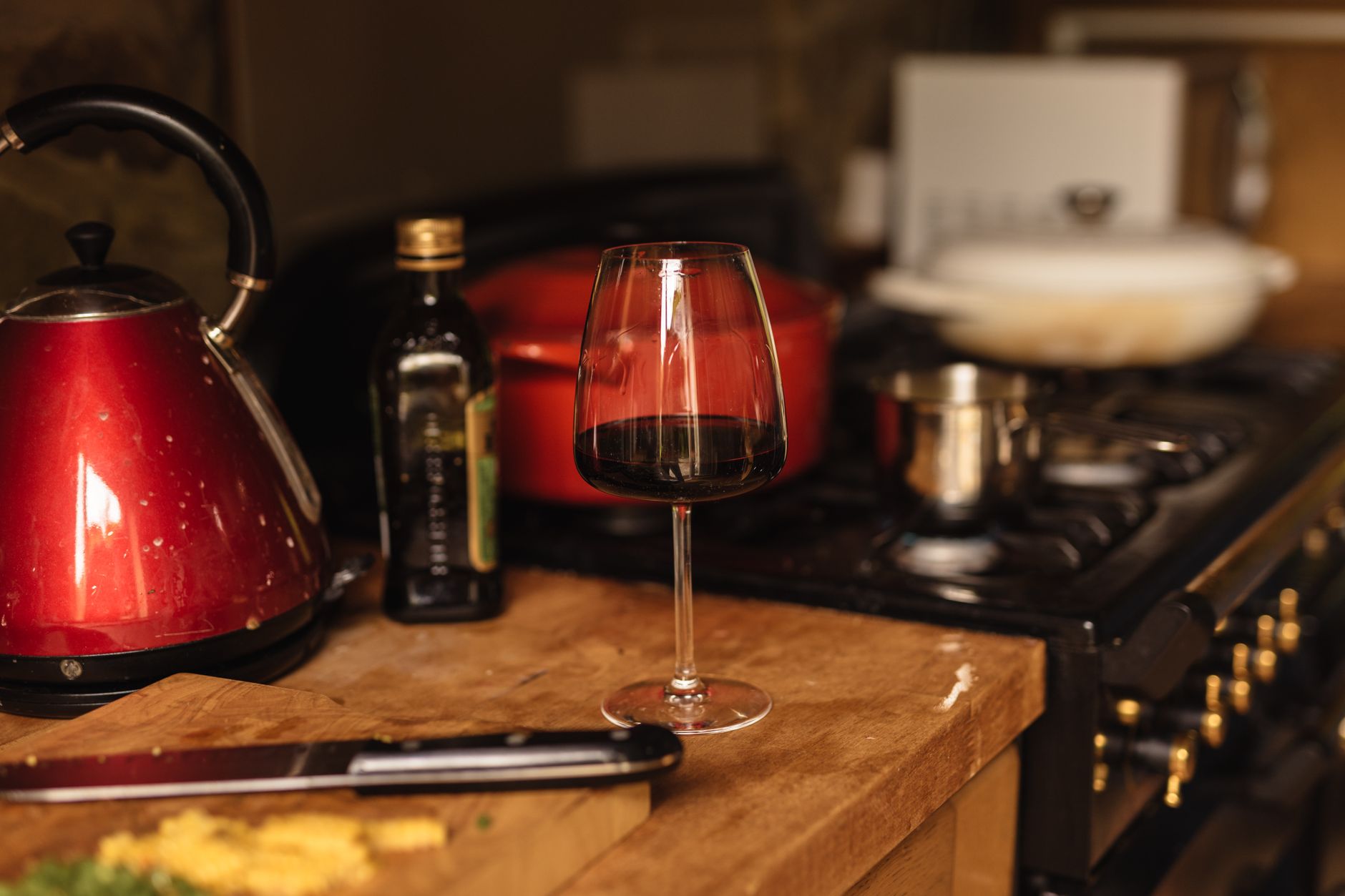
How Does Cooking Wine Affect Your Food?
Beyond health, probably the most immediate drawback is how cooking wine changes your dish. Because of the salt and added chemicals, it can overwhelm subtle flavors, making your meals taste like you just dumped in a salty vinegary splash. Sometimes it flat-out ruins the dish.
Have you ever tasted a sauce that felt sharp and harsh? Yeah, cooking wine might be the culprit. And if youre new to cooking and rely on it heavily, you might not even realize the difference until you try a real wine or alternatives.
But dont worrythere are ways out of this kitchen pickle.
What to Use Instead of Cooking Wine
Now heres the good news! There are plenty of flavorful cooking wine alternatives that let you skip the downsides without sacrificing taste.
Top Alternatives to Cooking Wine
| Alternative | Description | Best Uses |
|---|---|---|
| Regular Dry Wine | A splash of real, good-quality red or white wine adds natural, complex flavors with less salt. | Sauces, stews, risottos |
| Broth or Stock + Vinegar/Lemon | Chicken, beef, or vegetable broth with a dash of vinegar or lemon juice mimics acidity and depth. | Marinades, soups, braises |
| Grape Juice + Vinegar | Use grape juice diluted with vinegar for sweetness and acidity without alcohol. | Glazes, sauces |
| Non-Alcoholic Wines or Verjuice | These products are created for cooking flavor without alcohol content. | Salad dressings, sauces |
How to Substitute Cooking Wine in Recipes
Worried about messing up your recipes? Heres an easy cheat: generally, replace 1/4 cup cooking wine with 3 tablespoons of broth plus 1 tablespoon of vinegar or lemon juice. Its a pretty reliable combo that keeps your dishes bright and layered without the salt overload.
Next time youre running low on wine but still want that umami pop, grab something from your fridge or pantry instead of reaching for that notorious cooking wine bottle. Trust me, your taste buds will thank you.
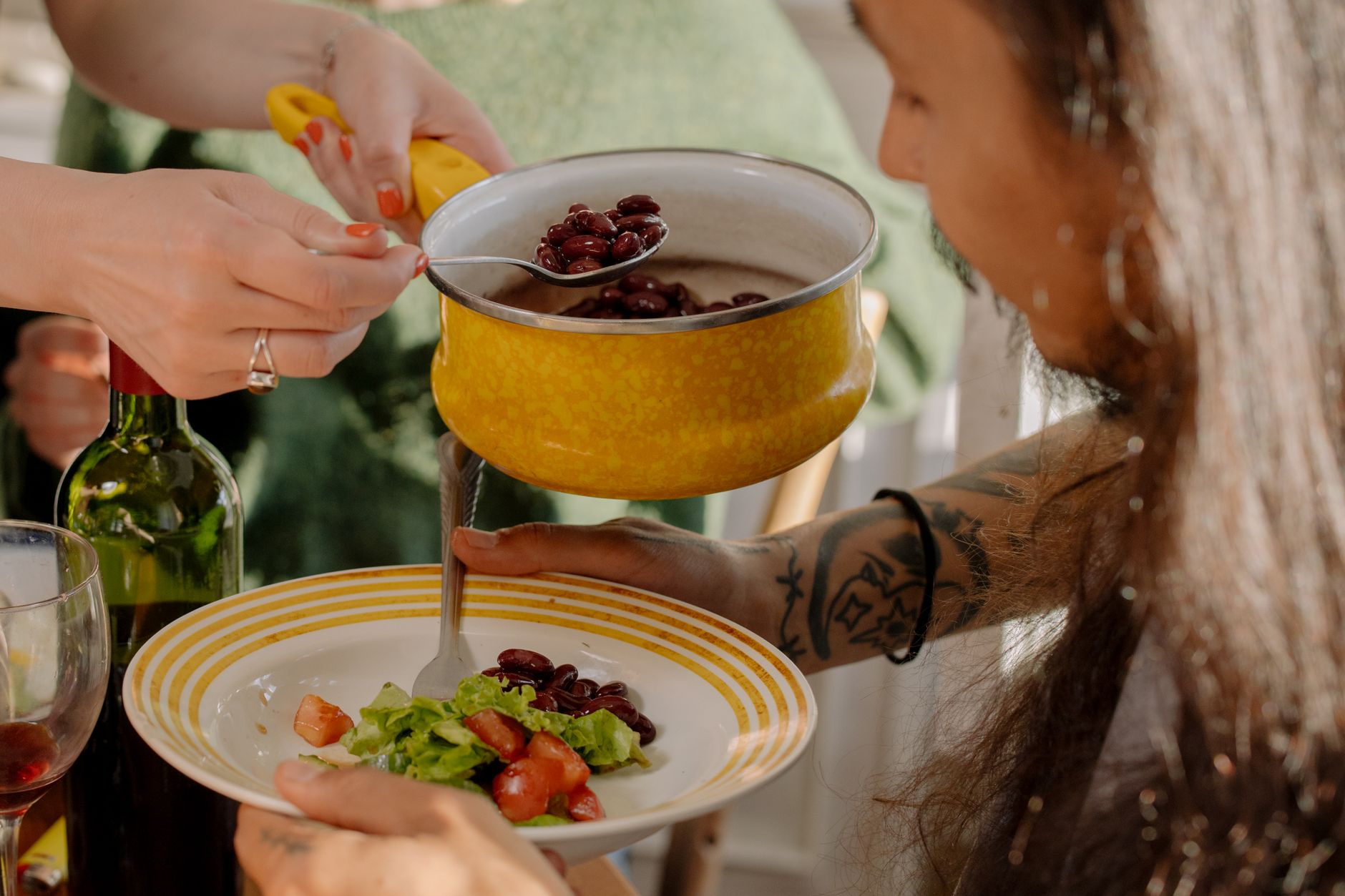
When Is Cooking Wine Actually Recommended?
Okay, dont toss out your cooking wine just yet. Sometimes its handylike when you need a quick fix or if youre making a recipe where the saltiness isnt a bad thing (some marinades, for example).
If you do decide to use it, go for better-quality cooking wines with less salt and additives. That way, you keep things closer to what a real wine would taste like without sacrificing convenience.
But honestly, if youve got the time to experiment with alternatives, your food is probably going to come out shinier and tastier.
Experts Weigh In and Real Cooking Stories
Chefs and food experts often raise their eyebrows at cooking wine. The consensus? Its more for pantry emergencies than for star-quality meals. Food science backs this up tooadded preservatives and salt can sabotage the subtleties of your dish.
From personal experience, I remember the first time I swapped cooking wine for a homemade broth and splash of lemon in a chicken stew. The difference was night and dayrich, fresh, and way less salty. And if youre curious, many home cooks have shared similar stories, noting how online groceries now make it super easy to grab fresh substitutes without hassle.
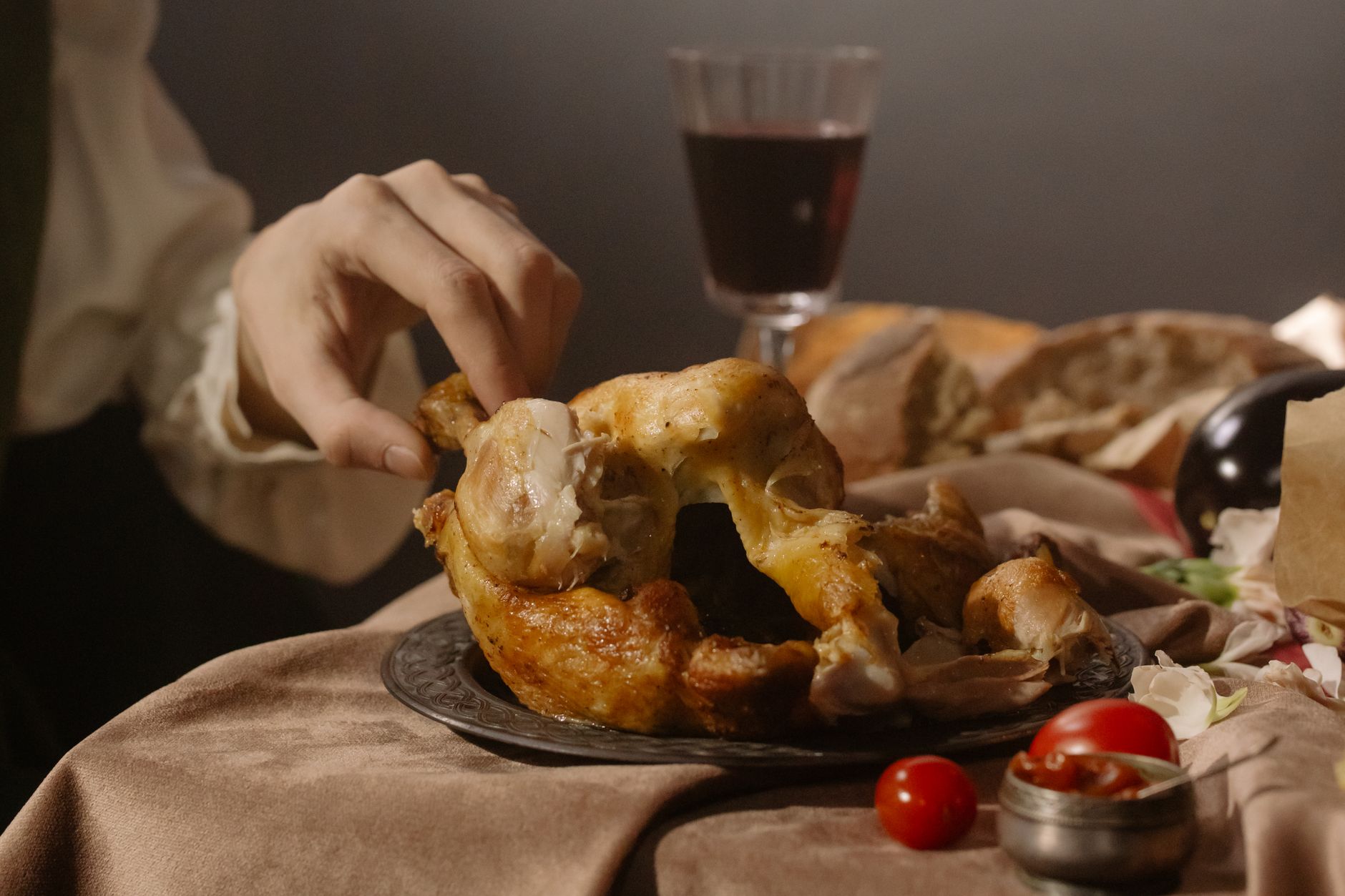
Wrapping It Up: Should You Avoid Cooking Wine?
So, heres the bottom line on cooking wine drawbacks: its a cheap, convenient product that can quickly dampen your dishs flavor and might bring some health concerns with that extra salt and preservatives. Yeah, its safe for most people in small amounts, but its rarely the best choice if you want fresh, balanced meals.
Try swapping it out for better alternativesreal wine, broth mixtures, or even grape juice blends. These options offer you more control over flavor and nutrition without sacrificing ease.
And hey, if you want to keep your kitchen both budget-friendly and healthy, why not check out some tips on cheap groceries that wont wreck your wallet or your meals? Cooking should be fun and tasty not a guessing game with hidden pitfalls.
What do you think? Have you ever been surprised by cooking wines taste or decided to ditch it for good? Share your experiences or questions belowbecause sharing kitchen hacks is what friends are for!
FAQs
Is cooking wine safe to use in meals?
Yes, cooking wine is generally safe to use, but it contains alcohol that may not fully cook off and has added salt and preservatives which can affect health when consumed frequently.
Why does cooking wine taste different from regular wine?
Cooking wine contains added salt, preservatives, and sometimes flavor enhancers, which give it a sharp, salty taste that can overpower dishes compared to drinking wine.
What health risks are associated with cooking wine?
Cooking wine often has high sodium content and preservatives that may raise blood pressure or cause allergic reactions in sensitive individuals.
What are the best substitutes for cooking wine in recipes?
Good alternatives include regular dry wine, broth combined with vinegar or lemon juice, grape juice mixed with vinegar, and non-alcoholic wines or verjuice.
Can cooking wine negatively affect the flavor of my food?
Yes, cooking wine’s high salt and preservative content can overwhelm delicate flavors, leaving a harsh or salty aftertaste that ruins the dish’s balance.