Thinking of swapping soju for sake in your recipe? Hold on for a second. The difference between these two popular Asian spirits runs deeper than you might expect. Soju vs sake isnt just about flavor its about alcohol content, cooking chemistry, and respecting culinary traditions. This quick decision could turn your carefully crafted dish into something less flavorful or downright off.
Soju and Sake Basics
To appreciate why soju isnt a perfect substitute for sake, we need to understand what each spirit brings to the table. They both come from East Asia but differ in origin, ingredients, and how theyre traditionally enjoyed.
What Is Soju? Key Characteristics and Alcohol Content
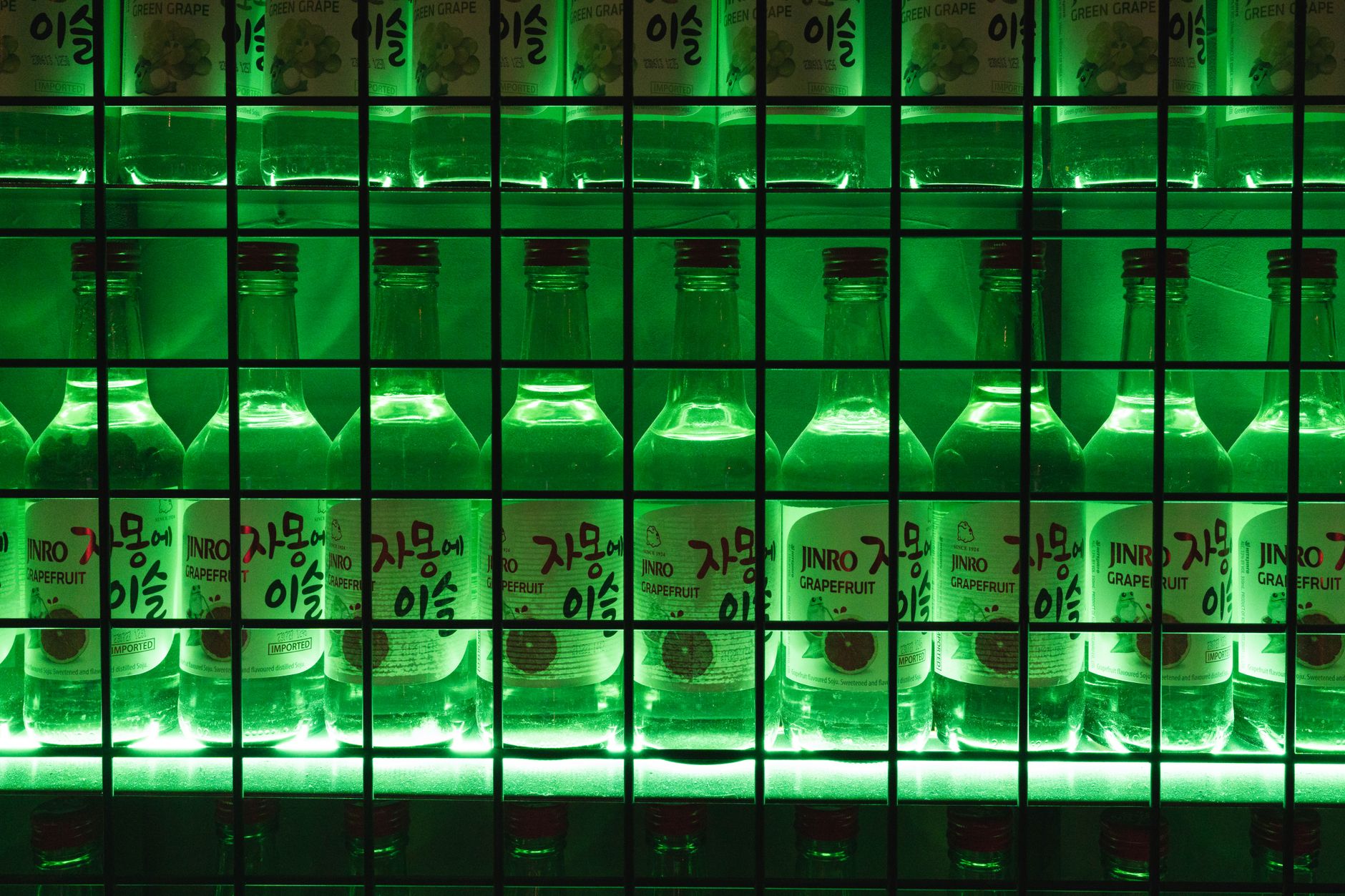
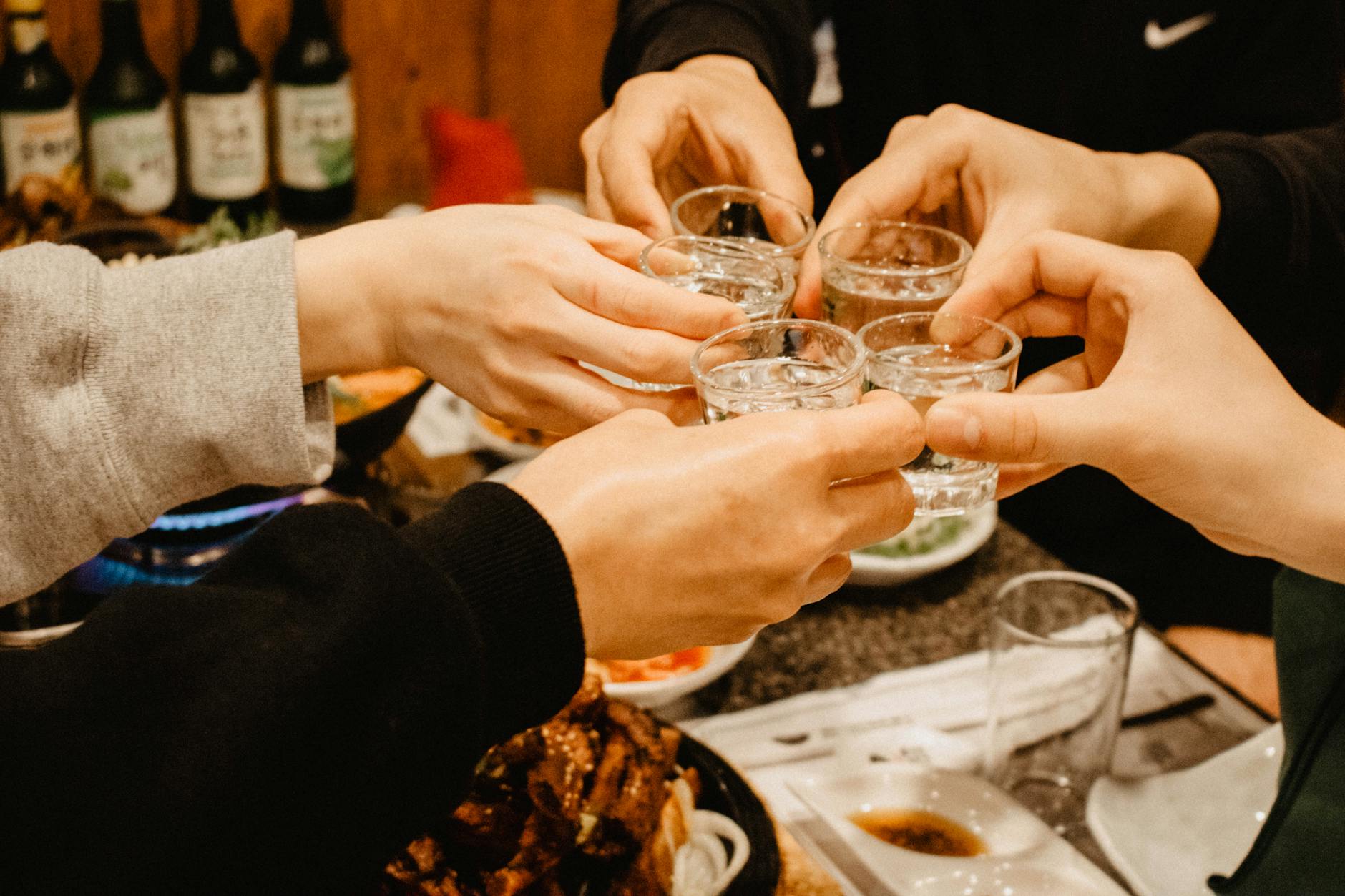
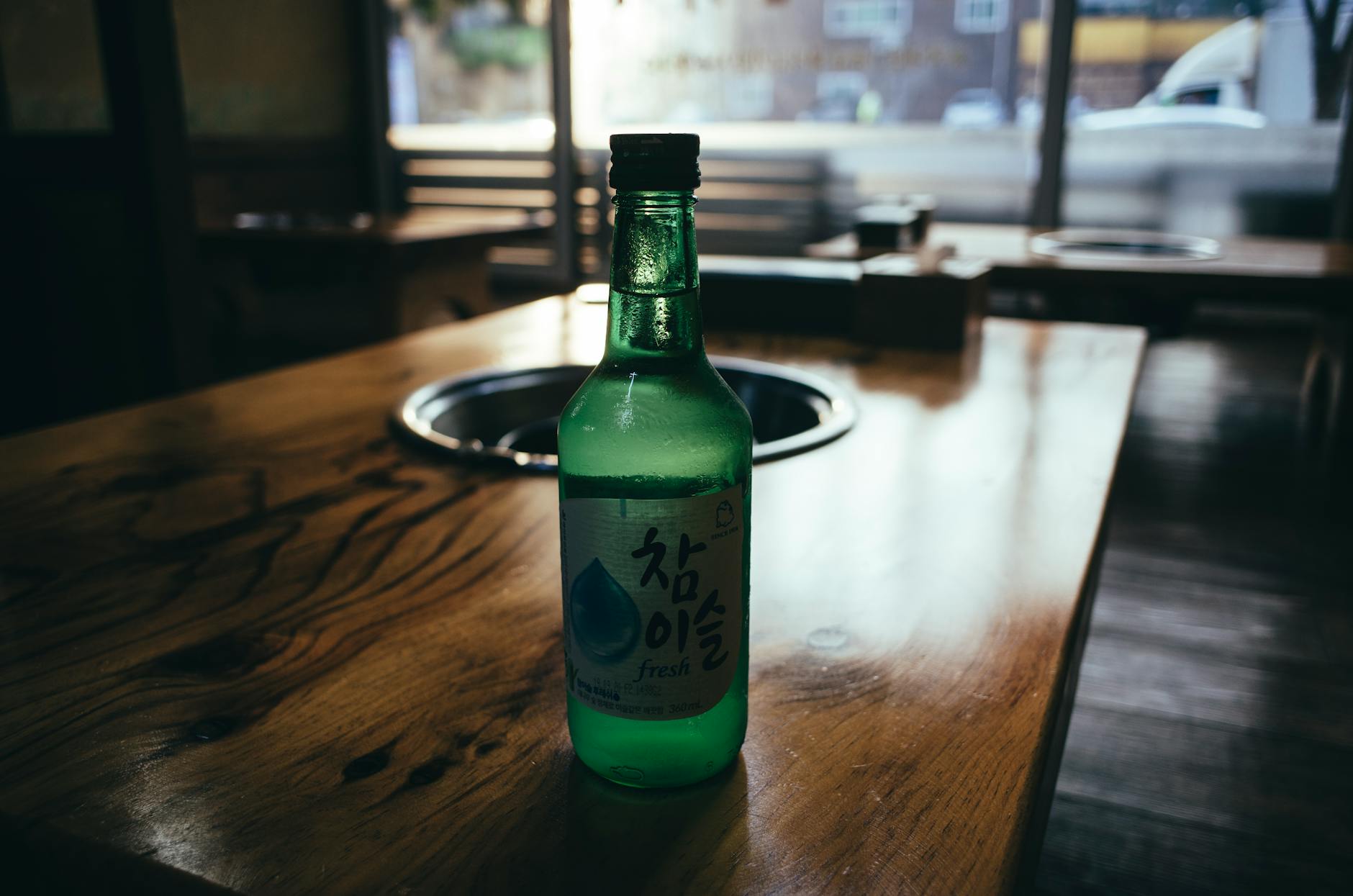
Soju is a Korean distilled spirit typically made from rice, barley, or sweet potatoes. Its alcohol content ranges from 15% to 25%, varying by brand and style. Unlike sake, which is brewed more like beer or wine, soju is distilled giving it a cleaner, sharper profile. Flavor-wise, soju tends to be sweeter or more neutral, sometimes even a bit watery depending on the brand. This makes it easy to sip but less complex in taste, especially when cooking.
What Is Sake? Flavor Profile and Alcohol Content
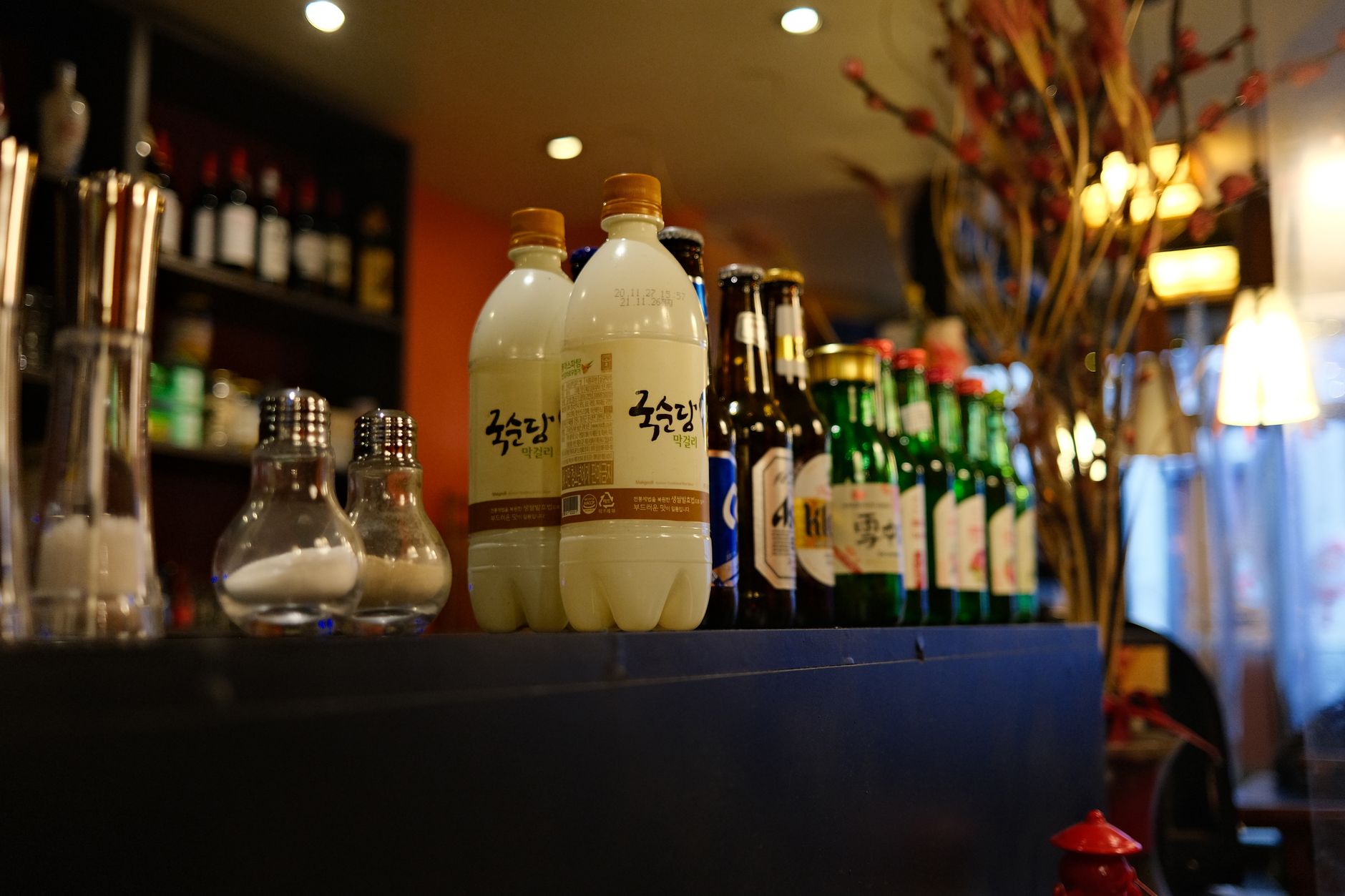
Sake is a Japanese rice wine brewed by fermenting polished rice with water and koji mold. Its alcohol content typically sits between 13% and 16%. Sakes flavor profile is intricate featuring umami-rich notes, subtle sweetness, acidity, and a velvety texture. This complexity unfolds nicely in both sipping and cooking. Sakes fermentation process results in a unique blend of aromas and flavors that bring nuance to dishes like sukiyaki, marinades, and delicate soups.
Why Soju Fails as a Sake Substitute
Swapping soju for sake might sound convenient, but the two behave very differently in recipes. Understanding these differences can save your dish and avoid frustration in the kitchen.
Flavor Impact How Soju Changes the Taste of Sake-Based Dishes
The biggest difference? Flavor. Sake carries delicate umami and acidity, adding depth and balance. Soju, on the other hand, often brings a sweeter, more neutral taste or even a mild alcoholic sharpness. This shift can flatten a sake-based dishs layers or disrupt intended flavor harmonies.
Take Japanese hot pot (shabu-shabu) or teriyaki sauces as examples. Using soju here can dull the characteristic subtlety sake contributes. Even Korean fusion dishes that call for sake lose some authenticity and mouthfeel when you swap it with soju.
Chefs in authentic kitchens stress this point: even a slight flavor mismatch can tip a dishs balance, turning a refined meal into a bland or oversweet one.
Alcohol Content Differences and Cooking Effects
Alcohol evaporation plays a big role in cooking, and this is where the variance in alcohol content matters. Sojus range (1525%) can be higher than sakes (1316%). A higher alcohol content means faster evaporation and can affect cooking times or the texture of marinated meats.
Alcohol helps extract flavors from ingredients and tenderizes proteins. Using the wrong alcohol percentage can lead to uneven textures or overpower the dishs aroma. Soju‘s distillation leads to a cleaner alcohol taste but less fermentation complexity. This difference changes how the spirit reacts under heat, which you might notice in slow-cooked or delicate recipes.
Authenticity and Cultural Context
Cultural authenticity matters, especially with traditional recipes. Sake isnt just an ingredient; it carries centuries of heritage and specific flavor intent. Using soju might be practical, but it compromises the experience and respect owed to those dishes.
Cooks who love their craft emphasize using sake for true Japanese tastes. While soju has its place in Korean cooking, borrowing it to replace sake often feels like shortcutting tradition and the final dish reflects that.
Better Alternatives Than Soju for Sake
If you dont have sake on hand, are you stuck? Not exactly. Some alternatives capture sakes spirit better than soju.
Shochu The Closer Cousin
Shochu is another Japanese distilled beverage with an alcohol content usually around 2530%. Although stronger than sake, shochu shares more flavor characteristics with it than soju does. It is commonly made from barley, sweet potatoes, or rice, and it carries earthier, richer notes closer to sakes complexity.
In cooking, shochu often retains the umami and depth sake provides, making it a more balanced replacement when sake is unavailable.
Mirin and Other Rice Wines
Mirin is a sweet rice wine used in Japanese cooking that adds sweetness and acidity similar to sake. While mirin is less alcoholic (typically under 14%) and more sugar-forward, mixing mirin with water or a splash of neutral alcohol can mimic sakes flavor balance.
Other rice wines, like Chinese Shaoxing wine, can be used cautiously. But avoid too strong or overly fragrant alternatives that clash with the intended taste.
Using Soju in Cooking With Caution
Soju isnt a total no-go. Its great in dishes where the alcohols distinct sweetness or neutrality wont overpower, such as in fusion recipes or marinades with robust flavors. To do this, balance soju by adding small amounts, reducing added sugars elsewhere, or complementing with stronger umami ingredients.
For example, a Korean BBQ marinade might tolerate soju better, especially when balanced with soy sauce, garlic, and sesame oil. But stick to small doses and taste test often.

Soju vs Sake in Cooking: Comparison Table
| Feature | Soju | Sake |
|---|---|---|
| Alcohol Content | 1525% | 1316% |
| Base Ingredients | Rice, barley, sweet potatoes | Polished rice & water |
| Flavor Profile | Sweet, neutral, slightly sharp | Umami, sweet, acidic, complex |
| Cooking Impact | Faster alcohol evaporation; less umami | Balanced evaporation; enriches flavor |
| Common Uses | Korean drinking and some fusion dishes | Japanese cooking, sipping, ceremonies |
| Availability | Widely available; often affordable | Specialty shops; variable price |
Is Soju Actually Halal What Should I Check?
Not all soju is Halal. Many brands contain added alcohol or ingredients that might not meet Halal standards. When buying, look for Halal certification logos like JAKIM, HMC, or IFANCA on the label. Check the ingredient list carefully. If theres any doubt, consult the manufacturer or avoid consumption to stay safe.
When Is the Best Time to Eat or Drink Sake?
Sake is versatile it pairs well with meals or can be enjoyed on its own. For cooking, add it early to simmer sauces or marinades to let the flavors meld. For drinking, sake is best served chilled or warm depending on the type and season. It enhances Japanese or seafood dishes beautifully during lunch or dinner.
Can I Use Soju in Baking Recipes Instead of Sake?
Sojus sweeter, neutral profile might alter baked goods flavor if substituting for sake. Since sake adds subtle acidity and umami, soju might make the product less complex or sweeter than intended. If you must use soju, reduce added sugars and test small batches first.
Are There Health Differences Between Soju and Sake?
Sake contains amino acids and antioxidants from fermentation. Soju, being distilled, may lack these compounds but often has fewer calories per serving depending on alcohol content and added sugars. Moderation is key with both, especially if you track calories or sugar intake. Refer to nutritional data based on your brand for specifics.
How Does Alcohol Content Affect Cooking Time?
Higher alcohol content like in soju evaporates faster when heated, which can lead to shorter cooking times or less flavor absorption. Sakes lower alcohol content allows gradual evaporation, enriching taste over longer cooking. Adjust cooking times accordingly when substituting spirits.
What Are Some Popular Dishes That Require Sake?
Classic dishes like sukiyaki, teriyaki, miso soup, and tempura batter often use sake for its flavor and tenderizing effects. These benefit from sakes unique umami and acidity. Avoid replacing sake with soju in these dishes to maintain authentic taste.
How Should I Store Sake and Soju After Opening?
Store sake in a cool, dark place or refrigerated to preserve freshness for about 57 days after opening. Soju, due to its distilled nature, lasts longerusually up to 3 months when sealed properly. Keep both tightly closed and away from heat or sunlight for best taste.
Pro Tips for Using Sake and Soju in Your Kitchen
- Dont underestimate alcohols role in texture. Sojus higher content needs less cooking time to avoid drying out meats.
- Buy Halal-certified bottles to ensure compliance, especially for imported soju and sake brands.
- Experiment with small amounts of soju in fusion recipes but always adjust sugar and acidity for balance.
- When buying sake, look for labels indicating junmai (pure rice sake) as it tends to be quality-certified and free from added sugars.
- Explore the best glasses for your drinks to elevate your sipping experience.
More You Might Like
Curious about choosing healthier drink options? Check out our guide on Zero sugar vs diet. It unpacks what‘s really in your beverages.
If you enjoy beverages, we also cover the variety of beer glasses, perfect for matching your drink style to the right serving tool.
Conclusion
Soju vs sake in cooking isnt a straightforward choice. While soju is popular and easily found, it lacks the delicate flavor and cultural authenticity sake imparts to many Japanese dishes. Next time you shop, check the label carefully for Halal certification and choose sake or a closer alternative like shochu for cooking. Your recipes will thank you for it, and your palate will enjoy the richer, balanced flavors. Feel free to share your experiences or questions below!
FAQs
When is the best time to eat or drink Soju vs Sake?
Sake pairs beautifully with Japanese meals and seafood, best enjoyed chilled or warm depending on type and season. For cooking, add sake early to sauces or marinades to meld flavors. Soju is often consumed casually or with Korean dishes, but is less suited for traditional sake-drinking occasions.
Is Soju vs Sake actually Halal — what should I check on the label?
Not all soju or sake is Halal. Look for Halal certification logos such as JAKIM, HMC, or IFANCA on the label. Check ingredient lists for non-Halal additives. When in doubt, contact manufacturers or avoid consumption to ensure compliance with Halal standards.
How long do Soju and Sake last after opening?
Sake should be stored refrigerated in a cool, dark place and consumed within 5 to 7 days for best flavor. Soju, being distilled, can last longer—usually up to 3 months sealed and stored properly at room temperature away from heat and sunlight.
What is a common alternative to sake aside from soju?
Shochu is a closer alternative to sake due to its similar ingredients and flavor complexity. Mirin or other rice wines are also options, especially for cooking, as they mimic sake’s sweetness and acidity better than soju.
Is it safe to use Soju daily instead of Sake?
Both soju and sake contain alcohol and should be consumed in moderation. Soju typically has higher alcohol content, which may affect cooking results and health differently. Always consider alcohol content, added sugars, and your dietary needs when choosing daily consumption.