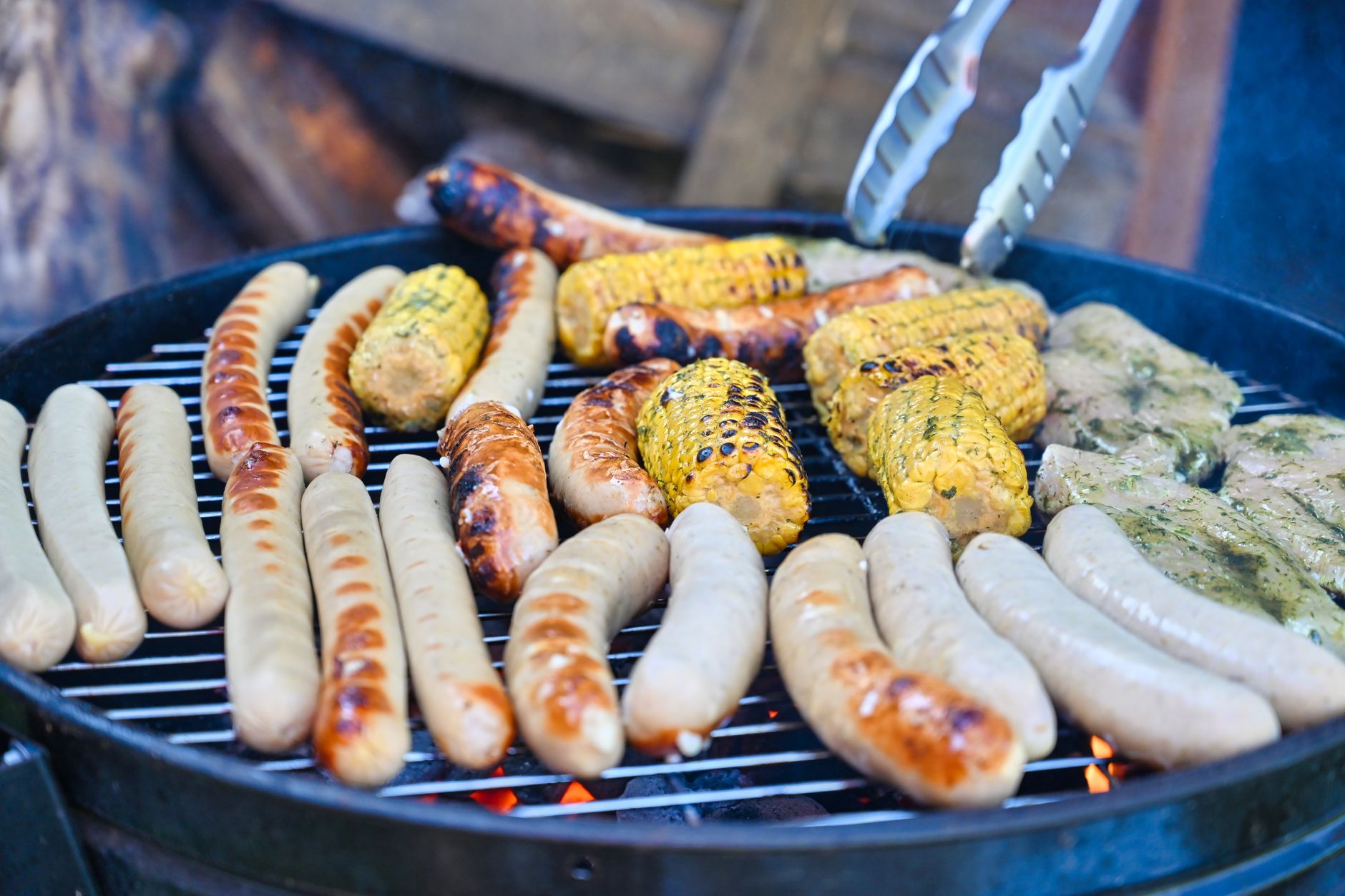
Sausages are a favorite in many households, but how often do you stop to check what‘s actually inside? Choosing the best sausage brands means looking beyond flavor and price, focusing on clean ingredients without harmful additives. With so many options on supermarket shelves, knowing how to spot quality sausages can transform your meals and support a healthier lifestyle.
What Defines Quality
Not all sausages are created equal. The best brands stand out because they prioritize transparency, natural ingredients, and health-conscious production methods.
Why Ingredient Quality Matters
The first step in identifying the best sausage brands is understanding why sausage additives deserve your attention. Many commercial sausages include nitrates, nitrites, artificial preservatives, and excessive sodium. These additives can affect long-term health by contributing to inflammation and increasing the risk of certain diseases, as noted by nutrition experts.
How to Read Sausage Labels
Reading labels efficiently can prevent unwanted ingredients from sneaking into your diet. Start by checking the ingredient list orderitems are listed by weight, so the first few ingredients tell the story. Sausages with whole meat or fresh meat listed first, followed by recognizable spices and herbs, usually signal better quality.
Red-Flag Additives to Avoid
- Sodium nitrite and nitrate often linked to cancer risk in some studies
- Artificial flavors and colors no nutritional benefit and possible allergens
- Excessive sodium over 400mg per serving can be concerning
- High-fructose corn syrup or added sugars impact blood sugar levels
- By-products or mechanically separated meat indicate lower meat quality
Knowing these will help you spot sausages that prioritize health along with taste.
Healthy vs. Conventional Sausages
Healthy sausage brands usually feature shorter ingredient lists, use organic or antibiotic-free meats, and avoid synthetic preservatives. Conventional options may use fillers, artificial chemicals, and meat from less traceable sources. This difference impacts both nutrition and ethical considerations.
Many trusted Halal-certified brands also emphasize clean labels due to strict sourcing and processing standards, respecting guidelines from bodies like JAKIM, HMC, or IFANCA.
Top Clean Sausage Brands
Some brands have earned reputations for combining great taste with healthful ingredients. Below are some leaders known for quality and transparency.
Aidells Artisanal Quality and Flavor
Aidells sausages shine with their use of real meat cuts, natural seasonings like garlic and wine, and a near absence of artificial additives. Their commitment to natural ingredients and bold flavor combinations makes them a popular choice for health-minded consumers.
Applegate Naturals Organic and Antibiotic-Free
Applegate is widely praised for offering organic sausages made from meats raised without antibiotics or hormones. Their ingredient lists are straightforward and free from gluten and artificial preservatives. A good pick for Halal eaters given their transparency and clean sourcing.
Alfresco Flavor and Clean Eating United
Alfresco offers lean turkey sausages made from natural spices and no fillers. They focus on grass-fed meats and responsibly raised poultry, appealing to those balancing nutrition with sustainability.
365 by Whole Foods Market Clean and Affordable
The 365 brand delivers Halal-friendly, budget-conscious sausages with stringent ingredient standards. Their products often show clear labeling and meet organic certification where applicable.
Amylu Natural and Plant-Based Alternatives
Amylus range includes sausages that skip common additives altogether, focusing on unprocessed meats or plant-based blends. These are great options if you prefer mild-flavored sausages without compromising on clean ingredients.
Beyond Sausage Plant-Based, Non-GMO Choice
For vegetarians or those exploring sustainable options, Beyond Sausage offers a clean, protein-rich alternative with no GMOs, gluten, or artificial preservatives. Their commitment to allergen transparency makes them a known favorite.

Sausage Brands to Avoid
Some popular brands fall short on clean ingredient standards and include multiple additives that can diminish nutritional value.
Jimmy Dean Additive Concerns
While widely available, Jimmy Dean sausages often include preservatives like sodium nitrite and fillers that reduce meat content. Many varieties also exceed sodium recommendations, which can be problematic for heart health.
Hillshire Farm Watch for Additives
Hillshires products sometimes contain artificial flavors and stabilizers. Their ingredient lists frequently show sugars and by-products, which are less desirable for clean eating.
Johnsonville Preservative Use
Johnsonville is famous for rich flavors, but many products contain multiple preservatives, including sodium nitrate, and can include gluten-containing fillers not suitable for all consumers.
Bob Evans Hidden Sodium and Fillers
Although Bob Evans markets toward home-style, the sausage ingredients can include high levels of sodium and sugar. Their labels sometimes lack clarity on meat sourcing, which may concern Halal-conscious eaters.
Eckrich Processed Ingredients
Eckrich sausages are convenient but often rely on meat by-products and artificial ingredients. This may affect texture and natural flavor, while also adding unnecessary chemicals.
Hormel Highly Processed Options
Hormel produces sausages with many preservatives and added sugars. Their products may vary widely in quality, with some versions containing low-quality meat sources and excessive additives.
Choosing brands that avoid such concerns aligns better with a healthy diet and reliable Halal standards.
Choosing the Best Sausage Brand
When selecting sausages, it helps to balance health, taste, and budget by checking a few crucial signals.
Prioritize Clear Ingredient Lists
Look for sausages with 10 ingredients or fewer, prioritizing recognizable items like real meat, spices, and natural casings.
Check for Certifications
Certifications such as organic, non-GMO, antibiotic-free, and Halal (look for logos like JAKIM, HMC, or IFANCA) guarantee higher quality and safety. These assure compliance with food safety and religious standards.
Consider Meat Sources
Brands that specify pasture-raised, grass-fed, or humanely raised animals usually offer better nutrition and ethical transparency.
Match Special Diet Needs
If you have allergies or dietary restrictions, search for gluten-free, low sodium, or plant-based options. These increasingly popular alternatives deliver flavor without compromise.
| Certification | Price Range | Common Formats | Shelf Life | Key Allergens |
|---|---|---|---|---|
| JAKIM, Organic, Non-GMO | Mid to High | Links, Patties, Bulk | Refrigerated 710 days; frozen 23 months | May contain soy, wheat (varies by brand) |
| HMC, Antibiotic-Free | Medium | Links, Pre-cooked | Refrigerated 57 days; frozen 12 months | Possible milk, spices |
| IFANCA, Plant-Based | Mid to High | Links, Bulk, Patties | Refrigerated 5 days; frozen 3 months | Soy, pea protein, gluten (check label) |
Focus on balancing these elements with your personal preferences to find the best fit.
Evaluation Methodology
This list and guide come from analyzing product labels, ingredients, and certifications. We reviewed expert nutrition opinions and cross-checked with Halal certification bodies standards. Consumer feedback and industry transparency also helped shape our rankings. This ensures objectivity and reliability for readers seeking trustworthy advice.

Is the best sausage brand actually Halal what should I check?
Always verify the presence of a recognized Halal certification logo such as JAKIM (Malaysia), HMC (UK), or IFANCA (USA). Check ingredient lists for non-Halal additives like pork derivatives or alcohol-based flavorings. Many top clean brands maintain strict Halal compliance, but confirmation ensures peace of mind.
How can I identify artificial preservatives on sausage labels?
Look for terms like sodium nitrite, sodium nitrate, BHA, BHT, and TBHQ. These are common chemical preservatives. Brands promoting clean labels will often advertise no artificial preservatives or rely on natural preservation methods such as vacuum sealing.
Do plant-based sausages offer comparable nutrition?
Many plant-based sausages provide similar protein content using alternatives like pea or soy protein. However, some may be lower in saturated fat and contain no cholesterol. Read nutrition facts carefully, especially sodium levels, as some plant-based options can be high in salt.
Whats a reasonable sodium limit in sausages per serving?
Aim for sausages containing less than 400mg of sodium per 100g serving. Excess sodium contributes to high blood pressure, and many processed sausages exceed this. Clean brands typically maintain moderate sodium to preserve flavor without overuse.
Are gluten-free sausages common?
Yes, many clean sausage brands now offer gluten-free options clearly marked on packaging. This is important if you have celiac disease or gluten sensitivity. Check labels as some traditional sausages may contain fillers or breadcrumbs.
Can Halal sausages be organic and still affordable?
Organic Halal sausages tend to be pricier due to sourcing and certification costs. However, brands like 365 by Whole Foods provide affordable, clean-label Halal options balancing quality and price effectively.
How long do fresh sausages keep after opening?
Fresh sausages usually keep 57 days refrigerated in a sealed container. For longer storage, freezing extends shelf life up to 23 months. Always note use-by dates and store at consistent temperatures for safety.
Expert Buying Advice
The most overlooked mistake is choosing based solely on price. Cheap sausages often contain fillers and additives that dilute quality. This affects not only nutrition but flavor and texture, leaving you less satisfied.
One expert tip is to look for sausages cured naturally or using traditional methods with minimal additives. These provide richer, more authentic taste profiles and fewer potential health concerns.
More You Might Like
Discover how to pick the best hot dogs for your next barbecue with our detailed guide on quality and Halal certifications.
For a culinary adventure, explore the flavors of Asian street meat, including tips on identifying authentic Halal options in vibrant street food scenes.
Conclusion
When shopping for the best sausage brands, your health and taste buds deserve equally careful consideration. Clean ingredients, trusted certifications, and transparent sourcing make all the difference. Next time you reach for sausages, take a moment to check the label closelyyou might be surprised by what you discover. Feel free to share your favorite Halal-certified sausages or personal tips below.
FAQs
Is best sausage brands actually Halal — what should I check on the label?
To ensure a sausage brand is Halal, look for recognized Halal certification logos such as JAKIM, HMC, or IFANCA. Also, review the ingredient list to avoid pork derivatives or alcohol-based additives. These checks help confirm compliance with Halal dietary rules.
How long do fresh sausages keep after opening?
Fresh sausages typically last about 5 to 7 days refrigerated if stored in a sealed container. For extended storage, freezing can keep them safe for up to 23 months, but always check use-by dates and packaging instructions for best quality.
What differentiates healthy sausages from conventional options?
Healthy sausages usually have shorter, transparent ingredient lists, avoid artificial preservatives, and use organic or antibiotic-free meats. Conventional sausages often contain fillers, additives like nitrates, and lower-quality meat sources, which impact nutrition and taste.
What is a safe daily sodium limit in sausages?
A reasonable sodium limit per serving is under 400mg to avoid excessive intake that can increase blood pressure risks. Choosing sausages with moderate sodium helps maintain heart health while preserving flavor.
Where can I buy trusted clean and Halal-certified sausage brands?
Clean and Halal-certified sausage brands are commonly available at health food stores, specialty Halal markets, and larger supermarkets with organic or natural food sections. Online retailers also offer a wide selection with clear certification labels.