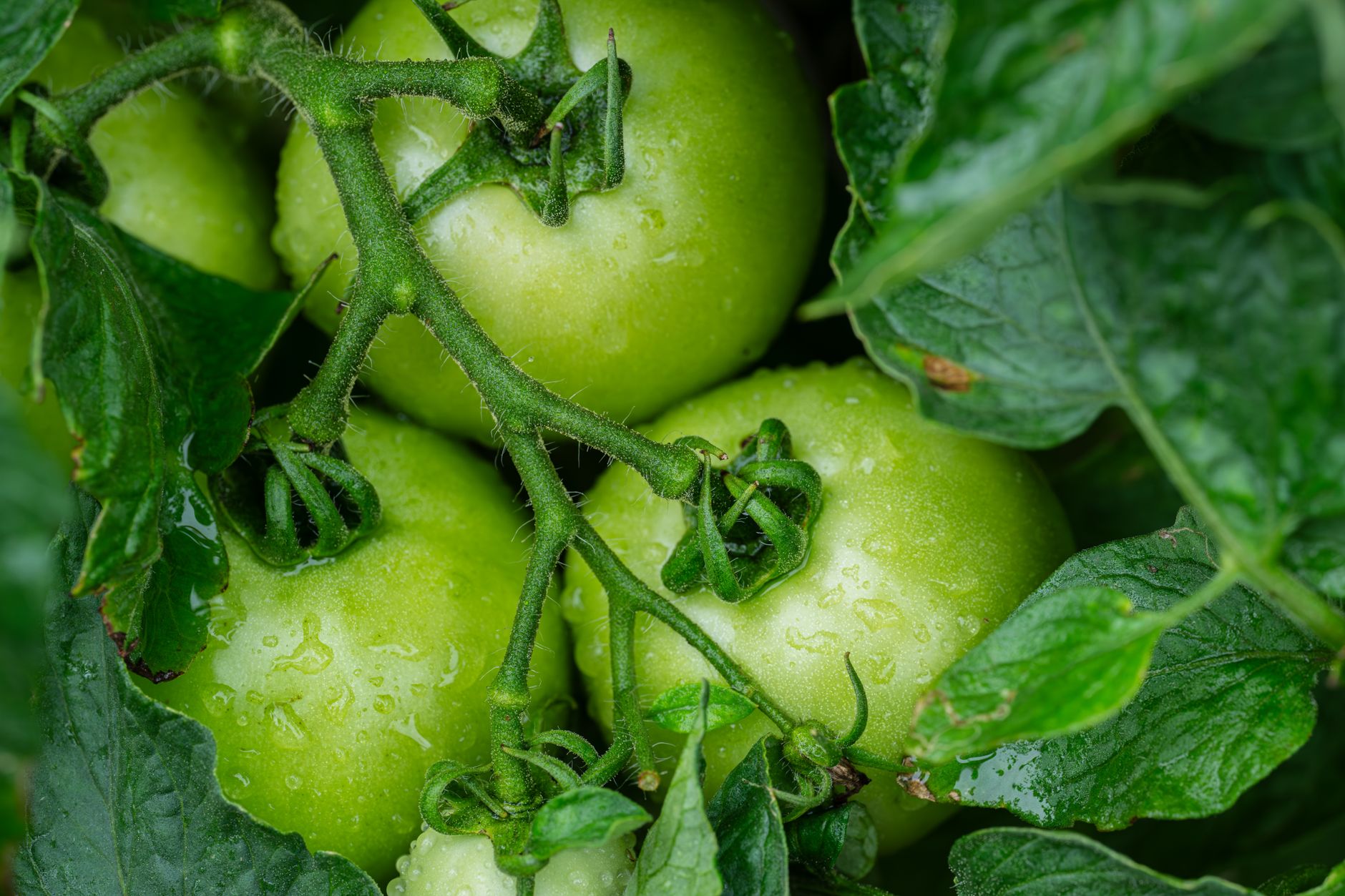
Alright, lets cut to the chaseif youre growing tomatoes, you probably want them to be as healthy and bountiful as possible, right? Of course! But heres the catch: tomatoes are pretty picky about their neighbors. Planting the right companion plants tomatoes love can make a huge differencenot only boosting growth but also warding off pesky critters and inviting helpful pollinators to the party.
Its like gardening with friends: some pals really lift you up, while others well, can get in the way. So instead of guessing wildly or making your tomato patch a real messy jungle, lets chat about 15 of the best things you can grow right alongside your tomatoes to keep them strong, healthy, and happy.
Why Companion Planting?
You might wonder, whats the big deal about companion plants tomatoes? Simply put, companion planting is about teamwork in the gardenits finding plants that help one another. Good neighbors can improve nutrient uptake, provide shade, repel pests, or attract pollinators. So tomatoes can grow with less stress and produce more fruit.
But heads up: not all plants play nicely with tomatoes. Some might steal nutrients, invite pests, or even stunt tomato growth. Understanding both benefits and risks keeps your garden balanced and thriving. So, the goal is to choose plants that lift tomatoes upnot drag them down.
1. Alyssum
Starting with alyssumthis little white-flowered charmer is a powerhouse when it comes to attracting beneficial insects like hoverflies and ladybugs. These guys love munching on soft-bodied pests such as aphids that often target tomatoes.
Plant alyssum as a border or in between tomato rows. Its low-growing and wont compete for sunlight, making it an ideal understory companion.
2. Basil
Ah, basil and tomatoesthe classic duo of the garden world! Growing basil near your tomatoes is believed to improve the flavor of the fruit (yum!) and, bonus, basil also helps repel mosquitoes, aphids, and tomato hornworms.
Plus, its super handy to grab a sprig of fragrant basil alongside a freshly picked tomato for your next meal.
3. Nasturtium
Dont overlook nasturtiumstheyre basically the gardens decoy plants. Nasturtiums attract aphids and whiteflies away from your tomatoes, acting as a sacrificial buffet. Also, their bright, edible flowers attract pollinators.
Plant them around the edges of your tomato patch or dangle their vines nearby.
4. Zinnia
Zinnias arent just show-stoppers with their vibrant colorstheyre great at attracting pollinators like bees and butterflies. You want those visitors because they boost tomato fruit set.
Interestingly, zinnias also host beneficial predatory insects that prey on tomato pests, making them a double win.

5. Garlic
Here's a secret weapon: garlic. When planted near tomatoes, garlic releases its strong aroma that confuses and repels a whole bunch of nasty pests like aphids, spider mites, and even red spider mites.
Plus, garlic doesnt compete much with tomatoes because it matures early, making it a subtle yet effective companion.
6. Thyme
Thyme is more than just a kitchen staple. Grow it as a ground cover with your tomatoes to help deter cabbage worms and other pests. Its dense, low foliage shades the soil, helping to retain moisturesomething thirsty tomatoes appreciate.
7. French Marigold
French marigolds are the gardens pest control officers. Their nematode-repelling compounds protect tomato roots from tiny, invisible worms that can mess up plant health.
Sow marigolds around tomato beds to establish a natural pest barrier.
8. Mint
Mint is a double-edged sword. Its fantastic for pest control, offering strong scents that deter aphids, flea beetles, and cabbage moths. However, mint can get super invasive and steals space and nutrients if left unchecked.
If you decide to use mint as a pest control tomato plants companion, plant it in pots or containers embedded near your tomato beds to keep it in check.
9. Parsley
Parsley attracts ladybugs and hoverflies, both vipers to aphids that threaten your tomato patch. Its also a great ornamental and can be harvested alongside your tomatoes for cooking.
Interplant parsley with tomatoes to tag-team those pesky aphids.
10. Calendula
Also known as pot marigold, calendula is brilliant because it attracts a variety of pollinators and pest predators. It also has some anti-fungal properties that help keep tomato diseases at bay.
Plant calendula nearby and enjoy its sunny blooms that also brighten your garden mood.
11. Chives
Chives are sneaky pest busters. Their strong oniony smell keeps aphids, Japanese beetles, and carrot rust flies at bay. They also improve tomato growth if you plant them close.
12. Dill
Dills feathery leaves arent just elegantthey attract lacewings and parasitic wasps, natural enemies of tomato pests. Plus, dill can add some culinary zest to your garden bounty.
13. Borage
Borage is a star companion. It feeds pollinators, repels tomato hornworms, and is rich in minerals that actually boost tomato growth! Youll notice healthier, tastier tomatoes with borage in the mix.
Want to read more about healthy plant-based tips to nourish your body as well? You might enjoy this article on Plant based foods high in proteingreat to complement your garden lifestyle!
14. Sage
Sages strong scent helps keep pests under control, especially cabbage moths and carrot flies. Its a sturdy, drought-tolerant herb that fits well into tomato companion gardening.
15. Lavender
Last but not least, lavender is a natural magnet for bees and other important pollinators. It also has pest-repelling properties and brings calming vibes to your garden with its fragrance.

Pest Control Tomato Plants
One of the most exciting parts about companion plants tomatoes is how they naturally help with pest control. Instead of reaching for chemicals, which can harm beneficial insects and the environment, these plant buddies offer a green defense.
Think of planting that chives border or scatter nasturtiums as your tomatos natural security detail against aphids, whiteflies, and hornworms. This approach blends beautifully with organic gardening principles and helps create a healthier, more balanced ecosystem.
Want to learn more about keeping your kidneys healthy while enjoying fresh garden foods? Check out this handy guide on Kidney healthy foods, its surprisingly useful!
Tips for Gardening Success
Before you rush to plant them all, heres the thing: companion planting needs a bit of balance. Overcrowding your tomato bed can stress plants and invite disease, so space companion plants thoughtfully.
Also, keep an eye on water needs. Some plants like mint prefer moist soil and can suffer if its too dry, whereas tomatoes like consistent watering but hate soggy roots. Group plants with similar needs together.
Seasonal timing matters too. Plant herbs like garlic and chives early in the season, while flowering companions like zinnias and calendula can be added when your tomatoes start blooming, encouraging pollinators.
Remember, your garden is your little ecosystemobserve how plants behave together and dont hesitate to experiment or tweak your arrangements.
Common Companion Planting Mistakes
Okay, lets be real: companion planting isnt foolproof magic if you dont know what youre doing. Here are some common slip-ups to avoid:
- Planting incompatible species: For example, potatoes and tomatoes dont get along wellthey share pests and diseases.
- Ignoring crowding: Cramping too many plants in tight spots can stunt growth for everyone.
- Assuming all plants deter pests: Some "friendly" plants might attract unwanted insects or give shelter to pests.
- Relying solely on companion plants: Good cultural practices like pruning, soil health, and disease control are still essential.
Wrapping It Up
So, heres the dealcompanion plants tomatoes isnt just some garden fad. Its a savvy, natural way to boost your tomato plants health, flavor, and defenses without reach for chemicals. But like any relationship, it takes knowing whos a good buddy and whos not.
Try planting a mix of alyssum, basil, and borage, or any of the other 15 champs we talked about. Watch how your tomatoes respond. You might be surprised at how much these neighbors truly support tomatoes to flourish, from better pest control to happier pollinators.
Gardening is as much about listening and adapting as it is planting. So go ahead, ask questions, share your experiences, and keep experimentingbecause your perfect tomato companion garden is waiting for you to bring it to life.

Have you tried any companion planting in your tomato patch? What worked (or didnt)? Id love to hear your stories and tipsdont be shy to reach out!
FAQs
What are companion plants and why are they important for tomatoes?
Companion plants are species planted near tomatoes that support their growth by deterring pests, improving soil nutrients, or attracting pollinators, leading to healthier, more productive tomato plants.
Can basil really improve the flavor of tomatoes?
Many gardeners believe that growing basil close to tomatoes enhances the tomato’s flavor while also helping repel pests like mosquitoes and aphids.
Which companion plant is best for natural pest control in tomato gardens?
Plants like alyssum, garlic, and chives are excellent for naturally repelling common tomato pests such as aphids, spider mites, and hornworms.
Are there plants that should be avoided near tomatoes?
Yes, plants like potatoes share similar pests and diseases with tomatoes and can negatively affect tomato health if planted nearby.
How should I space companion plants in my tomato garden?
Proper spacing is essential to avoid overcrowding, which can stress plants and promote disease. Group plants with similar water and sunlight needs and leave enough room for airflow around tomatoes.