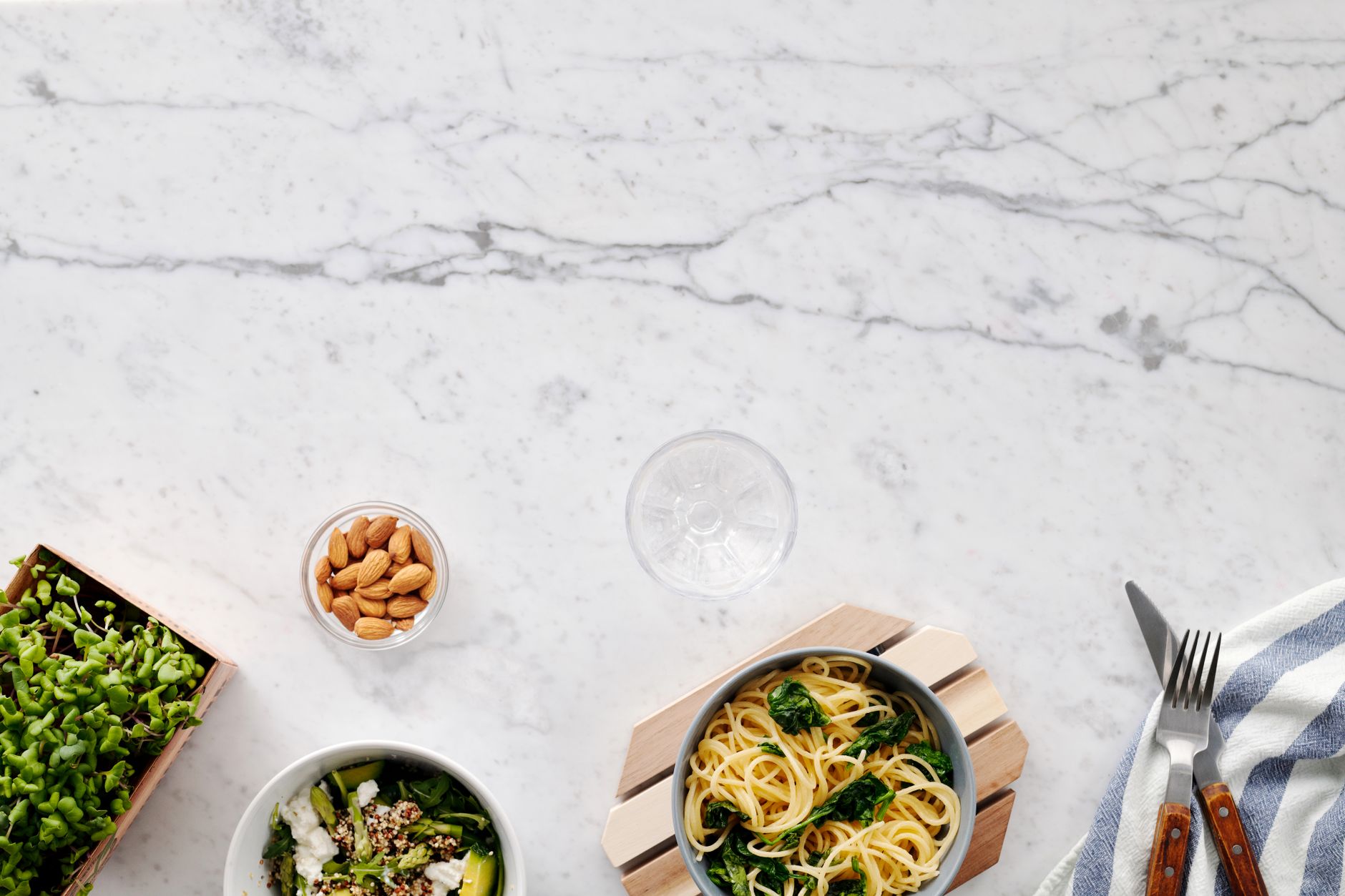
Bucatini cacio e pepe turns just a few ingredients into an unforgettable meal. This classic Roman pasta dish combines creamy Pecorino Romano cheese, freshly cracked black pepper, and tender bucatini noodles for a rich yet simple flavor. Ready in under 15 minutes, its the perfect quick dinner when you want comfort food without fuss. If youve been searching for a delicious, authentic recipe to elevate your pasta nights, this one delivers every time.
Ingredients for Bucatini Cacio e Pepe
What Are the Essential Ingredients for Bucatini Cacio e Pepe?
At its heart, this dish relies on just five ingredients to shine. Heres what youll need:
- Bucatini Pasta: Thick, hollow tubes that hold sauce beautifully
- Pecorino Romano Cheese: Sharp, salty sheeps milk cheese that melts perfectly
- Freshly Cracked Black Pepper: Adds vibrant, spicy aroma
- Salt: For seasoning pasta water and balancing flavors
- Pasta Water: Starchy water that creates a creamy sauce when mixed with cheese
Choosing high-quality Pecorino Romano and freshly cracked pepper is key. Pre-ground pepper can lack freshness, making the sauce less flavorful. Authentic cheese with a clean label (look for Halal certification by JAKIM or HMC if needed) ensures the best taste and aligns with health-conscious cooking.
Can Substitute Ingredients Work Without Ruining the Dish?
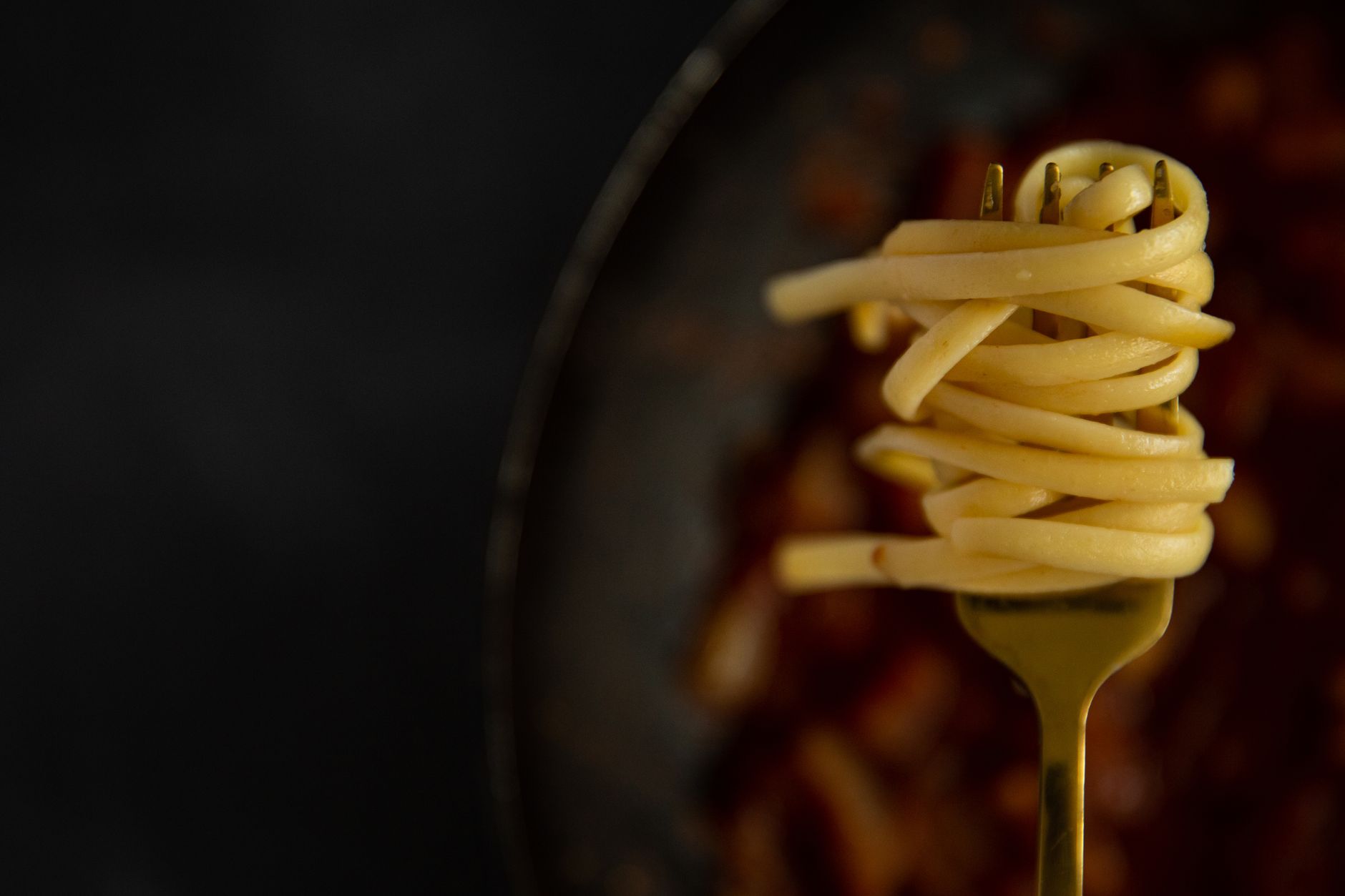
While Pecorino Romano is preferred, some use Parmesan for a milder, creamier taste. This switch is acceptable but changes the authentic sharpness that defines cacio e pepe. As for pasta, spaghetti or tonnarelli can substitute, but bucatinis hollow shape catches the sauce best, giving that perfect bite.
Avoid pre-grated, processed cheese and avoid black pepper blends with additives. Using pure ingredients preserves the dishs simple elegance and texture. For Halal cooks, ensure cheese and butter are free from animal rennet and certified accordingly.
Recipe Card: Bucatini Cacio e Pepe
| Prep time | Cook time | Total time | Servings | Calories | Diet tags |
|---|---|---|---|---|---|
| 5 minutes | 10 minutes | 15 minutes | 4 | 520 kcal per serving (approx.) | Halal, Vegetarian |
How to Make Bucatini Cacio e Pepe
Step 1: Bring Salted Water to a Boil
Fill a large pot with water and add 1.5 tablespoons of saltenough to make it taste like the sea. Bring it to a rolling boil over high heat. Salting is vital; it seasons the pasta internally for balanced flavor.
Step 2: Toast and Crush Fresh Black Pepper
While water heats, toast 2 tablespoons of whole black peppercorns in a dry pan over medium heat for 2 minutes until fragrant. Remove from heat and crush them coarsely using a mortar and pestle or spice grinder. Toasting intensifies the peppers aroma and flavor foundation.
Step 3: Cook Bucatini and Reserve Pasta Water
Add 400g bucatini to boiling water and cook uncovered for 911 minutes until al dente. Stir occasionally to prevent sticking. Before draining, scoop out 1 cup of starchy pasta water and set aside. This water is essential for sauce emulsification.

Step 4: Saut Pepper in Butter
Lower heat to medium-low. Melt 2 tablespoons unsalted butter in a large skillet, then add the crushed black pepper. Cook gently for 1 minute, allowing the pepper to infuse the butter without burning.
Step 5: Combine Pasta, Cheese, and Pasta Water
Add drained bucatini to the skillet. Over low heat, start adding finely grated Pecorino Romano (1.5 cups) gradually while tossing pasta to coat.
How to Emulsify Sauce Without Clumps
Slowly add reserved pasta water, about cup at a time, tossing vigorously using tongs or a pasta fork. The heat and starch in the water melt the cheese smoothly, creating a velvety sauce binding pasta and pepper together. Avoid high heat to prevent cheese from clumping or becoming stringy.
Common Mistakes to Avoid
- Adding cheese to boiling pasta directly causes lumps.
- Skipping reserved pasta water results in dry pasta.
- Over-toasting pepper can burn it, giving bitterness.
Step 6: Serve and Garnish
Transfer pasta to warmed plates. Add an extra sprinkle of finely grated Pecorino and a dash of fresh cracked pepper on top. Serve immediately to enjoy the perfect creamy texture and slightly spicy bite.

Expert Tips for Perfect Pasta
How Chefs Nail the Creamy Sauce
True Italian chefs emphasize patience with the emulsification processadding pasta water slowly while tossing continuously. The starch suspends melted Pecorino in a smooth coating without any cream or extra fat. Using aged Pecorino Romano adds sharper flavor and depth absent in younger cheeses.
Troubleshooting Common Issues
- Clumpy Sauce: Lower heat, add more warm pasta water, and toss vigorously.
- Overcooked Pasta: Cook exactly to al dente and drain immediately.
- Overpowering Pepper: Use freshly toasted pepper and adjust quantity to taste.
Pairings and Serving Ideas
What Side Dishes Complement This Pasta?
Light and fresh sides balance this rich dish well. Try a crisp arugula salad with lemon vinaigrette or roasted Mediterranean vegetables. A simple antipasto plate featuring olives and Halal-certified cured meats pairs beautifully too.
For more wholesome, ready-to-eat options, explore Whole foods prepared foods to complement your main.
Best Beverages to Accompany
Italian whites like Verdicchio or Pinot Grigio provide a clean and bright contrast to the dishs richness. If you prefer non-alcoholic drinks, sparkling water with a twist of lemon refreshes the palate. Light lagers also complement peppers warmth without overpowering.
Storage and Leftovers
Bucatini cacio e pepe is best served fresh. If you must store leftovers, place them in an airtight container and refrigerate for up to 2 days. Reheat gently with a splash of pasta water over low heat to restore creaminess without drying out.
Freezing is not recommended as cheese texture changes and pasta tends to become mushy.
When is the Best Time to Eat Bucatini Cacio e Pepe?
This pasta shines as a quick weeknight dinner or a cozy weekend meal. Served hot and fresh, it pairs perfectly with mild weather, bringing comfort without heaviness. Ready in just 15 minutes, it suits any time you crave something warm and satisfying.
What Makes Bucatini Ideal for Cacio e Pepe?
Bucatinis hollow center traps the peppery, cheesy sauce inside, delivering flavor with every bite. Unlike flat or solid noodles, it offers a unique texture contrast and a fuller sauce experience, enhancing the simple ingredients.
Is Bucatini Cacio e Pepe Healthy?
This dish is rich in protein and calcium thanks to Pecorino, but it also contains moderate to high sodium and saturated fat. Balanced eating means enjoying it with plenty of vegetables and controlling portion size. Halal-conscious cooks should also check ingredient certifications to ensure compliance.
Can I Make Bucatini Cacio e Pepe Vegan or Gluten-Free?
Vegan versions replace Pecorino with nut-based cheeses or nutritional yeast and butter with olive oil. Gluten-free bucati alternatives exist, though texture and taste will differ. Expect compromises in creaminess and flavor but similar ease of preparation.
How Long Does It Take to Make Bucatini Cacio e Pepe?
From start to finish, it takes about 15 minutes5 minutes to prep and 10 minutes to cook. This timing makes it ideal for busy households wanting a quick, flavorful dinner.
Is Bucatini Cacio e Pepe Suitable for Halal Diets?
Yes, provided the cheese and butter used are Halal-certified by trusted bodies such as JAKIM, HMC, or IFANCA. Look for clear certification logos on product labels to ensure compliance with Halal dietary rules.
Pro Tips to Elevate Your Bucatini Cacio e Pepe
- Use aged Pecorino Romano: Older cheese adds sharper, more complex flavor.
- Keep pasta water warm: Cold water can cool sauce and prevent smoothness.
- Toast black pepper lightly: Avoid burning to keep the taste bright.
- Add cheese off heat: Prevents clumping and graininess.
Small tweaks like these make a huge difference. Try them to impress guests or upgrade your everyday cooking.
More You Might Like
If you enjoy quick, satisfying meals, check out our guide to Homemade breakfast sandwiches. For healthy convenience, explore Whole foods prepared foods that fit your lifestyle perfectly.
Is Bucatini Cacio e Pepe actually Halal what should I check?
Always verify that the Pecorino Romano cheese is sourced from Halal-certified producers with acceptable rennet use. Butter and other dairy should also carry Halal certification from trusted bodies such as JAKIM or HMC. Check packaging for logos or official seals to avoid confusion.
How long can leftovers be stored safely?
Store cooked pasta in a sealed container in the fridge and consume within 48 hours. Beyond this, quality and safety decline, and texture worsens dramatically.
Whats the difference between Pecorino Romano and Parmesan in this recipe?
Pecorino Romano offers a saltier, sharper, and tangier flavor due to sheeps milk origin, which makes it distinctive in cacio e pepe. Parmesan is milder and creamier but less pungent, altering the dishs characteristic bite.
Can I prepare pasta ahead and assemble later?
Cooking pasta ahead can cause it to dry or stick. If necessary, toss cooked bucatini with a little olive oil and refrigerate for up to 1 day, reheating with pasta water before mixing with cheese and pepper to restore creaminess.
Why is freshly cracked pepper better than ground for this dish?
Freshly cracked pepper retains essential oils and flavor compounds lost in pre-ground varieties. It offers sharper aroma and texture that lifts the sauce perfectly without overwhelming.
What type of pasta works best besides bucatini?
Tonarelli and spaghetti are common substitutes. Tonarelli, with its square shape, traps sauce well and is traditional in Rome. Spaghetti is readily available but less effective at holding sauce inside than bucatini.
Can I add cream or other ingredients?
Classic cacio e pepe uses no cream; adding it alters texture and flavor balance. For richer variations, consider a small amount of unsalted butter but avoid heavy cream to keep authenticity and lightness intact.
Conclusion
Bucatini cacio e pepe scores high for simplicity and bold flavor with just a few ingredients. This dish captures Roman culinary tradition while fitting into your busy weeknights perfectly. Next time you shop, look for quality Halal-certified Pecorino and pepper to try this recipe. Leave a comment to share your tweaks or favorite quick pasta ideas cooking is always better together.
FAQs
When is the best time to eat or drink Bucatini cacio e pepe?
This pasta is perfect for a quick weeknight dinner or a cozy weekend meal. It’s best served hot and fresh, offering warm comfort without heaviness. Ready in just 15 minutes, it fits well into busy schedules or anytime you crave a simple, satisfying pasta dish.
How long can leftovers of Bucatini cacio e pepe be stored safely?
Store leftovers in an airtight container in the refrigerator and consume within 48 hours for best quality and safety. Reheat gently with a splash of warm pasta water to restore the creamy texture without drying out.
What is the difference between Pecorino Romano and Parmesan in this recipe?
Pecorino Romano is sharper, saltier, and tangier due to its sheep’s milk origin, giving cacio e pepe its distinctive bite. Parmesan is milder and creamier but less pungent, which alters the traditional boldness and flavor of the dish.
Is it safe to eat Bucatini cacio e pepe every day?
While rich in protein and calcium, this dish contains moderate to high sodium and saturated fat. It’s best enjoyed in moderation and balanced with plenty of vegetables for a healthy diet, especially for those monitoring sodium intake.
Where can I buy authentic Halal-certified Pecorino Romano for this recipe?
Look for Pecorino Romano cheese labeled with trusted Halal certification logos from organizations such as JAKIM, HMC, or IFANCA. Specialty Halal grocery stores and online Halal food retailers often carry authentic certified cheeses suitable for this dish.