Hey there if youre reading this, you probably care about keeping your kidneys happy (smart move!). Your kidneys quietly filter blood, balance fluids, and help remove waste. They do a lot, and feeding them well matters. Below, Ill walk you through kidney healthy foods, practical tips, and easy swaps that feel doable not like a strict diet. Think of this as friendly guidance from someone whos been there: wanting to eat well without turning every meal into a spreadsheet.
Why Food Matters
We often hear about salt and sugar, but kidney health is about a few key nutrients: sodium, potassium, phosphorus, and protein. Too much or too little of any can affect how hard your kidneys have to work. The good news? Many delicious whole foods make life easier for your kidneys and for your taste buds.
Top Kidney Healthy Foods
Lets get to the fun part: foods that support kidney function. Ill explain why theyre helpful and give a few friendly serving ideas so you can picture them on your plate tonight.
Blueberries
Blueberries are little antioxidant powerhouses. Theyre low in potassium and high in compounds that fight inflammation and oxidative stress things that can harm kidney cells over time. Toss them into yogurt, blend into smoothies, or sprinkle them over oatmeal for a bright burst of flavor.
Red Bell Peppers
These are versatile and vibrant. Low in potassium but high in vitamins A and C, bell peppers also contain lycopene and other antioxidants. Slice them for snacks, roast them into sauces, or chop them into salads theyre a tasty, colorful kidney-friendly swap for salt-heavy condiments.
Cabbage
Cabbage is an underappreciated superstar. Its packed with vitamins and fiber, and low in potassium making it a great choice for many kidney-friendly meals. Try it shredded in slaws, sauted with a dash of olive oil and garlic, or slow-cooked into soups.
Cauliflower
If youre craving mashed potatoes but worry about potassium, cauliflower is your friend. Its low in potassium and phosphorus and can be mashed, roasted, or turned into a rice substitute. Bonus: it soaks up flavors beautifully.
Garlic
Garlic brings big flavor without sodium. It can help reduce inflammation and is a great replacement for salt in many recipes. Roast a head and spread it on whole-grain toast, or mince it into dressings and marinades.
Olive Oil
Heart-healthy and kidney-friendly, olive oil is a great source of healthy fats and an easy way to add richness to meals. Use it for dressings, light sauting, or a finishing drizzle over roasted vegetables.
Egg Whites
Protein matters, but too much animal protein can stress kidneys in advanced kidney disease. Egg whites offer high-quality protein with minimal phosphorus theyre a smart choice for those watching kidney function but still needing protein. Try them in omelets or baked into a frittata with veggies.
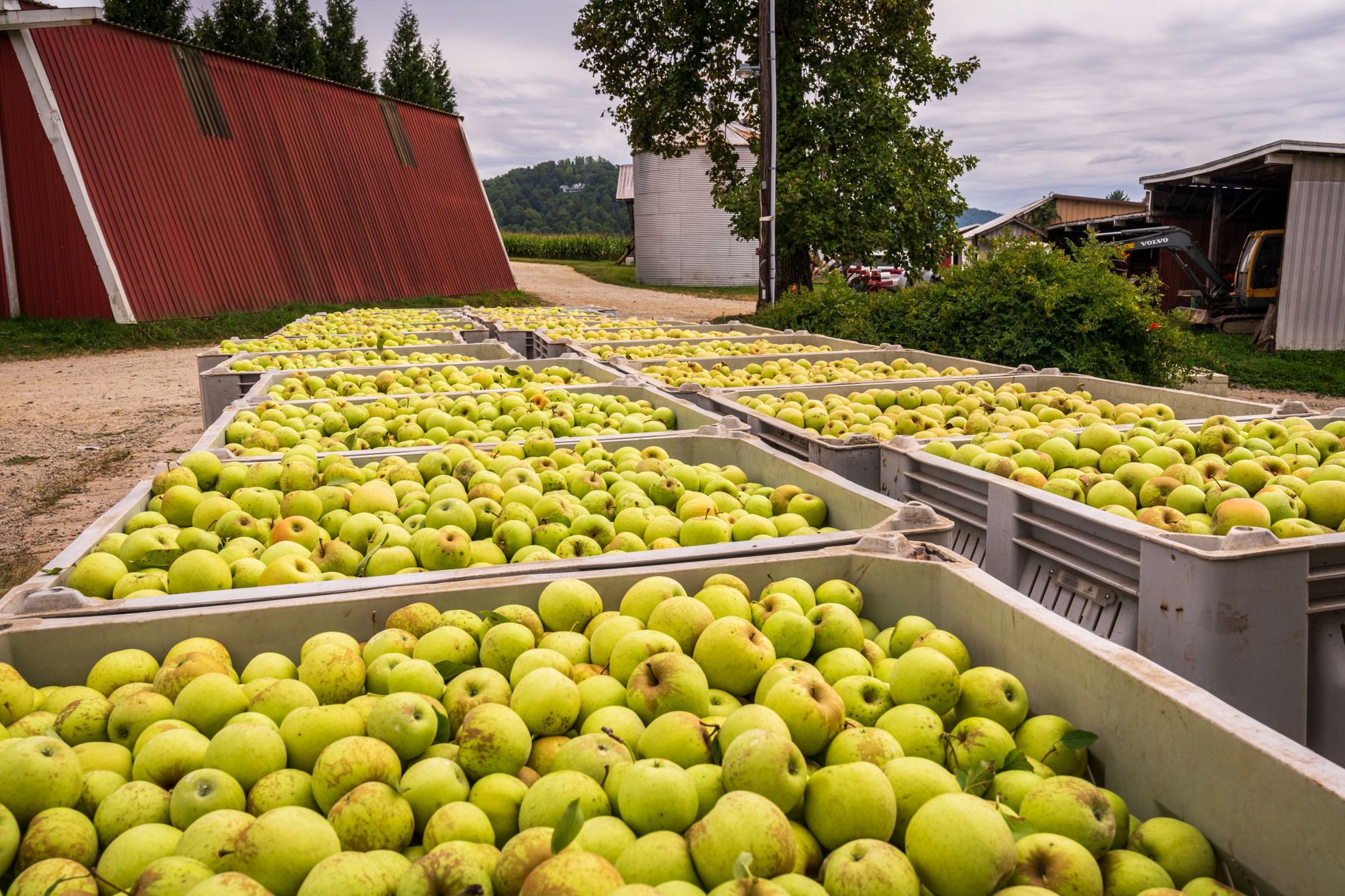
Apples
Apples are crisp, comforting, and gentle on kidneys. Theyre high in fiber and low in potassium, making them a satisfying snack that helps support digestion and blood sugar control.
Fish (in moderation)
Fatty fish like salmon is rich in omega-3s, which can reduce inflammation and help protect kidney function. If you have specific dietary limits for phosphorus or potassium, check portion sizes and frequency with your healthcare provider.
Practical Meal Ideas
Okay, inspiration time. Here are some simple, approachable meals that combine several kidney-friendly ingredients delicious and realistic for busy lives.
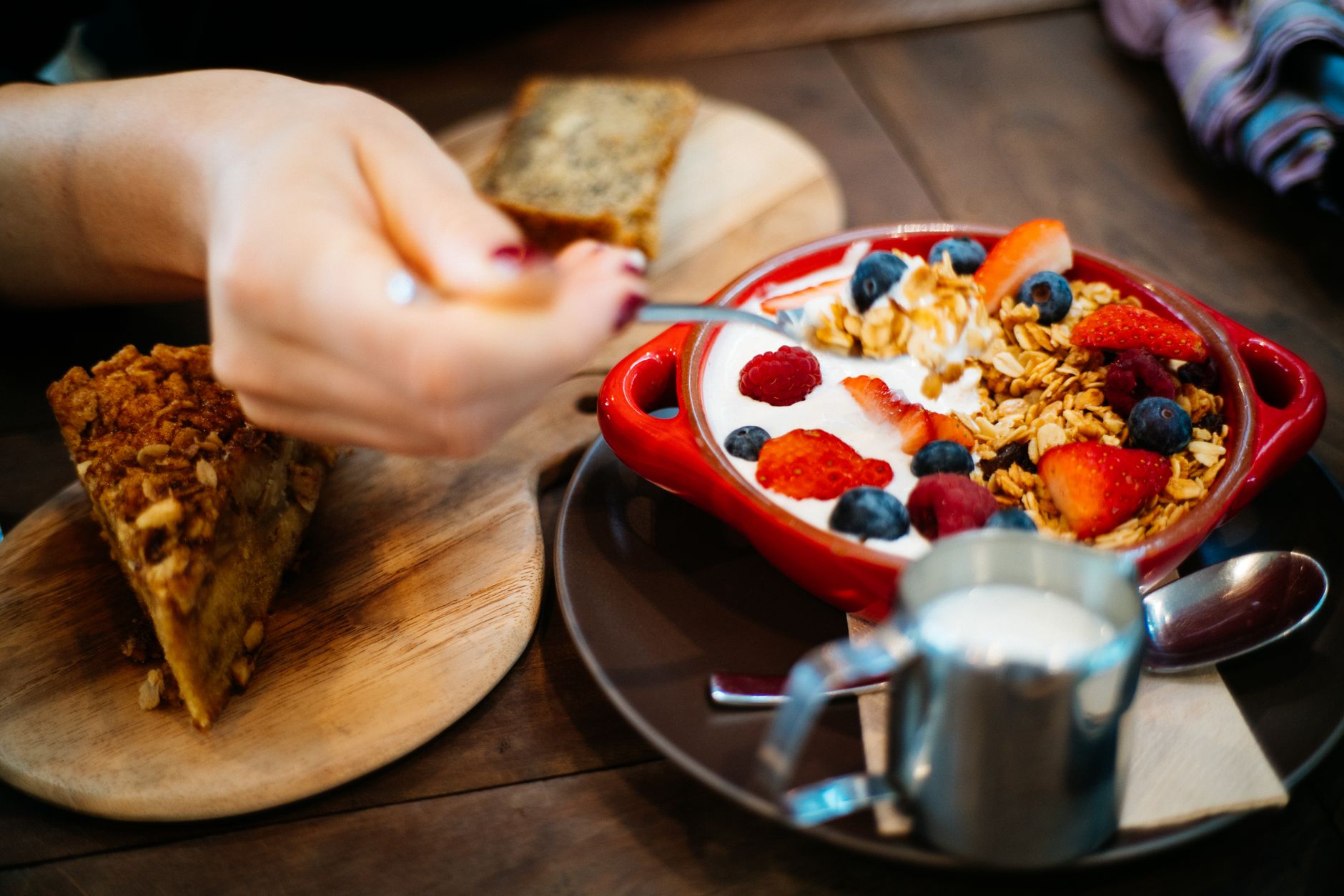
- Breakfast: A smoothie with blueberries, Greek yogurt (watch portion for protein/phosphorus), and a splash of almond milk.
- Lunch: Mixed greens with sliced red bell pepper, shredded cabbage, a hard-boiled egg white, and olive oil-lemon dressing.
- Dinner: Roasted cauliflower and salmon with garlic and herb drizzle, served with a small side of quinoa or a whole-grain roll.
- Snack: Apple slices with a thin smear of unsweetened almond butter.
Smart Swaps to Reduce Kidney Stress
Small changes can make a big difference. Here are swaps Ive found helpful think of them as tiny experiments in making meals kinder to your kidneys.
- Use fresh herbs and garlic instead of extra salt.
- Choose low-potassium fruits like berries and apples over bananas if you need to limit potassium.
- Pick egg whites or plant-based proteins in moderation to balance protein needs and kidney workload.
- Try cauliflower or zucchini noodles as a lower-potassium alternative to starchy sides.
Balancing Protein: Quality Over Quantity
Protein is a double-edged sword. Your body needs it, especially if youre active or healing, but too much can increase waste products your kidneys must remove. Focus on good-quality proteins and balanced portions. If you're curious about protein-rich choices, check out some resources on Foods high protein low calorie per 100g they can help if youre tracking protein density without sacrificing nutrition. (I like this link because it shows practical options and helps plan meals that feel satisfying.)
How to Handle Potassium and Phosphorus
Managing potassium and phosphorus is often the trickiest part of kidney-friendly eating. Heres a friendly guide:
- Potassium: Some fruits and vegetables are high in potassium (like bananas, oranges, potatoes). If you need to limit potassium, focus on lower-potassium choices such as cauliflower, bell peppers, and berries.
- Phosphorus: Processed foods and certain dairy products can be high in phosphorus. Choose fresh foods and read labels when you can. If youre unsure, egg whites and certain fish are often more kidney-friendly protein choices.
Need more protein-focused ideas that are still friendly to kidneys? You might enjoy exploring options for Vegan foods high in protein or Plant based food choices they offer diverse ways to get protein without always leaning on meat.
What About Hydration?
Water matters. For most people, staying hydrated helps kidneys flush waste. But if your healthcare provider has placed limits on fluids (this can happen in certain stages of kidney disease or other conditions), follow their guidance. Otherwise, sipping water throughout the day, enjoying herbal teas, and getting fluids from soups and fruits is a good practice.
When to Personalize Your Plan
Everyones kidneys and needs are different. If you have chronic kidney disease (CKD), are on dialysis, or have other medical conditions, your ideal food choices and portion sizes may change. Thats okay personalization is part of caring for your health. Work with a registered dietitian or your clinician to create a meal plan tailored to you.
Shopping and Pantry Tips
Keep your kitchen set up for success. A few pantry staples make it easier to choose kidney-healthy meals on busy days:
- Low-sodium broth and canned goods (rinse canned vegetables when possible)
- Olive oil and vinegars for dressing
- Frozen berries and vegetables (convenient and nutritious)
- Whole grains in sensible portions
- Herbs and spices to amp up flavor without salt
Little Wins That Add Up
Changing the way you eat doesnt have to be dramatic. Sometimes the tiniest wins matter most: grilling instead of frying, swapping out one high-sodium sauce for fresh lemon and herbs, or adding a serving of berries to your breakfast. These moments compound into real benefits.
Encouragement and Next Steps
Trying new foods and managing nutrients can feel overwhelming especially at first. Be kind to yourself. Pick one swap this week: maybe roast a head of cauliflower or try a bell pepper-stuffed salad. Celebrate the win and build from there.
And if youre curious about more protein-focused options that can fit into a kidney-friendly approach, consider checking out this guide to Foods high in protein and low in carbsbreakfast foods high in protein for balanced morning options that wont derail your goals.
Share Your Experience
What kidney-friendly swap are you excited to try? Do you have a favorite low-potassium recipe thats turned into a weeknight staple? Id love to hear about it. Try one new food this week and see how it makes you feel then tweak from there. Small changes, steady steps, and a little curiosity will take you far.
Remember: food is nourishment for both body and spirit. Choosing kidney healthy foods doesnt mean bland or boring its an invitation to discover new flavors, enjoy colorful plates, and treat your kidneys with care. If you want recipe ideas or a simple one-week plan, ask and Ill happily share more tailored suggestions!
FAQs
What are kidney healthy foods?
Kidney healthy foods are those that support kidney function by balancing sodium, potassium, phosphorus, and protein while keeping meals flavorful and satisfying.
Which fruits are low in potassium?
Low-potassium options include apples, berries (like blueberries), and cauliflower; check portions based on your plan.
How much protein should I have for kidney health?
Protein needs vary; focus on high-quality sources and moderate portions, and follow your clinician's guidance for CKD or dialysis.
Are blueberries good for kidneys?
Yes, blueberries are kidney-friendly: they’re low in potassium and rich in antioxidants that may protect kidney cells.
What are practical ways to reduce sodium in meals?
Use fresh herbs, garlic, and citrus; choose low-sodium broths and rinse canned vegetables; rely on olive oil for flavor.