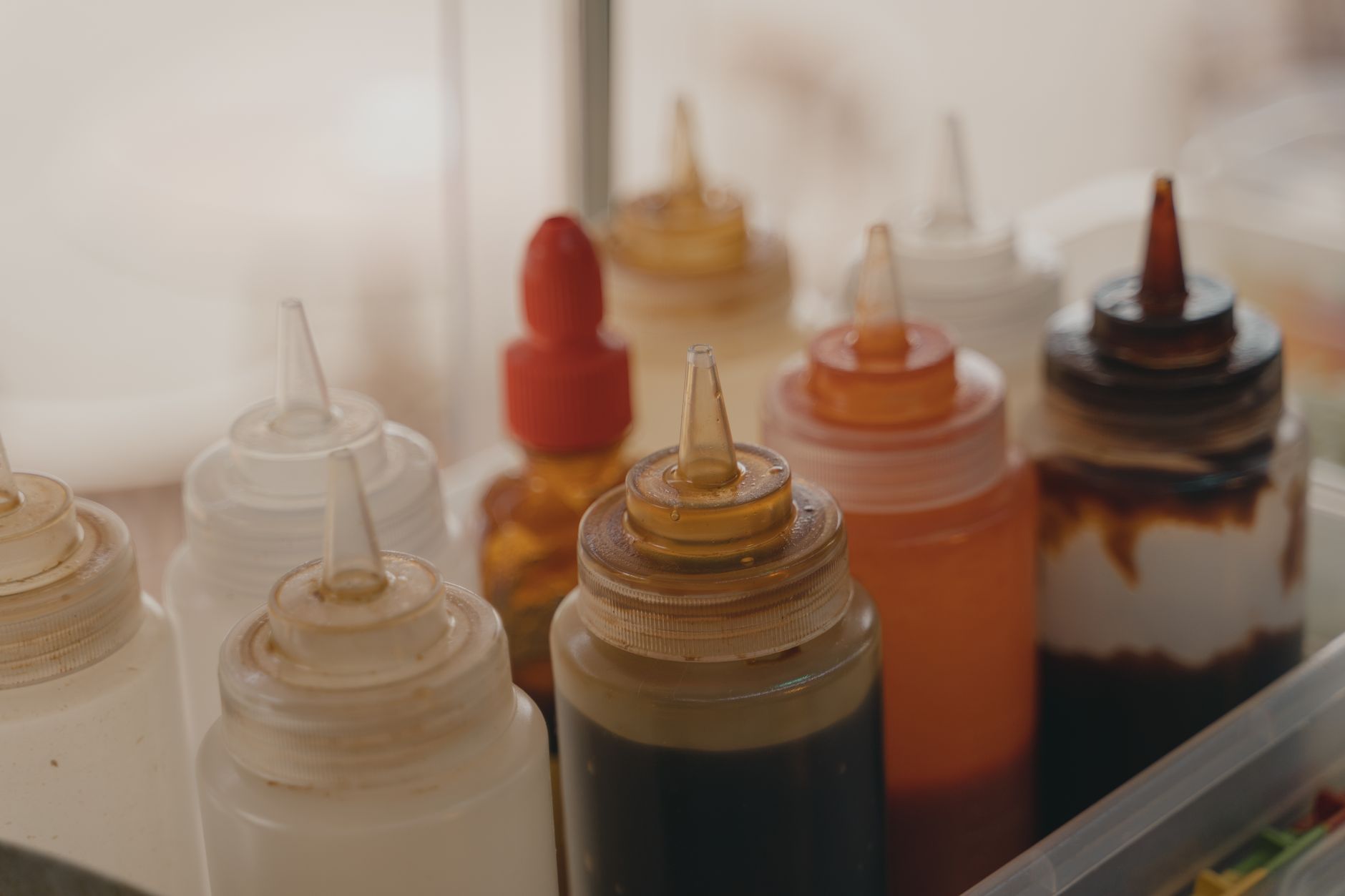
Seasoning dishes stagesthat is, adding salt and spices at different points during cookingcan truly transform your foods flavor. When done right, this technique builds layers of taste, depth, and balance that you wont get by seasoning only once. But how does seasoning in stages work, and how can you avoid common mistakes? Lets explore the key moments to season various ingredients and practical tips so your dishes shine with every bite.
Understanding Seasoning Stages
Seasoning dishes stages means adding salt, spices, or herbs at multiple stages during the cooking process instead of seasoning only before or after cooking. This allows the flavors to develop gradually and meld better with the ingredients. For example, seasoning meat before cooking helps it absorb salt, seasoning vegetables early enhances sweetness, and finishing salt adds bright contrast.
How Does Seasoning As You Go Enhance Flavor?
Seasoning as you go unlocks flavor complexity by layering. Salt draws out moisture, breaks down proteins, and enhances natural tastes. Spices and herbs release essential oils at different cooking points, building aroma and depth. According to culinary science, gradual flavor development during cooking creates balanced, rich dishes. Rather than a one-dimensional taste, your food gains nuance through progressive seasoning.
A great example: salting vegetables during sauting helps them caramelize and develop sweetness. Midway seasoning of meats allows time for salt to tenderize fibers and enhance umami. Lastly, adding finishing salt or herbs lifts the dish and freshens the palate.
Best Seasons for Ingredients
The timing of seasoning depends on the ingredient. Each reacts differently to salt and spices based on texture, moisture, and cooking duration.
Is It Better to Season Meat Before or After Cooking?
Salting meat before cooking tenderizes fibers by breaking down muscle proteins, which improves texture. For steaks and chops, seasoning 40 minutes to an hour before cooking helps the salt penetrate evenly. Seasoning too early (more than a few hours) without refrigeration can cause excessive water loss.
Seasoning during cooking allows gradual flavor build-up, but finishing with a touch of salt or spice enhances brightness and surface taste. Avoid salting right before cooking, especially meats seared at high heat, to prevent dry texture. According to JAKIM Halal certification standards, always use Halal-certified spices for seasoning to ensure integrity.
Seasoning Vegetables and Aromatics
Aromatics like onions and garlic benefit from early seasoning to help soften and release flavors. Salt during the initial saut stage draws moisture out, aids caramelization, and balances bitterness. For vegetables, early salt encourages sweetness and desirable texture changes.
However, be cautious with water-rich veggies such as zucchini or mushrooms; salting too early can cause sogginess if excess water isnt released properly. Adding fresh herbs or spices toward the end preserves their bright flavors.

Quick Guide Table: When to Season Ingredients
| Ingredient | Best Seasoning Stage | Reason |
|---|---|---|
| Meat (beef, chicken, lamb) | Before and during cooking | Tenderizes, adds deep flavor, maintains juiciness |
| Vegetables | Early in cooking | Enhances natural sweetness and texture |
| Sauces and stocks | Throughout cooking | Builds rich, balanced taste |
| Finishing salt and herbs | At the end | Adds brightness, texture contrast, and fresh aroma |
Benefits and Risks
Seasoning dishes in stages offers many benefits. It deepens flavor layers, balances seasoning, and enhances textures. But overdoing it can lead to oversalted dishes or uneven flavor. Tasting throughout is vital. Salt types differkosher salt flakes differently than table saltso seasoning amounts must be adjusted.
Common Mistakes When Seasoning As You Go
- Adding too much salt early without tasting later.
- Ignoring ingredient moisture, leading to bland or soggy texture.
- Overlooking flavor complexity by seasoning only once.
Tips to Avoid Overseasoning
- Start with less salt; you can always add more later.
- Use Halal-certified salts and spices to uphold quality and safety.
- Balance salt with acid (lemon juice, vinegar) or sweetness to offset intensity.
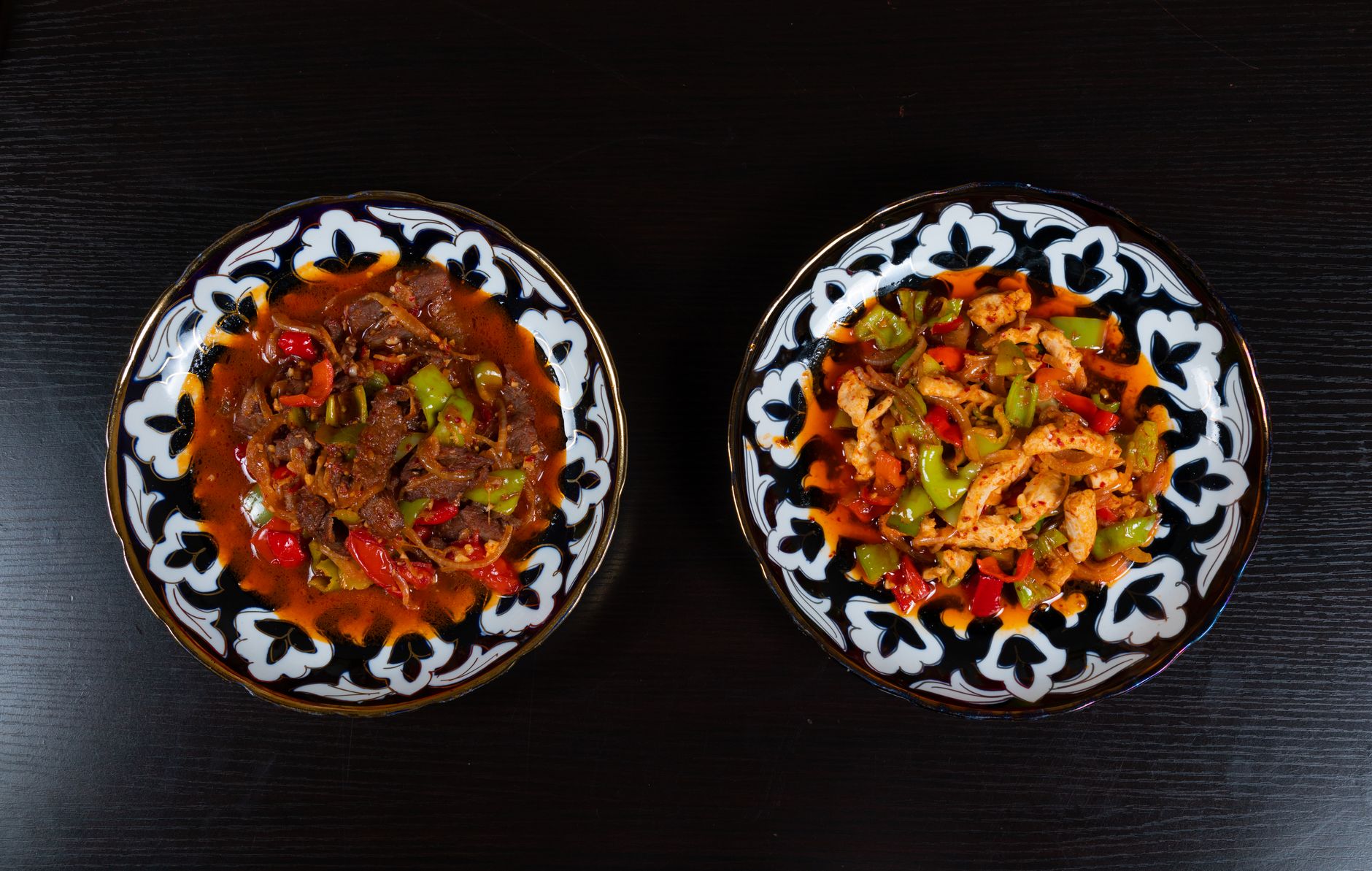
Season Food Like a Pro
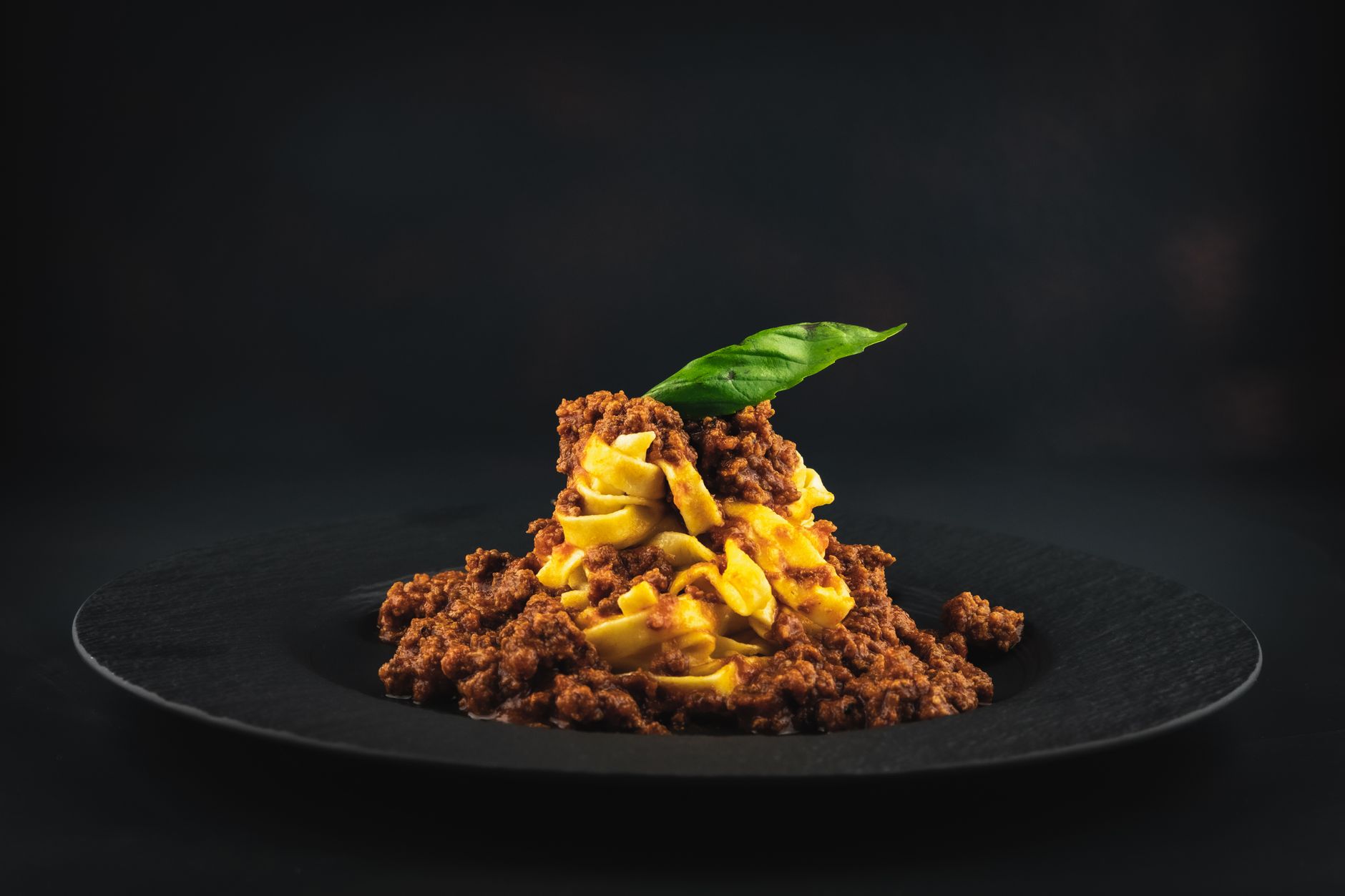
Professional chefs swear by seasoning in layers. Its not just saltadding herbs, spices, umami enhancers like soy sauce or dried mushrooms through different stages builds harmony. Set seasoning checkpoints: taste the dish as it cooks and adjust gradually.
Using Seasoning to Build Balanced Dishes
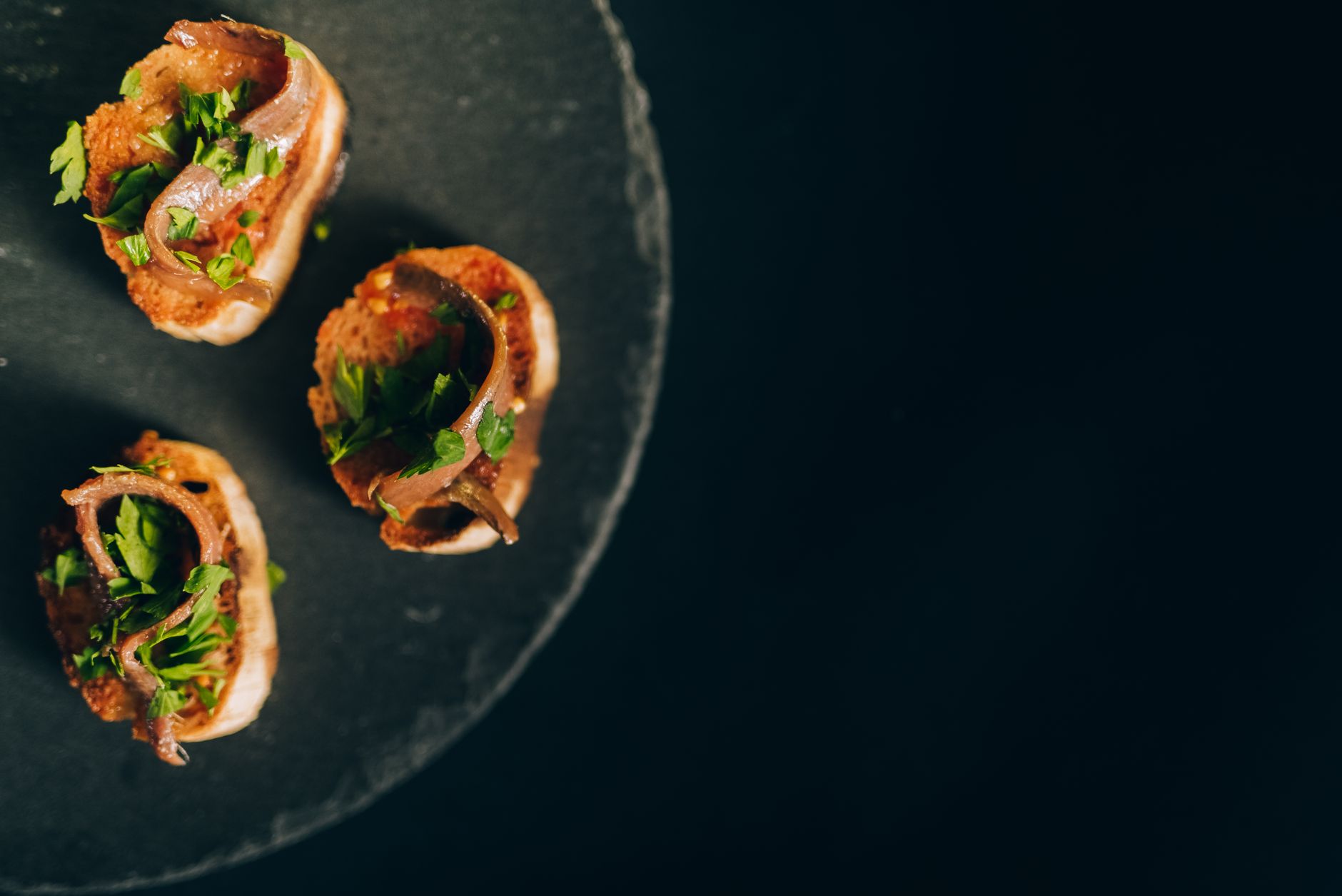
Think beyond salt. Introduce aromatics early; add spices midway, and finish with fresh herbs or a pinch of finishing salt. This creates varied textures and flavors that are more pleasing to the palate.
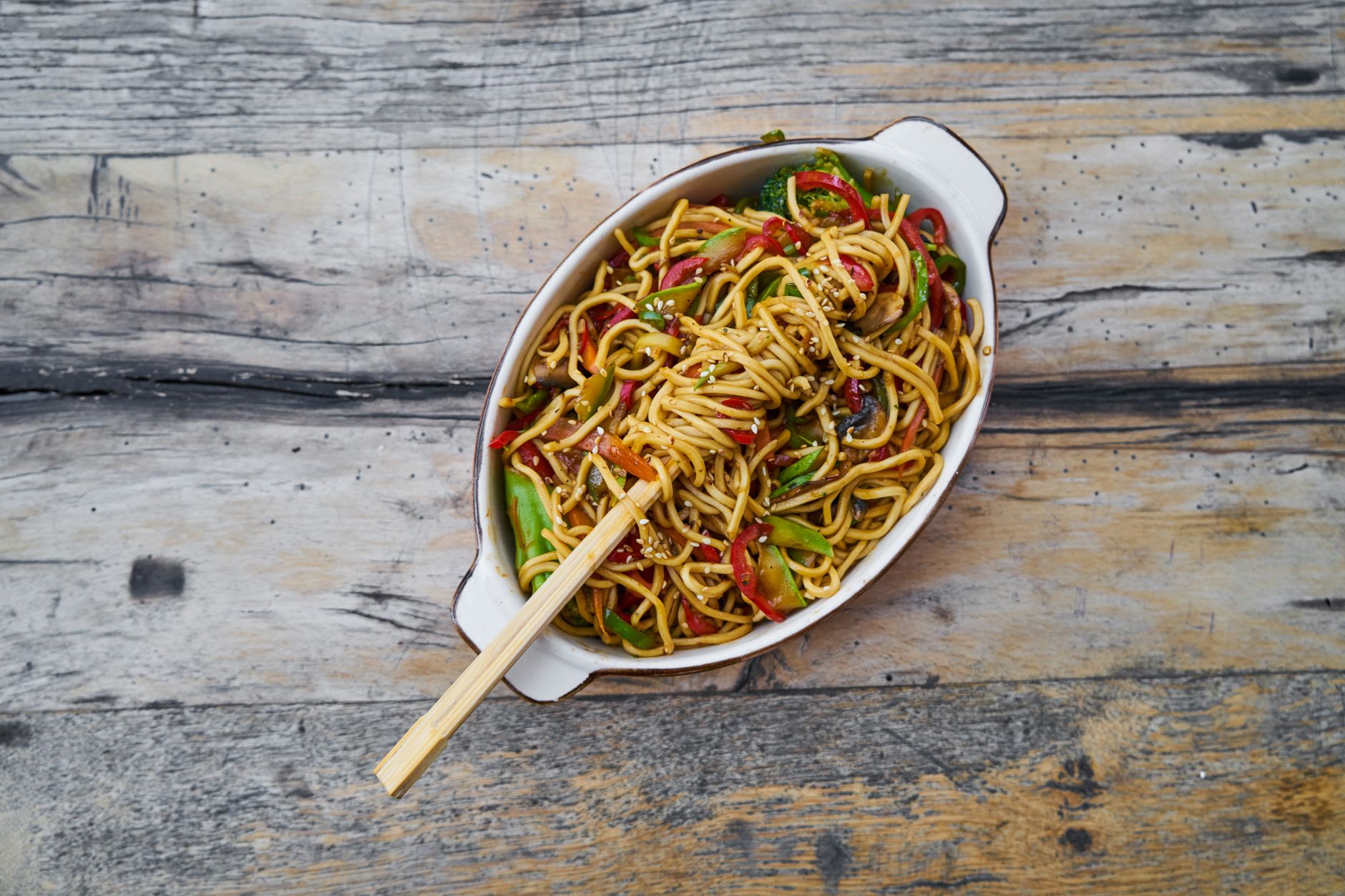
For example, a rich stew seasoned early with salt and dried herbs will develop deep flavor; bright, fresh parsley or a squeeze of lemon at the end lifts it beautifully. Need inspiration? Check out Chinese food tampa for ideas layering bold spices and sauces.
Chefs Insight on Seasoning in Stages
Many chefs note that seasoning in stages helps you control salt levels and enhances the texture dynamically. Its about knowing your ingredients, says a seasoned halal chef: Salt meat before cooking for tenderness but save some to sprinkle on after for crunch and brightness. This method makes all the difference in home cooking and professional kitchens alike.
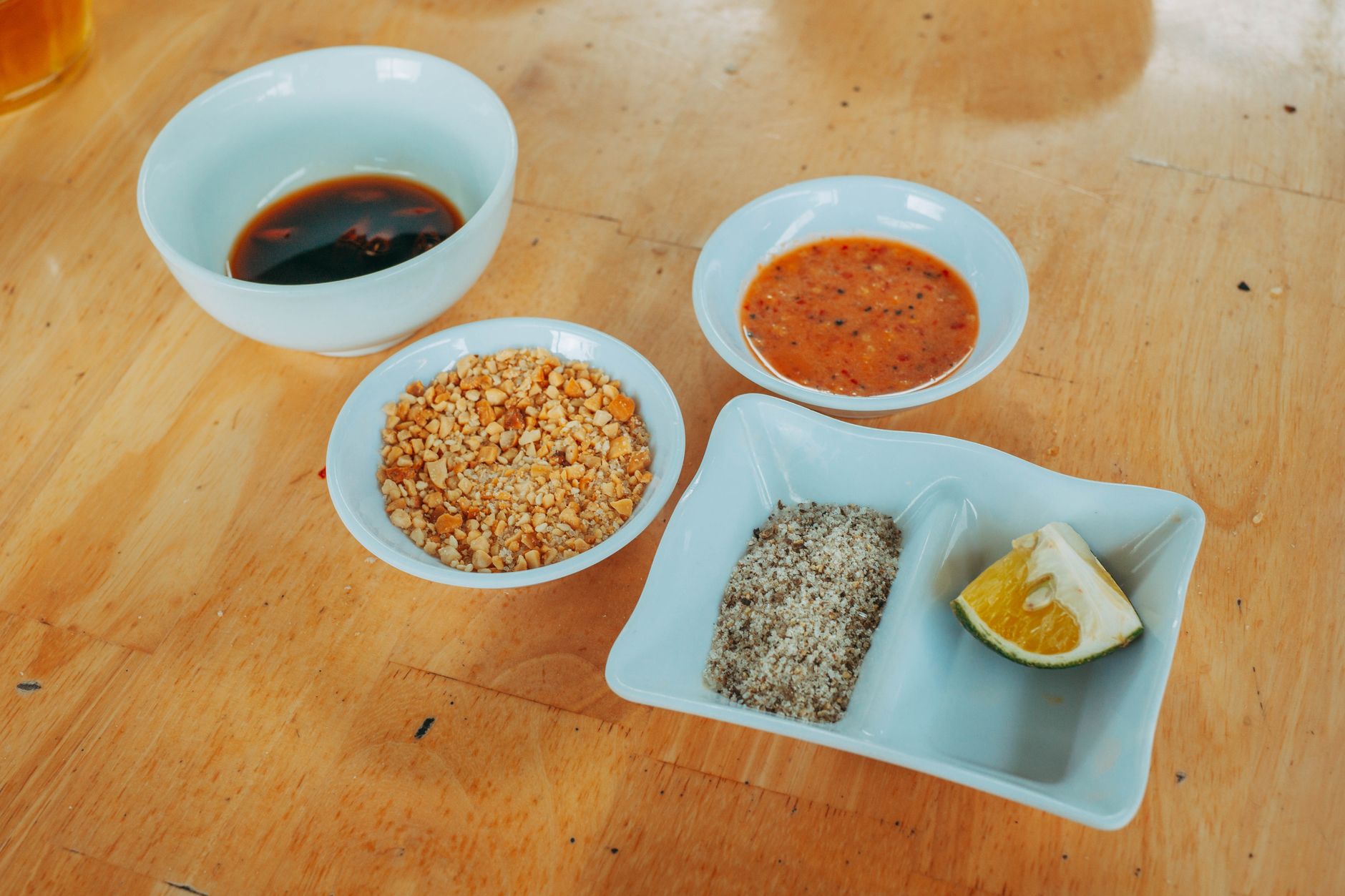
When is the best time to season meat?
The best time to season meat depends on the cut and cooking method. For tenderness, salt meat 40 minutes to an hour before cooking to allow penetration. Add seasoning again during cooking to build flavor, and finish with a pinch after resting to enhance taste and texture.
Is seasoning in stages necessary for Halal cooking?
Yes. Halal cooking emphasizes balance and flavor quality without compromising health or compliance. Using Halal-certified spices and seasoning in stages ensures dishes are both delicious and meet religious standards, as defined by certification bodies like JAKIM and IFANCA.
Can overseasoning be fixed after cooking?
Partially. If a dish is too salty, add volume by mixing in unsalted ingredients like cooked rice or potatoes. Adding acid like lemon juice can also balance saltiness. But prevention by seasoning gradually is best.
Does seasoning timing affect food texture?
Absolutely. Early salting can soften meat and vegetables, while finishing salt preserves crunch. Incorrect timing can lead to dry or mushy results, so adjust based on ingredient moisture content.
How should I season sauces during cooking?
Season sauces graduallystart light, taste as it simmers, and adjust. This helps build a rich, balanced flavor without sharp salt edges. Remember to add fresh herbs at the end for bright aroma.
Are there Halal-certified seasoning brands you recommend?
Look for certification logos from JAKIM, HMC, or IFANCA on spice packaging. Certified products ensure no contamination with Haram substances. Trusted brands usually disclose clear ingredient lists and source information.
How does seasoning vegetables differ from meat?
Vegetables generally get seasoned early to promote caramelization and sweetness. Meat benefits from pre-salting and mid-cooking seasoning for tenderness. Each ingredient releases flavors and moisture differently so timing is key.
More You Might Like
Discover hearty options and cooking tips with our guide to Best grilled cheese. It shows how layering flavors and cheese varieties can elevate this classic snack.
Explore bold and authentic flavors in the Chinese food tampa scene, where seasoning and sauce-building techniques highlight cultural richness.
Conclusion
Seasoning dishes stages makes a clear difference in flavor, texture, and balance. By adding salt and spices at the right moments, you build layers of taste that transform simple dishes into memorable meals. Next time you cook, try seasoning mindfully and tasting oftenyoull notice the difference in every bite. Share your seasoning stories or questions below, and keep experimenting to find your perfect flavor rhythm.
FAQs
Is seasoning dishes stages actually Halal — what should I check on the label?
Yes, seasoning dishes in stages can be Halal if you use Halal-certified spices and salts. Check for certification logos from bodies like JAKIM, IFANCA, or HMC on the packaging to ensure the product meets Halal standards and has no Haram ingredients or contamination.
When is the best time to season meat during cooking?
The best time to season meat is about 40 minutes to an hour before cooking to tenderize it. Season again during cooking to build flavor, and finish with a pinch of salt after resting for the best taste and texture.
What is the difference between seasoning in stages and seasoning once?
Seasoning in stages layers flavors, allowing salt and spices to develop and blend gradually. Seasoning once often results in a flat or uneven taste, while multiple seasoning points enhance depth, balance, and texture of your dish.
Is it safe to season dishes multiple times daily?
Yes, seasoning dishes in stages is safe when done mindfully. Start with less salt and adjust gradually to avoid over-salting. Use Halal-certified spices for quality and health assurance, and always taste throughout the cooking process.
Where can I buy Halal-certified seasoning products?
You can find Halal-certified seasoning products at specialty grocery stores, Halal markets, and trusted online retailers. Always look for clear Halal certification logos and ingredient transparency to ensure quality and compliance.