If youve been feeling a bit blocked up, trust me youre not alone. Constipation is one of those awkward, frustrating things most of us deal with at some point. The good news? A few thoughtful tweaks to what you eat can make a big difference. In this warm, down-to-earth guide, Ill walk you through the best foods for constipation, why they help, and how to include them in your day without turning meals into a chore.
Why Fiber Matters
Think of fiber as the traffic director for your digestive system. It keeps things moving, adds bulk to stool, and supports a healthy gut environment. There are two types of fiber youll hear about: soluble and insoluble. Soluble fiber absorbs water and forms a gel-like substance (great for softening stool). Insoluble fiber adds bulk and helps speed up passage through the gut. Both are useful and youll want a mix in your diet.
Foods like fruits, vegetables, whole grains, legumes, nuts, and seeds are natural fiber sources. Theyre also full of vitamins and minerals, so youre not only helping your digestion but fueling your body well. Small swaps like choosing whole-grain bread or adding a handful of berries to breakfast can add up quickly.
Top Fruits to Eat
Fruits are a delicious, gentle way to boost fiber and hydration. Here are some favorites that really work:
- Prunes: The classic remedy. Prunes contain fiber and sorbitol, a naturally occurring sugar alcohol that draws water into your intestines, helping things move along. Try a few prunes or prune juice in the morning.
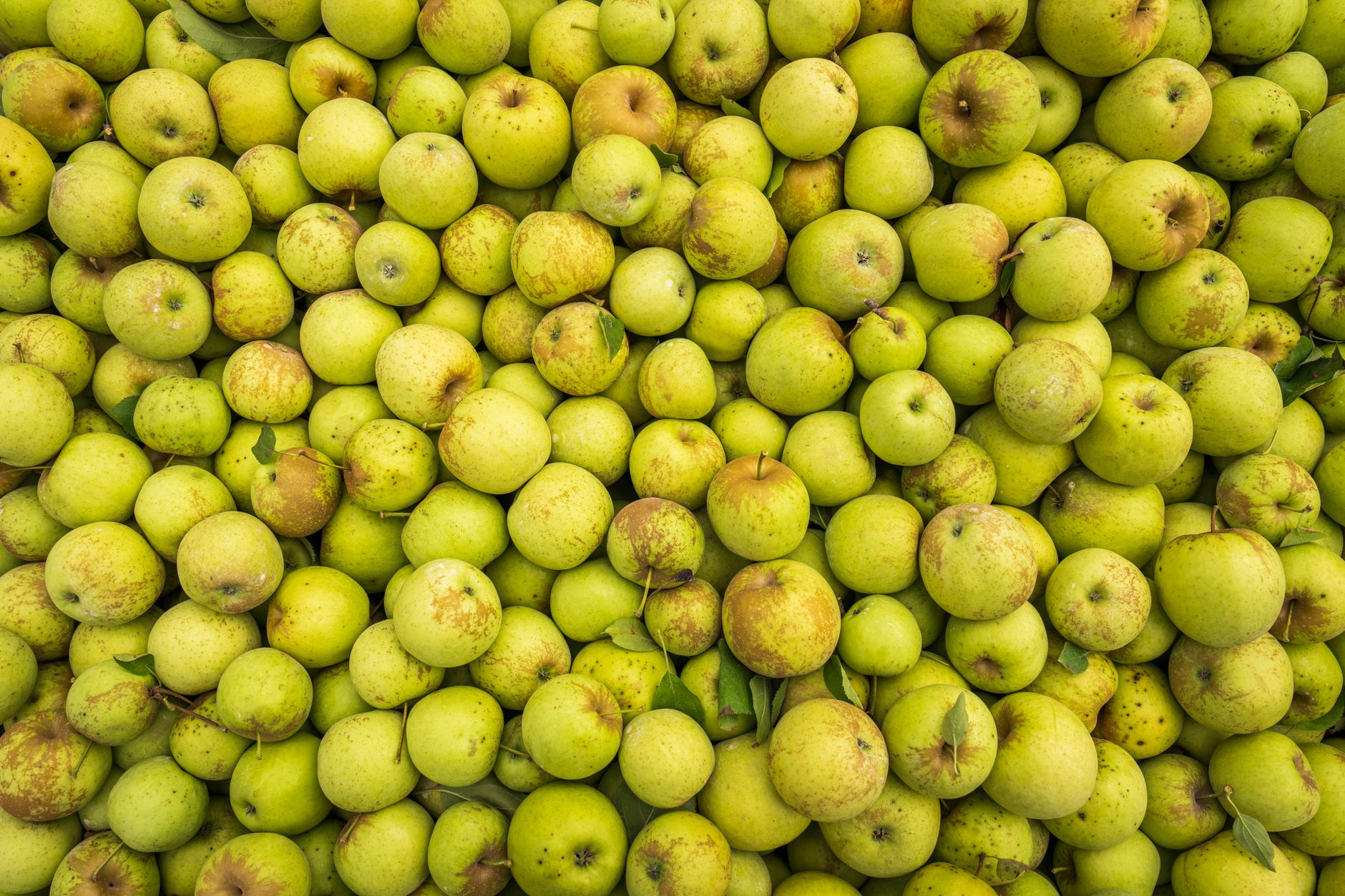
- Apples and Pears: With skin on, they offer both soluble and insoluble fiber. Slice them into oatmeal or enjoy them as snacks.
- Berries: Raspberries, blackberries, and strawberries are fiber powerhouses and add antioxidants and flavor to yogurt or cereal.
- Kiwifruit: Surprising but true kiwis can help stimulate bowel movements, likely due to their fiber and actinidin enzyme.
Pro tip: Aim to eat fruit with the skin when safe and palatable thats where a lot of the fiber lives.
Vegetables That Help
Vegetables arent just side dishes theyre digestive champions. Here are some that are especially helpful:
- Leafy greens: Spinach, kale, and Swiss chard are good sources of magnesium and fiber. Magnesium helps relax intestinal muscles.
- Broccoli and cauliflower: These cruciferous veggies add fiber and volume, helping food move through the colon.
- Carrots and sweet potatoes: Root vegetables add gentle bulk and are easy to include roasted, mashed, or raw.
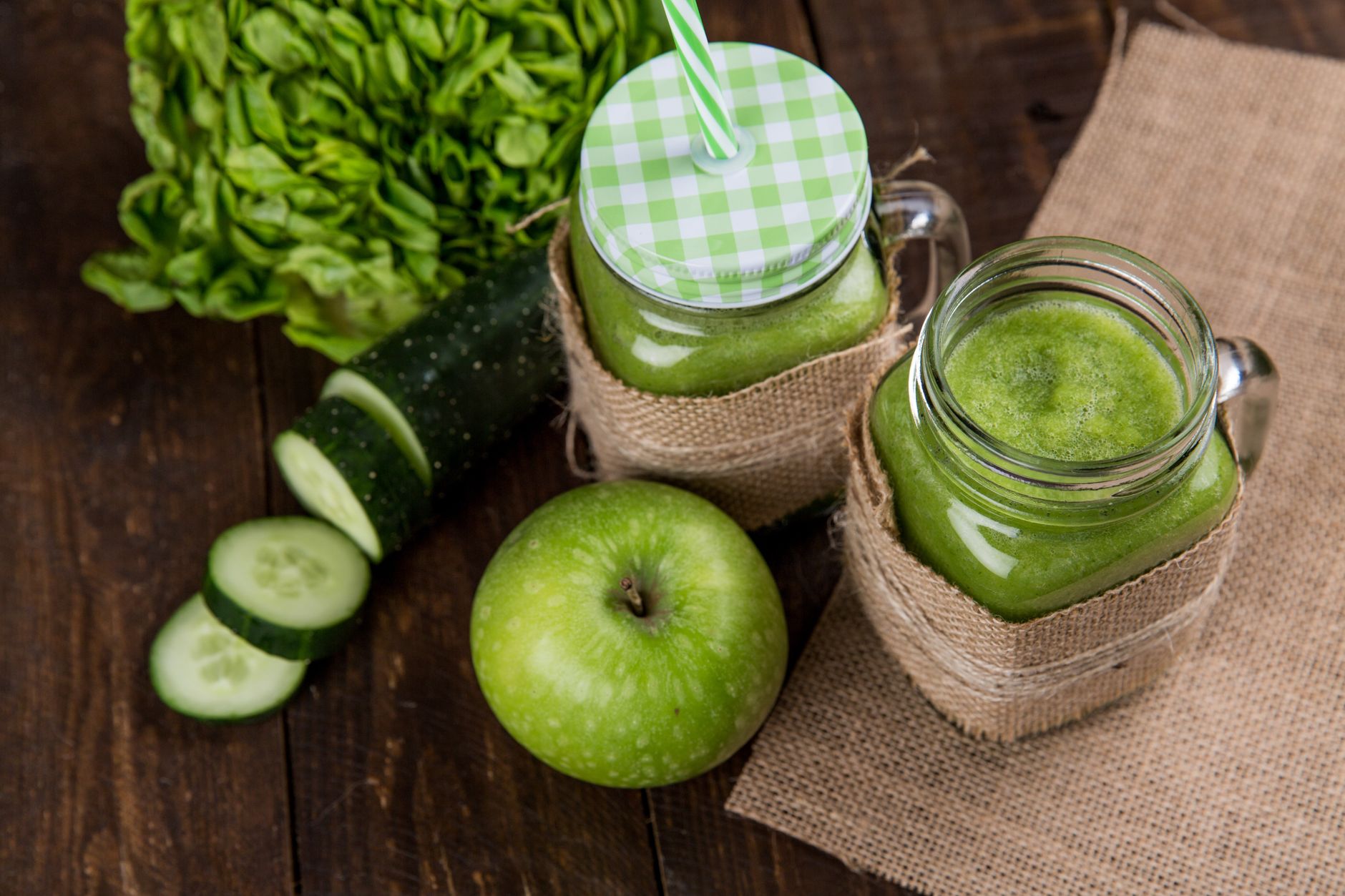
If youre not a veggie fan yet, try blending spinach into a smoothie or roasting vegetables with olive oil and your favorite spices its amazing what a little seasoning can do.
Whole Grains and Starchy Choices
Refined grains can slow digestion, while whole grains speed it up. Swap white rice and white bread for whole-grain varieties to add more fiber without a huge fuss.
- Oats: A comforting, soluble-fiber-rich breakfast that softens stool. Top with fruit and a sprinkle of seeds.
- Whole-wheat bread and brown rice: Easy swaps that increase insoluble fiber and overall meal satisfaction.
- Quinoa and barley: These are higher-fiber grains that add texture and nutrition to salads and bowls.
Legumes: Friendly and Filling
Beans, lentils, and chickpeas are some of the best foods for constipation because theyre loaded with fiber and protein. They also feed beneficial gut bacteria, which is a plus for long-term gut health.
Start small if youre not used to them a little can go a long way. Add lentils to soup, toss chickpeas into a salad, or blend white beans into dips like hummus for a creamy, fiber-packed snack.
Seeds and Nuts: Tiny but Mighty
Seeds like flaxseeds, chia seeds, and psyllium husk are excellent for constipation. They soak up water and form a gel that helps stool move through more smoothly. Nuts add healthy fats and a touch of fiber, too.
- Flaxseeds: Ground flax can be sprinkled on yogurt or mixed into smoothies.
- Chia seeds: Make chia pudding, or add a tablespoon to a drink and let it gel.
- Psyllium husk: Often used as a natural fiber supplement mix with water and drink right away.
Remember: When increasing fiber, also increase fluids. Fiber without water can make constipation worse.
Hydration and Natural Laxatives
Water is the silent hero here. Staying well-hydrated softens stool and helps fiber do its job. Warm beverages, like herbal tea or warm water with lemon in the morning, can also stimulate digestion.
Natural laxative foods include:
- Prune juice: As mentioned, its effective and gentle.
- Olive oil: A tablespoon on an empty stomach may help lubricate the gut.
- Yogurt and kefir: Probiotic-rich dairy or dairy-free options support healthy gut flora, which influences stool regularity.
Foods to Use Carefully
Some foods can worsen constipation for certain people. You dont need to ban them forever, but its good to be mindful:
- Processed foods: Typically low in fiber and high in fat or sugar they can slow digestion.
- Excess dairy: For some people, high amounts of cheese or milk can be constipating.
- Too much red meat: Its lacking in fiber and can be heavy on digestion.
Balancing these with fiber-rich sides usually does the trick.
Gentle Meal Ideas to Get Things Moving
Here are a few simple, tasty combos you can try without needing a cookbook:
- Breakfast: Oatmeal topped with raspberries, a spoonful of ground flaxseed, and a drizzle of honey.
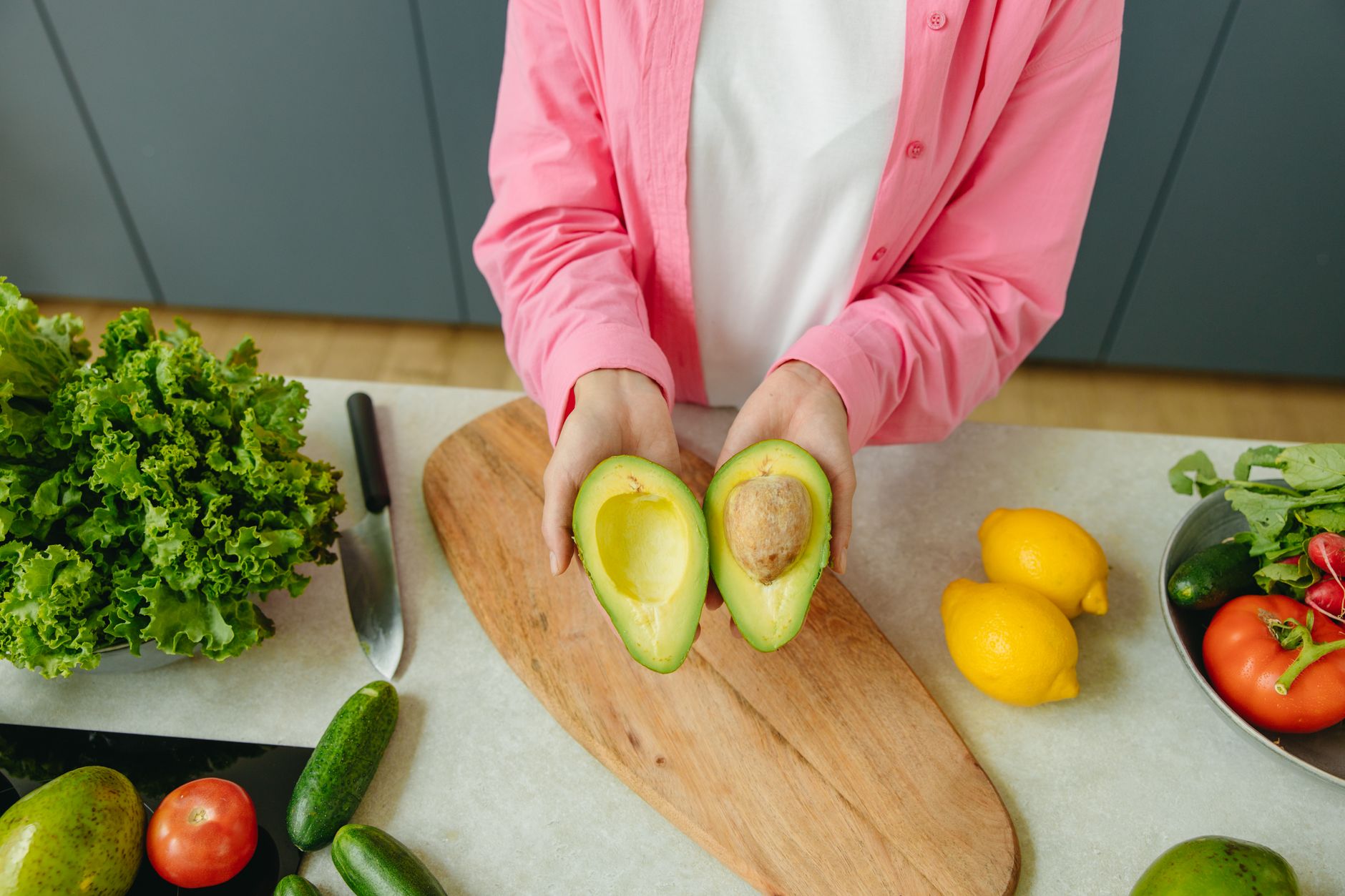
- Lunch: Quinoa salad with chickpeas, spinach, cucumber, and a lemon-olive oil dressing.
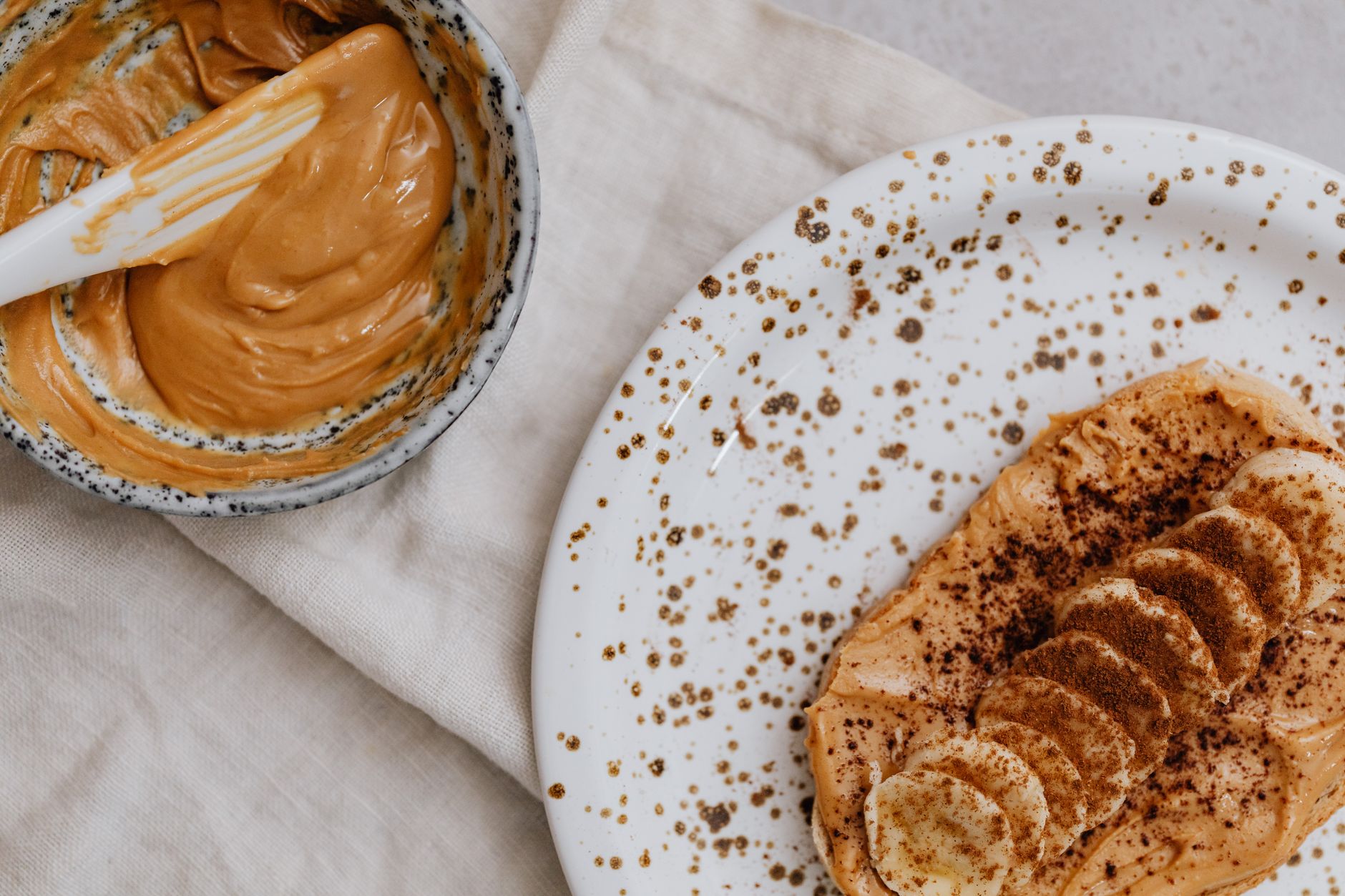
- Snack: A small bowl of prunes or an apple with almond butter.
- Dinner: Lentil stew with carrots, kale, and brown rice.
Small, consistent changes beat one-off detoxes every time. Think of it as supporting your body daily rather than punishing it with drastic measures.
Lifestyle Tips That Pair Well with Diet
Food is powerful, but its not the whole story. Moving your body, establishing a routine, and managing stress are major players too.
- Move regularly: Even a 2030 minute walk can help stimulate digestion.
- Set a routine: Try to use the bathroom at the same time each day your body often adapts.
- Mind your posture: A slight forward lean on the toilet (or using a footstool) can make a difference.
- Manage stress: Stress can tighten muscles, slow digestion, and disrupt routines. Deep breathing, meditation, or a calming hobby help.
When to See a Doctor
Most constipation responds well to diet and lifestyle changes, but there are times to seek medical advice. If you experience severe abdominal pain, blood in stool, unintentional weight loss, or constipation lasting more than a few weeks despite changes, reach out to your healthcare provider. They can check for underlying causes and suggest treatments tailored to you.
Helpful Resources and Related Reading
If youre also curious about other ways to improve your overall diet especially focusing on protein sources I found some great guides that pair well with improving digestion and general nourishment. For example, learning about Whole foods high in protein can help you build balanced meals that keep you satisfied without relying on processed choices that may worsen constipation. You might also like ideas for Plant based food if youre exploring fiber-rich, plant-forward options.
Quick Recap and Friendly Encouragement
Lets boil it down: include a variety of fruits, vegetables, whole grains, legumes, nuts, and seeds. Stay hydrated, move your body, and be patient fiber takes time to change how your gut works. Try small, sustainable changes and notice what helps you most.
Do you have a go-to remedy thats helped you? Or are you ready to try one of the meal ideas above? Share your experience Id love to hear what works for you. And if you have any questions or want more recipes tailored to your tastes, dont hesitate to ask. Well figure this out together, one delicious bite at a time.
FAQs
What causes constipation?
Constipation happens when stool moves slowly through the colon or you don’t have enough fiber, fluids, or activity. Certain medications or health conditions can also contribute.
What foods are best for constipation?
Fiber-rich foods such as fruits with skins, vegetables, whole grains, legumes, nuts, seeds, prunes, and ample fluids help keep stool soft and moving.
How much fiber should I aim for daily?
Most adults benefit from about 25-38 grams of fiber per day. Increase gradually and drink plenty of water to avoid gas or bloating.
Can hydration improve constipation?
Yes. Adequate fluids soften stool and support fiber. Water is best; herbal teas and soups also help.
When should I seek medical advice?
See a doctor if you have severe pain, blood in stool, unintended weight loss, or constipation lasting more than a few weeks despite dietary changes.