If you ever crave a juicy, tender cut but want the convenience of a chain restaurant, knowing where to find a quality steak chain can make all the difference. Not all steak chains are created equalsome serve up prime-grade beef with expert cooking, while others rely on lower-grade cuts and bulk prep that compromise flavor and texture. Whether you want an upscale steakhouse experience or an affordable meal without sacrificing too much quality, being informed about what makes a steak chain truly stand out will help you enjoy every bite.
Defining Quality Steak Chains
What Factors Determine Steak Quality at Chain Restaurants?
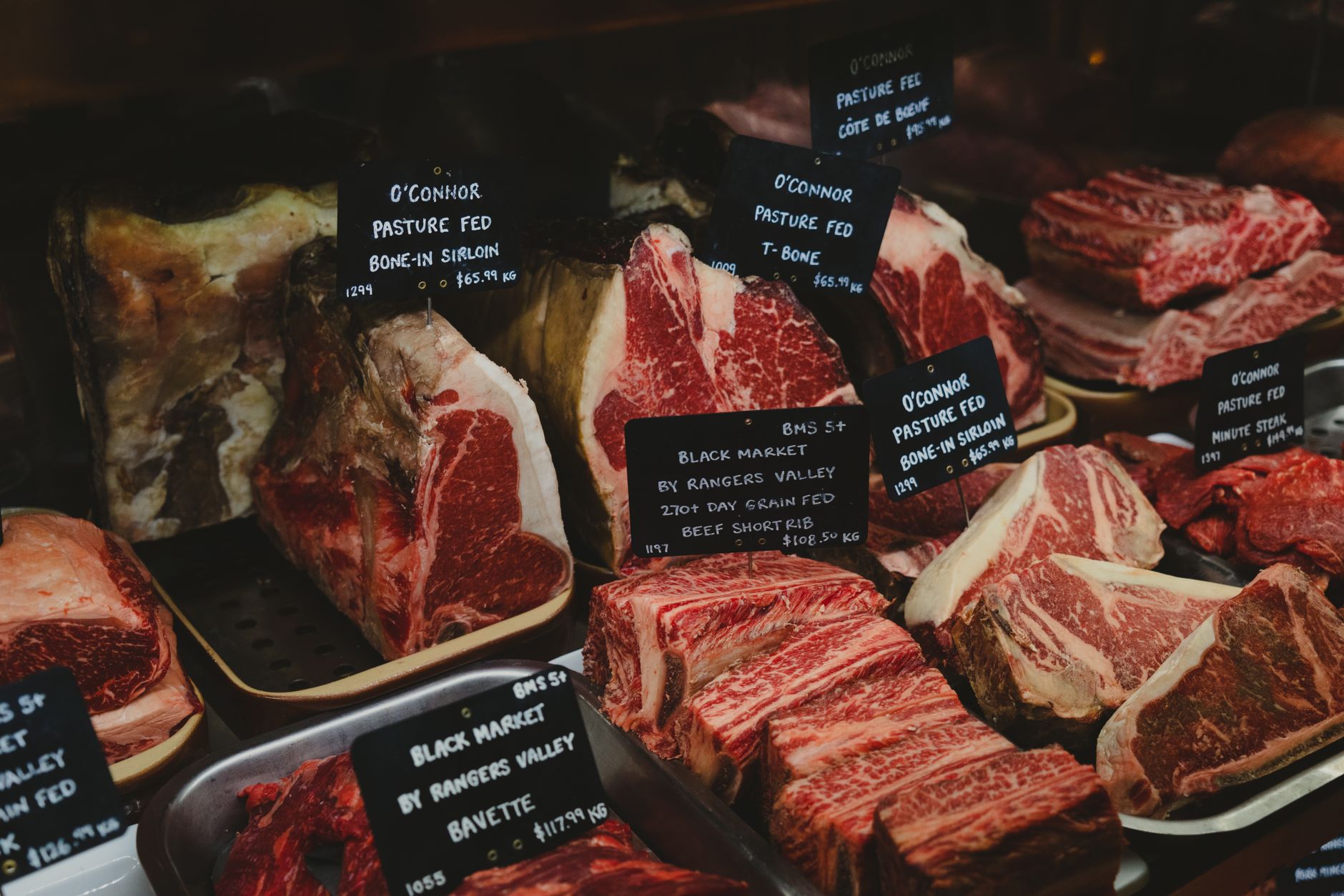
When it comes to steak quality, several key elements come into play at chain restaurants. First is the meat sourcing and grade. USDA Prime and Certified Angus Beef offer superior marbling and flavor compared to Choice or Select grades. Some chains also feature Wagyu or grass-fed beef, known for its rich texture and healthy fatty acids.
Next, the butchering and aging process matter. Dry-aging concentrates beefs flavor and enhances tenderness but requires time and space, making it more common in high-end chains. Wet-aging is more economical but can result in less pronounced flavor.
Finally, the cooking techniques usedgrilling, broiling, or sous videimpact final taste and texture. Skilled kitchen staff who understand how to cook steaks to temperature and cut styles make all the difference for consistency.
How Does Consistency Affect the Steak Experience?
Consistency can vary wildly across chain locations. A quality steak chain invests heavily in training and quality control to ensure steaks at every restaurant maintain the same standard. This means the prime rib you order in New York tastes just as good as the one in Texas.
Industry Standards & Certifications
Understanding labels and grades helps when choosing a steak chain. The USDA divides beef into Prime, Choice, and Select, with Prime being the highest quality in tenderness and marbling. Wagyu beef, originating from Japan, is prized for its intense marbling but may carry higher costs. For consumers mindful of halal dietary laws, look for chains or steaks certified by bodies like JAKIM or HMC to ensure proper standards.
Top Quality Steak Chains
What Makes Fogo de Cho Stand Out?
Fogo de Cho brings Brazilian rodizio-style steakhouse dining to the modern chain world. Their commitment to sourcing prime and Wagyu beef sets them apart. You can expect thick-cut, expertly seasoned, and grilled meats served tableside. This style allows sampling various premium cuts, from tenderloin to ribeye, all dry-aged and high-grade.
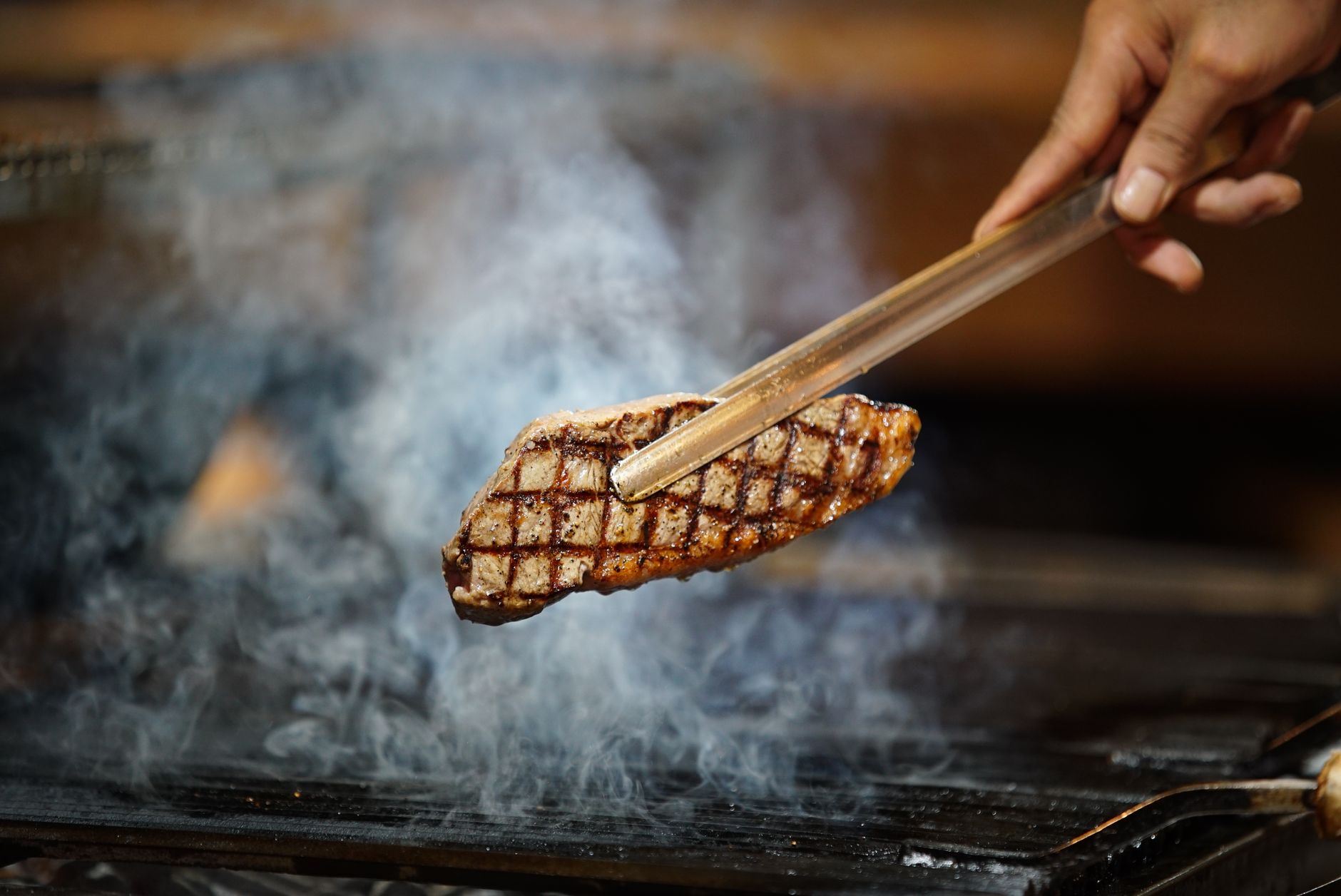
The controlled grilling over open flames enhances the smoky flavor while retaining juiciness. Many diners appreciate their consistent quality, whether in a flagship or smaller location.
Why Consider LongHorn Steakhouse?
LongHorn Steakhouse targets the affordable steak chain market without entirely compromising on quality. They primarily serve USDA Choice beef that is wet-aged to improve tenderness. Youll find familiar cuts like sirloin, New York strip, and filet mignon at modest prices.
While not as luxurious as higher-end chains, LongHorn has a reputation for providing consistent texture and flavor in a comfortable setting. Its a reliable option for those seeking quality without high-end prices.
What Do Reviews Say About Ruths Chris and The Capital Grille?
Both Ruths Chris and The Capital Grille represent upscale steak dining chains offering USDA Prime beef, mostly dry-aged between 21 to 28 days. Food critics frequently highlight their expertly cooked steaksseared at extremely high temperatures for that perfect crust and velvety interior.
Customer reviews often praise their attentive service and refined atmosphere. However, prices tend toward the higher end ($$$$), reflecting the premium beef and aging process. These chains balance a fine dining feel with chain-level accessibility.
| Chain Name | USDA Grade | Aging Process | Average Price | Customer Rating |
|---|---|---|---|---|
| Fogo de Cho | Prime / Wagyu | Dry-Aged | $$$$ | 4.7 / 5 |
| LongHorn Steakhouse | Choice | Wet-Aged | $$ | 4.3 / 5 |
| Ruths Chris | Prime | Dry-Aged | $$$$ | 4.5 / 5 |
| The Capital Grille | Prime | Dry-Aged | $$$$ | 4.6 / 5 |
Chains With Lower Steak Quality
Why Do Some Popular Chains Struggle With Steak Quality?
Popular casual dining chains like Olive Garden and Applebees often prioritize menu variety and affordability over premium meat quality. They may use USDA Select or lower-grade Choice cuts, sometimes frozen or pre-portioned for efficiency.
Bulk cooking and inconsistent preparation, including overcooked or unevenly grilled steaks, often lead to complaints about dryness or lack of flavor. Budget constraints mean they select cheaper beef, which reduces tenderness and marbling.
Common Review Complaints About These Chains
Common issues include tough texture, bland flavor, or steaks served undercooked or overdone. Even seasoned steak lovers may find these chains disappointing when craving a juicy, flavorful cut.
Affordable Chains and Quality Trade-Offs
Affordable steak chains sometimes make compromises to keep prices low. If choosing a budget-friendly steak, know you might sacrifice some marbling or optimal cooking methods. However, some chains like Outback Steakhouse provide a middle ground, offering USDA Choice aged beef cooked to order.
Chains Often Criticized for Lower Quality
- Olive Garden
- Applebees
- Outback Steakhouse
- Sizzler
- Chilis

Choosing a Quality Steak Chain
What to Ask Before Ordering Steak
When dining at a steak-focused chain, consider these questions: Where do they source their beef? Do they use USDA grades, and is the aging process wet or dry? Are steaks cut fresh or pre-packaged? What cooking methods are available? This knowledge helps you pick places likely to provide a better steak.
Affordable Chains Worth Trying
If cost is a concern but you want quality, try chains that focus on wet-aged Choice beef with made-to-order cooking. Also, look for special promotions or limited-time offers featuring prime cuts. Local branches of quality-focused chains sometimes offer Halal-certified steak optionscheck the menu carefully or ask staff.
Quick Tips for Ordering Steak at Chains
- Request your steak cooked to temperature (medium-rare is 135F internal) to avoid dryness.
- Try pairing steaks with sauces or sides that enhance flavor, like garlic mashed potatoes or grilled vegetables.
- Trust verified customer reviews from locals to identify quality spots nearby.
For Halal consumers, its wise to check for certification symbols like JAKIM, HMC, or IFANCA on the menu or packaging. Halal certification guarantees the meat meets specific Islamic dietary requirements.

Expert Insight & Industry Trends
How Are Chain Steak Quality Standards Evolving?
Consumer demand for quality and transparency has pushed many chains to improve sourcing and reveal more about their meat origins. Sustainable practices and grass-fed beef options are becoming more common at chains seeking to attract health-conscious diners.
What Do Butchers and Chefs Say About Mass Steak Production?
Experts highlight the challenge of maintaining meat aging, freshness, and cooking standards at scale. Automated systems, improved training, and supplier traceability help chains deliver better steaks across locations. Still, mass production sometimes reduces the artisanal touch found in independent steakhouses.
For home cooks curious about preparing quality beef cuts, exploring how a reliable meat grinder can enhance steak recipes might be helpful. It allows blending cuts and controlling fat content for home-made burgers or mixes.
Is a Quality Steak Chain Always Halal?
No, not all steak chains serve Halal-certified meat. Look for chains or specific locations with JAKIM, HMC, or IFANCA certification to ensure compliance. You can also inquire directly with the restaurant about their Halal sourcing. Certification logos or statements on menus provide added assurance for Muslim diners.
How Long Does Dry-Aged Steak Last?
Dry-aged steak at chain restaurants is typically aged between 21 and 45 days before cooking. Once served, leftovers should be refrigerated promptly and consumed within 3 to 4 days for freshness. Proper sealing prevents moisture loss.
Can You Trust Online Reviews for Steak Quality?
Customer reviews can offer useful insights but take them with a grain of salt. Some reviews may be biased or overly subjective. Look for detailed comments about marbling, tenderness, and cooking accuracy. Consistency in multiple reviews strengthens credibility.
What Are Typical Price Ranges for Quality Steak Chains?
Affordable chains typically charge $10 to $25 for standard steaks. Mid-tier to upscale chains may range from $35 to over $70 per steak, depending on cut and portion. Halal-certified steak options sometimes carry a premium due to sourcing requirements.
Are There Health Benefits to Choosing Grass-Fed or Wagyu Beef at Chains?
Grass-fed beef usually has higher omega-3 fatty acids, lower saturated fat, and more antioxidants compared to conventional grain-fed beef. Wagyu beefs rich marbling contains monounsaturated fats and a buttery texture but is higher in calories. Choosing these options balances flavor with nutritional preferences.
How Can I Make Steak More Flavorful at Home After Dining Out?
Consider enhancing leftover steak with homemade sauces or marinades. Adding fresh herbs, garlic butter, or a squeeze of lemon can elevate flavor. Reheating gently on low heat or sous vide keeps the steak tender. For recipe ideas, explore options with Gyro meat preparation tips as a flavor inspiration.
Certification and Quality Checklist
| Certification | Price Range | Common Formats | Shelf Life | Key Allergens |
|---|---|---|---|---|
| USDA Prime, JAKIM Halal | $$$ - $$$$ | Fresh Cuts, Dry-Aged Steaks | 34 days refrigerated | None (beef only) |
| USDA Choice, HMC Certified | $$ - $$$ | Wet-Aged Steaks, Frozen Options | 57 days refrigerated | None |
| Wagyu Certified, IFANCA Halal | $$$$ | Premium Cuts, Dry-Aged | 3 days refrigerated | None |
Buying Tips
- Dont settle for cheap cuts disguised by sauces. Many chains cover lower-grade meat with heavy seasoning, which can mask flavor issues.
- Expert tip: Order medium-rare to preserve tenderness, especially at USDA Prime or Wagyu-serving chains.
- Verify Halal certifications via visible logos to ensure meat meets your dietary needs.
More You Might Like
Discover how Gyro meat is prepared and what makes it a favorite in many Halal diets. Perfect for mixing up your protein sources.
Interested in grinding your own meat? Our guide on Meat grinders explains how to control quality and fat content at home.
Is a quality steak chain actually Halal what should I check?
Not all steak chains automatically provide Halal meat. Look for certification from recognized bodies like JAKIM, HMC, or IFANCA. Verify that the steak is slaughtered following Islamic guidelines, and that no cross-contamination with non-Halal products occurs. Certified menus or packaging usually display logos for consumer confidence.
When is the best time to eat steak?
Steak is ideal when served fresh off the grill, typically for lunch or dinner. Its best enjoyed at least a few hours before bedtime due to its rich, heavy nature. Eating steak alongside fiber-rich vegetables aids digestion.
Can I freeze leftover steak safely?
Yes, properly wrapped steak can be frozen for up to 3 months without major loss of flavor or texture. Wrap tightly in foil and place in airtight freezer bags to prevent freezer burn.
What cooking method preserves steak juiciness best?
Grilling or pan-searing at high heat with finishing in the oven works well. Sous vide cooking maintains internal moisture precisely but requires special equipment.
Is dry-aged beef healthier than wet-aged?
Dry-aged beef may have more concentrated flavor and improved digestibility due to enzyme activity but nutritionally, they are largely similar. Personal preference usually dictates choice.
Does Halal certification affect steak price?
Halal-certified steak can be slightly more expensive due to sourcing, slaughtering, and cross-contamination prevention processes. However, the premium often ensures higher-quality standards.
Are there vegetarian/vegan alternatives at steak chains?
Some chains now offer plant-based steak substitutes and sides to cater to varied diets, but these rarely replicate traditional steak texture or flavor completely.
Whats the most overlooked steak ordering mistake?
Ordering steak without specifying doneness often results in disappointment. Always clarify temperature preferences and ask about kitchen specialization to avoid tough cuts.
Why do cheap steaks often disappoint?
They usually come from lower-grade meat with less marbling, or are pre-cooked and reheated. This reduces tenderness and flavor significantly compared to fresh, aged cuts.
One expert tip to enhance steak flavor at home?
Rest your steak 5 to 10 minutes after cooking to allow juices to redistribute, producing a juicier cut and more balanced flavor when you slice.
Next time you pick a steak at a chain restaurant, check the label or menu details for grading and certification. Your informed choice can make every bite richer and more satisfying. Feel free to share your favorite steak chains or experiences belowwe love hearing your stories!
FAQs
Is quality steak chain actually Halal — what should I check on the label?
Not all steak chains serve Halal-certified meat. Look for certification from recognized bodies like JAKIM, HMC, or IFANCA. Verify that the steak is slaughtered following Islamic guidelines and that there is no cross-contamination with non-Halal products. Certified menus or packaging usually display logos for consumer confidence.
How long does dry-aged steak last after purchase?
Dry-aged steak from chains is usually aged 21 to 45 days before serving. Once purchased, leftovers should be refrigerated promptly and consumed within 3 to 4 days for optimal freshness and flavor preservation. Proper sealing helps prevent moisture loss.
What is the difference between dry-aged and wet-aged steaks?
Dry-aged steaks are hung or placed in controlled air conditions to develop concentrated flavor and tenderness over weeks. Wet-aged steaks are vacuum-sealed in bags, retaining moisture but often with less intense flavor. Dry-aging is more common in upscale chains; wet-aging is a cost-effective alternative.
Is it safe to eat steak daily from quality steak chains?
Eating steak daily is safe if done in moderation and balanced with a healthy diet. Choose steaks from quality chains that offer well-sourced beef and mindful cooking methods. Be aware of portion sizes and balance with fiber-rich sides to support digestion and overall health.
Where can I find trustworthy quality steak chains near me?
Look for well-reviewed national or regional chains known for USDA Prime or Choice beef and clear sourcing transparency. Check local reviews and ask staff about beef grade, aging process, and Halal certification if required. Quality steak chains often advertise these details on their menus and websites.