When it comes to brightening up your baked goods, deciding on the right lemon baking flavor can be surprisingly tricky. Lemon extract delivers a concentrated aroma that‘s perfect for subtle depth. Lemon juice adds zingy brightness plus acidity, which can affect texture. Lemon zest, on the other hand, bursts with fresh, vibrant oils for a natural citrus pop. Many home bakers swap these without knowing the taste and texture impact and that can throw off your final treat.
Lemon Flavor Types
Understanding the differences among lemon extract, lemon juice, and lemon zest helps you bake smarterand tastier. Each brings a unique profile and function to your recipes.
What is Lemon Extract and How is It Used in Baking?
Lemon extract is a liquid flavoring made by soaking lemon peels in alcohol, capturing essential oils. Its widely used to infuse lemon aroma without adding moisture or acidity, making it ideal for frostings, cookies, and delicate cakes. The alcohol content, usually around 35%, helps extract and preserve the intense lemon scent. High-quality extracts will have a clean, bright flavor rather than a sharp artificial taste.
How Does Lemon Juice Affect Baked Goods?
Lemon juice brings acidity and moisture, helping activate baking soda for leavening. This plays a key role in creating tender crumb structures in cakes and muffins. The fresh citrus tang also balances sweetness and adds brightness. However, too much juice can make batter soggy or give a metallic tang. It‘s perfect when measured carefully, such as when you want a fresh lift in pound cakes or quick breads.
What Makes Lemon Zest Unique in Baking?
Lemon zest is the colored outer peel of the lemon, packed with concentrated citrus oils. It adds clean, natural fragrance and sharp lemon notes without extra moisture. Zest works beautifully in recipes needing fresh vibrancythink lemon pound cake, scones, or glaze. Unlike juice or extract, zest carries subtle bitterness that adds complexity. Freshly grated zest during mixing delivers the best aroma and flavor snap.
Choosing Lemon Flavor
Picking the right lemon baking flavor depends on the desired taste, texture, and moisture level you want in your recipe. Heres a practical breakdown to guide you.
When to Use Lemon Extract, Juice, or Zest?
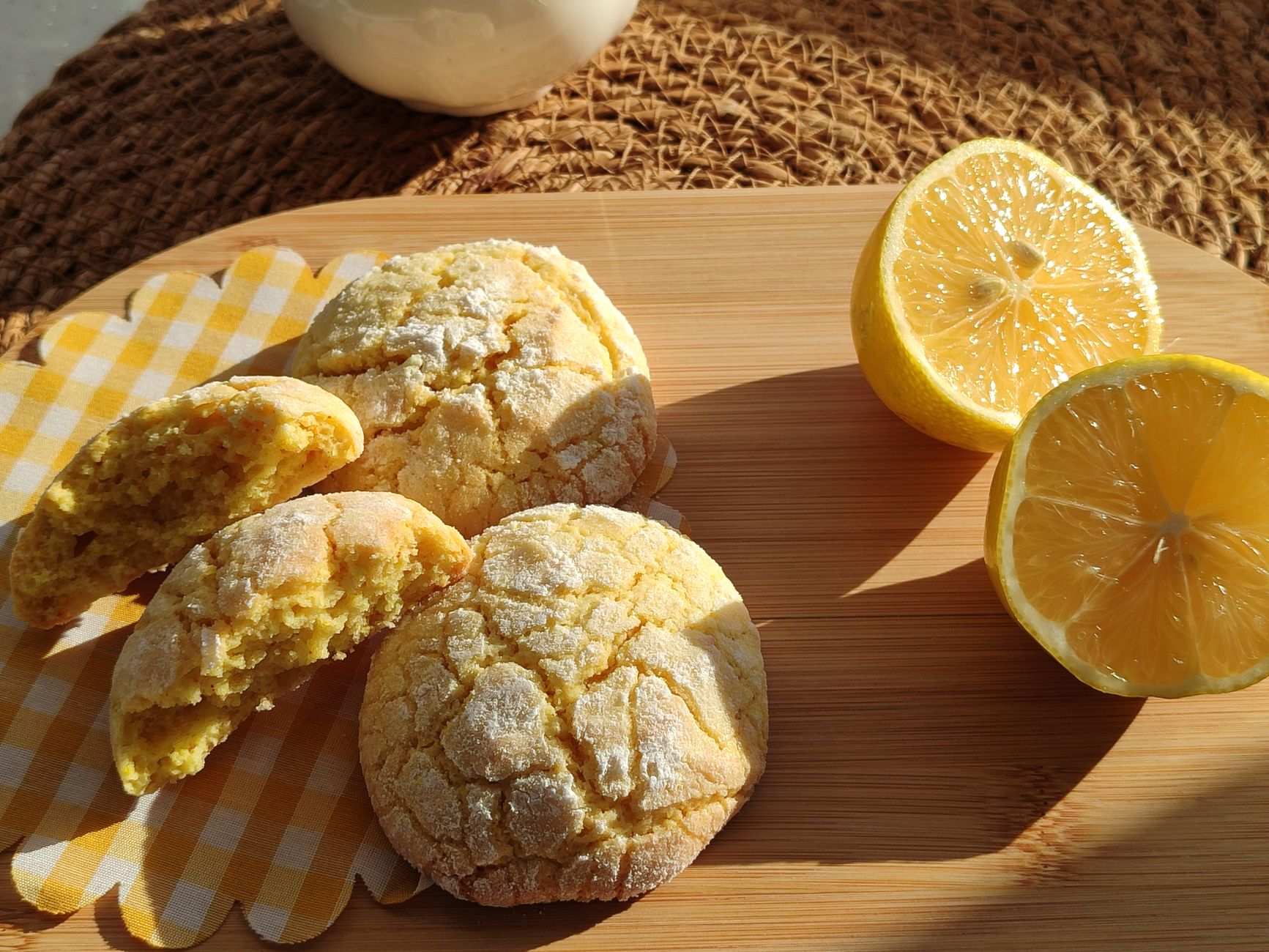
Lemon extract shines in frostings, sugar cookies, and recipes where moisture control is key. Juice is best in moist cakes, muffins, or recipes relying on acidic activation of raising agents. Zest fits well in dense breads, pound cakes, or where fresh citrus notes are desired without added liquid. Understanding these use cases keeps your bakes balanced.
| Lemon Flavor | Best Use | Flavor Impact | Moisture Effect |
|---|---|---|---|
| Lemon Extract | Cookies, frostings, delicate cakes | Concentrated aroma, subtle depth | None |
| Lemon Juice | Cakes, muffins, quick breads | Bright acidity, tartness | Adds moisture, activates leavening |
| Lemon Zest | Pound cake, breads, glazes | Fresh, vibrant citrus oils | Minimal |
Lemon Flavor Substitute Options
If you run out of one ingredient, substitutions are possible but require adjustments. For example, 1 teaspoon of lemon extract can replace 2 tablespoons of lemon juice for aroma but lacks the juices acidity and moisture. Using zest instead of juice reduces tartness and moisture, so consider adding a splash of extra liquid or acid. Always adjust sugar and wet ingredients carefully to maintain balance.
How Much Lemon Flavor Should You Use?
Measurement precision matters.
- Extract: 1 teaspoon is usually enough for a standard batch of cookies or cake.
- Juice: 1-2 tablespoons add noticeable brightness but too much can affect texture.
- Zest: 1-2 teaspoons of freshly grated zest deliver fresh vibrancy without overpowering.

Health and Storage
Keeping your lemon baking ingredients fresh ensures clean, safe flavor. Fresh lemon zest and juice should be used promptly or stored well to avoid spoilage. According to the USDA FoodData Central, fresh zest loses flavor rapidly when exposed to air.
Is Lemon Extract Safe for All Bakers?
Most lemon extracts contain about 35% alcohol as a solvent. This is generally recognized as safe for consumption and baking, but those avoiding alcohol for religious or health reasons should check labels carefully. Look for Halal certification logos like JAKIM, HMC, or IFANCA on extracts to ensure compliance. Alcohol-free lemon flavorings or natural oils can be alternatives if preferred.
Maximizing Lemon Flavor
For rich, layered lemon taste, combining extract, juice, and zest thoughtfully delivers the best results. For example, add zest during mixing for fresh oils, lemon juice to activate leavening and add brightness, and a touch of extract to deepen aroma. This layering balances freshness, acidity, and aroma without overpowering.
Pro bakers suggest adding zest early in the mixing process to release oils, while juice often goes in with wet ingredients. Extract is commonly added last to preserve volatile compounds. To keep lemon flavor bright bake at moderate temperatures, avoiding excessive heat that can dull citrus notes.
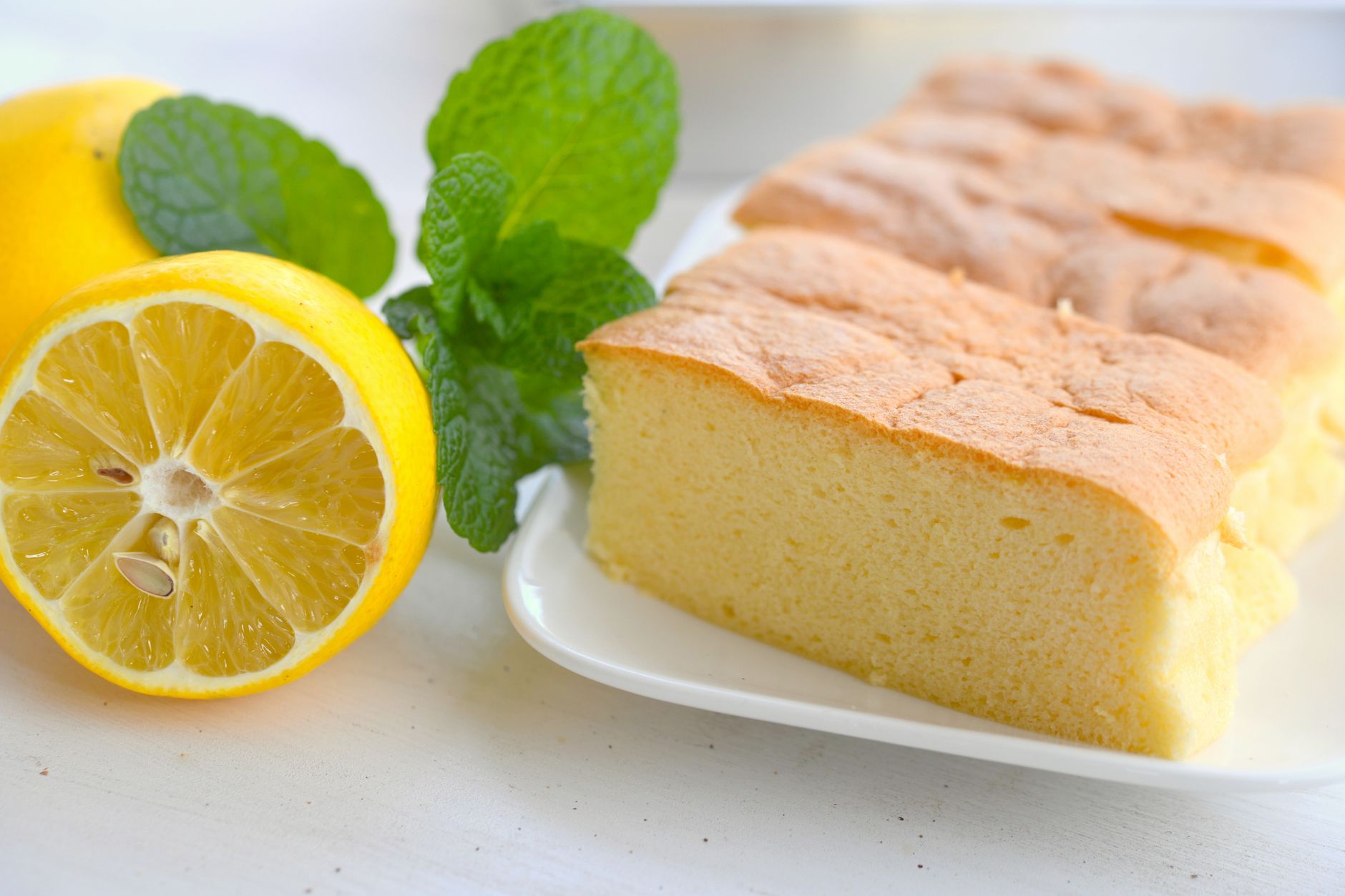
If you enjoy exploring artisan bakeries, check out Cozy corner bakery or Degrees bakery both offer treats showcasing delicate citrus notes in their signature sweets.
When is the best time to use lemon baking flavor?
Lemon baking flavors are especially vibrant in spring and summer bakes but brighten any seasons treats. Use them when you want a refreshing contrast to rich, sweet desserts. Fresh zest and juice are best if using immediately, while extract is great for year-round convenience.
Is lemon extract Halal based on certification?
Look for certified Halal labeling from trusted bodies such as JAKIM, HMC, or IFANCA on lemon extract bottles. These certify that the alcohol source and extract process comply with Islamic dietary laws.
Can I substitute lemon juice for lemon zest directly?
Not exactly. Lemon zest contains essential oils not present in juice, so substituting juice for zest results in less aromatic and less complex flavor. You may need to adjust moisture and acidity accordingly when swapping.
How do I store fresh lemon zest and juice?
Fresh zest is best used immediately but can be refrigerated tightly sealed for up to 2 days or frozen up to one month. Lemon juice lasts 35 days refrigerated and up to 6 months frozen.
Does lemon juice change texture in baked goods?
Yes, because lemon juice is acidic, it reacts with baking soda to create carbon dioxide bubbles that lighten textures like cakes and muffins.
Why does my lemon-flavored cake taste bitter sometimes?
Bitter flavor often comes from including the white pith beneath zest or overusing extract. Always grate only the yellow peel and measure extract carefully.
Whats the shelf life of commercial lemon extract?
Unopened lemon extract typically lasts 35 years stored in a cool, dark place. Once opened, it preserves flavor for about 1 year if tightly sealed.
Pro Baking Tips
- Grate lemon zest using a microplane directly into the batter to capture the volatile oils before they dissipate.
- Add lemon juice at the end of the wet ingredient mixing stage to maximize leavening activation without reducing rise.
- For a richer aroma, steep zest in butter at room temperature for 1 hour before baking to infuse citrus oils.
- Avoid over-measuring extracttoo much can cause a harsh or chemical flavor.
- Use organic lemons for zest to avoid pesticide residues and stronger oils.
More You Might Like
If you love bakery insights, the article on Cozy corner bakery offers an insider look at how ingredient choices influence textures and aroma. Another must-read is the deep dive into artisanal techniques shared by Degrees bakery experts, perfect for baking enthusiasts ready to elevate their craft.
Conclusion
Lemon baking flavor is not one-size-fits-all. Extract, juice, and zest each play distinct roles depending on your recipes needs for aroma, acidity, and moisture. Using them smartly makes your bakes pop with fresh, natural citrus character. Next time you shop or bake, consider the right lemon flavor form for your delicious creationand feel free to experiment with small swaps. You might be surprised by the difference it makes in taste and texture.
FAQs
Is Lemon baking flavor actually Halal — what should I check on the label?
Many lemon extracts contain alcohol, so to ensure it is Halal, look for certification logos from trusted bodies like JAKIM, HMC, or IFANCA on the bottle. These certify compliance with Islamic dietary laws. Alcohol-free lemon flavorings or natural oils are good alternatives if you want to avoid alcohol entirely.
What is the typical shelf life of lemon extract after opening?
Once opened, lemon extract usually maintains its flavor and quality for about one year if stored tightly sealed in a cool, dark place. Proper storage helps preserve its aroma and prevents degradation.
What is the difference between lemon juice and lemon zest in baking?
Lemon juice adds acidity, moisture, and tartness that activate leavening agents and brighten flavors. Lemon zest provides concentrated citrus oils with fresh aroma and subtle bitterness but adds minimal moisture, making them serve different purposes in recipes.
Is lemon baking flavor safe to use daily in recipes?
Yes, when used in typical baking amounts, lemon baking flavors such as juice, zest, or extract are safe for regular consumption. However, use extract in moderation to avoid a harsh or artificial taste due to its alcohol content.
Where can I buy high-quality lemon baking flavor products?
You can find quality lemon baking flavor products at specialty baking supply stores, major supermarkets, or online retailers. For Halal-certified options, look for trusted halal stores or verified online halal marketplaces offering authentic lemon extract and natural flavorings.