The Teavana closure marked a surprising moment for many tea lovers who cherished the brands wide variety of teas and unique retail experience. While Teavana was once a rising star in specialty tea, the sudden shuttering of its stores left fans wondering what went wrong. Today, Starbucks still offers some Teavana blends, keeping a part of its legacy alive for home brewers. But why did this well-known tea brand vanish from malls so quickly? Understanding the Teavana closure reveals much about shifting consumer habits, retail challenges, and the evolving tea market.
Reasons Behind Closure
What Led to Starbucks Acquisition?
Starbucks first acquired Teavana in 2012 for about $620 million, aiming to enter the growing specialty tea market. At the time, Starbucks saw an opportunity to diversify beyond coffee and capitalize on the increasing demand for premium tea experiences. Teavanas urban-style tea bars and premium loose-leaf products fit what Starbucks hoped would be a popular niche. The company projected significant revenue growth by blending Teavanas offerings with Starbucks vast retail footprint.
However, market research showed that while tea consumption was growing globally, specialty tea had a much smaller share compared to coffee. The tea markets slower adoption and fragmented competition made it harder for Teavana to scale in the face of shifting consumer preferences.
Challenges Leading To Store Closures
Several obstacles contributed to the eventual closure of physical Teavana stores. For one, the mall-based retail locations struggled as fewer consumers visited malls or sought out specialty tea shops in those venues. This decline in foot traffic was a challenge no specialty brand could easily overcome.
Competition intensified too. Smaller local tea boutiques and online tea shops gained traction among tea enthusiasts looking for niche and artisanal blends. Additionally, some operational issues including legal disputes concerning business partnerships distracted management from focusing purely on growth.
Starbucks Shifting Strategy
Initially, Starbucks envisioned Teavana stores as tea bars where wellness-minded customers could enjoy tea in a social environment. But this concept never fully clicked. Starbucks core coffee business naturally drew more customers, and the specialized tea format did not see the same sustained traffic.
The company pivoted by integrating select Teavana teas into Starbucks cafes nationwide, but the large-scale dedicated stores closed by 2018. This shift showed a focus on bringing tea to homes through packaged products rather than prioritizing direct retail experiences.
Impact of Store Closures
Customer Reactions
Many devoted Teavana fans expressed disappointment and nostalgia as stores disappeared. Social media posts shared stories of favorite blends and memories tied to Teavanas unique shopping experience. Some lamented the loss of personalized tea recommendations and the in-store aroma that made Teavana special.
Yet, many understood the retail environments harsh realities. Tea lovers shifted to buying online or through Starbucks locations, adapting to the new availability model even if it lacked the same charm.
Availability of Teavana Products
Although the stores closed, Starbucks continues to sell a limited selection of Teavana tea blends packaged for home brewing. This offers a convenient way for customers to enjoy classic flavors like Jade Citrus Mint and Emperors Cloud and Mist in a familiar brand.
However, not all blends survived the transition. The variety at Starbucks is narrower compared to the expansive store offerings, which disappointed some enthusiasts seeking rare or exotic teas.
Market Landscape Shifts
The closure of Teavanas physical stores created a vacuum in specialty tea retail. Independent shops and smaller brands seized the opportunity to attract customers seeking authentic tea experiences. This more fragmented landscape pushed tea brands to focus on authenticity, quality, and online presence.
| Market Aspect | Pre-Closure | Post-Closure |
|---|---|---|
| Retail Footprint | Over 300 mall stores | Store closures, fewer dedicated tea outlets |
| Product Range | Wide variety of loose-leaf blends | Limited Starbucks-packaged blends |
| Consumer Access | In-store experience focused | Focus on at-home brewing, online sales |
Lessons from Teavana
Benefits from Starbucks Investment
Starbucks helped elevate tea to a broader audience and brought premium tea blends into mainstream coffee shops. This introduced many consumers to high-quality tea options and enhanced Starbucks wellness-oriented beverage portfolio.
Risks and Pitfalls
One significant challenge was Starbucks attempt to upscale the tea retail model in mall environments where foot traffic was declining. This led to expensive leases with insufficient sales volume. Also, the mismatch between tea aficionados desire for artisanal authenticity and Starbucks standardized approach created tension.
Avoiding Similar Mistakes
Emerging tea brands should carefully assess retail location viability and lean into authentic product development aligned to consumer expectations. Prioritizing online platforms and community building often delivers more sustainable growth than expensive physical expansions.
Teavanas Future Today
Where to Find Teavana Teas Now
Starbucks still sells select Teavana tea products at many locations and online. These packaged teas provide accessibility for home use, with popular blends typically priced between $8 and $15 for 20 to 40 tea bags or loose-leaf pouches.
These products are certified kosher and bear quality seals, but for halal-conscious buyers, it is essential to look for the JAKIM, HMC, or IFANCA logos to confirm halal certification according to recognized standards.
Ongoing Innovations
Starbucks continues to innovate with tea-inspired beverages, often melding traditional Teavana flavors with new ready-to-drink formats and seasonal blends. While not labeled explicitly "Teavana," these offerings tap into the same wellness and premium tea trends.
Keeping the Teavana Spirit Alive
Tea lovers craving specialty tea experiences can explore other brands focusing on organic, fair-trade, and carefully sourced tea leaves. Shops emphasizing transparent supply chains and unique flavor profiles often provide a rich experience reminiscent of Teavanas approach.
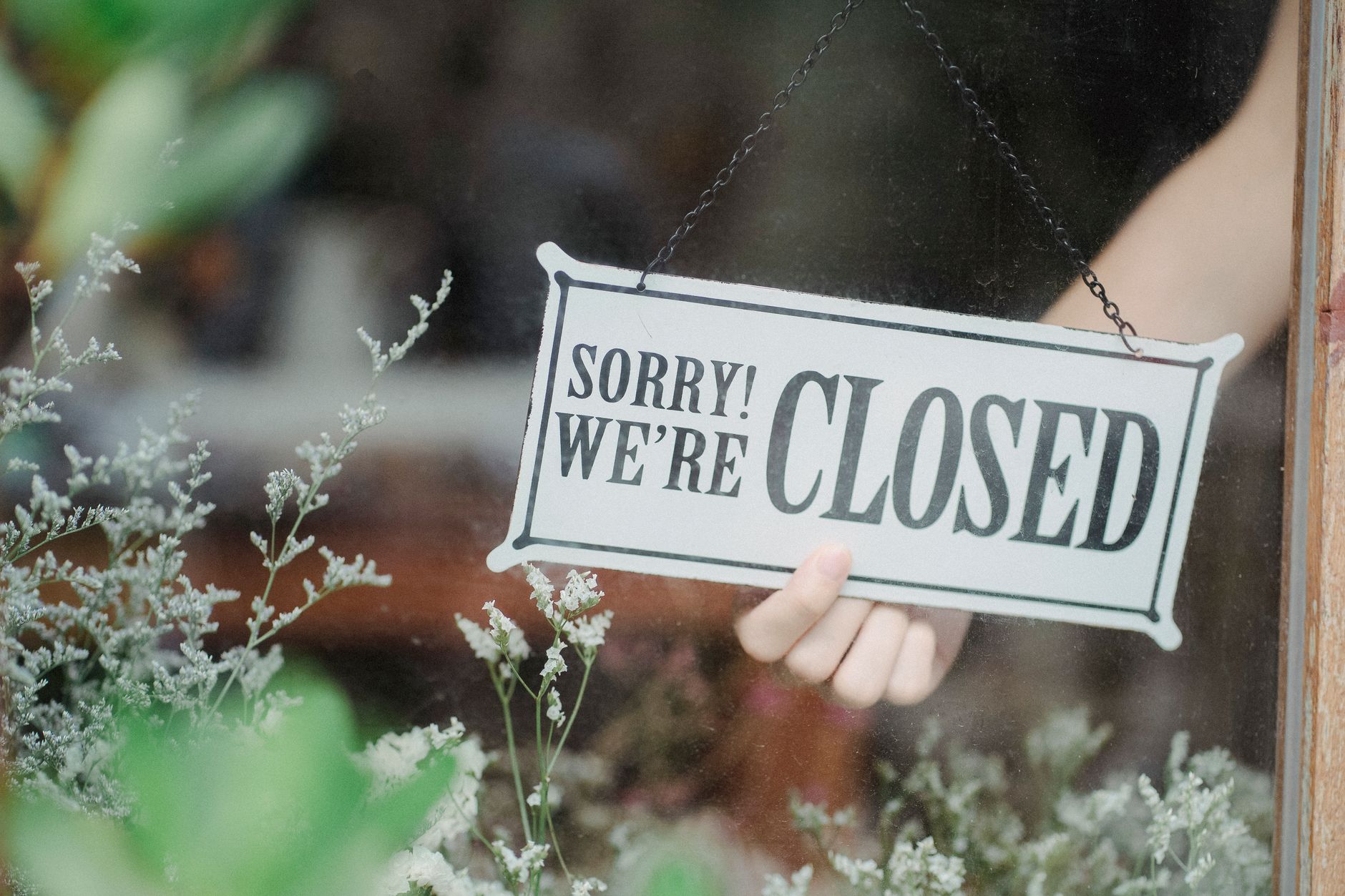
Teavana Closure: What to Look For in Tea Products
| Certification | Price Range | Common Formats | Shelf Life | Key Allergens |
|---|---|---|---|---|
| JAKIM, HMC, IFANCA (Halal); USDA Organic | $8$15 per pack | Tea bags, loose leaf, ready-to-drink | 1218 months unopened | Possible traces of nuts or soy in blends |
When selecting Teavana or similar tea products, look for clear ingredient lists. The main ingredients should be first, and avoid unnecessary additives like artificial flavors or excessive sugars. Certification logos on packaging reinforce product authenticity and adherence to halal or organic standards, crucial for health-conscious consumers.
Is Teavana Actually Halal What Should I Check?
Teavana tea blends themselves are typically plant-based and free from animal-derived ingredients. However, to confirm Halal status, look for recognized halal certification logos such as JAKIM, HMC, or IFANCA on the packaging. These assure compliance with halal food laws, including processing and handling. Absence of certification means exercising caution, especially for pre-packaged or flavored varieties.
Can Teavana Tea Support a Healthy Lifestyle?
High-quality teas like those from Teavana provide antioxidants, contribute to hydration, and support overall wellness when consumed without added sugars or creamers. Teavanas focus on natural ingredients aligns with clean-label trends, appealing to those pursuing health-conscious diets.
What Is the Best Way to Brew Teavana Tea at Home?
Most Teavana blends perform best when brewed with water just off the boil (around 9095C), steeped for 3 to 5 minutes depending on the tea type. Green teas typically require shorter steeping times (23 minutes) to avoid bitterness. Using filtered water and a ceramic or glass teapot enhances flavor purity.
How Long Can Teavana Tea Be Stored?
Stored unopened in a cool, dry place, Teavana teas last up to 18 months. Once opened, it is best to consume within 6 months to maintain freshness. Keep tea in airtight containers away from moisture, heat, and strong odors to preserve aroma and potency.
Are Ready-to-Drink Teavana Beverages Worth Trying?
Ready-to-drink Teavana-inspired beverages offer convenience but often contain added sugars or preservatives. For health-conscious buyers, check nutrition labels carefully. Homemade brewing provides better control over ingredients and flavor intensity.
What Is a Common Buying Mistake With Specialty Tea?
Many buyers underestimate the importance of storage and freshness. Purchasing large quantities that sit unopened for a long time can result in stale tea with muted flavors. Opt for smaller packs and buy from trusted sources to ensure quality.
One Expert Tip For Specialty Tea Shoppers
Try to select teas with transparent sourcing information. Brands that share origin stories and farmer details tend to prioritize quality and sustainability, ensuring a richer and more authentic cup.

More You Might Like
Discover our exploration of Champagne vs prosecco to understand subtle flavor differences in sparkling beverages.
If you love rich coffee as much as tea, check out our detailed guide on Espresso beans for tips on selecting the freshest, boldest beans.
Conclusion
The Teavana closure was a turning point reflecting retail shifts and evolving tastes. Though the stores are gone, Starbucks keeps some Teavana teas in circulation, offering a way to enjoy the brand at home. Next time you shop for tea, check the label for halal certification and freshness. Whether youre brewing a calming cup or experimenting with new blends, the legacy of Teavana lives on in each steep.
FAQs
Is Teavana closure actually Halal — what should I check on the label?
Teavana teas are plant-based and typically halal-friendly, but always verify the packaging for halal certification logos like JAKIM, HMC, or IFANCA to ensure compliance with halal food laws and processing standards.
How long can Teavana teas be stored after opening?
Once opened, Teavana teas are best consumed within 6 months to maintain flavor and freshness. Store teas in airtight containers away from moisture, heat, and strong odors.
What makes Teavana teas different from regular tea brands?
Teavana focused on premium, artisanal blends with an emphasis on quality and unique flavor profiles, contrasted with standard tea brands that may offer more generic or mass-market options.
Is drinking Teavana tea safe and healthy daily?
Yes, Teavana teas provide antioxidants and hydration benefits with natural ingredients. Drinking daily is safe when consumed without added sugars or creams, supporting a healthy lifestyle.
Where can I buy Teavana tea products now?
You can find select Teavana tea blends packaged for home brewing at many Starbucks locations and online. However, the variety is limited compared to when dedicated stores were open.