When you take a sip of your favorite drink, you might wonder: how long until alcohols effects take hold? The truth is, alcohol effects time varies widely. Most people feel the buzz within 10 to 30 minutes, but many factors influence exactly when and how strongly it hits. Understanding this timeline helps you drink smarter, stay safe, and respect your bodys pace.
What Affects Alcohol Onset?
How Does Your Body Absorb Alcohol?
Alcohol absorption begins the moment it enters your mouth but accelerates mainly through the stomach and small intestine. About 20% enters the bloodstream directly from the stomach, while 80% absorbs later in the small intestine‘s lining. This process affects how quickly you feel the effects.
Food delays absorption by slowing stomach emptying. Drinking on an empty stomach means alcohol slips into your bloodstream faster. Similarly, sweet or carbonated beverages can change absorption speeds, sometimes making effects appear sooner.
When Does Alcohol Kick In?
For most people, alcohol effects time starts at around 10 minutes after drinking, peaking by 30 to 60 minutes. Beginners might notice effects quicker due to lower tolerance, while regular drinkers could take longer to feel the buzz.
Individual variations, such as metabolism speed and body composition, can lead to significant differences. Some may feel relaxed within 15 minutes, while others feel minimal change even after half an hour.
What Influences Absorption Most?
- Body weight: More mass usually means slower effect onset.
- Metabolism: Fast metabolizers process alcohol quicker, reducing intensity and duration.
- Gender: Due to lower water content and differences in enzymes, women often absorb alcohol faster and feel stronger effects.
- Medications & health: Certain drugs, liver conditions, or stomach issues alter how your body handles alcohol.
| Drink Type | Typical Effect Onset |
|---|---|
| Beer (5% ABV) | 20-30 minutes |
| Wine (12% ABV) | 15-30 minutes |
| Spirits (40%+ ABV) | 10-20 minutes |
Medical experts, including toxicologists, emphasize that drinking speed and external factors heavily influence this timeline. The liver typically metabolizes one standard drink per hour, so pacing is key to managing how alcohol affects you.
How Alcohol Effects Progress Over Time
First Effects You Feel
Within minutes after alcohol enters your bloodstream, you may notice a mild euphoria or relaxation. This often includes lowered inhibitions, a warm sensation, and lightheadedness. These effects signal your brains reward centers responding to alcohols impact.
How Effects Change With More Drinking
As alcohol concentration rises, coordination and judgment usually decline. You might experience impaired speech, slower reflexes, and mood swings. This progression depends on consumption speed, drink type, and individual tolerance.
When Does Alcohol Peak?
Blood Alcohol Concentration (BAC) peaks about 30 to 90 minutes after you start drinking. The peak correlates with the strongest impairment levels. As your BAC declines, effects fade gradually but can linger for hours.
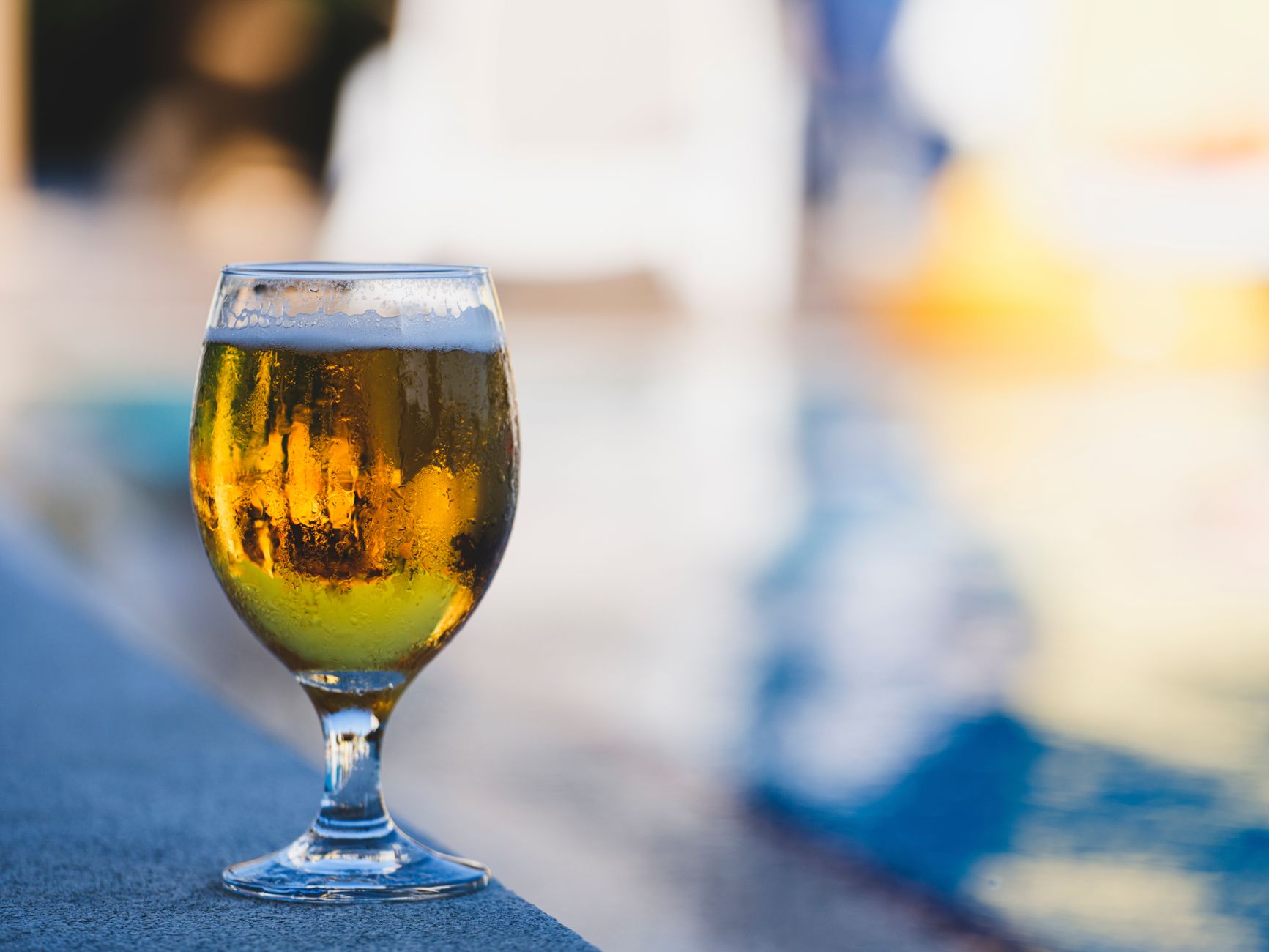
A real-life example: a person drinking three glasses of wine over 90 minutes felt alert for the first 30 minutes, then experienced rising lightheadedness and reduced concentration as BAC peaked, followed by gradual sobering after two hours.
Why Drinking Pace Matters
Drink Slowly to Help Your Liver
Your liver breaks down alcohol steadily, about one standard drink per hour. Drinking faster than this overwhelms your liver, increasing blood alcohol levels and speeding intoxication. This delay also explains variations in alcohol effects time.
Risks of Drinking Too Fast
Rapid drinking raises chances of overdose, blackouts, and alcohol poisoning. It also impairs judgment more quickly, raising the risk of accidents or poor decisions.
Tips to Pace Your Drinks
- Alternate alcohol with water or soft drinks
- Sip slowly, avoid shots or quick gulping
- Eat before and during drinking sessions
Supporting Your Body During Drinking
How Food Influences Absorption
Eating protein- and fat-rich foods before or while drinking slows alcohol absorption. Foods like nuts, cheese, or lean meats create a barrier in your stomach, delaying alcohol from hitting your bloodstream.
Hydration Helps Prevent Hangovers
Alcohol causes dehydration, leading to headaches and fatigue. Drinking water before, during, and after consuming alcohol minimizes these effects and supports liver function.
Post-Drinking Recovery
Alcohols effects can linger 6 to 12 hours after your last drink, depending on amount and personal metabolism. Rest is crucial during this period to allow your body to process remaining alcohol and recover fully.
| Tip | Suggested Action |
|---|---|
| Before drinking | Eat a balanced meal with protein and healthy fats |
| During drinking | Drink water between alcoholic drinks; pace yourself |
| After drinking | Rest well; hydrate to speed recovery |
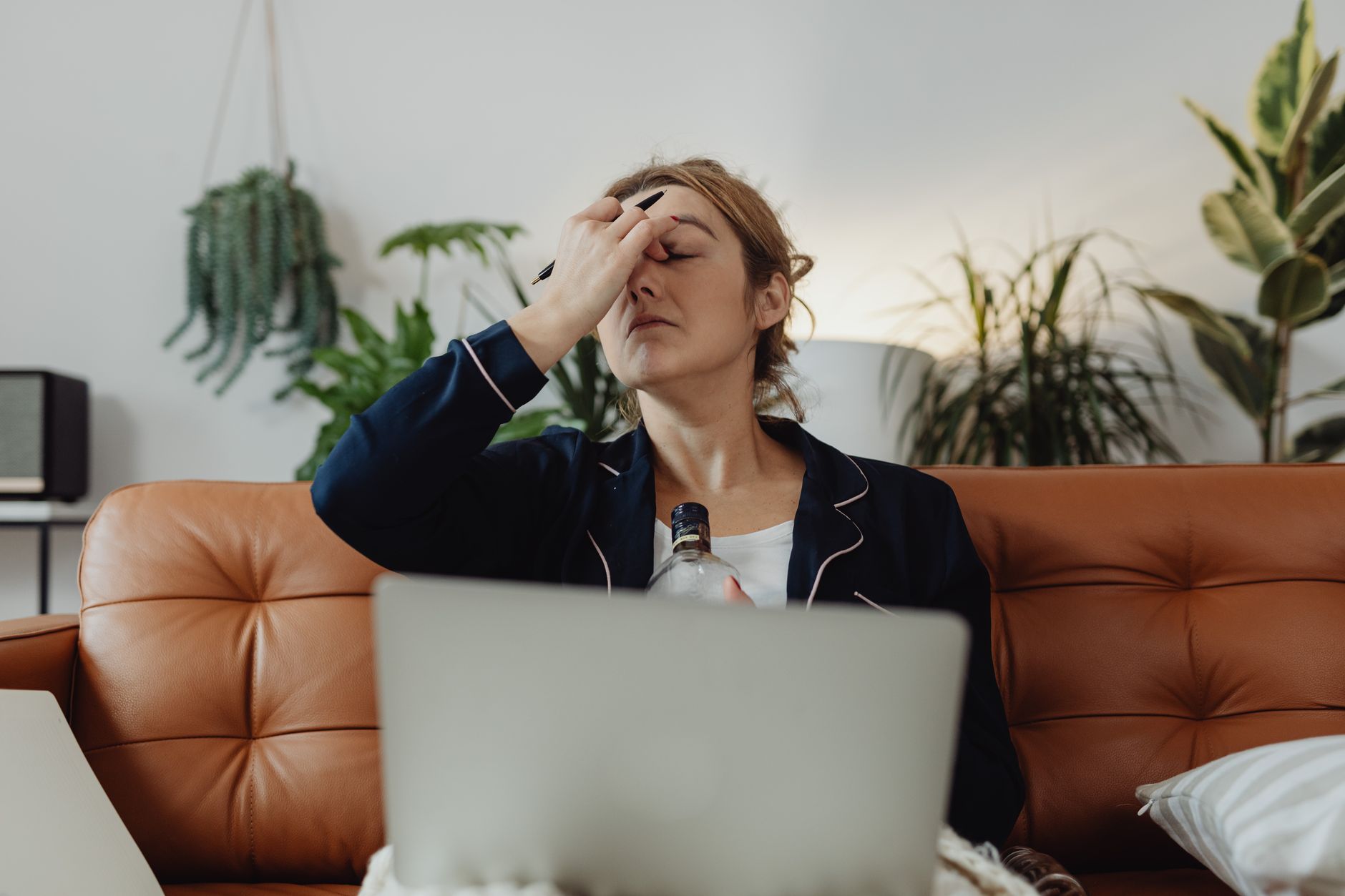
For anyone mindful of Halal consumption, always look for alcohol-free certified beverages or those clearly labeled with JAKIM or IFANCA Halal certification logos to ensure compliance with dietary guidelines.
Can Different Alcohol Types Affect Timing?
The alcohol source matters too. For example, Brandy vs cognac may have similar ABV but different congeners affecting metabolism speed and intensity of effects. Carbonation in some beverages, like sparkling wine or mixed drinks, also accelerates absorption and shortens alcohol effects time.
Do Tolerance and Experience Matter?
Regular drinkers often develop tolerance, meaning they feel alcohols effects later or less intensely than occasional drinkers. This doesnt mean their BAC is lowerjust that their bodies adapt to the presence of alcohol differently. Beginners might experience stronger effects faster, so pacing remains crucial for all levels.
When Is the Best Time to Drink Alcohol?
Choosing when to drink alcohol depends on your goals and daily schedule. Drinking in the evening is common because it allows time for your body to process alcohol overnight. Drinking on an empty stomach or during stressful situations can amplify effects negatively. Better experiences come from drinking with food, hydrating well, and in social, relaxed settings.
How Long Does Alcohol Stay Detectable?
A typical drink can be detected in your breath for up to 24 hours, but blood and urine tests can detect alcohol for longer periods. The livers rate of metabolizing roughly one drink per hour means traces might linger long after effects disappear.
Can Drinking Alcohol Affect Sleep?
While alcohol might initially make you sleepy, it disrupts sleep cycles, leading to restless or poor-quality rest. Effects on sleep patterns can last hours after drinking, so timing alcohol with enough wind-down time matters.
Is It Safe to Drink Alcohol Every Day?
Frequent drinking can build tolerance and increase health risks, including liver disease. Occasional, moderate drinking aligned with health guidelines is safer. Your body needs time to recover fully between drinking episodes to maintain health and minimize risks.
How Does Alcohol Affect Mental Health Over Time?
Alcohol is a depressant and can worsen anxiety and depression symptoms if consumed in excess. Understanding your personal limits and the timing of alcohol effects helps manage potential emotional impacts.
What Are Signs of Alcohol Overconsumption?
Dizziness, confusion, vomiting, and difficulty staying awake indicate too much alcohol too quickly. Recognizing these signs early helps you seek help and avoid serious consequences.
Can Drinking Alcohol Interact with Medication?
Many medications affect how alcohol is processed, and vice versa. Always check with your doctor or pharmacist before drinking if you take prescription drugs to avoid harmful interactions.
How Does Alcohol Affect Hydration?
Alcohol blocks antidiuretic hormone, causing increased urine production and dehydration. Staying hydrated by drinking water simultaneously is key to minimizing hangover symptoms and negative effects.
For tips on keeping your beverages cool and stylish during your social occasions, you might enjoy learning about the Stanley cup starbucks collaboration.
Summary
The timeline for alcohol effects varies widely but usually starts within 10 to 30 minutes after drinking. Your body weight, metabolism, gender, and drinking speed all shape how quickly and strongly you feel alcohol. Understanding alcohol effects time helps you pace your drinking, support your body with food and hydration, and stay safer. Keep these insights in mind next time you enjoy a beverage to make the experience both enjoyable and mindful.
FAQs
Is alcohol effects time actually Halal — what should I check on the label?
Alcohol itself is not considered Halal unless it is an alcohol-free certified beverage. Always check for Halal certification logos such as JAKIM or IFANCA on the label to ensure compliance with dietary guidelines.
How long does it take for alcohol effects to begin after drinking?
Alcohol effects generally start within 10 to 30 minutes after drinking. The exact timing depends on factors like body weight, metabolism, gender, and whether you have eaten.
How long do alcohol effects typically last in the body?
Alcohol effects can linger for 6 to 12 hours after your last drink, influenced by the amount consumed and individual metabolism rate.
Is it safe to drink alcohol every day if I understand my alcohol effects time?
Daily drinking is not recommended due to increased health risks and tolerance build-up. Moderate, occasional drinking with proper pacing and hydration is safer for long-term health.
Where can I buy alcohol or alcohol-free alternatives with reliable effects timing?
You can find alcohol and certified alcohol-free beverages at licensed liquor stores, supermarkets, and specialty halal stores. Look for clear labeling and trusted certification for your needs.