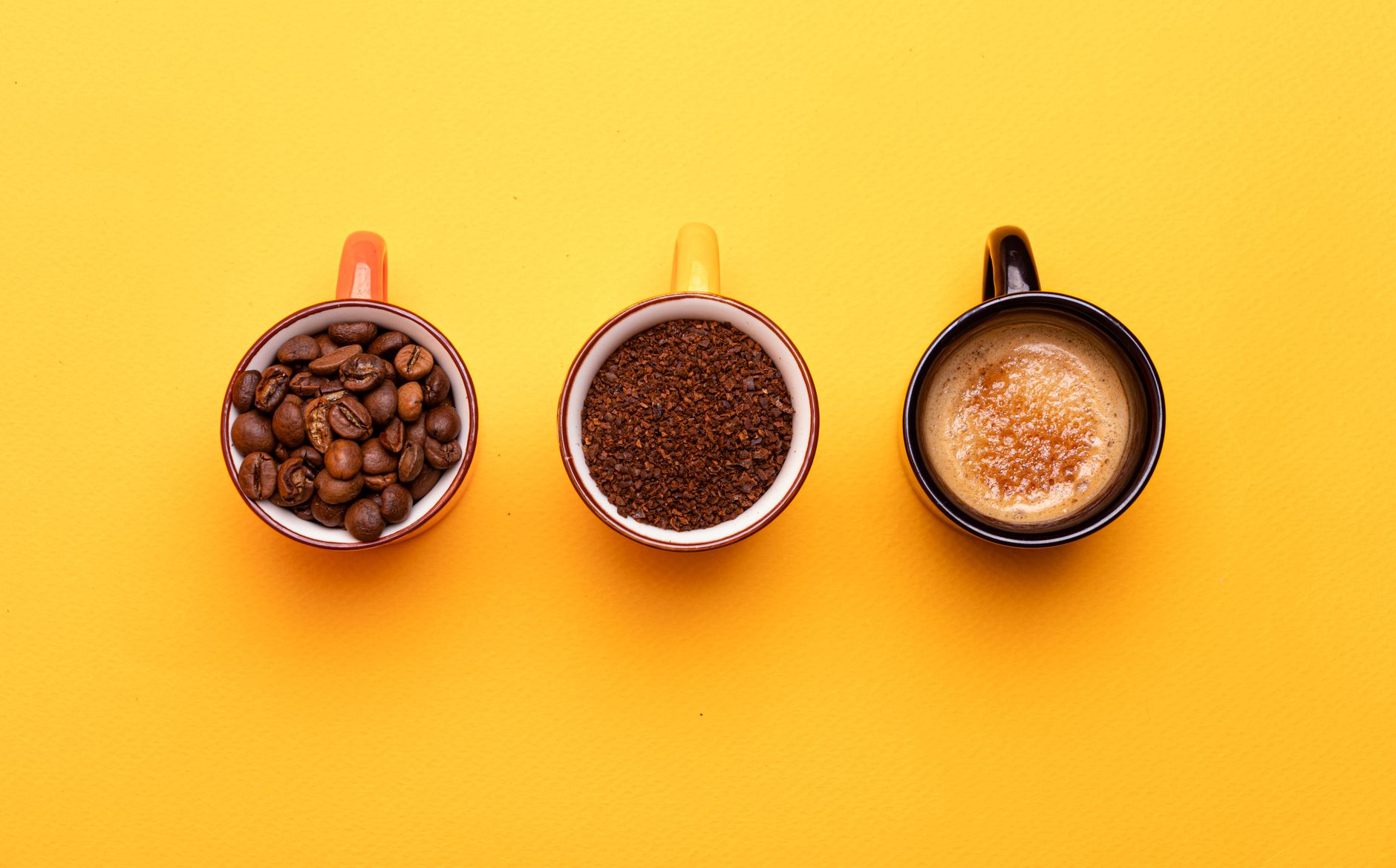
If youve switched to decaf thinking its completely caffeine-free, you might be surprised. Decaf coffee still contains caffeinejust far less than regular coffee. Understanding the caffeine in decaf can help you make informed choices, especially if youre cautious about your caffeine intake for health or religious reasons. Lets explore exactly how much caffeine is in decaf, how its made, and what that means for you.
Caffeine Amount Basics
How Much Caffeine Does Decaf Coffee Contain?
Decaf coffee generally contains between 2 to 5 milligrams of caffeine per 8-ounce cup. This is quite low compared to about 95 milligrams in a regular cup of coffee, depending on the brew method and bean type. Factors such as the coffee origin, roast level, and decaffeination process can cause slight variations. For example, espresso-based decaf shots usually contain a bit more caffeine per fluid ounce than drip coffee.
This small caffeine trace is why decaf cant be called zero-caffeine in strict terms. The USDA FoodData Central has analyzed multiple decaf samples, confirming that residual caffeine is nearly always present, but in modest amounts unlikely to cause noticeable stimulant effects in most people.
| Beverage | Caffeine per 8 oz Serving | Notes |
|---|---|---|
| Regular brewed coffee | ~95 mg | Varies by bean and brew method |
| Decaf brewed coffee | 25 mg | Residual caffeine remains |
| Espresso (regular) | 63 mg (1 shot, 1 oz) | Concentrated caffeine |
| Espresso (decaf) | 1215 mg (1 shot, 1 oz) | Higher than decaf drip per ounce |
Is Decaf Coffee Caffeine-Free?
Decaf means decaffeinated but not caffeine-free. By USDA standards, coffee labeled decaf must have at least 97% of caffeine removed. This leaves a small caffeine amount behind. For most people, this is negligible, but if you are sensitive to caffeine, its good to know.
Health-wise, the trace caffeine in decaf usually wont disrupt sleep or cause jitters. However, people such as pregnant women, those with certain heart conditions, or caffeine intolerance might still prefer to avoid even these small amounts. Understanding this helps align your beverage choices with your health or religious commitmentsespecially when considering Halal-certified product options, which confirm quality control and ingredient transparency under recognized bodies like JAKIM or HMC.
Decaffeination Process Explained
How Is Caffeine Removed from Coffee Beans?
The decaffeination process involves extracting caffeine from green coffee beans before roasting. There are three primary methods:
- Swiss Water Process: Uses only water and osmosis to gently remove caffeine. This chemical-free method preserves flavor and is popular for organic and Halal-certified beans.
- Chemical Solvent Method: Uses solvents like methylene chloride or ethyl acetate. The bean is steamed and soaked to extract caffeine, then solvents are evaporated. This is common but might raise concerns among clean-label buyers.
- CO2 Extraction: Uses pressurized carbon dioxide to selectively extract caffeine compounds. Its efficient and preserves bean quality, often used in premium decafs.
Each method aims to minimize caffeine while keeping beans flavorful and safe. According to research, the Swiss Water and CO2 processes tend to retain more antioxidants than chemical solvents, which is a factor if you value health benefits alongside low caffeine.
Does Decaffeination Affect Taste and Health Benefits?
Decaf coffees flavor can be milder or slightly different due to caffeine removal processes. Some methods may strip natural oils or antioxidants, impacting aroma and taste. However, many premium Halal-certified decaf brands ensure full flavor profiles by carefully selecting decaffeination techniques.
Health-wise, decaf still contains many antioxidants and compounds linked to heart health, just like regular coffee. A review published in nutrition journals confirms that decaf maintains most beneficial compounds despite caffeine loss.
Step-by-Step Decaf Coffee Making
- Harvest: Select high-quality green coffee beans.
- Pre-soak: Beans are soaked in water to swell and loosen caffeine.
- Caffeine extraction: Beans undergo Swiss Water, CO2, or solvent process.
- Drying: Removed caffeine beans are dried to original moisture levels.
- Roasting: Beans are roasted to develop the desired flavor.
Benefits and Risks
Who Should Watch for Caffeine in Decaf?
Even small amounts of caffeine can be important for some groups. People who are pregnant, nursing, or have heart arrhythmias may need to limit total caffeine intake strictly. Also, anyone with severe caffeine sensitivity might experience symptoms like restlessness or sleep difficulties even from decaf.
If you need to be especially cautious, check labels carefully for decaffeination methods and any possible caffeine content disclaimers.
Benefits of Drinking Decaf Coffee
Decaf allows you to enjoy coffees rich taste and social experience while cutting down on caffeines stimulating effects. It still supplies antioxidants, which support metabolic health and reduce inflammation. For those reducing stimulant intake or managing anxiety, decaf provides an appealing alternative.
Decaf also fits into Halal dietary preferences when certified by bodies such as IFANCA or JAKIM, ensuring production integrity and adherence to Islamic dietary laws.
Real-Life: Switching to Decaf
Many coffee lovers find that switching to decaf helps reduce caffeine dependence without sacrificing flavor. A gradual transitionmixing decaf with regular coffeecan reduce caffeine intake while maintaining the comfort of your favorite cup. This tip is especially helpful for anyone experiencing sleep problems or who wants to lower anxiety.
Try experimenting with different decaf brands to find the best taste and caffeine level for your needs. Halal-conscious consumers should seek trusted certifications to ensure product compliance and quality.
Caffeine in Decaf FAQs
Does Decaf Coffee Keep You Awake Like Regular Coffee?
Generally, no. The tiny caffeine amounts in decaf are unlikely to cause wakefulness or jitters in most people. However, highly sensitive individuals may still feel mild stimulant effects depending on their tolerance.
How Does Caffeine in Decaf Coffee Compare Between Brands?
Caffeine content can vary by up to 5 milligrams per cup depending on brand and decaffeination process. Premium Halal-certified brands often use gentler methods, resulting in more consistent low caffeine levels and better flavor profiles.
Can You Mix Decaf with Regular Coffee for a Caffeine Boost?
Yes, blending decaf with regular coffee can reduce total caffeine while maintaining flavor strength. This is useful for those wanting to taper caffeine intake or enjoy multiple cups without overstimulation.
Is Decaf Espresso Higher in Caffeine Content?
Per fluid ounce, decaf espresso contains more caffeine than brewed decaf due to its concentrated nature but still significantly less than regular espresso, typically around 1215 mg per shot.
Is Decaf Coffee Suitable for Pregnant Women?
Many healthcare providers recommend limiting caffeine during pregnancy, including from decaf, due to its small caffeine content. Its best to consult a doctor and check decaf caffeine levels before consumption.
How Can You Identify Halal Decaf Coffee?
Look for official certification logos from trusted bodies like JAKIM, HMC, or IFANCA on packaging. These ensure adherence to Halal guidelines throughout processing.
Does Decaf Coffee Contain Sugar or Additives?
Pure decaf coffee beans do not contain sugar or additives. Always check the label for added flavorings or sweeteners if you want to avoid surprises, especially in flavored decaf blends.
Pro Tips When Buying Decaf
- Most Overlooked Mistake: Buying decaf without checking the decaffeination method. Swiss Water and CO2 methods are better for retaining flavor and reducing chemical residues.
- Cheap Versions Disappoint: Lower-priced decaf may use harsh solvents affecting taste and quality. For a rich, smooth cup, invest in certified Halal premium decaf.
- Expert Buying Tip: Always check for Halal certification logo if dietary compliance is importantavoid ambiguous or unverified labels to ensure product trustworthiness.
If you want to learn more about beverage options, you might be interested in understanding the differences between zero sugar vs diet drinks or exploring cheap beer brands with quality assurance.
Conclusion
Caffeine in decaf coffee exists but in very small amounts compared to regular coffee. Knowing this helps you decide if decaf fits your lifestyle, especially when you seek Halal-certified, health-conscious choices. Next time you shop, look closely at certification and production methods to enjoy a flavorful and trusted cup. Feel free to share your decaf experiences or questions below!
FAQs
Is caffeine in decaf actually Halal — what should I check on the label?
Decaf coffee can be Halal if certified by trusted bodies like JAKIM, HMC, or IFANCA. Check the packaging for official Halal logos to ensure the product meets Islamic dietary guidelines and production standards.
What is the typical shelf life of decaf coffee after opening?
Once opened, decaf coffee beans or grounds are best consumed within 2 to 4 weeks for optimal flavor. Store them in an airtight container away from light and moisture to maintain freshness.
How does decaf coffee caffeine content compare to regular coffee?
Decaf coffee contains about 2 to 5 mg of caffeine per 8 oz cup, much less than the 95 mg in regular coffee. However, decaf espresso has a higher per-ounce caffeine level but still far below regular espresso.
Is it safe to drink decaf coffee daily regarding caffeine intake?
Yes, drinking decaf coffee daily is generally safe even for those sensitive to caffeine, as the residual caffeine is minimal and unlikely to cause negative effects in most people.
Where can I buy reliable Halal-certified decaf coffee?
Halal-certified decaf coffee can be purchased at specialty grocery stores, online Halal marketplaces, or trusted coffee brands that display certification logos like JAKIM or IFANCA on their packaging.