
If youve ever stood in line struggling to pick between frankfurters, wieners, or just a plain hot dog, youre not alone. The hot dog differences can feel confusing since these terms often get used interchangeably. But each has its own origin, ingredients, and traditions worth knowingespecially if you care about choosing Halal-certified or healthier options. Lets clear up the mystery so you can confidently enjoy your next bite.
Origins and Definitions
What is a frankfurter?
The frankfurter is a type of sausage originally from Frankfurt, Germany. Made typically from finely ground pork and beef, its seasoned with a blend of spices like garlic, nutmeg, and coriander. This sausage is usually smoked and has a slightly coarse texture, often encased in natural hog casing which gives it a distinctive snap when you bite into it.
The name frankfurter literally means of Frankfurt. Food historians note that the frankfurters rich meat flavor and slower smoking process set it apart from other sausages in the region. Far from just a fancy term, it carries centuries of tradition, making it a staple in German and Central European cuisine.
Where does the name ‘frankfurter‘ come from?
Frankfurter refers to the sausages origin city, Frankfurt am Main. The name has traveled globally but often gets shortened or altered as it crosses borders.
Frankfurter meaning vs common misconceptions
Many think a frankfurter is simply another name for a hot dog, but its actually more specific. While all frankfurters are hot dogs, not all hot dogs are frankfurtersbecause frankfurters strictly follow this old recipe and preparation style.
What is a wiener?
The wiener, named after Vienna (Wien in German), is a close cousin to the frankfurter. Traditionally, wieners combine pork and beef in a finer grind, with spices leaning towards a milder profile. They tend to be shorter and thinner than frankfurters, with a smoother casing often made of sheep or synthetic material.
In many countries, the wiener also refers to a parboiled sausage that‘s lightly smoked or cooked. Over time, the usage of wiener and frankfurter has blurred, but the subtle differences remain in texture and seasoning.
Wiener definition in different countries
In the United States, wiener often casually refers to any hot dog-type sausage. In Austria and Germany, it signifies a very particular style of sausage. Some places may use wiener to describe a smaller, softer sausage compared to the denser frankfurter.
Wiener vs frankfurter: subtle differences
While both are sausages often served on buns, frankfurters are typically larger, smoked longer, and have a stronger spice profile. Wieners are tender, with a smoother casing and a more delicate seasoning.
How do frankfurters and wieners relate culturally and linguistically?
Frankfurters and wieners come from different German-speaking regions, with unique culinary traditions that influence their recipes. In the U.S., the terms melted together, primarily because immigrants introduced both styles. Yet, in Germany and Austria, people instantly recognize which sausage is which.
For example, a German visitor ordering a wiener in Frankfurt might get puzzled lookstheyd expect a frankfurter. Conversely, a New Yorker calling any sausage a wiener is perfectly understood. This linguistic overlap creates much of the confusion about hot dog differences globally.

Hot Dogs as a Broader Category
What exactly is a hot dog?
In America, the word hot dog covers a wide range of sausages served in sliced buns. These can be beef, pork, chicken, or even vegetarian versions, with different spice blends and preparation methods. Essentially, frankfurters and wieners fall under the hot dog umbrella, but hot dogs themselves include many varieties beyond the German originals.
Hot dogs are quickly cooked by grilling, boiling, or steaming, then dressed with toppings from mustard and ketchup to relish and onions. Regional versions include Chicago-style hot dogs loaded with peppers and pickles, or the New England red snapper variety featuring bright red skin.
Hot dog types
- Beef hot dogs: Popular in Halal markets when certified by bodies like JAKIM or IFANCA.
- Pork hot dogs: Traditional in many recipes but not suitable for Halal consumers.
- Chicken and turkey hot dogs: Leaner alternatives with milder taste.
- Vegetarian and vegan hot dogs: Made from soy, gluten, or pea protein, great for plant-based diets.
- Regional variants: Include Chicago, Detroit, Sonoran, and more, each with unique ingredients and toppings.
How hot dogs differ in ingredients, preparation, and presentation
Unlike frankfurters and wieners that follow traditional recipes, hot dogs often include fillers, binding agents like corn syrup, and artificial flavors. Some also contain nitrates or phosphates as preservatives. Presentation can be simple or extravagant, depending on culinary creativity.
How do hot dog differences affect flavor, texture, and health?
Frankfurters typically offer a richer, smokier flavor with a satisfying bite thanks to natural casings. Wieners are smoother and milder. Hot dogs vary widely some emphasize convenience and cost, while others prioritize quality and taste.
From a health perspective, many hot dogs contain sodium levels ranging from 400 to 600mg per serving, and some might include sugar or artificial ingredients. Halal-certified hot dogs, depending on certification like JAKIM or HMC, ensure permissible ingredients, which can help Muslim consumers make informed choices.
A nutritionist would advise balancing enjoyment of hot dogs with moderation due to processed meat content. Opting for products with clear labels, minimal additives, and Halal certification can boost trustworthiness and health safety.

Comparing Frankfurters, Wieners, and Hot Dogs
Hot dog vs frankfurter: What sets them apart?
| Feature | Frankfurter | Hot Dog |
|---|---|---|
| Origin | Frankfurt, Germany | United States (broad category) |
| Main Ingredients | Beef and pork, natural casing | Varies: beef, pork, chicken, plant-based |
| Texture | Coarse, with casing snap | Varies widely; some smooth or soft |
| Preparation | Smoked, traditionally prepared | Boiled, grilled, or steamed |
| Seasoning | Garlic, nutmeg, coriander | Varies; often milder or with fillers |
Wiener vs frankfurter: How different are they really?
Though often mixed up, wieners tend to be shorter, thinner, and have smoother casings than frankfurters. Their spices are usually milder, which some find more delicate on the palate. Frankfurters hold to a smokier, meatforward flavor. Yet, in many countries, consumers use the names interchangeably without noticing.
Examples of products marketed as frankfurters or wieners
- European brands from Germany or Austria often label sausages clearly as frankfurters or wieners.
- American brands label their sausages usually as "hot dogs," but sometimes as "beef frankfurters." Halal-certified brands emphasize certification to attract Muslim buyers.
What do consumers commonly get wrong?
Many people think hot dog equals any sausage on a bun, without realizing that frankfurters and wieners are specific subsets with rich histories. Also, theres confusion about ingredientsfor example, assuming all hot dogs are pork-based, which isnt true. For Halal consumers, recognizing certification labels is crucial, as many hot dogs are not Halal due to pork or non-Halal meat enzymes.
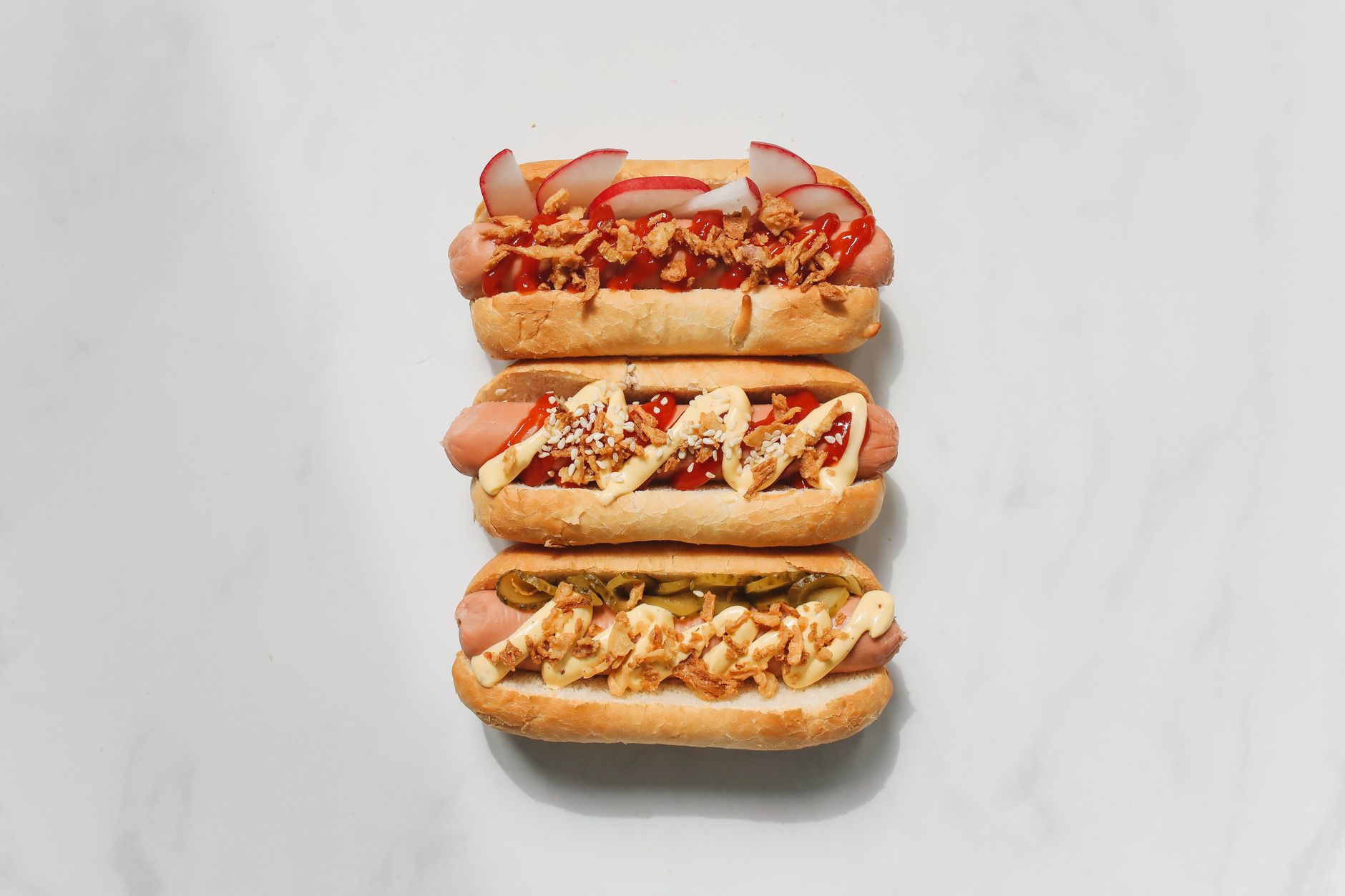
The Importance of Understanding Hot Dog Differences
Why knowing the difference matters
Understanding hot dog differences matters not just for taste, but also for health and ethical reasons. Processed meats can contain higher sodium and preservatives, which impact health when consumed frequently. Halal certification guarantees the meat source and processing align with Islamic dietary laws, offering transparency and peace of mind.
Knowing the type of hot dog youre eating helps match your preferenceswhether you want a smoky frankfurter, mild wiener, or a fast, budget-friendly hot dog. It also helps avoid allergens and ingredients that might contradict your dietary needs.
How to choose a quality hot dog, frankfurter, or wiener
Look for these signs:
- Halal certification: Logos from JAKIM, HMC (Halal Monitoring Committee), or IFANCA ensure compliance with Halal standards.
- Ingredient list: Meat should be high on the list, with recognizable spices and no fillers like MSG or excessive sodium.
- Sodium content: Aim for under 500mg per serving for a balanced choice.
- Natural casings: These offer better texture and indicate quality.
- Brand reputation: Trusted producers tend to have cleaner labels and more transparent sourcing.
| Certification | Price Range | Common Formats | Shelf Life | Key Allergens |
|---|---|---|---|---|
| JAKIM, HMC, IFANCA | Moderate to premium | Fresh, smoked, pre-cooked | 57 days refrigerated, up to 3 months frozen | Soy, wheat (in fillers), milk (sometimes) |
While shopping, always read the label carefully. Some brands may claim natural or premium but include ingredients like corn syrup or artificial colors. Halal logos and transparent ingredient lists are your best guides.
For grilling enthusiasts, this info parallels tips on selecting quality meat highlighted in Best pellet grills, where choosing clean, traceable proteins enhances your flavor experience perfectly.
Pro tips on buying hot dogs
Never buy cheap, no-name hot dogs if possible. They often pack in fillers and preservatives that dull flavor and may not meet Halal standards. Also, avoid products labeled just all-beef without certification if Halal compliance is a priority. One expert tip: checking the ingredient order can reveal if meat quality is prioritizedmeat should be the first thing listed.
When is the best time to eat hot dogs?
Hot dogs are wonderfully versatile but taste best when freshly cooked, such as lunch or casual dinners. They are especially popular during summer barbecues, tailgate parties, or street food cravings. Just ensure to consume within 5 days after opening to maintain freshness and safety.
Is the hot dog actually Halal what should I check?
Not all hot dogs are Halal, even if they dont contain pork visibly. Check for certification logos from JAKIM, HMC, or IFANCA on packaging. These certify the source of meat, slaughtering methods, and additives compliant with Islamic law. Avoid any product lacking such seals if Halal is essential.
Are there vegetarian hot dogs similar to frankfurters?
Yes, many brands offer plant-based frankfurter-style sausages made from pea protein, soy, or wheat gluten. These mimic texture and flavor but are meat-free and Halal-friendly by default. Reading labels for allergen warnings remains important.
How do sodium and preservatives vary among hot dogs?
Sodium can range from 350 to 650mg per 50g serving, so check nutritional info. Preservatives like nitrates or phosphates stabilize color and freshness but may concern health-conscious buyers. Choose natural or organic options with fewer additives when possible.
Can hot dogs be gluten-free and Halal?
Some hot dogs are gluten-free and certified Halal, but many contain fillers like wheat starch. Look carefully at ingredients and certifications if gluten intolerance matters alongside Halal status.

How long do hot dogs last once opened?
Fresh hot dogs usually keep 5 to 7 days in the refrigerator once opened, if stored in airtight packaging. For best quality, consume within this window to avoid spoilage or off flavors. Freezing can extend shelf life up to 3 months without major texture loss.
More You Might Like
Discover how mastering the grill can boost your hot dog game with our in-depth guide on Best pellet grills. Its a must-read for backyard chefs aiming for that perfect char and flavor.
If you want to enjoy your hot dogs alongside the perfect beverage, browse our selection of Happy hour deals featuring Halal-certified drinks and snacks to round out your meal.
Conclusion
Understanding hot dog differences can make your next meal more enjoyable and aligned with your dietary values. Whether you choose a traditional frankfurter, a softer wiener, or a Halal-certified hot dog, knowing whats inside and how its made helps you savor each bite with confidence. Next time you shop, take a moment to check the labelyou might discover a new favorite or improve your healthy eating choices.
FAQs
Is hot dog differences actually Halal — what should I check on the label?
Not all hot dogs are Halal. Check packaging for certification logos from reputable bodies like JAKIM, HMC, or IFANCA. These ensure meat source, slaughtering, and additives comply with Islamic law. Always verify the label before purchasing to be sure the product is Halal certified.
How long do hot dogs last once opened?
Once opened, fresh hot dogs typically last 5 to 7 days in the refrigerator if kept in airtight packaging. Freezing can extend shelf life up to 3 months without significantly affecting texture or flavor.
What is the difference between a frankfurter and a wiener?
Frankfurters are usually larger, coarser, smoked sausages with a natural casing and stronger spices. Wieners are smaller, thinner, milder in flavor, with smoother casings. Both come from German-speaking regions but differ in texture and seasoning.
Is it safe to eat hot dogs daily considering health concerns?
Due to processed meat content, high sodium, and preservatives, frequent consumption of hot dogs is not recommended. Moderation is key, and choosing products with fewer additives, low sodium, and Halal certification can help reduce health risks.
Where can I buy quality Halal hot dogs or frankfurters?
Quality Halal hot dogs are available at specialty halal butchers, major supermarkets with Halal sections, and trusted online stores. Look for certifications like JAKIM, HMC, or IFANCA to ensure compliance with Halal standards.