You stand at the counter, staring at the menu. A black coffee or a shot of espresso? Both come from the same humble bean, yet they taste and feel completely different. Understanding the coffee vs espresso debate isn‘t just about caffeine its about brewing method, flavor, and how you enjoy your daily cup. Whether you‘re a morning drip drinker or a quick-shot enthusiast, knowing what sets them apart helps you make the right choice for your taste and lifestyle.
What Is Coffee and What Is Espresso?
What defines coffee and how is it brewed?
Brewed coffee is made by steeping coarse ground coffee beans in hot water for several minutes. Methods like drip, pour-over, or French press use gravity and time to extract flavor. The result is a larger volume typically 8 to 12 ounces with a lighter body and lower concentration of dissolved solids. The grind size is medium, and water temperature stays around 195-205F. This gentle extraction produces a balanced, aromatic cup that many people drink black or with a splash of milk.
What exactly is espresso brew?
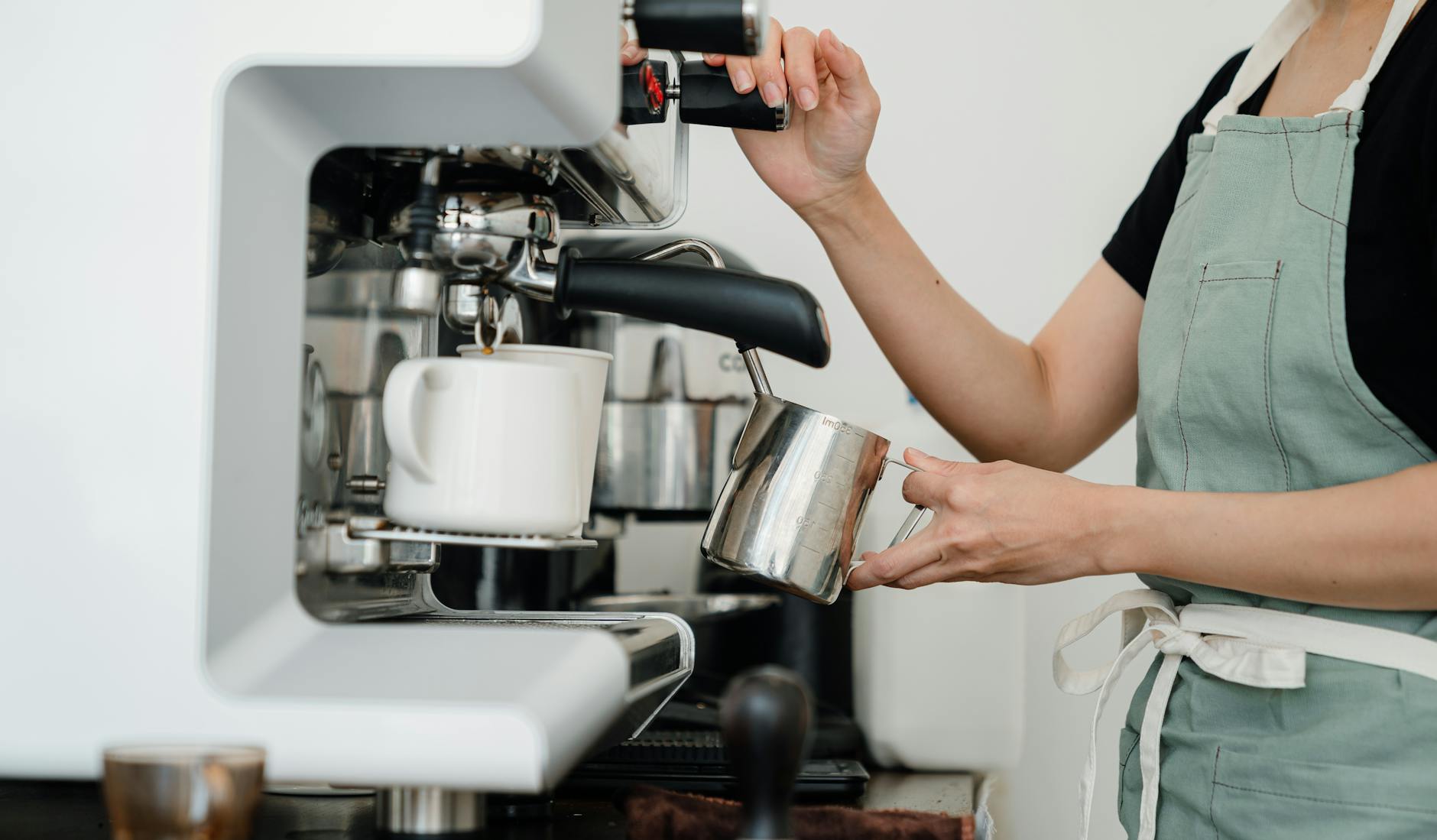
Espresso forces hot water through finely ground coffee at around 9 bars of pressure. The extraction happens in 25-30 seconds, yielding a concentrated shot of about 1 to 2 ounces. That pressure creates a thick, velvety crema on top a hallmark of a well-pulled shot. Espresso machines are built for this process, and the grind is fine enough to feel like powdered sugar. The result is intense, rich, and complex, often used as a base for lattes, cappuccinos, or enjoyed straight.
Comparison table Coffee vs Espresso brewing methods
| Factor | Drip Coffee | Espresso |
|---|---|---|
| Extraction time | 4-6 minutes | 25-30 seconds |
| Grind size | Medium (like sand) | Fine (like powdered sugar) |
| Pressure | Atmospheric (none) | 9 bars |
| Water temperature | 195-205F | 190-195F |
| Final volume | 8-12 oz | 1-2 oz |
Coffee vs Espresso: Caffeine Content Explained
Does espresso have more caffeine than coffee?
This is the question almost everyone gets wrong. A single 1-ounce shot of espresso contains about 63 mg of caffeine, according to USDA FoodData Central. A standard 8-ounce cup of brewed coffee contains roughly 95 mg. So by volume, espresso is far more concentrated about 63 mg per ounce versus 12 mg per ounce for drip coffee. But because you drink a larger serving of coffee, you usually consume more total caffeine from a typical cup of coffee than from a single espresso shot. If you order a double shot (2 ounces), youll get around 126 mg still less than an average cup of coffee.
How caffeine affects your body differently in coffee and espresso
Because espresso is more concentrated, it hits your system faster. The rapid absorption can feel like a sharper energy spike, while drip coffee provides a slower, steadier release. Some people find espresso easier on the stomach due to the shorter extraction time pulling out fewer bitter compounds and less acid. However, individual tolerance varies widely. If you‘re sensitive to caffeine, a single shot might be plenty; if you‘re used to a large mug, you may need two or three shots to feel the same lift.
Real-world example: average caffeine content in a Starbucks espresso shot vs cup of brewed coffee
A Starbucks single espresso shot contains 75 mg of caffeine. Their tall (12 oz) brewed coffee contains about 260 mg. Thats more than three shots of espresso. So sipping a standard latte with two shots gives you 150 mg still less than the drip coffee. This is why choosing between healthy energy drinks and coffee often comes down to portion and purpose.
Flavor Profiles and Roasting Differences
How roasting influences taste in both coffee and espresso
Roast level dramatically affects flavor. Lighter roasts preserve the beans origin notes fruity, floral, acidic. Darker roasts emphasize smoky, chocolatey, and caramelized qualities. Espresso blends are often roasted darker than drip coffee because the high-pressure extraction highlights sweetness and body, while light roasts can taste sharp and sour when pulled as espresso. For drip coffee, medium roasts offer a balanced acidity and aroma that works well in larger volumes.
The role of extraction and grind size in flavor
Grind size controls how quickly water passes through the coffee bed. Too coarse for espresso and the shot runs fast, watery, and thin. Too fine for drip and the water stalls, over-extracting and turning bitter. Espresso demands precision a few seconds difference can ruin the shot. Drip coffee is more forgiving, but still benefits from consistent grind. The interplay between grind, time, and pressure is what separates a flat cup from a remarkable one.
Tips for experimenting with roast levels and grind size at home
Start with a medium roast for both methods and adjust. For drip, try a slightly finer grind if your coffee tastes weak, or coarser if its bitter. For espresso, use fresh beans and a scale weigh your dose (18g for a double shot) and time your pull (25-30 seconds). Change only one variable at a time. Taste, adjust, repeat. Over time, youll learn exactly how your preferred coffee types behave under different conditions.
Health Benefits and Risks of Coffee and Espresso
What benefits do coffee and espresso share?
Both drinks are rich in antioxidants, particularly chlorogenic acid, which supports heart health and reduces inflammation. Studies link moderate consumption of either to improved mental alertness, better mood, and even a lower risk of certain diseases like Parkinsons and Type 2 diabetes. The caffeine in both boosts metabolism temporarily, which can aid fat burning when combined with exercise. According to the National Coffee Association, drinking 2-3 cups per day is considered moderate for most adults.
Potential risks or side effects you should consider
Overconsumption leads to anxiety, jitteriness, insomnia, and digestive upset. The acidity in both can irritate sensitive stomachs, though espresso is sometimes better tolerated due to shorter extraction. People with hypertension should monitor their intake, as caffeine can temporarily raise blood pressure. Pregnant women are advised to limit caffeine to under 200 mg per day, which is roughly two shots or one small cup of coffee.
Expert advice on moderate consumption to avoid negative effects
Registered dietitian Sarah Thompson suggests limiting yourself to 400 mg of caffeine daily about 4 cups of coffee or 6 single shots. Drink water alongside your coffee to stay hydrated. If you experience heartburn, try a darker roast (less acid) or switch to cold brew. Listen to your body; if one cup makes you anxious, switch to half-caff or a smaller serving.

Other Key Differences & Common Misconceptions
How espresso shots work vs regular coffee servings
Espresso shots are typically served in small cups single (1 oz) or double (2 oz). They are meant to be drunk quickly, often in a few sips. Regular coffee servings are larger and enjoyed slowly. Espresso is also the foundation for milk-based drinks. A latte, for instance, combines one or two shots with steamed milk. So when you order a cappuccino, youre still drinking espresso just diluted with milk and foam.
Equipment differences: Espresso machine vs regular coffee maker
An espresso machine is a precision appliance with a pump that generates 9 bars of pressure. Good machines cost several hundred dollars and require regular maintenance descaling, backflushing, and changing gaskets. A drip coffee maker is simpler, cheaper, and easier to maintain. The choice of equipment directly impacts your daily routine and budget. If you value speed and concentrate, an espresso machine is worth the investment. If you want volume and ease, stick with a brewer.
Maintenance and cost implications
Clean your espresso machine after each use purge the group head, wipe the steam wand. Descale every 2-3 months. Drip machines need regular cleaning of the carafe and filter basket. Both will last longer if you use filtered water. Expect to replace an espresso machines pump after 3-5 years of heavy use. A good drip machine can last 10+ years with minimal upkeep.
Misunderstandings people often have about coffee and espresso
One common myth: espresso contains more caffeine than coffee. As we covered, its actually the opposite per serving. Another: espresso is a different bean its not, its just a different roast and grind. And many think espresso is always bitter, but a properly extracted shot is sweet, balanced, and velvety. Dont judge espresso by a bad experience in a gas station caf.
When is the best time to drink coffee or espresso?
If youre using either as a morning boost, wait 60-90 minutes after waking to drink it, when your bodys natural cortisol has dropped. Espresso works great as a quick midday pick-me-up or after dinner for a digestif. Coffee is better for long, slow mornings or work sessions. Drinking either too late in the day can disrupt sleep, so aim to finish your last cup by 2 p.m.
Is coffee or espresso actually Halal what should I check?
Both are made from plant-based coffee beans, which are naturally Halal. The main concern is additives some coffee syrups, creamers, or flavored beans may contain alcohol-based flavorings or non-Halal emulsifiers. Always look for certification from bodies like JAKIM, IFANCA, or HMC on packaged coffee products. Whole bean or ground coffee without additives is generally safe. For espresso drinks at a caf, ask if the milk is Halal-certified and if any syrups contain alcohol.
Does espresso taste different when made with different coffee types?
Yes, absolutely. Single-origin beans from Ethiopia bring floral and citrus notes, while Brazilian beans yield nutty, chocolatey profiles. Espresso blends combine different origins to create a balanced shot. Experimenting with various coffee types Arabica vs Robusta, washed vs natural processed changes the crema, acidity, and aftertaste dramatically. Its part of the fun.
Can I use the same grind for coffee and espresso?
No. Espresso requires a much finer grind than drip coffee. Using drip grind in an espresso machine will produce a weak, watery shot. Using espresso grind in a drip brewer will cause over-extraction and bitterness. Invest in a good burr grinder with adjustable settings so you can switch between the two without sacrificing quality.
Which one is less acidic on the stomach?
Generally, espresso is lower in acidity than drip coffee because the hot water spends less time in contact with the grounds. Darker roasts also produce less acid. Cold brew is another low-acid option, but its a separate brew method. If you suffer from acid reflux, try espresso with a dark roast, and avoid drinking on an empty stomach.
How should I store coffee beans for both methods?
Keep beans in an airtight container away from light, heat, and moisture. Whole beans stay fresh for 2-3 weeks after roasting. For espresso, freshness matters even more stale beans wont produce a proper crema. Avoid refrigerating or freezing unless you seal them perfectly, as moisture and odors can ruin the flavor.
Whats the simplest way to start making espresso at home without a machine?
A portable manual espresso maker or an Aeropress with a metal filter can produce a concentrated brew close to espresso. They dont reach 9 bars of pressure but still create a rich, strong coffee. Alternatively, use a Moka pot it creates a strong, espresso-like brew on the stovetop, though without the crema. These are budget-friendly ways to explore the coffee vs espresso world.
How to brew the perfect cup of drip coffee?
Use 1 tablespoon (7g) of coffee per 6 ounces (180 ml) of water. Heat water to 200F (just off boil). Pour a small amount over the grounds to bloom for 30 seconds, then continue pouring in slow circles. Total brew time should be 4-5 minutes. Use a scale for consistent results. Filtered water makes a noticeable difference.
How to pull the perfect espresso shot?
Grind 18g of coffee to a fine consistency. Tamp evenly with about 30 pounds of pressure. Lock the portafilter, start the shot, and aim for 36g of liquid in 25-30 seconds. The shot should flow like warm honey not too fast, not dripping. Adjust grind size by a tiny notch if the timing is off. Practice makes perfect.
More You Might Like
If you enjoyed this comparison, you might also find our guide on open bottle without opener useful for your morning routine a handy trick when you need to access your coffee syrup or milk. And for those exploring alternatives, our article on healthy energy drinks covers caffeine-free and low-caffeine options that complement your coffee habits.
Conclusion
Understanding coffee vs espresso comes down to how you drink: a slow, aromatic ritual or a quick, intense jolt. Both share the same bean but diverge in grind, pressure, and flavor. Try both and see which fits your morning rhythm better. Next time youre at the caf, youll know exactly what to order and why. Enjoy your cup, and remember to check the label if youre buying flavored beans to keep it Halal-friendly.
FAQs
Is Coffee vs Espresso actually Halal — what should I check on the label?
Both coffee and espresso are made from plant-based beans, so they are naturally Halal. However, watch for additives like flavored syrups, creamers, or pre-ground blends that may contain alcohol-based flavorings or non-Halal emulsifiers. Look for certification from bodies like JAKIM, IFANCA, or HMC on packaged products. Whole bean or plain ground coffee without additives is generally safe. When ordering café drinks, ask if the milk and syrups are Halal-certified.
How long do coffee beans stay fresh after opening?
Whole coffee beans remain fresh for 2–3 weeks after the roast date when stored properly. Keep them in an airtight container away from light, heat, and moisture. For espresso, freshness is even more critical because stale beans won’t produce proper crema. Avoid refrigerating or freezing unless the container is perfectly sealed, as moisture and odors can ruin flavor. Grind only what you need just before brewing.
What is the difference between espresso and cold brew?
Espresso is made by forcing hot water through fine grounds at high pressure, creating a concentrated shot with a thick crema. Cold brew steeps coarse grounds in cold water for 12–24 hours, resulting in a smooth, low-acid concentrate. Espresso is intense and served hot in small volumes, while cold brew is milder, often diluted with water or milk, and consumed cold. Both start with the same bean but differ in extraction method and flavor.
Is it safe to drink coffee or espresso daily?
For most healthy adults, moderate consumption (2–3 cups of coffee or up to 400 mg of caffeine daily) is safe and linked to health benefits. Overconsumption can cause anxiety, insomnia, and digestive issues. People with hypertension or acid reflux should monitor intake; espresso may be easier on the stomach due to shorter extraction and darker roasts. Pregnant women are advised to limit caffeine to under 200 mg per day.
Where can I buy Halal-certified coffee or espresso?
Look for Halal certification logos from recognized bodies such as JAKIM, IFANCA, or HMC on coffee packaging. Many online retailers specialize in Halal-certified coffee, and whole bean options without added ingredients are widely available. When buying from local cafés, ask about their milk and syrup sources. For home brewing, stick to plain coffee beans and grind them yourself to ensure no hidden non-Halal additives.