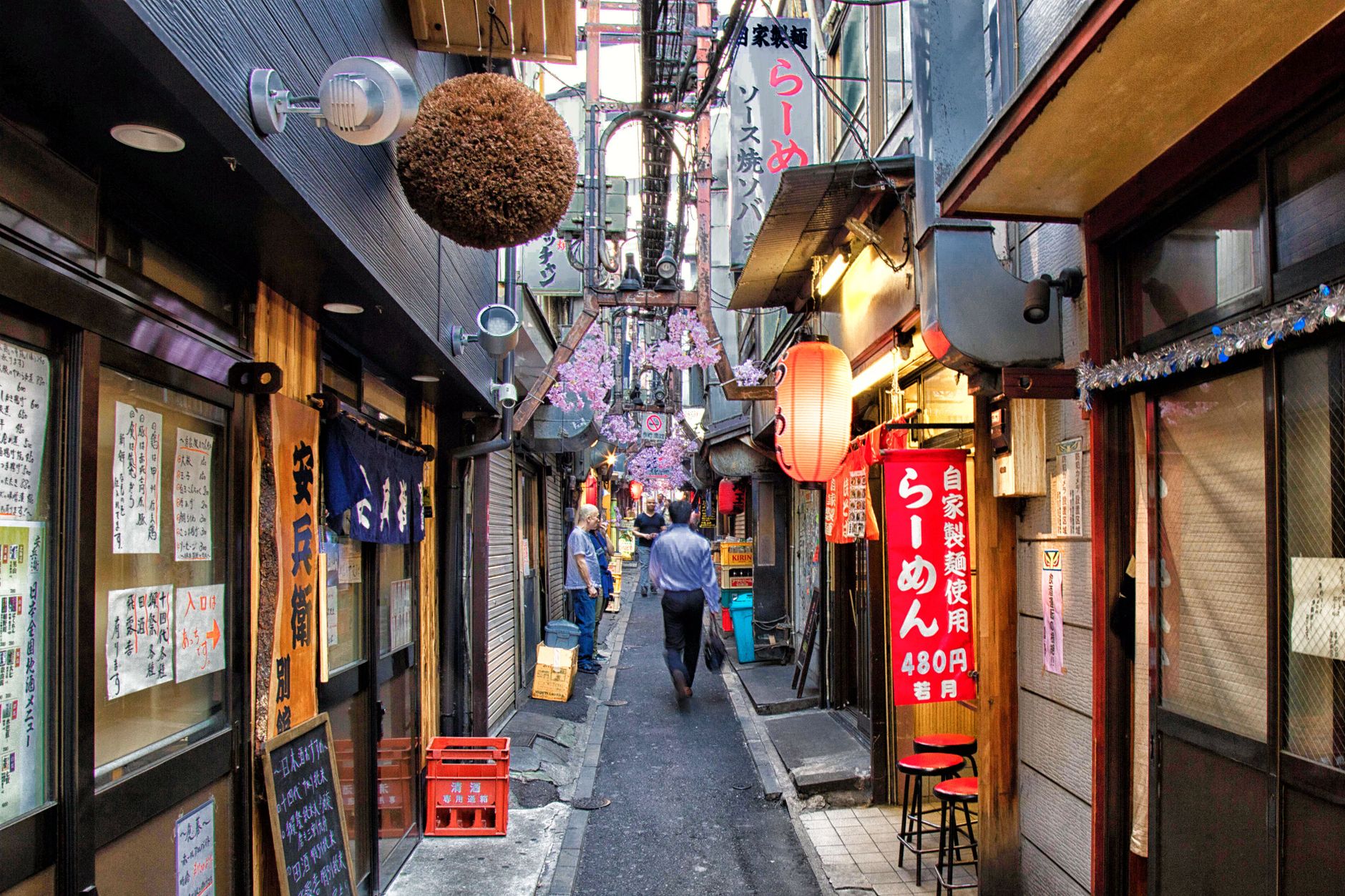
Theres something captivating about dining in places where history lingers in every bite. The oldest restaurants offer more than just food; they serve centuries of stories, culture, and culinary traditions. Exploring these establishments means stepping into living museums of flavor that have survived wars, revolutions, and shifting tastes. Have you ever wondered which places have been welcoming diners the longest, preserving recipes and atmospheres for hundreds of years? Lets unfold the fascinating world of the oldest restaurants worldwide that still welcome food lovers today.
Historic Restaurant Criteria
What Defines The Oldest Restaurants?
When we say oldest restaurants, what exactly do we mean? The key is often continuous operationserving food in roughly the same location for centuries. However, some places count their age from the buildings founding or the first documented mention. Authenticity matters too; many oldest eateries keep traditional recipes, interiors, and atmospheres intact. Historical credibility relies on records like deeds, archives, and expert research. So, its a mix of longevity, tradition, and documentation that sets these historic eateries apart.
Why Care About Historic Restaurants?
These establishments do more than fill plates; they keep cultural heritage alive. They connect diners to regional identity and gastronomys roots. Tourists seek them for that blend of nostalgia and discovery, while locals treasure them as pride points. They also reveal how food has evolveda delicious history lesson you can taste firsthand.
Expert Insight: Culinary Historys Living Lessons
Dr. Lina Farouqi, a culinary historian, says, Old restaurants are like time capsules. Their menus and methods tell us about food technology, trade routes, and social dynamics from bygone eras. Every dish traces a story, often linked to local ingredients and rituals.
Worlds Oldest Restaurants
The following 14 restaurants have stood the test of time, showcasing centuries-old food traditions across continents. Each spot is unique, balancing heritage with todays diners expectations.
1. St. Peter Stiftskulinarium (803) - Salzburg, Austria
Claiming roots from the early 9th century, St. Peter Stiftskulinarium is Europes oldest restaurant. Nestled within Salzburgs St. Peters Abbey, its vaulted cellars and wood-paneled rooms echo medieval charm. Its founding ties to monastic hospitality, originally feeding monks and pilgrims.
Signature Flavors & Tips
Try the hearty Austrian duck with red cabbage or classic apple strudel. For a true experience, ask about their historic wine cellar tours.

2. Al Brindisi (1100) - Ferrara, Italy
This quaint spot in Ferrara boasts a long culinary lineage, famed for its Renaissance-era architecture and time-honored recipes. Al Brindisi specializes in traditional Emilia-Romagna dishes, connecting diners to centuries of Italian gastronomy.
Menu Highlights
Their fresh pasta with rag and seasonal Trentino cheese reflect regional nuances developed over centuries.
3. Honke Owariya (1465) - Kyoto, Japan
Renowned as Kyotos oldest soba shop, Honke Owariya has served handmade buckwheat noodles for over 550 years. It mixes culinary art with Zen philosophy, making dining here a serene cultural experience.
Dining Experiences
Visitors often mention the subtle balance of flavors and the quiet, authentic ambianceideal for those who appreciate Japanese tradition and gastronomy.
4. Zum Franziskaner (14th Century) - Munich, Germany
Dating back to the 14th century, Zum Franziskaner serves Bavarian classics in a Gothic setting. Its beer garden and hearty menu make it a favorite for both tourists and locals.
5. Sobrino de Botn (1725) - Madrid, Spain
Declared the worlds oldest continuously operating restaurant by Guinness World Records, Botns wood-fired ovens produce iconic roast suckling pig and lamb recipes unchanged since the 18th century.
6. La Couronne (1345) - Rouen, France
This traditional French restaurant claims to be the oldest in France. It embraces classic Norman dishes paired with rich French wines from the nearby vineyards.
7. White Horse Tavern (1673) - Newport, Rhode Island, USA
Americas oldest tavern still serving food, White Horse Tavern witnessed colonial history unfold while offering hearty New England fare.
8. Rules (1798) - London, UK
Rules is famous for traditional British game dishes, preserving Victorian dining elegance. Its history includes serving literary icons and royalty.
9. Antica Trattoria della Pesa (1880) - Milan, Italy
A bit younger, yet historic, this trattoria embodies Milans culinary evolution with risotto and ossobuco dishes prepared from original recipes.
10. Zum Schwarzen Kameel (1618) - Vienna, Austria
Known for its open sandwiches and historic charm, this Viennese institution has witnessed centuries of changes while still pleasing palates.
11. Caf Procope (1686) - Paris, France
Considered the oldest caf in Paris, it has hosted the intellectual elite while serving French classics and coffee traditions.
12. La Fonda de la Estrella (1540) - Mexico City, Mexico
A remarkable blend of Aztec and Spanish culinary styles, La Fonda de la Estrella offers a taste of colonial history in every dish.
13. Zum Goldenen Stern (1461) - Leipzig, Germany
Known for Saxon specialities and a rustic atmosphere, this restaurant continues to celebrate centuries-old recipes.
14. Don Julio (1999) - Buenos Aires, Argentina (Honorable Mention)
While not one of the oldest, Don Julio is included for its commitment to traditional Argentine parrilla culture, showing how classic methods persist today.
Tradition vs. Modernity
Dining Benefits
Eating where history breathes can elevate your meal. These restaurants use original recipes and ingredients that connect you with regions‘ roots. The atmosphere often creates an immersive cultural experience, far from the generic chains.
Challenges to Expect
Old buildings sometimes mean limited facilities or less polished service. Menus can be narrower, focusing on tradition over variety. Prices may skew higher due to their heritage status.
First-Time Visitor Tips
- Make reservations early as historic restaurants often fill up fast.
- Respect dress codes and local dining customs.
- Ask about menu highlights and allergy informationmany offer Halal or health-conscious options, especially where requested.
- Go with an open mind to embrace historic quirks.

Restaurant Longevity Factors
Secrets to Surviving Centuries
Many of these restaurants are family-owned through generations, placing emphasis on passing down recipes and values. They adapt carefully, incorporating modern hygiene or safety standards without losing authenticity. Community loyalty and tourist curiosity often sustain them financially. Their places in local culture and festivals add to their resilience.
Lessons From Closed Historic Spots
Not all ancient eateries survive. Some fail by resisting any change, ignoring visitor comfort, or losing key family members who managed operations. Economic downturns and urban redevelopment sometimes force closures, reminding us that survival requires balance of tradition and innovation.
Visitor Questions About Old Restaurants
Are Original Recipes Still Used?
Many oldest restaurants proudly maintain original recipes but adapt them slightly for modern palates or ingredient availability. This keeps dishes authentic in spirit while ensuring quality and safety according to current standards.
How Do These Restaurants Meet Health Standards?
Despite their age, most meet modern health and safety requirements by updating kitchens and training staff. Many locations in halal-conscious areas obtain Islamic certification from bodies like JAKIM or HMC, ensuring food fits dietary laws.
Can I Visit for Casual Dining?
Yes, though some historic restaurants recommend reservations for weekend or evening dining due to popularity. Some encourage special occasion visits, yet still welcome casual diners appreciating tradition.
Is Halal Food Available in Oldest Restaurants?
While not all specialize in Halal, some in Muslim-majority areas or tourist hubs display proper certifications like IFANCA or JAKIM. Its best to verify before visiting if Halal compliance is essential.
Do These Restaurants Accommodate Special Diets?
Many have begun offering gluten-free or vegetarian options to meet modern dietary needs while honoring tradition.
What Makes These Restaurants Tourist Attractions?
Their unique blend of atmosphere, history, and authentic flavors sets them apart. Visitors often combine dining with sightseeing nearby historic landmarks.
Are These Places Kid-Friendly?
Some oldest restaurants may have formal settings better suited to adults, but many welcome families respectfully. Check in advance for any kids menus or seating policies.
Your Practical Guide to Historic Dining
- Research the restaurants history and menu online before booking.
- Ask about Halal certification if needed; look for logos from JAKIM, HMC, or IFANCA.
- Try local signature dishes that reflect centuries-old traditions.
- Keep expectations flexible around ambiance and service style.
- Consider pairing the visit with nearby cultural attractions for a full heritage experience.
For those curious about traditional baked goods after a historic meal, exploring options like Sheetz breakfast sandwiches offers insights into authentic quick bites preserving regional flavors. Or dabble in recipes like Meat pie, which has deep roots in many culinary traditions.
Summary
The oldest restaurants present more than food; they offer an edible history lesson. From Salzburg to Kyoto, these places combine the magic of authentic recipes, dedicated families, and cultural pride. Whether seeking a historic feast or simply curious about tradition, visiting these restaurants brings a meaningful taste of the past. Next time you explore a new city or browse menus, consider embracing the stories behind the oldest restaurants near you. It could turn a simple meal into a memorable journey.
FAQs
Is oldest restaurants actually Halal — what should I check on the label?
Not all oldest restaurants serve Halal food, but some in Muslim-majority areas hold proper certifications like JAKIM or IFANCA. Check for official Halal logos or inquire directly with the restaurant about their certification and food preparation methods before visiting.
Are original recipes still used in the oldest restaurants?
Many oldest restaurants maintain original recipes but adapt them subtly for modern tastes and ingredient availability. This ensures authenticity while meeting current quality and safety standards.
How do these restaurants meet modern health and safety standards?
Despite their age, these restaurants update kitchens and train staff to comply with contemporary hygiene and safety regulations, ensuring a safe dining experience without compromising tradition.
Can I visit the oldest restaurants for casual dining?
Yes, most oldest restaurants welcome casual diners, though reservations are often recommended for busy times. Some encourage special occasions but remain open to all who appreciate historic ambiance and cuisine.
Do oldest restaurants accommodate special diets like gluten-free or vegetarian?
Many have expanded menus to include gluten-free, vegetarian, and other dietary options to cater to modern dietary needs while preserving traditional flavors and recipes.