If you love blueberries, you know they can spoil faster than you‘d like. Proper blueberry storage makes a huge difference in keeping these sweet, nutrient-packed berries fresh, tasty, and ready to eat. The secret? Keep them dry, cool, and in the right container, without washing before storing. Lets explore the best methods and essential tips to prolong your blueberries shelf life.
Shelf Life Basics
How Long Do Fresh Blueberries Last?
Fresh blueberries typically last between 5 to 10 days when stored properly in the refrigerator. However, factors like humidity, temperature, and how you store them can greatly affect this timeline. Too much moisture causes them to spoil quickly, while very dry conditions can shrivel the fruit.
What Causes Blueberries to Spoil Quickly?
The main culprits for fast spoilage are mold growth and moisture buildup. Blueberries have a natural protective bloom on their skin that helps fight microbes. Washing them before storage removes this barrier and adds moisture. When berries are washed early, they become vulnerable to decay and mold.
Signs of Spoiled Blueberries
Check your blueberries regularly for soft, mushy spots, leaks of juice, or visible fuzzy moldthese are clear indicators of spoilage. A sour smell or off-odor also means its time to toss them. Sometimes slightly shriveled but intact berries are still fine to eat, especially if you plan to cook or freeze them.
According to the USDA food safety recommendations, spotting and removing bad berries can prevent mold from spreading to the rest.
Optimal Blueberry Storage
Best Refrigerator Storage Practices
The ideal way to store blueberries fresh is by keeping them unwashed and dry in breathable containers or their original clamshell packaging. Line the storage container with a paper towel to absorb any excess moisture. Store them in the main fridge compartment at a temperature between 1C to 4C (34F to 39F) for the best results.
Why Avoid Washing Before Storage?
Washing blueberries removes their natural protective coating and adds moisture, making them mold magnets. Wash them only right before eating or using. When washing, rinse gently under cold water and drain well.
Best Containers to Store Blueberries
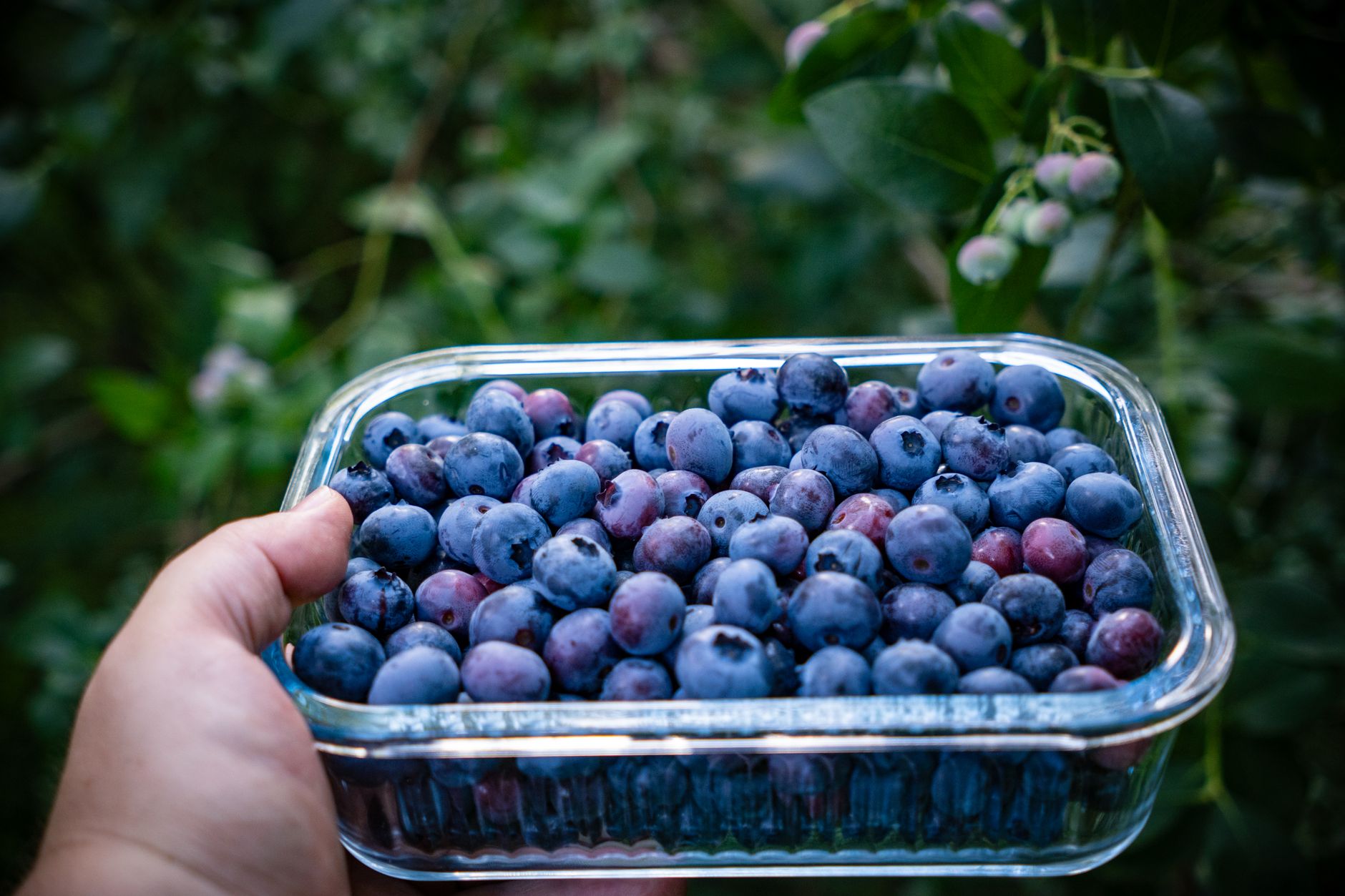
Plastic clamshells with ventilation holes are popular because they promote airflow to reduce moisture buildup. Alternatives like glass jars with a loose lid or breathable produce bags also work well. Avoid sealed plastic bags or airtight containers, which trap humidity and speed spoilage.
Many people find using containers with a layer of paper towel at the bottom keeps blueberries fresher longer by soaking up condensation.

Beyond The Fridge
How to Freeze Blueberries Properly
Freezing blueberries extends their shelf life up to 10 to 12 months while preserving most nutrients and flavor. Spread unwashed, dry blueberries in a single layer on a baking sheet and freeze for 2 to 3 hours. Then transfer them into airtight freezer bags or containers, squeezing out excess air before sealing.
Other Preservation Methods
Drying blueberries is a delicious way to enjoy them year-round without refrigeration. You can use a food dehydrator or oven at low temperatures (around 57C/135F) for 10 to 15 hours until fully dried. Canning homemade blueberry jams or preserves is another option to safely store large quantities for months on the shelf.
Preservation Method Comparison
| Method | Ease | Shelf Life | Flavor & Texture |
|---|---|---|---|
| Refrigeration | Easy | 510 days | Fresh taste, firm texture |
| Freezing | Moderate | 1012 months | Slight texture softening, flavor retained |
| Drying | Moderate | 612 months | Chewy, concentrated sweetness |
| Canning (Jam) | Advanced | 12+ months | Sweet, thick spreadable |
All of these methods have their place depending on how you plan to use your blueberries. Freezing is great for smoothies and baking, while drying adds a perfect snack or salad topping.
Common Mistakes & Quick Fixes
Washing Blueberries Too Early
This is the biggest mistake and almost guarantees faster mold growth. Always store blueberries dry and wash only before consumption or use.
Overpacking or Crushing Blueberries
Crowding blueberries in a container causes bruising and juice leakage, creating a moist environment ideal for spoilage. Give your berries some breathing room to stay firm.
Ignoring Moldy or Bad Berries
Leaving moldy blueberries with fresh fruit accelerates decay. Cull spoiled berries promptly to protect the rest from contamination.
Quick Salvage Tips
If you catch spoilage early, gently remove bad berries and transfer the good ones to a fresh, dry paper towel-lined container. For stubborn mold concerns, rinsing berries briefly in a diluted vinegar-water solution (1 part vinegar to 3 parts water) then drying thoroughly can reduce microbes before eating. This is safe and often recommended by food safety experts.
For healthier storage tips on different vegetables, you might also like this Steam broccoli time guide.
Is blueberry storage important for Halal consumers?
Yes. When you choose Halal-certified blueberry products or ingredients (like preserves), look for official certification logos such as JAKIM, HMC, or IFANCA to ensure compliance. Proper blueberry storage preserves freshness and prevents contamination, aligning with Halal food handling standards.
How do I know when to freeze blueberries?
Freeze blueberries within 2 to 3 days of purchase or harvest when they are ripe but still firm. Avoid freezing overripe berries as they lose texture during thawing.
Can I store blueberries at room temperature?
Blueberries can be stored at room temperature for 1 to 2 days if fully ripe and dry, but refrigeration is best for longer freshness.
Do organic blueberries require different storage?
Organic blueberries have similar storage needs. Because they lack synthetic preservatives, storage conditions like moisture control and refrigeration become even more important.
Whats the best way to thaw frozen blueberries?
Thaw blueberries in the fridge overnight if you want firm berries for salads or baking. For smoothies, you can use them frozen directly.
Can storage affect blueberry flavor?
Yes. Improper storage, like excess moisture or warmth, dulls flavor and causes mushiness. Following storage best practices maintains the fresh, sweet, and tangy taste you expect.
Are blueberry stems safe to eat?
Blueberry stems are edible but usually discarded due to their tough texture and mild bitterness. Rinsing before eating removes any residual stems.
Pro Tips for Perfect Blueberry Storage
- Never wash blueberries until just before eating to keep the protective bloom intact.
- Choose containers with good ventilation like original clamshells or breathable produce bags to reduce moisture buildup.
- Lay a dry paper towel at the bottom of containers to absorb condensation and keep berries dry.
- If buying frozen blueberries, check for Halal certification on packaging to ensure compliance.
- Freezing is the best way to keep blueberries for months while retaining nutrients and flavor.
For those managing dietary needs, blueberries are excellent. Pair them with other superfoods for a balanced diet check out the Best foods for diabetics recommendations to see how blueberries fit smartly into your nutrition plan.
Conclusion
Blueberry storage doesnt have to be tricky. Keep your berries dry, unwashed, cool, and well-ventilated to enjoy fresh, flavorful blueberries for up to 10 days. For longer storage, freezing is your best bet. The next time you shop or harvest, try these simple tips to keep blueberries fresh longer and more delicious. Feel free to share your own blueberry storage hacks or questions below!
FAQs
Is blueberry storage actually Halal — what should I check on the label?
Yes, blueberry storage products can be Halal. Look for official certification logos like JAKIM, HMC, or IFANCA on packaging to ensure the product complies with Halal food handling standards and avoids contamination.
How long do fresh blueberries last when stored properly?
Fresh blueberries typically last 5 to 10 days in the refrigerator when kept unwashed, dry, and in a breathable container. Proper storage conditions like temperature and moisture control are key to maximizing shelf life.
What is the difference between refrigeration and freezing for blueberries?
Refrigeration keeps blueberries fresh for up to 10 days with a firm texture, while freezing extends shelf life to 10-12 months but may soften the texture slightly. Freezing is great for long-term storage and preserving nutrients.
Can I store blueberries at room temperature safely every day?
Blueberries can be kept at room temperature for 1 to 2 days if ripe and dry. However, for longer freshness and to prevent spoilage, refrigeration is recommended as the best daily storage method.
Where can I buy quality blueberries suitable for proper storage?
Quality blueberries can be found at grocery stores, farmers' markets, or specialty food shops. Choose fresh, firm berries without bruises or mold, and check for organic or Halal certification if needed.