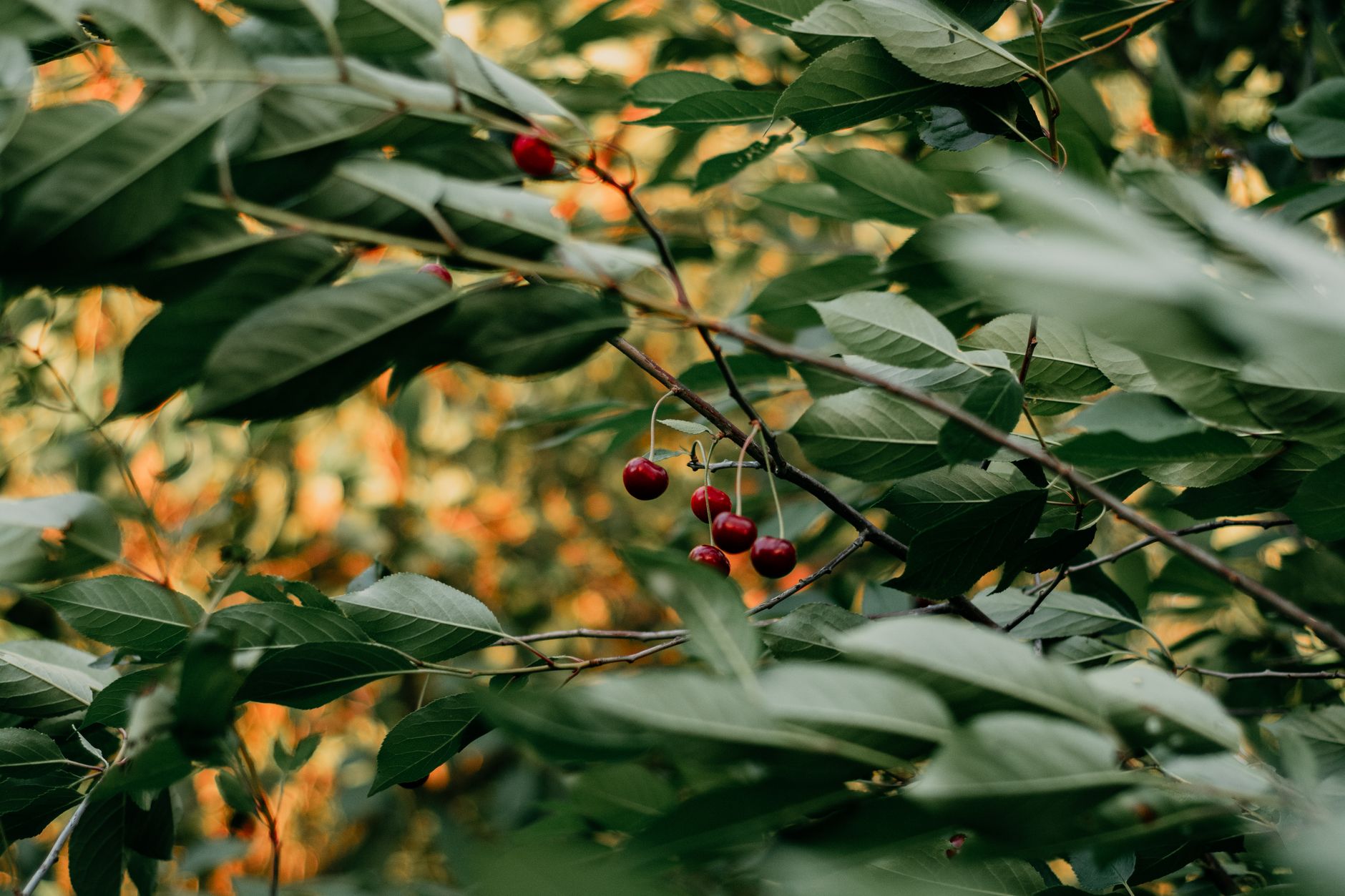
Want to grow cherry tree from pits in your own garden? Its possible, but it requires patience and the right care. Growing cherry trees from seed isnt a quick project, but many gardeners enjoy turning discarded cherry pits into beautiful fruit-bearing trees with a little attention. Lets explore the simple steps, expert tips, and common challenges to help you succeed in growing your own cherry tree from seed.
Cherry Trees From Seed
Why choose to grow cherry trees from pits instead of buying a sapling? For some, its a fun challenge or a way to reduce waste. However, be aware that growing cherries from seed comes with both rewards and difficulties.
Seed-grown trees often take longer to fruittypically 5 to 7 yearscompared to nursery-bought saplings that might fruit sooner. Also, cherries grown from seed can have genetic variability, meaning the fruit may differ in taste or quality from the parent cherry.
There are two main cherry types you might grow from pits: sweet cherries (Prunus avium) and sour cherries (Prunus cerasus). Each variety has unique climate preferences and growth habits, with sweet cherries generally needing milder winters and sour cherries tolerating colder regions better.
Is It Worth Growing Cherry Pits?
If you want fruit quickly and predictably, buying grafted nursery trees is smarter. However, growing trees from pits offers educational value and a personal connection with nature. Planting pits also lets you experiment with different varieties naturally suited to your areas climate.
Cherry trees prefer temperate climates with cold winters to satisfy their chilling requirements. Without enough chilling hours, seed-grown cherry trees may struggle to bloom reliably. Consider your region carefully before starting.
Expert Advice on Seed-Grown Cherry Trees
Horticulturists suggest using cold-hardy varieties like Montmorency (a sour cherry) for seed propagation in cooler climates. Sweet cherries like Bing or Stella usually do better when grafted. Universities recommend stratificationa cold treatment processto improve germination rates significantly.
Choosing your site with good drainage and full sunlight also enhances success.
Steps to Grow Cherry Pits Into Trees
Growing cherry trees starts with preparing the pits and soil correctly. The most critical step is stratification, which simulates winter conditions to break seed dormancy.
How to Stratify Cherry Pits?
Place cleaned pits in a plastic bag with moist peat moss or sand. Store them in your refrigerator at 3441F (15C) for 8 to 12 weeks. This cold stratification trick gently thaws and re-freezes the seeds, signaling them to sprout when planted.
After stratification, plant cherry pits outdoors in the spring or inside pots if you want to control sprouting conditions. Pits planted too soon or without stratification often fail to germinate.
Planting and Early Care
- Choose a sunny location with well-draining, loamy soil.
- Plant pits about 1 to 2 inches deep and space them at least 10 feet apart if transplanting outside.
- Water moderately to keep soil moist but not soggy.
- Mulch around the seedlings to retain soil moisture and reduce weeds.
- Prune during the first winter to shape young trees and encourage healthy branching.
Troubleshooting Seedling Problems
If pits dont sprout after stratification, recheck your cold treatment duration and moisture level. Sometimes fungi or pests attack young seedlings, so inspect for any discoloration or holes in leaves early on. Adjust watering to avoid root rot.
Long-Term Cherry Tree Care
Once your cherry seedling matures into a small tree, proper pruning and fertilizing will encourage fruit production and health.
Pruning and Fertilizing
- Prune dead or crossing branches in late winter before buds break.
- Apply balanced fertilizer in early spring, around 10-10-10 NPK, about 1 pound per tree annually.
- Mulch with organic compost to improve soil nutrients and moisture retention.
Water young trees deeply once per week during dry spells, reducing frequency as they mature.
When Will Your Tree Bear Fruit?
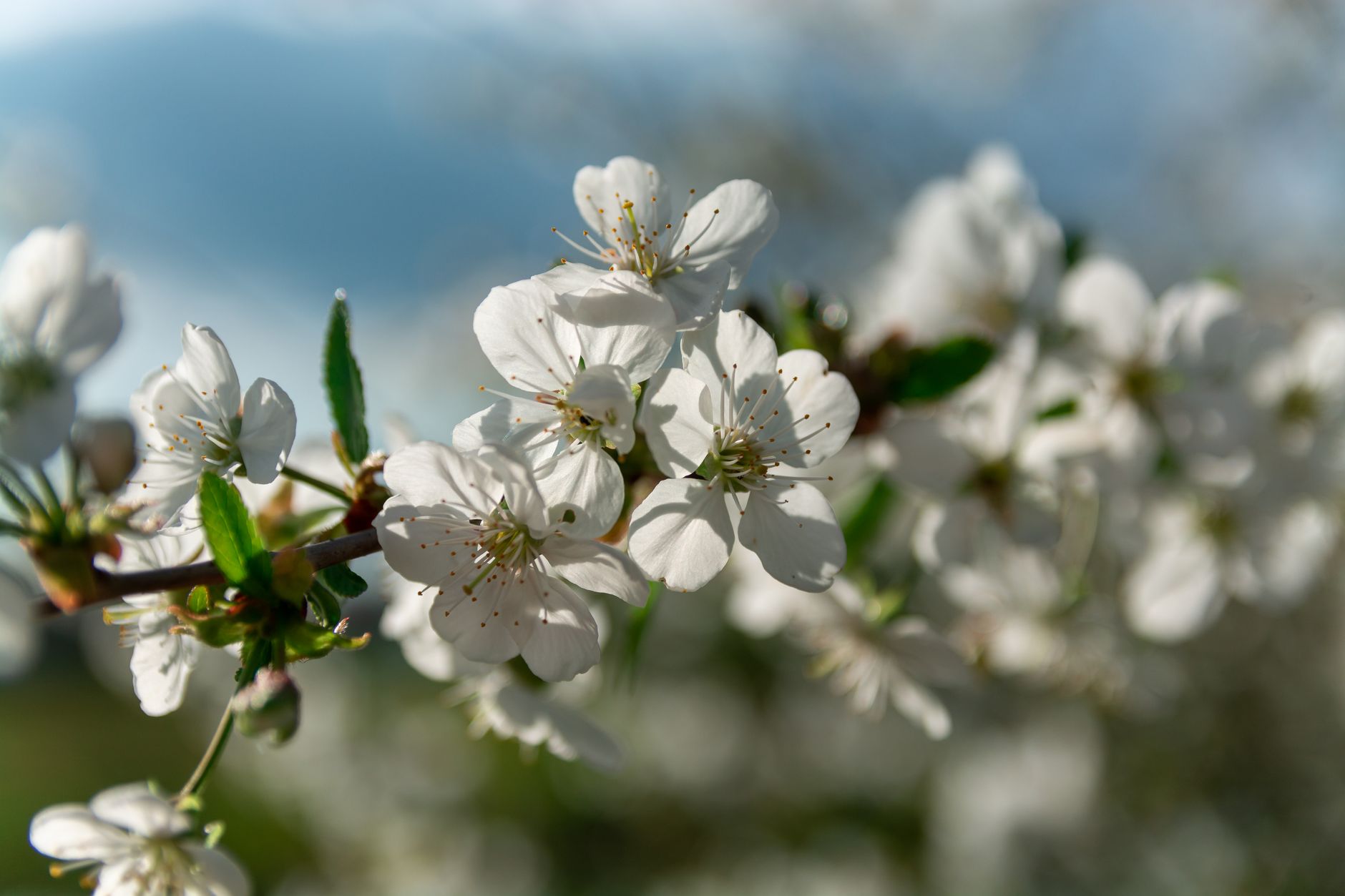
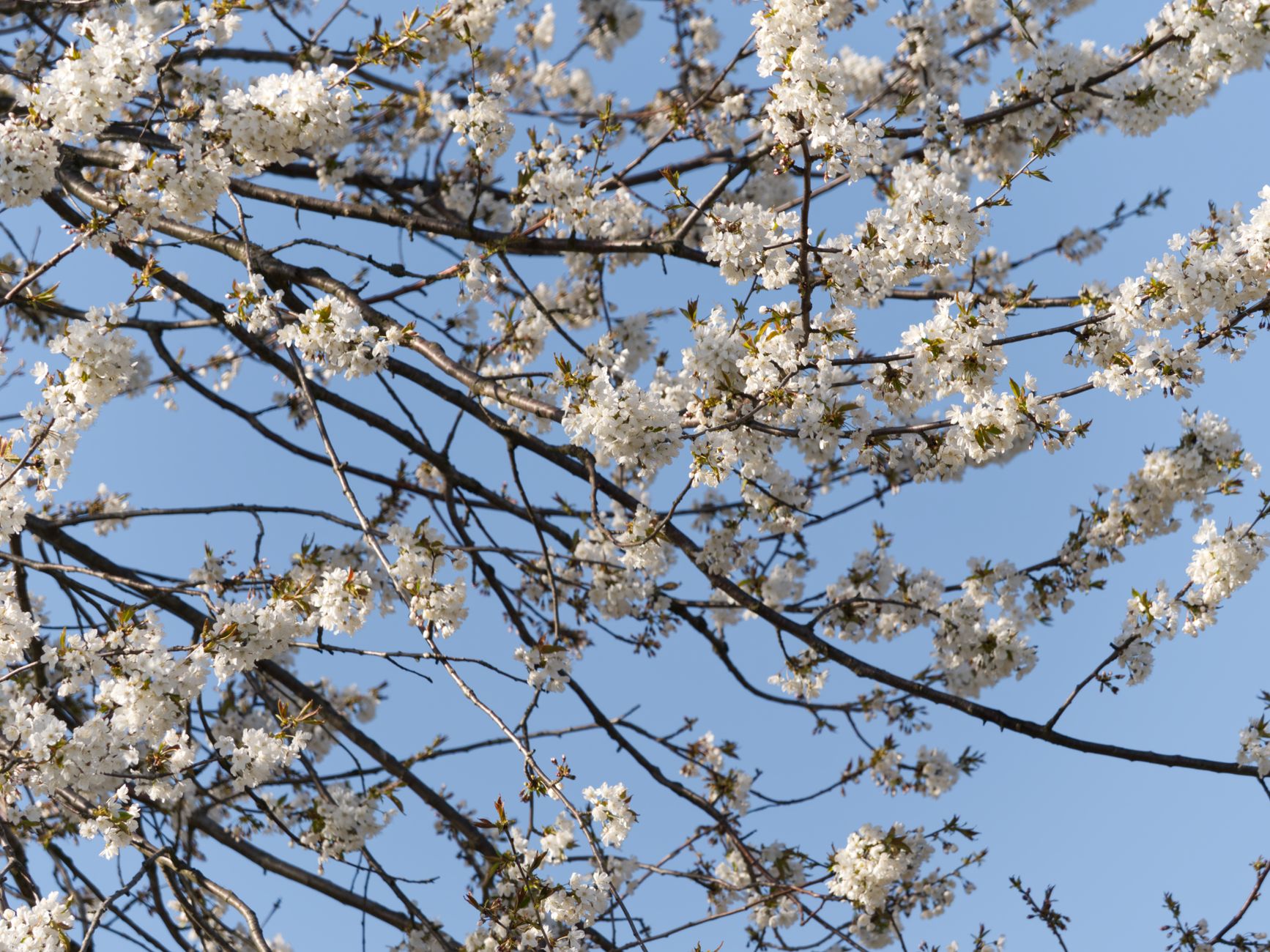
Seed-grown cherry trees usually produce fruit between 4 to 7 years, depending on the variety and growing conditions. Flower buds appear in early spring, and cherries ripen in late spring to early summer.
Harvesting and Storing Cherries
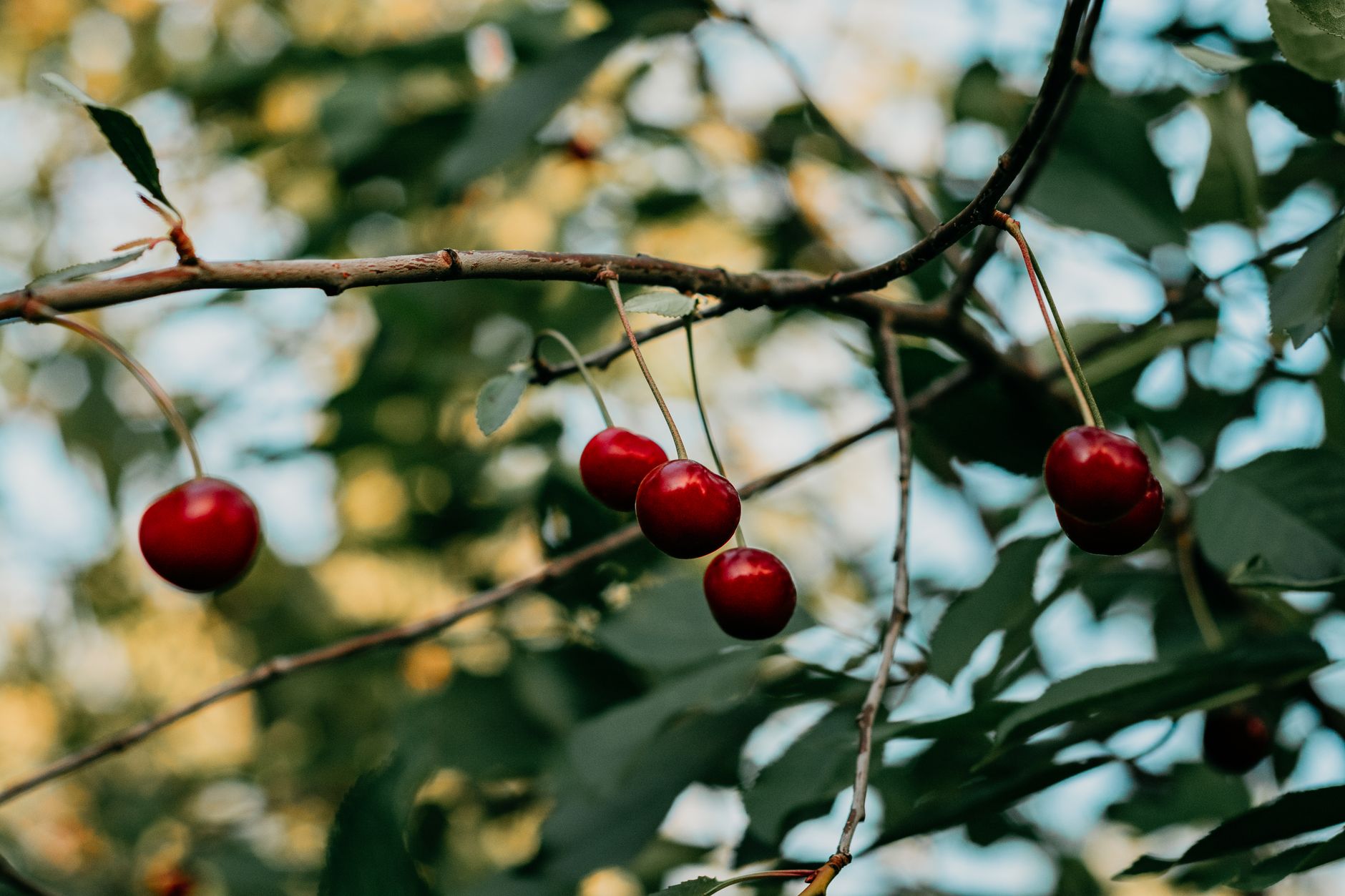
Pick cherries when they are fully colored and slightly soft. Sweet cherries should be deep red or blackish, while sour cherries turn bright red. Handle fruit gently to avoid bruising.
Fresh cherries last 5 to 7 days refrigerated in a sealed container. For longer storage, freeze after washing and drying, which keeps them fresh for up to 12 months without preservatives.
Risks and Considerations
Growing cherry trees from pits has uncertainties. Fruit quality may vary, and disease risks like bacterial canker or cherry leaf spot can affect seedlings, especially in humid climates. Organic control methods include neem oil sprays and good garden sanitation.
Start Indoors or Outdoors?
Starting pits indoors lets you control temperature and moisture, boosting germination success. However, transplanting can shock seedlings unless hardened off by gradual outdoor exposure.
Direct sowing outdoors is low-effort but risks pit desiccation or predation by wildlife.
Alternatives to Growing From Seed
For quicker fruit with guaranteed varieties, consider buying grafted saplings from nurseries. Grafted trees combine rootstock diseases resistance with high-quality fruit varieties, ensuring more predictable harvests.
If you want to grow organic and experiment, seed propagation is a worthwhile adventure. Otherwise, nursery trees can save you years of waiting.
For balanced nutrition and meal ideas that support your gardening and healthy lifestyle, check out our guide on Best foods to eat when sick.
Is growing cherry tree fruit safe and Halal?
Growing and consuming cherries is naturally Halal, as fruit is a plant product. However, if you ever use fertilizers, pesticides, or grafted plants, look for those certified by reputable bodies such as JAKIM, HMC, or IFANCA to ensure compliance with Halal standards.
How long does it take for cherry pits to sprout?
With proper stratification, cherry pits typically begin to sprout within 2 to 4 weeks after planting. Without cold treatment, sprouting may fail or take much longer.
What soil is best for cherry trees?
Cherry trees thrive in well-draining, loamy soil with a pH between 6.0 and 7.5. Avoid heavy clay or waterlogged areas to prevent root diseases.
Can cherry trees grow in containers?
Yes, dwarf or semi-dwarf cherry varieties can grow in large containers with good soil and drainage. Container trees need more frequent watering and fertilizing compared to ground-planted ones.
How to protect young cherry trees from pests?
Use physical barriers like netting or collars around the trunk. Organic insecticidal sprays, neem oil, and keeping the area weed-free help deter pests naturally.
Do cherry trees need cross-pollination?
Most sweet cherry varieties require a compatible pollinator nearby to set fruit, whereas sour cherries are usually self-pollinating.
Can pruning improve cherry tree fruiting?
Yes, regular pruning opens the canopy to sunlight and air circulation, stimulating better flower and fruit development while reducing disease.
Expert Pro Tips for Growing Cherry Trees
- Most overlooked mistake: Not stratifying pits long enoughskip this step, and germination rates plummet.
- Why cheap seeds disappoint: Seed collections from supermarket cherries rarely guarantee true-to-type fruit and often include pits from hybrids.
- Expert tip: Collect pits from fresh, ripe cherries in summer and stratify them immediately for best results.
If seed-grown cherries dont thrive, consider nursery-bought saplings to ensure fruit quality and uniformity. For maintaining soil health, sprinkling organic compost in fall helps nutrient retention and promotes soil microbes activity around roots.
What is the best watering schedule for young cherry trees?
Water deeply once a week during the first growing season, especially in dry weather. Avoid frequent shallow watering which can weaken roots.
Which cherry varieties are easiest for beginners?
Montmorency sour cherry is hardy and forgiving for new growers. Among sweet cherries, Stella and Sweetheart are popular for their disease resistance and fruit quality.
Can you grow cherry trees organically?
Yes. Choose disease-resistant cultivars, apply organic mulch, use natural pest deterrents and compost-based fertilizers. Manual pruning and good hygiene reduce chemical needs.
How to improve cherry fruit flavor?
Ensure consistent watering during fruit ripening and prune lightly to improve airflow, which concentrates sugars and reduces fungal problems.
Should I thin cherry fruits?
Thinning cherries by removing some immature fruits reduces stress on branches and encourages larger, sweeter cherries.
How cold-hardy are cherry trees?
Sour cherry varieties can survive temperatures as low as -30F (-34C), while sweet cherries generally tolerate down to -10F (-23C).
When to fertilize cherry trees?
Fertilize in early spring just before bud break. Avoid heavy late-season feeding to prevent weak, frost-susceptible growth.
More You Might Like
Discover wholesome ingredients and meal ideas with our Best foods to eat when sick guide. Its great for keeping your energy up during intensive gardening seasons.
Looking to snack smarter? Explore our detailed review of Peanut butter brands to find clean-label, Halal-certified options perfect to fuel your gardening days.
Conclusion
Growing cherry tree from pits takes time and care but offers a rewarding way to cultivate your own fruit. With proper stratification, planting, and ongoing maintenance, your seed-grown tree may flourish into a healthy, fruit-bearing beauty. Keep these tips handy next time you collect cherry pits, and enjoy the journey from seed to harvest. Feel free to share your progress or questions with us anytime.
FAQs
Is grow cherry tree actually Halal — what should I check on the label?
Growing and consuming cherries is naturally Halal as they are plant-based. When using fertilizers, pesticides, or grafted plants, look for certifications from reputable Halal bodies like JAKIM, HMC, or IFANCA to ensure full compliance with Halal standards.
How long does it take for cherry pits to sprout after planting?
With proper cold stratification, cherry pits typically begin to sprout within 2 to 4 weeks after planting. Without stratification, germination may fail or take much longer, so the cold treatment step is essential for timely sprouting.
What type of soil is best to grow cherry trees successfully?
Cherry trees thrive in well-draining, loamy soil with a pH between 6.0 and 7.5. Avoid heavy clay or waterlogged areas since poor drainage can cause root diseases and stunt tree growth.
Can cherry trees be grown in containers, and what care do they need?
Yes, dwarf or semi-dwarf cherry varieties can grow well in large containers with quality soil and good drainage. Container-grown trees require more frequent watering and fertilizing compared to those planted in the ground.
Do cherry trees require cross-pollination to produce fruit?
Most sweet cherry varieties need a compatible pollinator nearby to set fruit effectively, while sour cherry varieties are usually self-pollinating and do not require other trees for fruiting.