Lychee and rambutan are two tropical fruits often mistaken for each other at first glance. Both hail from Southeast Asia and share a similar juicy sweetness. But when it comes to taste, appearance, and nutritional benefits, lychee vs rambutan reveals some interesting contrasts. Whether you‘re curious about which to pick up at the market or want to understand their health perks better, knowing the subtle differences helps you enjoy these fruits more confidently and safely.
Appearance Differences
What Does Lychee Look Like Compared to Rambutan?
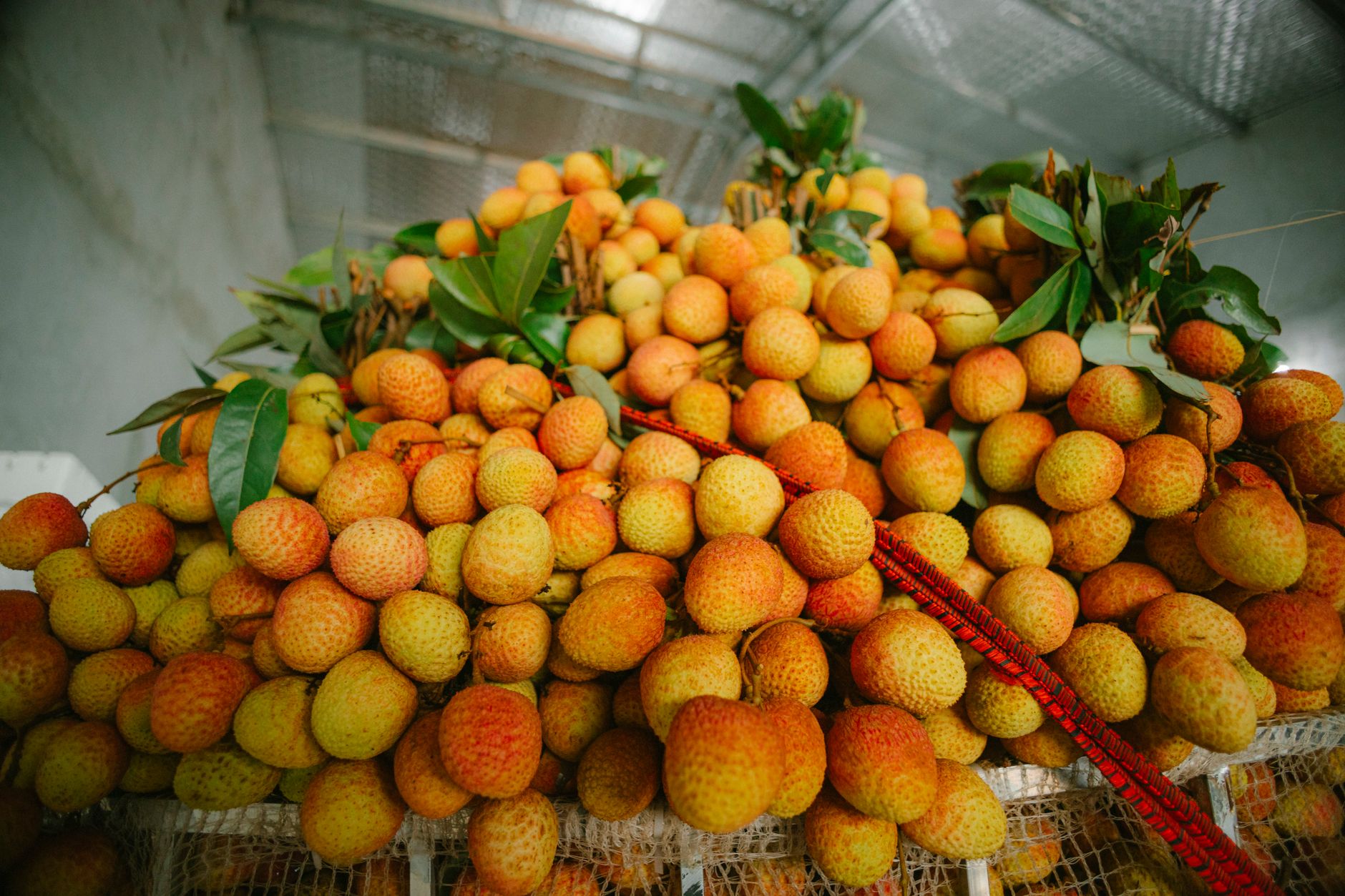
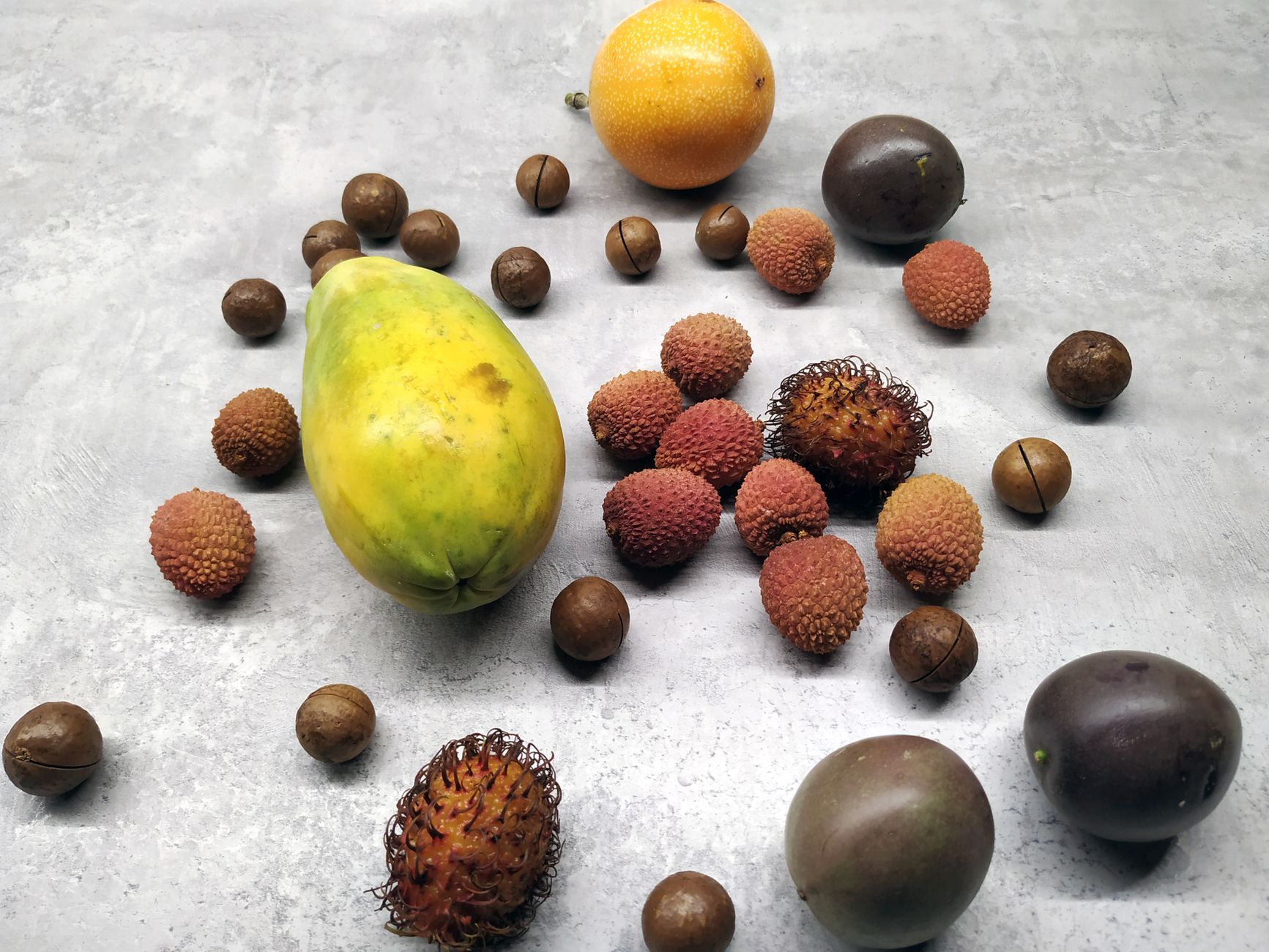
At a glance, lychee and rambutan may look like tropical twins, but their skins tell very different stories. Lychee has a rough, bumpy skin that is typically reddish-pink. Its texture is more rigid and less hairy. Lychee fruits are roughly 1 to 1.5 inches in diameter, round to slightly oval-shaped.
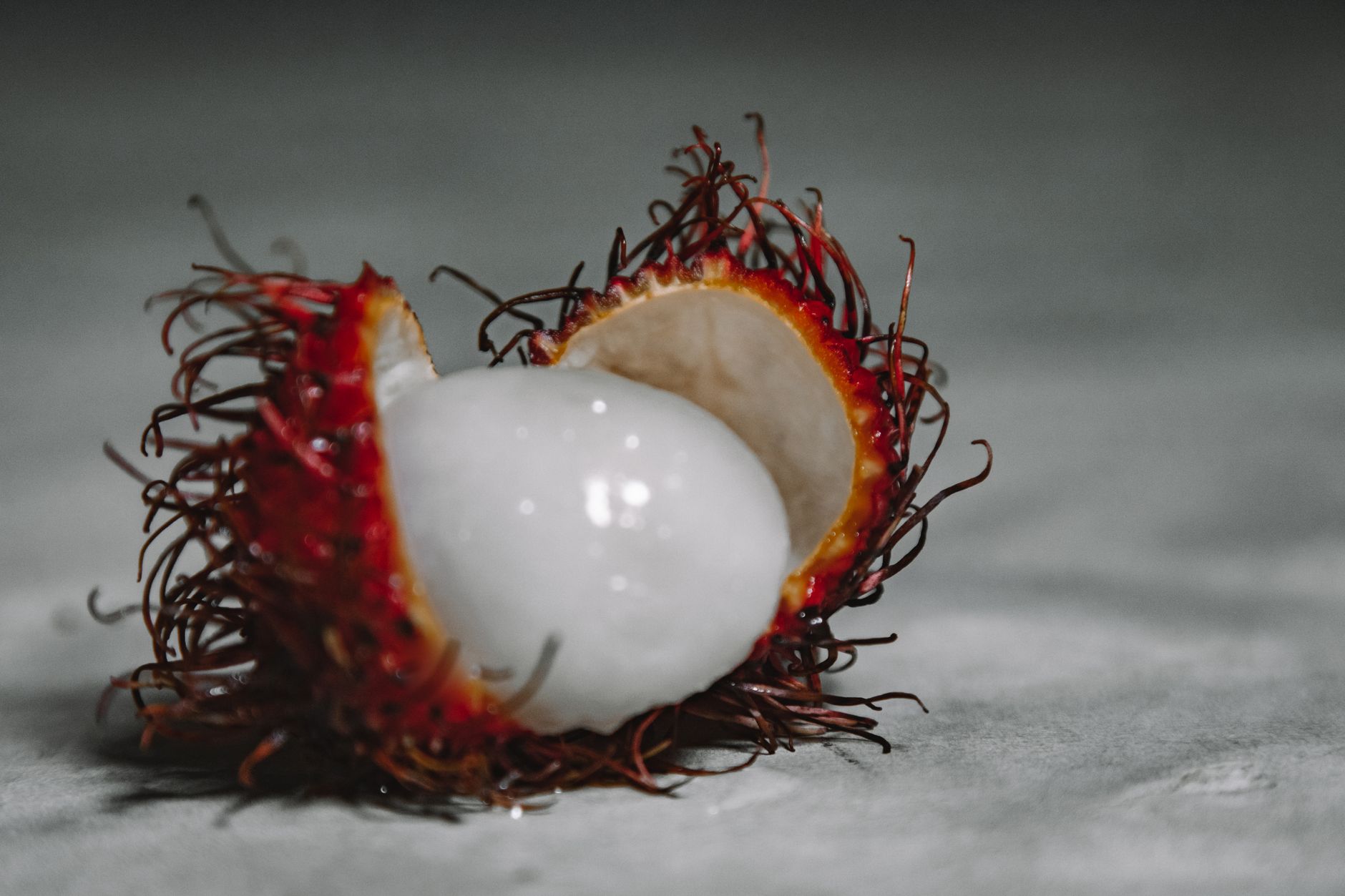
Rambutan, on the other hand, sports a hairy or spiny skin that ranges from bright red to sometimes yellow or orange, with flexible soft spikes that almost look like tiny tentacles. The fruit is usually similar in size to lychee but tends to be more oval and plumper. This spiky exterior gives rambutan a slightly wild look compared to the relatively clean lychee shell.
Handling each fruit also feels distinct. Lychees skin is firm and crackly when peeled, while rambutans soft spikes are easy to pull apart. The smell differs too: lychee often emits a floral, sweet aroma, while rambutan has a milder, almost tropical scent.
| Feature | Lychee | Rambutan |
|---|---|---|
| Skin Texture | Rough, bumpy, hard | Soft, hairy/spiny spikes |
| Skin Color | Reddish-pink | Red, yellow, or orange |
| Shape | Round to oval | Oval, plump |
| Size | 11.5 inches diameter | 1.52 inches diameter |
| Touch | Firm, crackly | Soft spikes |
Taste and Culinary Uses
What Flavors and Textures Differentiate Lychee from Rambutan?
The taste of lychee and rambutan can be surprisingly different despite their visual similarities. Lychee offers a floral, fragrant sweetness with a juicy, slightly translucent white flesh. It has a firm, tender texture and leaves a hint of rose or grape-like flavor lingering on your palate.
Rambutans flavor leans more tart and mildly acidic but still sweet, with a creamier texture that is less firm than lychees. The flesh is also translucent white but tends to be a bit more slippery. Some describe rambutan as having a hint of pineapple or citrus underneath its sweetness, making it somewhat zestier.
Both fruits are delicious eaten raw, but their culinary uses vary. Lychee is popular in desserts like jellies, ice creams, and fruit salads. It is commonly canned in syrup or blended into beverages, including cocktails and mocktails.
Rambutan often pairs well in savory dishes too, such as salads or chilled seafood platters, where its tartness cuts through richness. Its also enjoyed fresh, frozen, or preserved in jams and syrups.
Can you swap one fruit for the other in recipes? In many cases, yes they share enough similar qualities in sweetness and texture to do well as substitutes. But keep in mind lychee‘s floral notes and firmer bite differ enough that it may change the flavor balance slightly.
Nutritional Profile and Health Benefits
What Are the Key Nutritional Differences?
Lychee and rambutan are both low-calorie fruits rich in vitamins and antioxidants but differ slightly in nutrient content. According to the USDA FoodData Central, 100 grams of fresh lychee contains about 66 calories, 16.5 grams of carbohydrates, and 1.3 grams of dietary fiber. It is a significant source of vitamin C, providing around 72% of the daily recommended intake, plus small amounts of B vitamins, potassium, and copper.
Rambutan offers about 68 calories per 100 grams, similar carbs (17 grams), and slightly more fiber at 1.9 grams. It is also a good source of vitamin C, magnesium, and iron. Rambutans mineral content tends to be higher, supporting digestion and metabolism.
Lychee Benefits: Immune Support, Skin Health
The high vitamin C content in lychee boosts the immune system, helping the body fight infections. It is also rich in antioxidants like flavonoids, which protect cells from oxidative damage. Lychee supports healthy skin by promoting collagen production, which can improve skin elasticity and reduce aging signs.
Rambutan Benefits: Digestion Aid, Mineral Content
Rambutans fiber helps improve digestion and maintains bowel regularity. Its iron and copper contribute to healthy blood circulation and oxygen transport. The magnesium content supports muscle and nerve function, which is essential if you lead an active lifestyle.
Balanced View: Risks and Allergies
Both fruits are generally safe but may cause reactions in sensitive individuals. Lychee contains natural compounds like hypoglycin A, which, consumed in excess on an empty stomach, have been linked to hypoglycemia in rare cases, especially in young children. Rambutan seeds are toxic and should never be eaten raw.
If you have a history of fruit allergies, try a small piece first and monitor for reactions. For Halal consumers, both fruits are naturally Halal, but check for any added preservatives or syrups if buying packaged versions. Look for recognizable Halal certification like JAKIM or HMC logos to be sure.
Origins and Cultivation
Where Do These Fruits Come From?
Lychee originates from southern China but is now widely grown across Southeast Asia, including Thailand and Vietnam. It thrives in subtropical climates. Rambutan is native to the Malay-Indonesian region and cultivated extensively in Malaysia, Indonesia, and the Philippines where it prefers warm, humid tropical climates.
Growth Conditions and Harvesting Seasons
Lychee trees require well-drained, slightly acidic soils and a dry winter season to induce flowering. Harvest season typically runs from May to July depending on the region. Rambutan trees grow best in rich, moist soils and produce fruit from June to September.
Impact of Cultivation on Flavor and Quality
Climate and soil quality influence the sweetness and texture of both fruits. Rambutan grown in nutrient-rich soils tends to have plumper flesh and more intense flavor. Lychees floral aroma can vary depending on harvesting time and orchard care.
Cultivation Tips for Home Growers
- Plant lychee in slightly elevated areas to avoid waterlogging.
- Rambutan requires more consistent moisture and humidityuse mulching to retain soil moisture.
- Patience is key: both fruits take 57 years to bear good crops.
Common Questions About Lychee vs Rambutan
Are lychee and rambutan interchangeable in terms of nutrition?
While both fruits provide vitamin C and fiber, rambutan has slightly more minerals like iron and magnesium. Nutritionally, they complement each other and are interchangeable as healthy snacks. However, specific benefits such as lychees antioxidant flavonoids or rambutans digestion support differ slightly.
Which fruit is safer for children or people with allergies?
Lychee should be given in moderation, especially to young children, due to rare risks related to hypoglycin A. Rambutan seeds must never be consumed. For allergies, start with a small portion of either fruit and watch for any adverse reaction.
How do their sugar contents compare for blood sugar monitoring?
Both fruits contain natural sugars with lychee slightly higher in carbohydrates. If monitoring blood sugar closely, enjoy these fruits as part of balanced meals and in controlled portions, since they provide quick but natural energy.
Can rambutan and lychee be frozen or preserved without losing benefits?
Yes, both fruits freeze well once peeled and pitted, keeping for up to 3 months in airtight containers. Canning or syrup-preserved varieties last longer but may contain added sugars, reducing their health profile.
What should I check to confirm Halal certification for fruit products?
Fresh lychee and rambutan are naturally Halal. For packaged forms, look for certification logos from bodies like JAKIM, HMC, or IFANCA. These ensure no non-Halal additives or cross-contamination in processing.
Can I grow lychee and rambutan indoors or in pots at home?
Both trees require tropical climates, plenty of sunlight, and room to grow. While challenging, dwarf varieties may be grown in large pots indoors with supplemental light and humidity control.
Which fruit is better suited for beverages or cocktails?
Lychees floral sweetness and firm flesh make it popular in cocktails, mocktails, and iced teas. Rambutans milder, slightly tart flavor works well in tropical fruit punches or as a garnish, adding a unique twist.
More You Might Like
Explore more about the healthiest foods to eat to complement your tropical fruit choices with balanced nutrition.
If youre interested in promoting natural beauty, check out these best foods for hair growth packed with essential vitamins and minerals.
Conclusion
Comparing lychee vs rambutan shows they offer distinct flavors, textures, and nutritional benefits despite their visual similarities. Both fruits are delicious, healthy, and widely enjoyed in their native regions and beyond. Next time you spot these tropical gems, take a moment to appreciate their unique qualities and maybe try both to see which you prefer. When shopping, remember to check labels for Halal certification to suit your dietary needs. Happy tasting!
FAQs
Is lychee vs rambutan actually Halal — what should I check on the label?
Both fresh lychee and rambutan are naturally Halal. When buying packaged or processed versions, look for Halal certification logos from trusted bodies like JAKIM, HMC, or IFANCA to ensure no non-Halal additives or cross-contamination.
What is the shelf life of lychee and rambutan after opening?
Once peeled and pitted, both lychee and rambutan can be refrigerated in airtight containers and last up to 3-4 days fresh. They also freeze well for up to 3 months without losing significant taste or nutrients.
How do lychee and rambutan compare to longan, another tropical fruit?
Longan is smaller, with a smooth, thin skin and a more musky, less sweet flavor compared to lychee’s floral and rambutan’s slightly tart taste. Nutritionally, longan is similar but generally lower in fiber and vitamin C.
Are there any daily safety concerns when eating lychee or rambutan?
Eating lychee in excess on an empty stomach has been linked to rare hypoglycemia cases in children due to natural toxins. Rambutan seeds are toxic and must not be eaten. Moderation and proper preparation ensure safe consumption.
Where can I buy fresh lychee and rambutan locally or online?
Fresh lychee and rambutan are often available in Asian grocery stores, specialty fruit markets, and online retailers specializing in tropical produce. Check for quality, freshness, and Halal certification if needed.