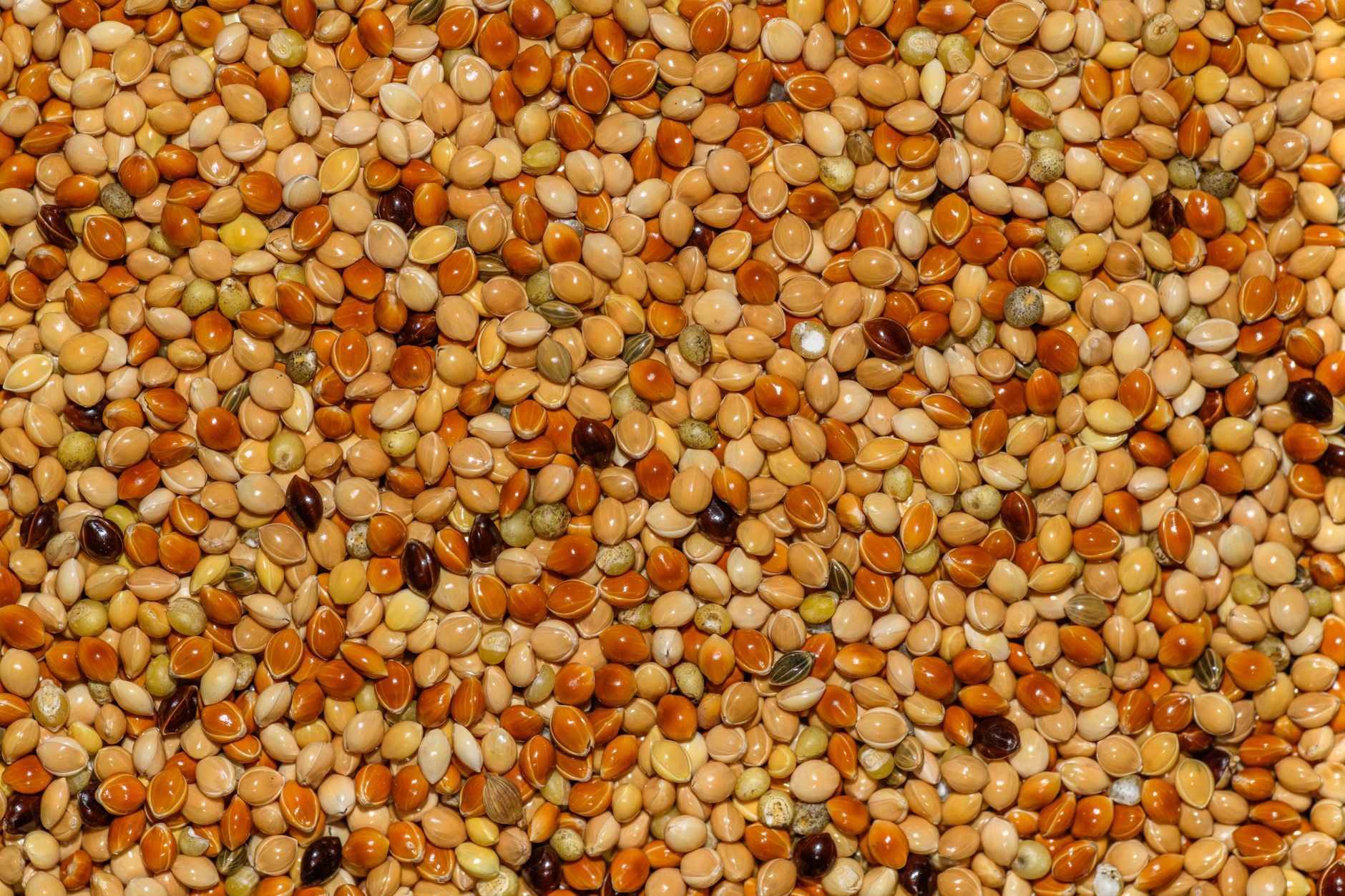
If youre looking to boost your diet effortlessly, theres a high protein grain that deserves a place in your kitchen. With a pleasantly nutty flavor and gluten-free profile, this grain combines affordability with excellent nutrition. Its easy to prepare and fits perfectly into any health-conscious lifestyle, especially if you want to add plant-based protein without complicating your meals.
What Makes This Grain Stand Out?
What is this grain, and how does it compare to popular options like quinoa or rice?
The star high protein grain were talking about is amaranth. Often overshadowed by quinoa or brown rice, amaranth packs roughly 9 grams of protein per cooked cup, according to the USDA FoodData Central. Thats more protein than white or brown rice, which typically provide around 45 grams per cup. Unlike quinoa, amaranth is naturally gluten free and brings a distinctive nutty, slightly earthy flavor that enhances many dishes.
| Grain | Protein per cooked cup (g) | Gluten-Free | Calorie Count per cup |
|---|---|---|---|
| Amaranth | 9 | Yes | 251 |
| Quinoa | 8 | Yes | 222 |
| Brown Rice | 5 | Yes | 216 |
Cost-wise, amaranth is typically more affordable than quinoa, especially when purchased in bulk. It offers similar nutrient density but often comes without the premium price tag. Its slightly small, round grains cook to a tender, porridge-like texture, which some love in breakfast bowls or as a base for savory dishes.
Why is including high protein grains beneficial for your diet?
Protein fuels your muscles, supports satiety, and keeps energy levels steady. Including a grain like amaranth adds more plant-based protein to your meals alongside fiber, iron, calcium, and magnesium. Ancient grains such as amaranth are nutrient-dense, meaning they provide vitamins and minerals your body needs for balanced nutrition and long-term health.
For those following a gluten-free or plant-based diet, this grain is a reliable option thats both versatile and wholesome. Adding it helps ensure you dont rely solely on legumes or nuts for protein, making meal planning easier and more varied.
How to Use This Nutty Grain Daily
What are the best ways to prepare and cook this grain?
Cooking amaranth is straightforward but does benefit from a couple of simple tips. Before cooking, rinse the grains under cold water to remove any debris. Use a 1:3 ratio of amaranth to water for stovetop cooking. Bring water to a boil, add the grains, reduce to low heat, and simmer uncovered for about 20 minutes. Youll notice a creamy, porridge-like consistency emerging. Stir occasionally to prevent clumps. Let it sit off heat for 5 minutes to absorb remaining moisture.
For batch cooking, double or triple the quantity and cool it completely before storing. It keeps fresh in a sealed container for 57 days in the refrigerator. Reheat gently with a splash of water or milk alternative to restore texture.
To enhance digestibility, some soak amaranth overnight before cooking. This reduces cooking time slightly and softens the grains for a gentler texture.
What simple recipes highlight its nutty flavor best?
Amaranth shines bright in both sweet and savory dishes. Here are some quick ideas:
- Breakfast bowl: Cook amaranth with cinnamon and cardamom, top with fresh berries and a drizzle of honey.
- Salad base: Toss cooked and cooled amaranth with chopped vegetables, olive oil, lemon juice, and chopped herbs.
- Stir-fries or pilafs: Use amaranth in place of rice, stir in sauted mushrooms, onions, and your favorite Halal-certified spices.
- Bake it up: Mix cooked amaranth into gluten-free loaf bread or savory muffins for added texture and protein.
These options make wholesome meals all day long and add variety to your meal planning.

Balancing Benefits and Potential Drawbacks
Are there any downsides or risks to consider?
While high in fiber, amaranth can cause digestive discomfort if eaten in large quantities suddenly. Slowly introducing this high protein grain into your diet allows your gut to adjust. Those with severe grain allergies should exercise caution; though amaranth is generally well-tolerated, sensitivities exist.
Its essential not to rely solely on one grain. Variety ensures a full spectrum of amino acids and micronutrients, as amaranth lacks some essential amino acids in sufficient amounts to make a complete protein on its own.
How does this grain fit into a varied protein-rich food plan?
Combine amaranth with legumes, nuts, seeds, or dairy for complete amino acid profiles, important for muscle repair and overall health. For example, pairing it with chickpeas or yogurt creates a balanced dish. Amaranth works well in Halal diets, being plant-based and gluten-free, fitting neatly into dietary restrictions endorsed by certifications like JAKIM or IFANCA.
Realistic intake recommendations suggest serving about half a cup of cooked amaranth as a side or one cup in a meal, contributing 4.5 to 9 grams of protein depending on portion size. This pairs well with other Halal-certified protein sources for a balanced, nutrient-dense diet.

Expert Insights & Real-World Experiences
What do nutritionists say about incorporating this high protein grain?
Certified dietitians highlight amaranths nutritional profile as a valuable addition to plant-rich diets, emphasizing its iron and magnesium content alongside protein. Studies referenced by the Journal of Food Science indicate that amaranths antioxidant properties complement its high-quality protein, making it a great addition to balanced meals.
How do everyday people enjoy it?
Food bloggers and home cooks alike share anecdotes of improved digestion and sustained energy levels after regularly including amaranth. Many appreciate the subtle nutty undertone that elevates simple recipes. Some recommend mixing it into chia pudding or protein shakes for an extra nutrient boost.
This grains adaptability has earned it a growing fanbase among those embracing gluten-free and Halal-conscious lifestyles.

Is high protein grain actually Halal what should I check?
Amaranth is plant-based and naturally Halal. However, always check packaging for Halal certification logos from authorities like JAKIM, HMC, or IFANCA to confirm production processes meet Halal standards. This ensures no contamination during processing or packaging.
When is the best time to eat high protein grain?
Any time works, but it shines at breakfast or lunch when you want sustained energy. Its slow-digesting starches and protein help keep you full longer, ideal before a workout or a busy day.
Can I substitute amaranth for other grains in recipes?
Yes, amaranth can replace rice or quinoa in many dishes, though its softer and stickier when cooked. Adjust liquid amounts and cooking time accordingly for best results.
How should I store amaranth?
Keep dry, uncooked amaranth in an airtight container in a cool, dark place. It stores well for 6-12 months. Cooked amaranth lasts 57 days in the fridge.
Is this grain suitable for kids and pregnant women?
Yes, amaranth is nutritious for all ages, providing valuable protein, fiber, and minerals. As with any new food, introduce gradually, especially for kids with sensitive digestion.
Can amaranth help with weight management?
Its protein and fiber content promote fullness and reduce overeating. Including it as part of balanced meals may support healthy weight goals.
What are common mistakes when cooking this grain?
Using too little water or cooking at too high heat can cause it to burn or clump. Follow the 1:3 ratio and simmer gently. Rinsing beforehand prevents bitterness.
Pro Tips for Best Results
- Rinse amaranth well before cooking to remove dust and reduce bitterness.
- Try toasting grains lightly in a dry pan for 2 minutes before boiling it enhances the nutty flavor.
- For batch cooking, freeze portions in airtight containers; amaranth freezes well up to 3 months.
- Pair amaranth with Halal-certified legumes or lean meats to boost protein quality.
More You Might Like
- Discover the Best foods to eat during colitis flare-up gentle, nutritious options to keep your gut happy.
- Explore the Best foods for various dietary needs and healthy living tips.
Conclusion
Adding a high protein grain like amaranth to your diet offers a delicious, affordable boost. Its nutty taste and versatile texture mean it fits many recipes and meal plans, especially gluten-free or Halal-conscious ones. Next time you shop, check the label for trusted certification and give this grain a try your meals and nutrition will benefit.
FAQs
Is high protein grain actually Halal — what should I check on the label?
Amaranth is naturally plant-based and Halal. To ensure Halal compliance, look for certification logos from authorities like JAKIM, HMC, or IFANCA on the packaging, confirming the production and processing meet Halal standards with no contamination.
What is the shelf life of amaranth after opening?
Uncooked dry amaranth stored in an airtight container in a cool, dark place can last 6 to 12 months. Cooked amaranth will stay fresh in the refrigerator for up to 5 to 7 days when sealed properly.
How does amaranth compare to quinoa or brown rice as a high protein grain?
Amaranth contains about 9 grams of protein per cooked cup, slightly more than quinoa’s 8 grams and brown rice’s 5 grams. It is naturally gluten-free and offers a distinct nutty flavor that differs from the others, making it a nutritious alternative.
Is it safe to eat amaranth daily and are there any precautions?
Yes, amaranth can be eaten daily but should be introduced gradually to avoid digestive discomfort due to its high fiber. People with grain allergies should be cautious, and it’s best to maintain variety in your diet for complete nutrition.
Where can I buy affordable and Halal-certified amaranth?
You can find amaranth at most health food stores, some supermarkets, and online retailers. For Halal certification, check specialized Halal grocery stores or online Halal markets that provide verified packaging and trusted brands.