If youve always reached for boiling as your go-to method to cook green beans, you might want to pause. Cooking green beans isnt just about making them edibleits about preserving their crispness, color, and nutrients. Many believe boiling is the safest bet, but actually, roasting or baking can bring out richer flavors and keep more vitamins intact. Wondering how to cook green beans the right way for both taste and health? Lets explore.
Rethinking Cooking Methods
Green beans are a popular vegetable in many cuisines, prized for their fresh crunch and mild, slightly sweet flavor. However, cooking methods impact more than just taste. For example, boiling often strips green beans of essential nutrients and can leave them mushy and dull in color. Understanding how different cooking techniques influence texture and nutrition helps you get the best from every bite.
Do boiling beans cause nutrient loss?
Boiling green beans causes water-soluble vitamins, especially vitamin C and B vitamins, to leach into the cooking water. According to the USDA FoodData Central, boiling can reduce vitamin C content by up to 30-50%. Minerals such as potassium also diminish during extended boiling. In contrast, dry-heat methods like roasting preserve these nutrients better since the beans arent submerged in water.
Steaming green beans can retain more nutrientsup to 90% of vitamin Cbecause the beans arent in direct contact with water, but even that doesnt quite match roasting or baking in terms of flavor intensity.
What impact does texture have on overall enjoyment?
Texture matters as much as flavor. Boiled green beans often lose their snap, turning soft or mushy after just a few extra minutes. Green beans cooked with dry heat, like roasting, develop crispy edges while remaining tender inside. This contrast delights the palate and makes your vegetable side dish far more enjoyable.
Achieving a crisp-tender texture means cooking green beans just enough to soften them while maintaining a slight resistance to the bite. This balance elevates any meal.
Best Ways to Cook Green Beans
While boiling is quick and easy, alternatives like roasting and baking unlock greater flavor and preserve nutrients better. Here are the best methods to cook green beans that you should try next time.
How to roast green beans perfectly every time
Roasting green beans caramelizes their natural sugars, adding depth and a slight sweetness. Heres how to get it right:
- Preheat the oven to 425F (220C).
- Rinse 1 pound of green beans and trim both ends.
- Toss the beans in 12 tablespoons of olive oil, salt (about teaspoon), and freshly ground black pepper.
- Spread the beans evenly on a baking sheet lined with parchment paper for easy cleanup.
- Roast for 15-18 minutes, shaking the pan halfway through for even cooking.
- Optional: Add minced garlic or lemon zest during the last 5 minutes for extra aromatics.
Enjoy the bright green color with slightly browned, crisp edges. Roasted beans pair beautifully with grilled meat or fish.

How to bake green beans for a healthy, tasty side
Baking green beans is similar to roasting but often involves lower temperatures and a bit more moisture, making them tender yet flavorful. Try this easy technique:
| Prep Time | Cook Time | Total Time | Servings | Calories | Diet Tags |
|---|---|---|---|---|---|
| 10 minutes | 20 minutes | 30 minutes | 4 | 70 per serving | Halal, Gluten-Free, Vegan |
- Preheat oven to 375F (190C).
- Clean and trim 1 pound of green beans.
- Lightly coat the beans with olive oil and sprinkle with salt and pepper.
- Place in a single layer in a baking dish and cover loosely with foil.
- Bake for 15 minutes, remove foil, then bake uncovered for 5-7 minutes to brown edges.
- Finish with a squeeze of lemon and a sprinkle of toasted almonds or sesame seeds if you like.
This method is great when baking other dishes simultaneouslyyour green beans absorb mild roasted flavor while staying tender.
Other cooking methods: steaming and sauting
Steaming preserves nutrients and creates crisp-tender beans with a clean, fresh flavor. Simply steam for 5-7 minutes over boiling water until tender. For more flavor, finish with a pat of butter or a drizzle of olive oil.
Sauting is quick and perfect for adding herbs and spices. Heat 1 tablespoon olive oil over medium heat, add trimmed beans, and cook for about 8 minutes, stirring often. Add minced garlic or shallots in the last 2 minutes to enhance the aroma.
Both methods bring variety to your meals depending on texture and flavor preferences.
Green Beans Cooking Tips
How to choose the freshest green beans
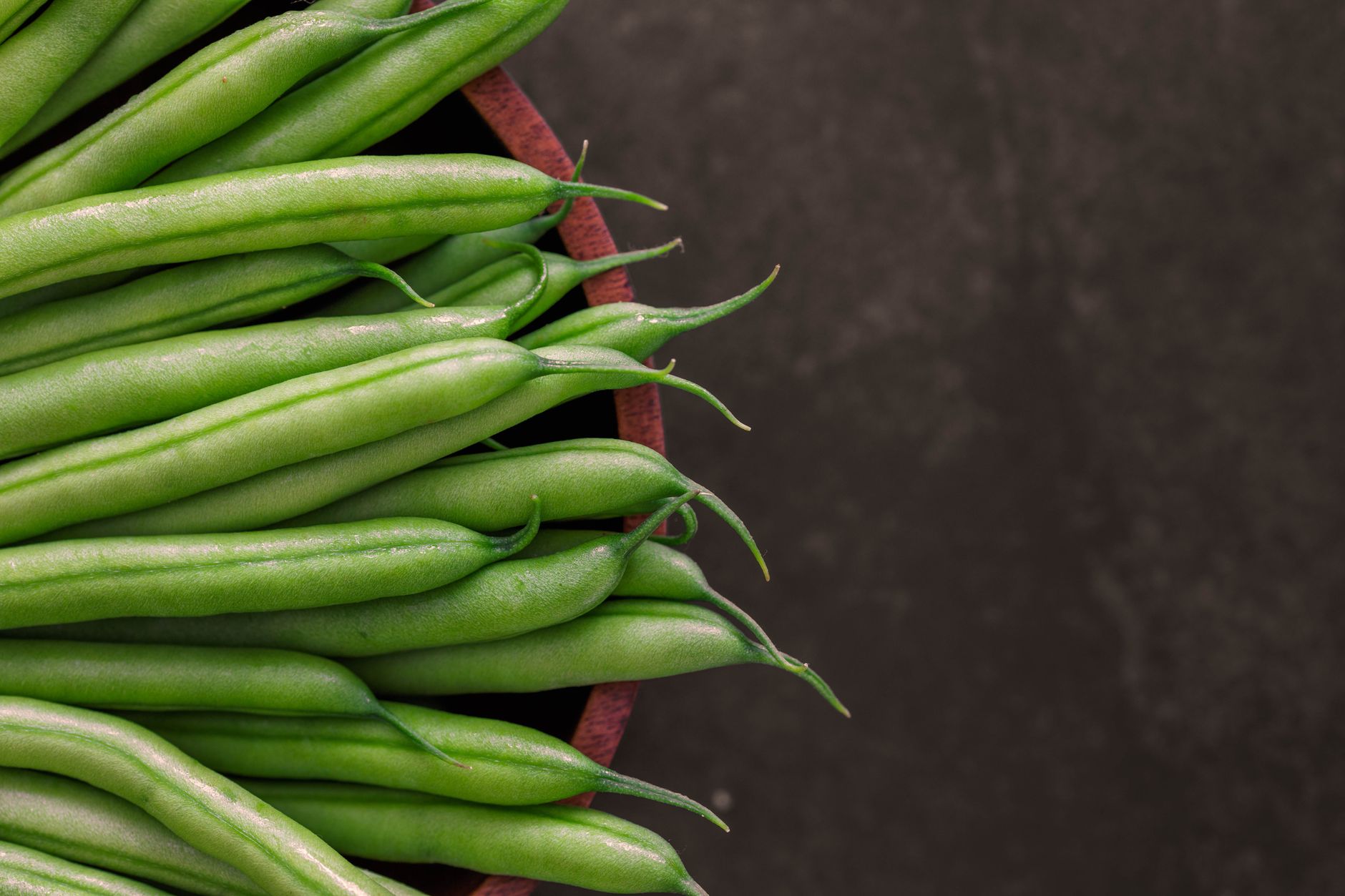
Look for beans that are firm, bright green, and free of blemishes or brown spots. Fresh beans snap easily when bent, signaling crispness. Avoid limp or wrinkled beans, which indicate age. For best quality, store unwashed beans in a perforated plastic bag in the refrigerators crisper drawer. They typically keep well for 57 days.
Seasoning and flavor ideas for green beans
Green beans pair well with flavors like garlic, lemon, nutmeg, and fresh herbs such as thyme or parsley. Toasted nuts like almonds or pine nuts add a delightful crunch. A light drizzle of good quality extra virgin olive oil or a sprinkle of Parmesan cheese can elevate the dish. For a Middle Eastern touch, try sumac or zaatar spicesboth Halal-certified and rich in flavor.
Avoiding common mistakes when cooking green beans
Overcooking green beans is the most frequent error; it results in a mushy texture and dull color. Always watch your timing carefully. Under-seasoning is another common pitfalldont skimp on salt or complementary spices. Finally, avoid overcrowding your pan or baking sheet, which causes steaming rather than roasting, resulting in soggy beans.

Expert Advice and Real Experience
Renowned chef Amina Hassan, who specializes in Halal and health-focused cooking, suggests, Roasting green beans brings out their natural sweetness and maintains their nutrients without added fat. Its a simple technique that any home cook can master. Her recipes often highlight vibrant, clean-label ingredients that complement green beans perfectly.
Many of our readers have shared success stories after switching to roastingunanimously praising the improved texture and taste. One shared, I never realized baking could make green beans taste like a gourmet side dish! Incorporating fresh herbs and spices into your cooking elevates the meal without compromising dietary principles.
If youre interested in incorporating more plant-based options into your diet alongside green beans, you might enjoy exploring vegetarian foods high in protein or checking out the best foods for diabetics for balanced nutrition tips that complement your meals.
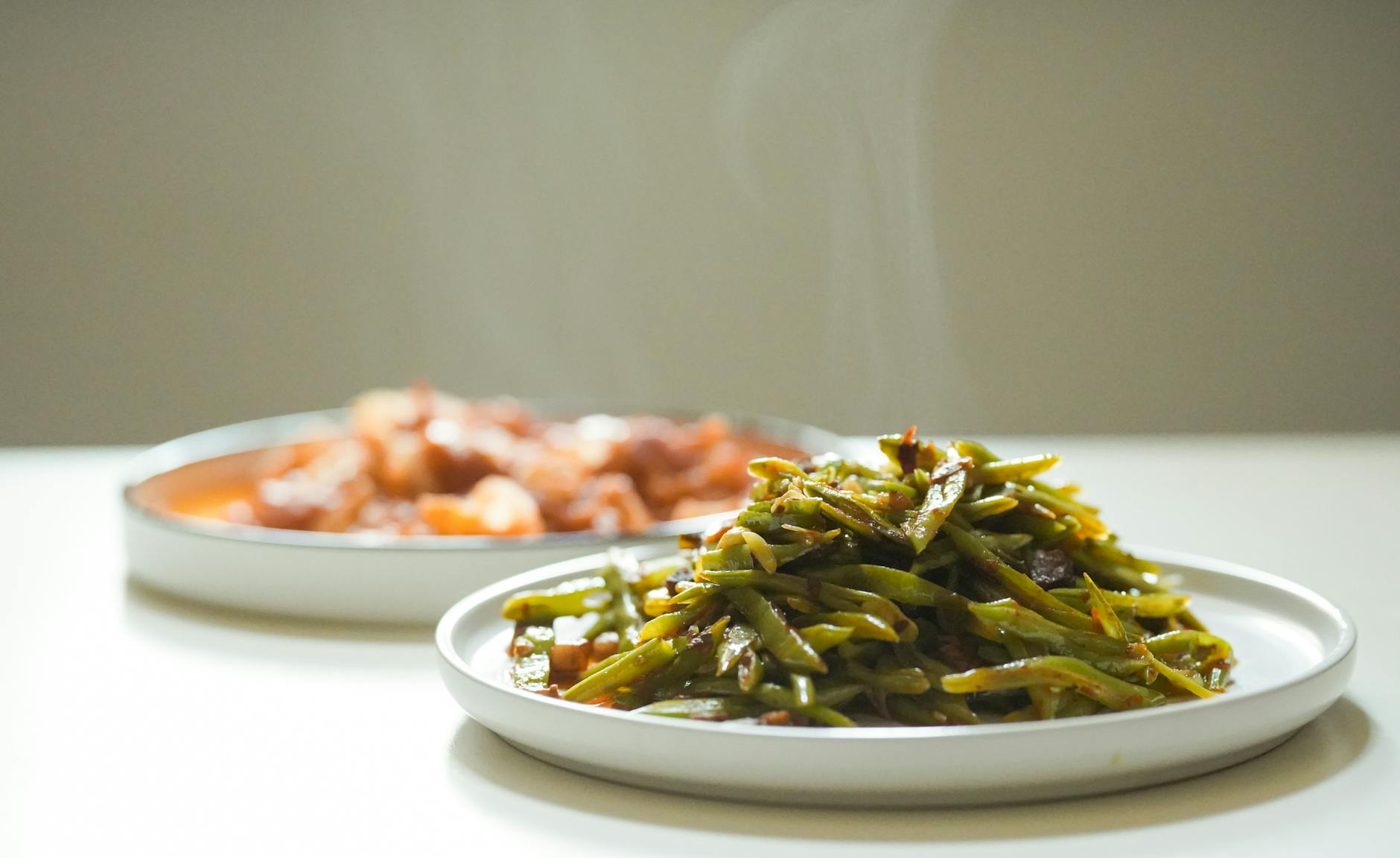
When is the best time to eat/drink green beans?
Green beans can be enjoyed year-round, but fresh, local green beans taste best in late spring through summer. Eating them shortly after cooking preserves nutrients and texture. Including green beans alongside your balanced mealespecially during lunch or dinnerhelps add fiber, vitamins, and minerals for sustained energy.
Are green beans Halal what should I check?
Green beans themselves are naturally Halal as a vegetable. When purchasing packaged green beans or frozen varieties, look for trusted Halal certification logos such as JAKIM, HMC, or IFANCA on the label to ensure the product meets your dietary standards. Also, check ingredient lists for added flavorings or sauces that may not be Halal-certified.
How long do cooked green beans last?
Cooked green beans stored in an airtight container keep fresh in the refrigerator for 45 days. To maintain texture, reheat gently in a skillet over low heat or use the oven. Avoid microwaving for extended times to prevent sogginess.
Can you freeze green beans after cooking?
Yes, cooked green beans freeze well. Blanch them first by boiling for 2-3 minutes then rapidly cooling in ice water. Drain, pack into freezer-safe bags, and freeze for up to 8 months. When reheating, roast or saut directly from frozen for best texture.
What seasoning pairs best with roasted green beans?
Simple salt and pepper work great, but fresh garlic, lemon zest, and cracked black pepper elevate flavors beautifully. Herbs like thyme, rosemary, or oregano add aromatic notes. A sprinkle of chili flakes adds a gentle kick if you prefer spicy touches.
Is steaming or roasting better for nutrition?
Roasting maintains more nutrients due to less water contact but slightly longer cooking time. Steaming preserves vitamin C well but keeps flavor subtler. Both methods are healthy choices compared to boiling. The best choice depends on your texture and flavor preference.
Should green beans be soaked before cooking?
Rinsing green beans under cold water is sufficient. Soaking is unnecessary and can soften the beans prematurely. Trimming the ends before cooking helps ensure even texture.
Pro Tips for Cooking Green Beans
- Dont skip trimming: Removing the fibrous stem ends improves mouthfeel dramatically.
- Use fresh, quality olive oil: It enhances flavor and adds healthful fats.
- Mind your timing: Cook beans just 10-15 minutes for roasting or baking to keep that perfect crisp-tender bite.
- Try finishing with acid: A squeeze of lemon juice or a splash of vinegar brightens green beans and balances richness.
More You Might Like
Explore our carefully curated guide on Vegetarian foods high in protein to add wholesome plant proteins to your diet alongside fresh veggies. For menu ideas that combine nutrition and taste, see our tips on Best foods for diabetics.
Next time you shop for green beans, check the label for freshness and certification, and consider trying roasting or baking instead of boiling. Youll be surprised how these simple changes lift your dish to another level. Give it a go and please let us know how it turns out!
FAQs
When is the best time to eat or drink cook green beans?
Green beans taste best when fresh and local, typically late spring through summer. Enjoy them soon after cooking to preserve nutrients and texture. Including cooked green beans at lunch or dinner adds fiber, vitamins, and minerals for balanced energy throughout the day.
Is cook green beans actually Halal — what should I check on the label?
Green beans themselves are naturally Halal. For packaged or frozen varieties, check for trusted Halal certifications like JAKIM, HMC, or IFANCA. Also, review ingredient lists to avoid non-Halal additives or sauces and ensure the product meets your dietary requirements.
How long do cooked green beans last?
Cooked green beans stored in an airtight container stay fresh in the refrigerator for about 4-5 days. To maintain texture, gently reheat on the stovetop or in the oven rather than microwaving for extended periods, which can cause sogginess.
What is the difference between roasting and boiling green beans?
Boiling often causes nutrient loss and soft, mushy texture due to water exposure. Roasting caramelizes natural sugars, preserving nutrients and creating a crisp-tender texture with rich flavor. Roasting heightens taste while boiling is quicker but less flavorful and nutritious.
Where can I buy fresh and Halal-certified green beans?
Fresh green beans are available at local farmers’ markets, grocery stores, and halal-certified supermarkets. Check labels for Halal certification and freshness. Buying from trusted sellers and choosing bright, firm beans ensures quality and compliance with dietary standards.