If you love cooking and want to unlock authentic flavors, Japanese sauces are a game-changer. These sauces bring rich, balanced tasteumami, sweetness, saltiness, and aciditythat lifts dishes without overwhelming them. Japanese sauces are staples in many kitchens because theyre versatile, easy to use, and connect you to a deeply traditional food culture. Whether youre making noodles, grilling fish, or dipping fried foods, having a few of these sauces on hand will elevate your meals instantly.
What Are Japanese Sauces?
What makes a sauce Japanese?
Japanese sauces stand out because of their core ingredients and flavor profiles shaped by centuries of tradition. Most include soy sauce (shoyu), mirin (sweet rice wine), dashi (broth from kelp and bonito), miso (fermented soybean paste), and rice vinegar. These ingredients combine to create layers of umami, a savory taste that resonates deeply with the palate.
Ingredients commonly used
- Soy sauce (fermented soybeans, wheat, salt)
- Mirin (sweet cooking rice wine)
- Miso (fermented soybean paste in various shades)
- Dashi stock (kelp, bonito flakes, shiitake mushrooms)
- Rice vinegar (mild acidity)
- Sesame paste or seeds (nutty undertones)
All these ingredients are natural and offer a balance of salty, tangy, sweet, and umami that defines Japanese cuisine.
How do traditional Japanese sauces enhance dishes?
Japanese sauces arent just salty or sweetthey balance flavors harmoniously. Umami acts as a flavor enhancer, making ingredients pop without masking them. Sweetness from mirin or sugar tones down harsh saltiness, while acidity from vinegar or citrus brightens soups and salads. Together, these sauces create that signature clean and complex taste.
Flavor balancing principles
- Umami: Depth and savoriness
- Sweetness: Mild, natural balancing
- Acidity: Brightness, cutting fattiness
- Saltiness: seasoning and preservation
Why keep Japanese sauces in your pantry?
Stashing a few trusted Japanese sauces means you can whip up delicious meals fast. They offer convenience and versatility perfect for marinades, dipping sauces, dressings, or finishing glazes. Plus, many have a long shelf life when sealed, so you wont waste food.
Convenience and versatility examples
- Use mentsuyu as a quick noodle broth base
- Brush teriyaki sauce on grilled chicken or fish
- Add ponzu for a refreshing citrus dip
- Drizzle tonkatsu sauce for fried food with tang and sweetness
Keeping a few sauces handy lets your cooking feel more authentic and effortless.
The Essential 12 Traditional Japanese Sauces
What is Shoyu (Soy Sauce)?
Shoyu is arguably the most famous Japanese sauce. Its fermented soy sauce made with soybeans and wheat, offering a rich, salty umami flavor. There are light and dark versionslight for seasoning and dipping, dark for cooking and glazing.
Typical uses and flavor profile
Shoyu is incredibly versatile: use it as a table condiment, marinade base, or soup seasoning. It adds salty depth without overpowering other ingredients.
Tips for selecting authentic Shoyu
Look for naturally brewed shoyu with a clean labelsimple ingredients and no MSG or artificial preservatives. Certified Halal brands like Yamasa ensure it suits dietary needs.
Expert insight
Regionally, Kansai-style soy sauce is lighter and sweeter, while Kanto-style is darker and saltier. Choose based on your dish.
Potential health notes
Contains approximately 920 mg sodium per tablespoon, so use moderately if monitoring salt intake.
What is Ponzu?
Ponzu is a citrus-flavored soy sauce with a refreshing tang. It blends soy sauce, rice vinegar, mirin, and citrus juice such as yuzu or lemon.
Typical uses and flavor profile
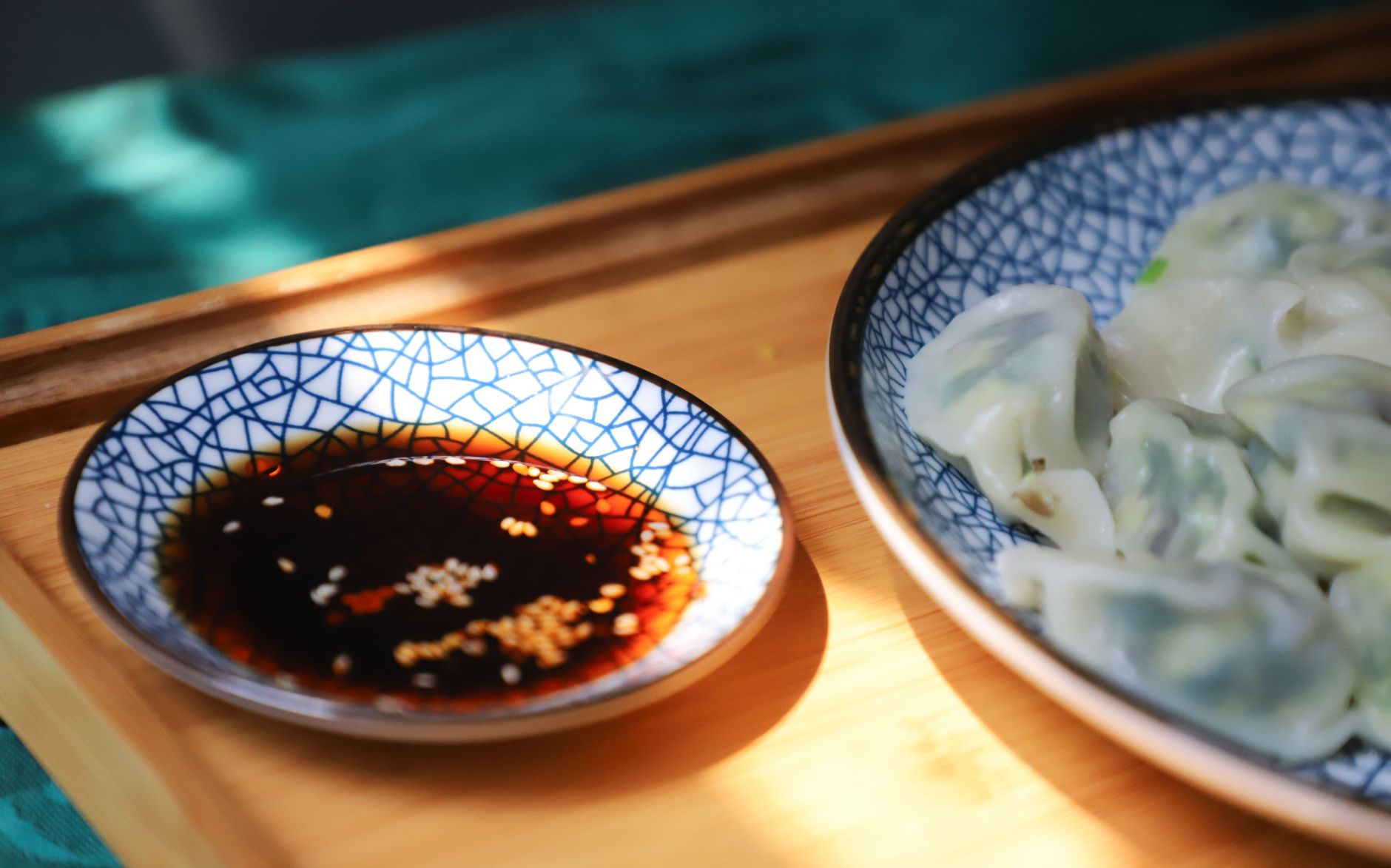
Commonly a dipping sauce for sashimi, dumplings, and hotpot. Its light, tart, and savorya great palate cleanser.
Tips for selecting authentic Ponzu
Check for real citrus content in the ingredient list. Avoid overly sweet versions with artificial flavors.
Expert insight
Regional ponzu with yuzu has a unique aromatic punch preferred by many chefs.
Potential health notes
Less salty than plain soy sauce, ponzu has about 600 mg sodium per tablespoon.
What is Tare?
Tare is a thick, sweet-savory grilling sauce made from soy sauce, mirin, sugar, and sometimes sake. Its used for basting yakitori and other grilled foods.
Typical uses and flavor profile
Think glossy, caramelized meat glazes packed with umami sweetness.
Tips for selecting or making authentic versions
Look for tare with minimal additives. Homemade tare is simply soy sauce simmered with mirin and sugar until thick.
Expert insight
Different regions add ginger or garlic for layered flavor.
Potential health notes
Typically high in sugar; moderation is key.
What is Mentsuyu?
Mentsuyu is a noodle soup base combining dashi, soy sauce, mirin, and sugar. Its a savory broth concentrate.
Typical uses and flavor profile
Perfect for soba, udon, and dipping sauces. It has a balanced salty-sweet depth with a clean seafood aroma from dashi.
Tips for selecting authentic versions
Ensure its made with real dashi stockavoid powder-filled substitutes.
Expert insight
Some makers add a hint of sake or kombu for richness.
Potential health notes
Contains up to 800 mg sodium per serving; dilute according to taste.
What is Goma (Sesame Sauce)?
Goma is a nutty sesame paste sauce often combined with soy sauce and sugar for dressing salads and cold noodles.
Typical uses and flavor profile
Rich, slightly sweet, and deeply aromaticgreat for dipping or drizzling.
Tips for authentic selection
Look for sauces using toasted sesame seeds without fillers or preservatives.
Expert insight
Some recipes blend tahini and soy sauce for similar, easy homemade versions.
Potential health notes
Calorie-dense and can contain allergens; check sesame content if allergic.
What is Tonkatsu Sauce?
Tonkatsu sauce is a thick, fruity, and tangy sauce used for fried pork cutlets. It balances sweetness and acidity.
Typical uses and flavor profile
Widely used on fried meats, it has a ketchup and Worcestershire sauce base.
Tips for authentic brands
Choose sauces with natural ingredients and no artificial coloring; some brands are Halal-certified.
Expert insight
The sauces rich fruitiness comes from apples and tomatoes blended in the recipe.
Potential health notes
Contains sugar and salt; around 70 calories per tablespoon.
What is Unagi Sauce?
Unagi sauce, or eel sauce, is a sweet, thick soy-based glaze brushed on grilled eel dishes.
Typical uses and flavor profile
Caramelized, smoky, and sweet; also great on other grilled dishes like chicken or tofu.
Tips for selecting authentic sauce
Look for authentic unagi sauce containing soy sauce, sugar, mirin, and sake with minimal additives.
Expert insight
Careful simmering thickens the sauce to a syrupy consistency.
Potential health notes
High in sugar but adds immense flavor with small amounts.
What is Okonomiyaki Sauce?
Okonomiyaki sauce is a sweet-savory topping made for the popular savory Japanese pancake, okonomiyaki.
Typical uses and flavor profile
It tastes like a cross between Worcestershire and barbecue saucethick, tangy, and sweet.
Tips for selection
Opt for low additive sauces to avoid unnecessary preservatives.
Expert insight
Combining it with Japanese mayonnaise creates the classic okonomiyaki finish.
Potential health notes
Contains moderate sugar and salt.
What is Takoyaki Sauce?
Takoyaki sauce is very similar to okonomiyaki sauce but sometimes slightly sweeter and thicker.
Typical uses and flavor profile
Used on takoyaki (octopus balls), it has a tangy, slightly fruity taste that complements fried dough.
Tips for authentic sauce
Look for sauces made with natural ingredients and Halal certification when possible.
Expert insight
A blend of soy sauce, sugar, and vinegar variations are common.
Potential health notes
Contains comparable sugar levels to okonomiyaki sauce.
What is Japanese Mayonnaise?
Unlike Western mayo, Japanese mayonnaise (like Kewpie) is creamier, slightly sweeter, and made with rice vinegar and egg yolks.
Typical uses and flavor profile
Used as a dip or drizzle for okonomiyaki, takoyaki, salads, and sandwiches. It adds creamy, tangy richness.
Tips to select trusted brands
Look for Halal certification logos like JAKIM or HMC for assurance.
Expert insight
Its velvety texture comes from egg yolks rather than whole eggs.
Potential health notes
Contains fat and calories; use in moderation.
What is Sukiyaki Sauce?
Sukiyaki sauce is a simmering hotpot base, combining soy sauce, sugar, and mirin to create a savory-sweet broth.
Typical uses and flavor profile
Its tenderly sweet and salty, perfect for cooking thinly sliced beef and vegetables.
Tips for authentic versions
Choose sauces with real mirin rather than synthetic versions for richer flavor.
Expert insight
Often eaten dipped with raw egg in Japan for a silky finish.
Potential health notes
High in sugar and sodium; enjoy in small portions.
What is Teriyaki Sauce?
Teriyaki sauce is a sweet soy glaze perfected for grilling and stir-frying. Its soy sauce, mirin, sugar, and sometimes sake reduced to a sticky, shiny finish.
Typical uses and flavor profile
Used on chicken, salmon, and vegetables, it gives a glossy, rich sweetness and umami hit.
Tips for selecting quality teriyaki
Look for sauces with simple natural ingredients and no preservatives or artificial sweeteners.
Expert insight
Homemade teriyaki can be made by simmering soy sauce, mirin, sugar, and ginger for 10 minutes.
Potential health notes
Moderate sugar content; about 50 calories per tablespoon.

Japanese Dipping Sauces
What makes a great Japanese dipping sauce?
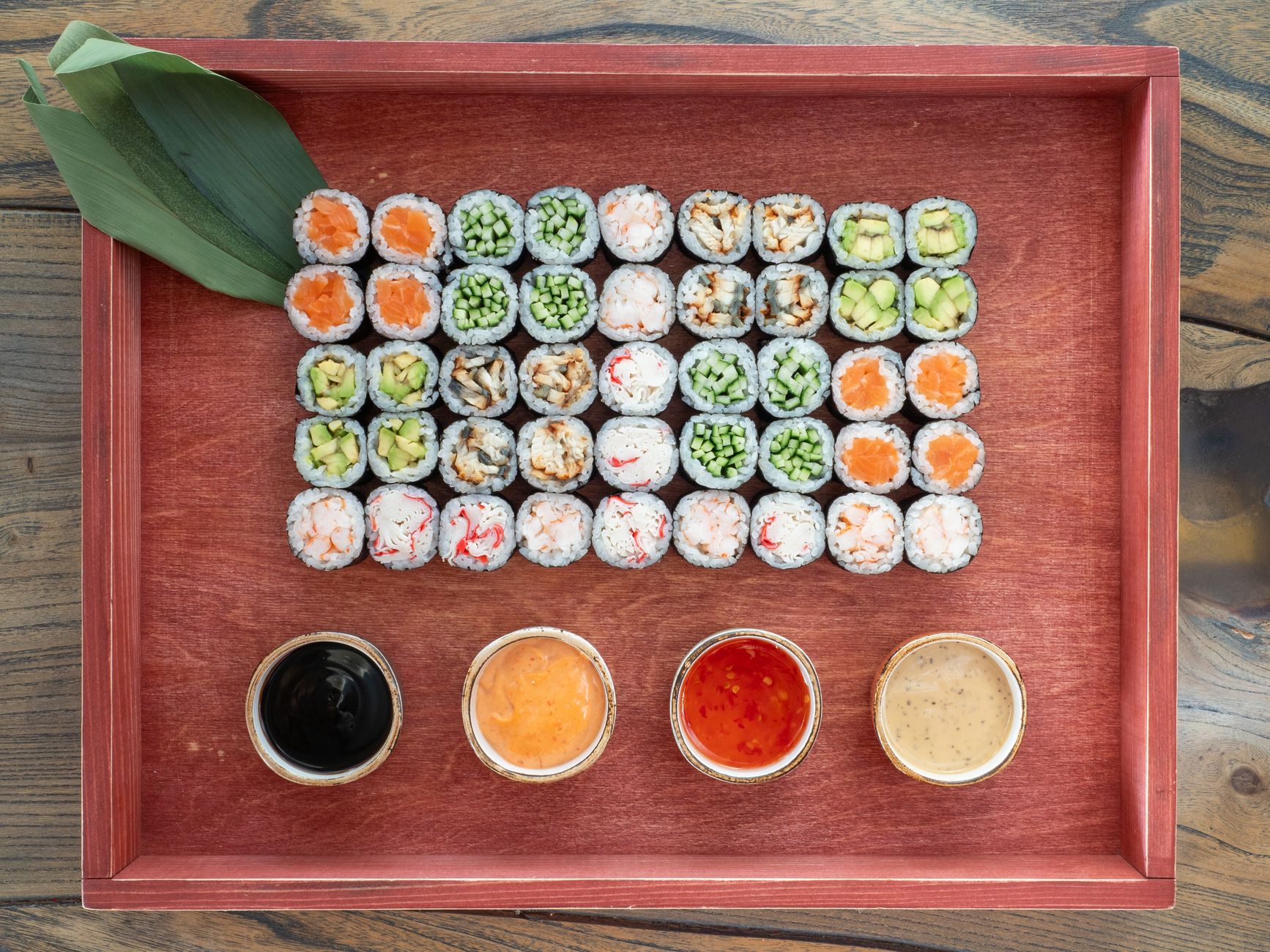
A good dipping sauce is about balance. It must complement the main foods flavor without overwhelming it. Saltiness, acidity, and umami all work together, often enhanced with grated ginger, scallions, or chili for freshness and brightness.
Ingredients and balancing flavors
- Soy sauce or ponzu as a salty base
- Fresh citrus or vinegar for acidity
- Sweetness from mirin or sugar
- Awakening vibrancy from fresh herbs and spices
Popular dipping sauces for hotpot and fried foods
Mentsuyu and goma dare (sesame sauce) are favorites for hotpot. Tonkatsu sauce pairs beautifully with fried pork or chicken. Ponzu, with fresh grated daikon or chili, brightens tempura or sashimi.
How to customize with fresh add-ins
Try mixing ponzu with grated ginger or adding scallions to goma sauce for extra zing. A dollop of wasabi or yuzu kosho adds complexity without bulk.
How do dipping sauces differ from pantry sauces in Japan?
Dipping sauces tend to be thinner or lighter, designed for immediate use, focusing on freshness. Pantry sauces like tare or teriyaki are thicker, often cooked down and stored longer for glazing or seasoning.
Storage and Usage Tips
Shelf life and storage tips
Most traditional Japanese sauces last well in the pantry unopenedanywhere from 6 months to 2 years. Once opened, keep them refrigerated and sealed tightly. For example, soy sauce lasts 612 months after opening; teriyaki and tare sauces about 36 months in the fridge.
Combining sauces for unique flavors
Mix ponzu and goma for a tangy-sesame dip or combine mentsuyu with grated ginger for an easy noodle sauce. Experiment with ratios starting at 2:1 (base to add-in) to find your favorite blend.
Trusted brands and homemade alternatives
For Halal-conscious shoppers, brands certified by JAKIM, HMC, or IFANCA are reliable. For homemade sauces, basic pantry ingredients and simple simmering techniques often yield fresher results without preservatives.
Avoiding common pitfalls
Beware of sauces heavy in artificial colors, high fructose corn syrup, or excessive sodium. Read labels carefullynatural fermentation and recognizable ingredients indicate quality.
Health Benefits and Considerations
Upsides of Japanese sauces
The rich umami in these sauces allows you to use less salt or fat for flavor. Many sauces contain fermented ingredients, which may support gut health, like miso and soy sauce according to some nutritional studies.
Risks
Many Japanese sauces have high sodium levels: soy sauce and tare can contain 800900 mg sodium per tablespoon. Some contain allergens like wheat, soy, or sesame. Additionally, sauces like tonkatsu and teriyaki can have added sugars.
Balancing flavor with health
Use sauces sparingly and pair with fresh ingredients to avoid excess salt or sugar. Dilute concentrated sauces like mentsuyu with water or broth.
Real-world mindful use
Japanese chefs recommend tasting as you goadding small amounts until balance is just right. Brands offering low-sodium soy sauce or no-sugar-added versions help health-conscious consumers enjoy authentic taste with less worry.
Is Japanese sauces actually Halal what should I check?
Look for certification logos from recognized bodies like JAKIM, HMC, or IFANCA on the bottle. Halal-certified sauces ensure the ingredients and production process avoid alcohol or non-Halal additives, which can sometimes be present in mirin or sake-based sauces.
When is the best time to eat Japanese sauces?
Japanese sauces are best used fresh when cooking, glazing, or as dipping sauces for meals. Use mentsuyu cold as dipping sauce in summer and warm as a broth base in winter. Teriyaki and sukiyaki sauces shine during grilling and hotpot seasons.
Which Japanese sauce is best for beginners?
Start with shoyu (soy sauce) and ponzu. Theyre versatile, easy to use, and widely available. Once comfortable, experiment with more specialized sauces like tare or goma.
Can Japanese mayonnaise be used in cooking?
Absolutely. Its creaminess is great for dressings, dips, or even baked dishes like okonomiyaki. Use it in salads or sandwiches to add tang and moisture.
Are there gluten-free Japanese sauces?
Yes, tamari is a gluten-free soy sauce alternative. Some brands label gluten-free; check to avoid wheat-based soy sauces, especially for celiac or gluten-sensitive diets.
How to reduce sodium when using Japanese sauces?
Dilute concentrated sauces like mentsuyu or tare with water or broth. Use low-sodium soy sauce options and balance salty flavors with acidic ingredients like citrus or vinegar.
Can I make Japanese sauces at home?
Yes, many sauces like teriyaki, tare, and goma can be made easily with pantry staples. Homemade sauces let you control sugar and salt content, and avoid preservatives.
What are the common allergens in Japanese sauces?
Most contain soy and wheat (in soy sauce), and sesame in goma sauce. Always check labels carefully if you have allergies. Halal-certified products often list these clearly.
Pro Tips for Japanese Sauces
The biggest mistake is buying cheap, artificially flavored sauces; they lack depth and authenticity. Opting for natural fermentation products delivers richer umami. Also, when making homemade versions, simmer low and slowhigh heat can burn sugars, ruining balance.
Experts suggest layering sauces. For example, brush tare on skewers multiple times during grilling to build a shiny glaze. Mix ponzu fresh with grated radish and chili to refresh heavy fried dishes.
When choosing brands, those with Halal certification provide extra confidence in ingredient quality and source, crucial for health-conscious and religious consumers.
More You Might Like
Discover how to navigate the Kodiak cakes recall for safe pantry choices. Or get expert advice on peel potatoes cooking to make your meal prep faster and easier.
Conclusion
Keeping a variety of Japanese sauces in your pantry unlocks authentic flavors with ease. Whether its soy sauce, ponzu, or teriyaki, these sauces boost taste and versatility in everyday cooking. Next time you shop, check the label for Halal certification and clean ingredients. Dont hesitate to experiment and find your favoritesthen share your experience in the comments below!
FAQs
Is Japanese sauces actually Halal — what should I check on the label?
To ensure Japanese sauces are Halal, check for certifications from recognized bodies like JAKIM, HMC, or IFANCA. These certified sauces confirm ingredients and processes exclude alcohol or non-Halal additives often found in mirin or sake-based sauces.
What is the typical shelf life of Japanese sauces after opening?
Once opened, most Japanese sauces last several months refrigerated; for example, soy sauce keeps 6 to 12 months, while teriyaki and tare sauces last about 3 to 6 months. Always keep bottles sealed tightly to maintain freshness.
How do Japanese sauces differ from other common cooking sauces?
Japanese sauces emphasize balanced umami with layers of sweetness, saltiness, and acidity. They often use fermented ingredients and minimal additives, providing a clean, complex flavor compared to heavier or more one-dimensional Western sauces.
Are Japanese sauces safe for daily consumption despite their sodium content?
Japanese sauces can be high in sodium, so it’s best to use them sparingly. Diluting concentrated sauces and choosing low-sodium options helps maintain a balanced diet without sacrificing authentic flavor.
Where can I buy authentic and Halal-certified Japanese sauces?
Authentic and Halal-certified Japanese sauces are available at specialty Asian grocery stores, online Halal food retailers, and major supermarket chains with international sections. Always check packaging for Halal certification logos to ensure compliance.