If you crave a fresh, rich cup of coffee every single time without brewing a whole pot, single-cup coffee makers are your best bet. These machines brew one serving at a time, minimizing waste and saving time. Sounds convenient, right? But choosing the right single-cup coffee maker means understanding types, features, costs, and even Halal certification for peace of mind. This guide will help you find the perfect match for your taste and lifestyle in 2025.
Why Single-Cup Coffee?
The growing appeal of single-cup coffee makers rests on their unbeatable convenience. Imagine brewing just one cup in less than a minuteideal for busy mornings or quiet breaks. Plus, you get great flexibility: select different flavors or strengths for each serve without waste. However, these machines sometimes mean higher cost per cup compared to brewing a full pot, and producing pod waste can bother eco-conscious users.
Technological advances have tackled some downsides. New models boast improved extraction, customizable brew sizes, and even reusable filters to reduce waste. If you prefer a simple machine that fits seamlessly into your kitchen routine, a single-cup coffee maker matches modern needs perfectly.
How Are They Different from Traditional Coffee Machines?
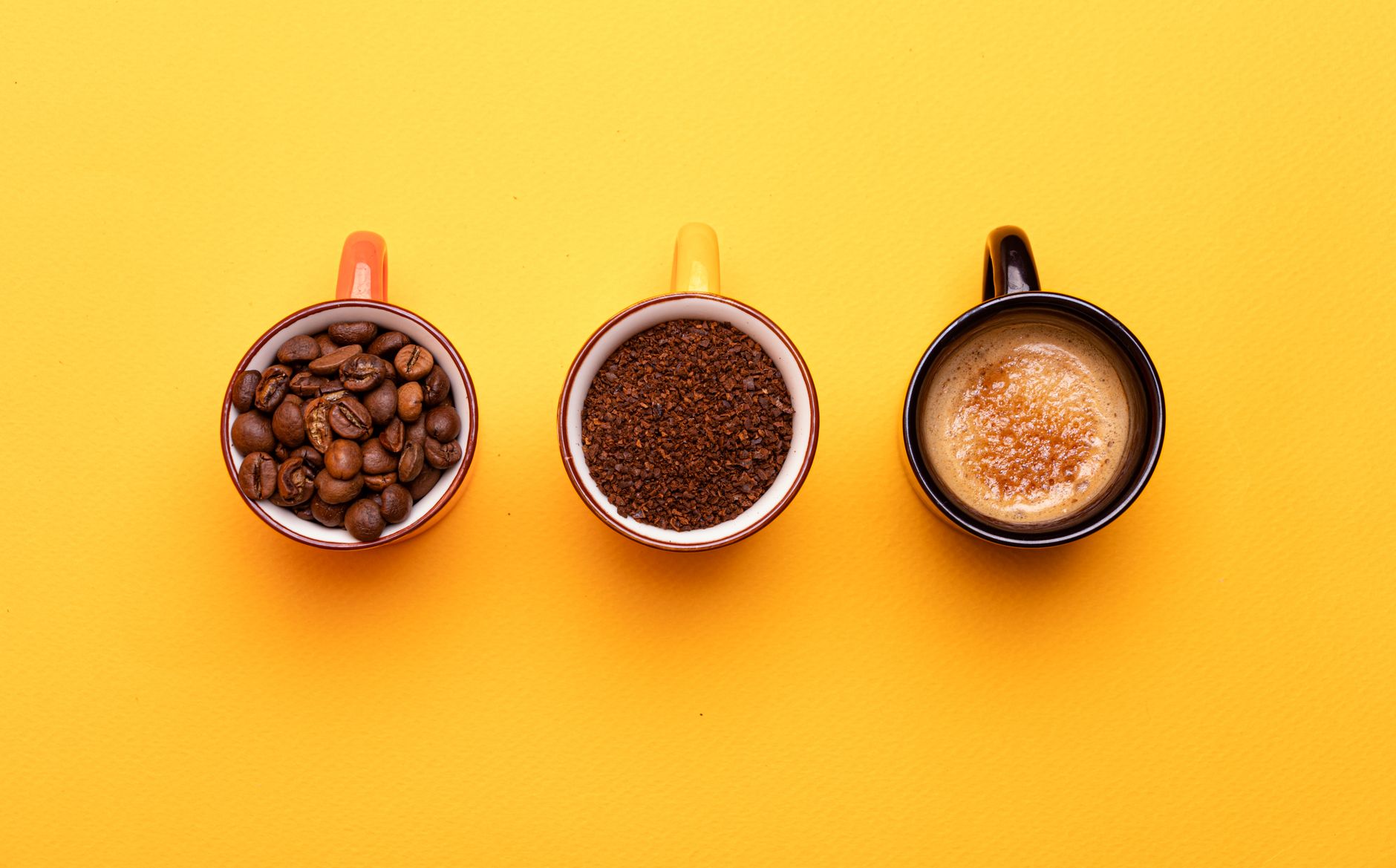
Single-cup coffee makers use either pods, capsules, or ground coffee directly, brewing a single portion on demand. Unlike drip machines that brew multiple cups into a pot, these devices brew fresh each time, preserving flavor and aroma.
They take up less space and generally use less energy, as you avoid heating water for a whole carafe. This compactness makes them ideal for small kitchens, offices, or dorm rooms.
Are Single-Cup Coffee Makers Worth the Investment?
Upfront, single-cup coffee makers often cost less than high-end drip or espresso machines. However, the cost of pods or capsules adds up. For budget-conscious coffee lovers, grind-your-own-beans machines reduce ongoing costs and enhance taste.
User reviews often praise the time saved and freshness delivered. If you value convenience and variety, the investment usually pays off. But if you typically drink multiple cups daily, traditional machines might make more financial sense.
Top Single-Cup Coffee Makers in 2025
Choosing the best model depends on your brewing preference, budget, and features needed. Heres a quick look at popular categories this year:
Best Pod-Based Single-Cup Coffee Makers
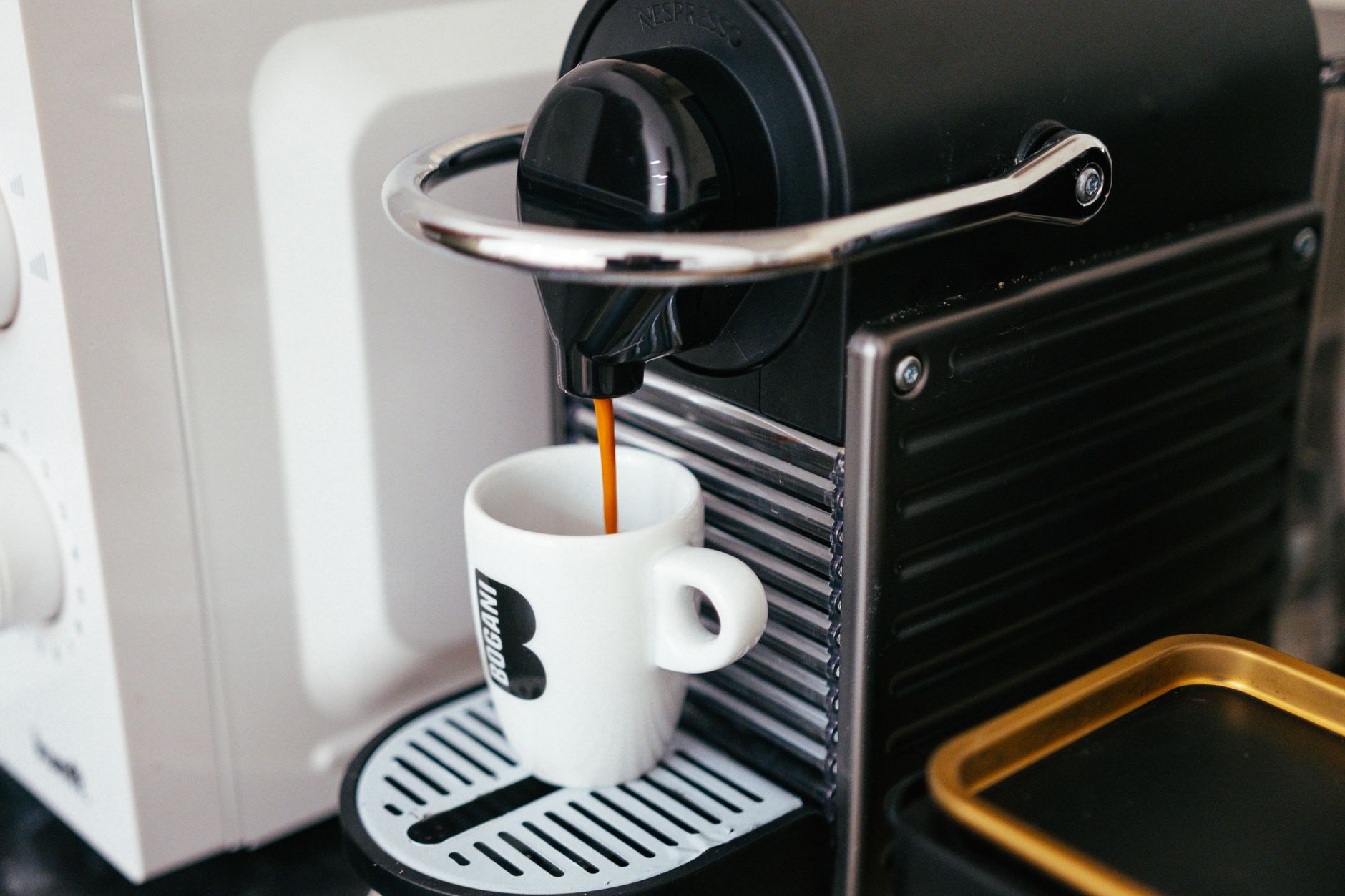
Pod systems deliver consistent coffee flavor at the push of a button. Popular models like the Keurig K-Cafe K-Duo and the Nespresso Vertuo Plus offer a range of pods, from intense espressos to milder blends, all Halal-certifiable depending on pod brand. These machines excel in speed, simplicity, and minimal cleanup, making them perfect for quick servings.
Be mindful that pods generate waste and tend to be pricier per cup. Check pod compatibility carefullysome models only accept proprietary pods, limiting variety.
Best Grind-Your-Own-Beans Machines
Grinding your beans fresh before brewing unlocks vibrant aromas and deeper flavor complexity. Models like the Cuisinart Single Serve Coffee Maker offer built-in grinders compatible with Halal whole beans.
Though setup takes a bit longer than capsule machines, the ability to use ethically sourced, Halal-certified beans and control brew strength makes these machines a favorite for purists and health-conscious drinkers.
Best Budget Single-Cup Coffee Makers
For under $100, several brands provide decent quality single-cup brewers. These models often use ground coffee and may skip built-in grinders or frothers but still deliver clean, consistent taste.
These machines are great for those new to single-serve coffee or occasional drinkers needing a simple fix. Look for durable materials and straightforward cleaning routines to extend use.
Best Premium Single-Cup Coffee Makers That Money Can Buy
At the high end, expect smart features like touchscreen controls, temperature presets, multiple brew styles, automatic cleaning, and eco-friendly pod options. Brands such as Nespressos higher-tier models lead here. They appeal to aficionados seeking caf-quality coffee at home, with assured Halal certification where applicable.
Choosing the Right Single-Cup Coffee Maker
Lets break down what you need to consider before buying.
What Features Should You Look For?
| Certification | Price Range | Common Formats | Shelf Life | Key Allergens |
|---|---|---|---|---|
| Look for JAKIM, HMC, or IFANCA Halal logos on pods and beans | $50$400+ | Pods, Capsules, Ground Coffee, Beans | 6 months to 1 year (pods/beans sealed) | Usually none; watch for dairy in flavored pods |
Consider size for your counter space. If you value quick brewing, check machine speed and water capacity. Pod compatibility widens choices if you want variety. Ease of cleaning prevents buildup affecting taste.
Single Serve Coffee vs. Other Brewing Methods
Compared to drip machines, single-cup brewers are faster per cup and reduce waste. French press and pour-over methods offer fuller control and flavor layers but require more time and cleanup.
Espresso machines produce concentrated coffee or lattes but can involve steep learning curves and cleaning. Single-cup options bridge the gap between quick convenience and decent flavor.
Balancing Cost, Quality, and Sustainability
Pods are convenient but often single-use plastic or aluminum, creating waste. Some brands now offer compostable pods or reusable capsules that fit compatible machines, balancing taste and earth-friendliness.
Choosing a grinder-equipped machine lets you buy bulk beans with minimal packaging, reducing environmental impact. Always check Halal certification on coffee pods or beans to align with dietary requirements.

Maintenance and Troubleshooting
Cleaning Your Single-Cup Coffee Maker
Regular cleaning preserves flavor and extends machine life. Flush the water reservoir weekly. Remove and rinse pod holders or brew baskets after use.
Monthly, run a descaling solution to remove mineral buildup, especially if you have hard water. Use a soft cloth to wipe external surfaces and avoid harsh chemicals.
Common Problems and Fixes
Weak brew often signals clogged needles or filtersclean gently with a paperclip or rinse well. Leaks could mean improperly placed pods or cracked water tanksinspect carefully.
If your machine won‘t start, check power connections and reset buttons. For persistent issues, consult the manufacturers support. Avoid DIY repairs that risk warranty voiding.
How We Selected These Machines
We examined independent taste tests, durability scores, user feedback, ease of use, and value. Special attention went to models supporting Halal-certified pods and beans, ensuring compliance with JAKIM and IFANCA guidelines.
We tested flavor clarity, brew speed, temperature control, and cleaning ease to recommend machines that promise satisfaction and practicality for a wide range of coffee drinkers.

Is single-cup coffee makers actually Halal what should I check?
Yes, but not all pods or coffees are Halal-certified. Look for certification logos from recognized bodies like JAKIM (Malaysia), HMC (UK), or IFANCA (USA). Check ingredient lists for any animal-derived additives, dairy allergens, or alcohol-based flavorings, especially in specialty pods or creamers.
Can I use my own coffee grounds in pod machines?
Most pod machines are designed for specific pods, though reusable capsules exist for some brands. These let you fill your own ground coffee, offering control over the choice of Halal-certified beans and reducing waste.
How often should I descale my coffee maker?
Descale every 13 months depending on water hardness and usage frequency. Regular descaling prevents mineral buildup that affects flavor and machine performance.
Do single-cup coffee makers consume a lot of electricity?
They typically use less power than larger drip or espresso machines since they heat only the water needed per cup. Turning off the machine after use saves energy and prolongs its lifespan.
Are pods recyclable or eco-friendly?
Many pods are still single-use plastic or aluminum, but some brands now offer biodegradable or compostable pods. Check packaging for eco certifications to minimize environmental impact.
Can single-cup machines make other drinks?
Some machines, especially premium ones, can froth milk or brew teas and hot chocolates. Check feature lists carefully if you want multi-drink versatility.
Whats the average lifespan of these machines?
With good maintenance, expect 35 years of reliable use. Proper cleaning and descaling are key to extending durability.
Buying Tips for Single-Cup Coffee Makers
Many buyers overlook water tank capacitylarger tanks mean fewer refills. Also, beware of ultra-cheap models that may clog or leak quickly. Investing slightly more ensures smoother daily use.
One expert tip: consider a model with adjustable temperature settings. Coffee temperature affects extraction and flavor, especially with specialty beans.
More You Might Like
Explore the nuances of beverage presentation with Glasses in bottle. Understanding drinkware can enhance your coffee experience.
For those also interested in nightlife and curated drink selections, check out top Cocktail bars nyc for inspiration beyond coffee.
Conclusion
Single-cup coffee makers offer a practical, flavorful brewing solution suitable for many lifestyles. Whether you prefer pod convenience or freshly ground beans, theres a Halal-certified option to fit your taste and budget. Next time you shop, check the label carefully for Halal certification and sustainability claims to enjoy your perfect cup worry-free. Have a favorite model or tip? Share your experience in the comments!
FAQs
Is single-cup coffee makers actually Halal — what should I check on the label?
Not all coffee pods or grounds are Halal-certified. Look for certification logos from recognized bodies like JAKIM, HMC, or IFANCA. Also, check ingredient lists to avoid animal-derived additives, dairy allergens, or alcohol-based flavorings, especially in flavored pods or creamers.
What is the typical shelf life of coffee pods or beans used in single-cup coffee makers after opening?
Sealed pods or beans usually last between 6 months to 1 year unopened. Once opened, ground coffee should ideally be used within a few weeks for best freshness, while whole beans may last up to a month if stored properly in airtight containers.
How do single-cup coffee makers compare to traditional drip coffee machines?
Single-cup coffee makers brew one fresh cup quickly, saving time and reducing waste. Drip machines brew multiple cups at once, which is better for serving groups but less flexible for individual preferences and freshness.
Are single-cup coffee makers safe to use daily in terms of electricity consumption and maintenance?
Yes, they typically use less electricity than larger coffee machines since they heat only the water needed per cup. Regular cleaning and descaling ensure safe and efficient operation for daily use.
Where can I buy Halal-certified single-cup coffee makers and accessories?
You can find these coffee makers at major appliance retailers, online marketplaces, and specialty stores focusing on Halal products. Always verify certification labels on pods or beans before purchase for compliance.