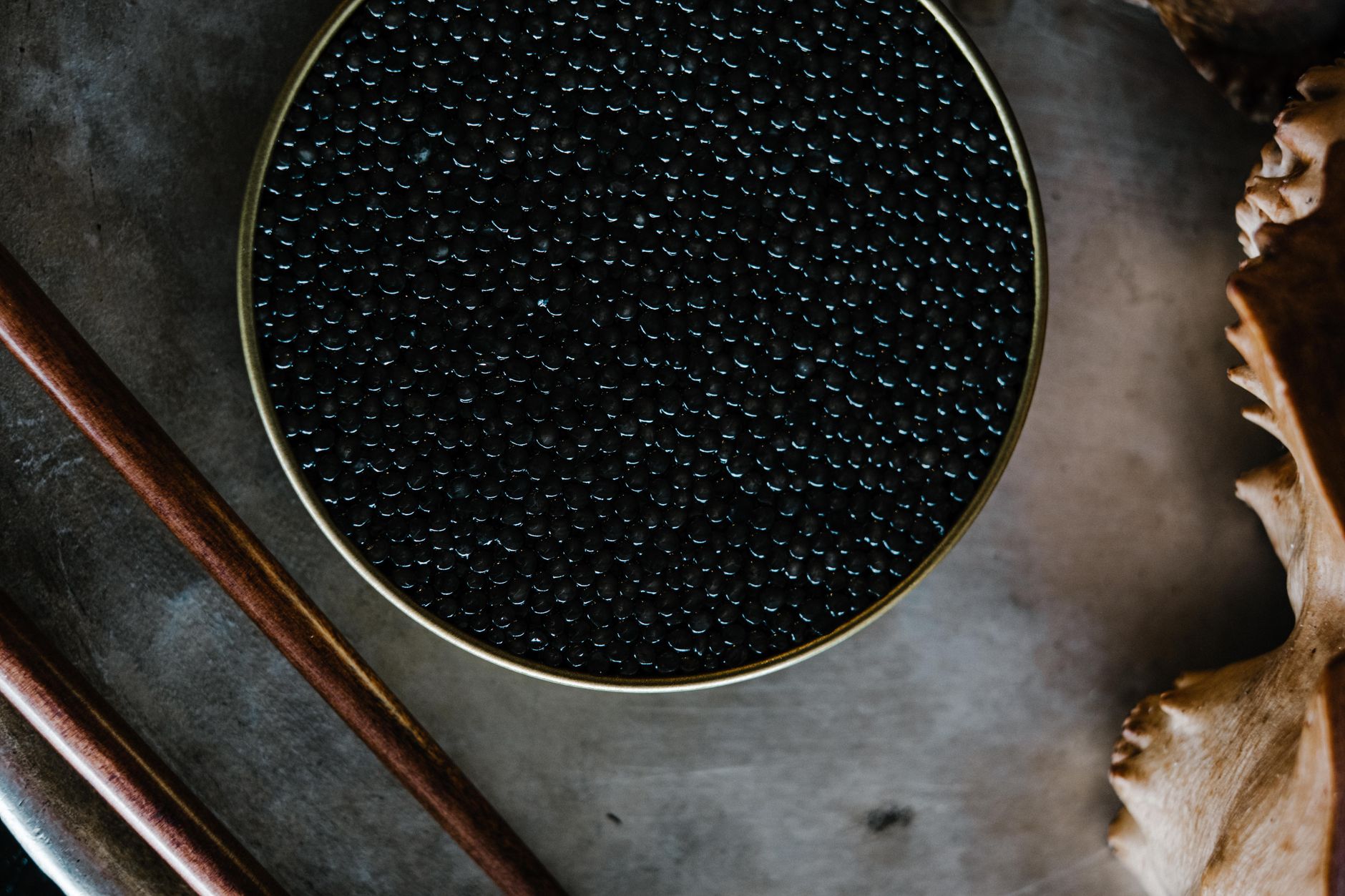
Caviar usually calls to mind luxury dining and sky-high prices. Yet lumpfish caviar price often surprises people who discover it as a more budget-friendly alternative. Why does lumpfish caviar cost so much less than Beluga or Osetra? The answer lies in the type of fish, production methods, and market demand. If youre curious about affordable caviar options, lumpfish is a smart place to start your exploration.
What Is Lumpfish Caviar?
Defining Lumpfish Caviar
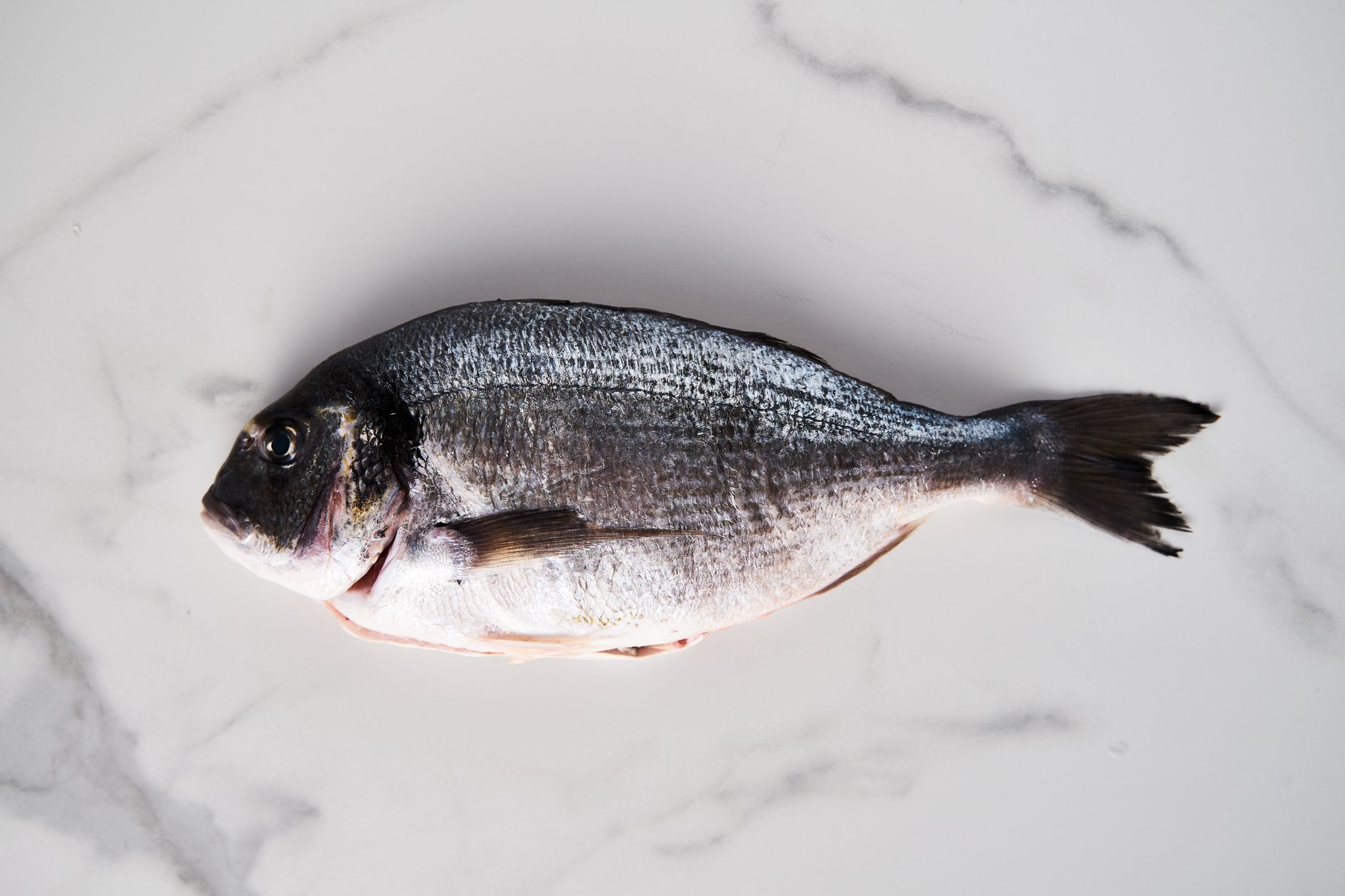
Lumpfish caviar comes from the eggs of the lumpfish, a small cold-water fish native to the North Atlantic and Arctic oceans. Unlike traditional sturgeon caviar, lumpfish roe is tiny, crunchy, and usually dyed black or red to mimic more expensive varieties. Its briny flavor is mild with a subtle tang, making it a popular garnish on canaps or seafood dishes.
Production involves harvesting wild lumpfish or farmed stocks, then gently rinsing and curing the eggs with salt. The process is simpler and faster than traditional sturgeon caviar production. This ease helps keep costs down without sacrificing the characteristic caviar feel many appreciate.
Comparing Lumpfish to Other Caviar Types
| Type | Flavor Profile | Price Range (per ounce) | Texture | Color |
|---|---|---|---|---|
| Beluga | Buttery, delicate, rich | $200 - $500 | Large, soft pearls | Gray to black |
| Osetra | Nutty, firm | $100 - $300 | Medium, firm pearls | Brown to golden |
| Sevruga | Strong, briny | $70 - $200 | Small, firm pearls | Dark gray to black |
| Lumpfish | Mild, tangy, crunchy | $10 - $25 | Very small, crunchy pearls | Black or red (dyed) |
While lumpfish caviar lacks the complex umami and buttery richness of sturgeon types, it delivers a satisfying burst of salt and texture. It fits perfectly as an affordable luxury for casual entertaining.
Why Is Lumpfish Caviar Price Lower?
Available Fish Source
Lumpfish are abundant in the colder Atlantic coasts and easily harvested in large quantities each spring during their spawning season. Unlike sturgeon, which take many years to mature and can be endangered, lumpfish reproduce quickly and are not threatened. This natural availability dramatically lowers raw material costs.
Additionally, lumpfish are farmed in controlled environments in some regions, increasing reliability and supply consistency. According to industry reports, lumpfish farming requires less feed and infrastructure, cutting production costs further.
Processing and Production Costs
Lumpfish caviar processing is straightforward: the eggs are rinsed, screened, lightly salted, sometimes dyed, and packed. There is no complex aging or manual sorting by hand like sturgeon caviar demands. This streamlined process reduces labor costs dramatically.
The shorter time from harvest to jar also means fresher stock with fewer storage and transport expenses.
Demand and Market Positioning
Lumpfish caviar is deliberately positioned as an affordable alternative in the growing daily luxury market. Brands often target consumers wanting the caviar experience without heavy investment. The widespread availability of lumpfish roe encourages experimentation by chefs and home cooks alike.
Affordable caviar loving consumers can find lumpfish caviar in supermarkets and specialty stores, often in smaller jars suited for single meals, making it less intimidating and more accessible.
Benefits Beyond Price
Nutritional Benefits
Lumpfish caviar contains omega-3 fatty acids, helpful for heart and brain health, along with vitamins A, D, and B12. According to USDA FoodData Central, a 1-tablespoon serving typically contains around 40 calories, 3 grams of fat (mainly healthy unsaturated fats), and roughly 150mg of sodium.
This makes it a nutrient-dense indulgence that can fit into balanced diets, especially Halal certification-friendly choices when properly sourced.
Taste and Culinary Uses
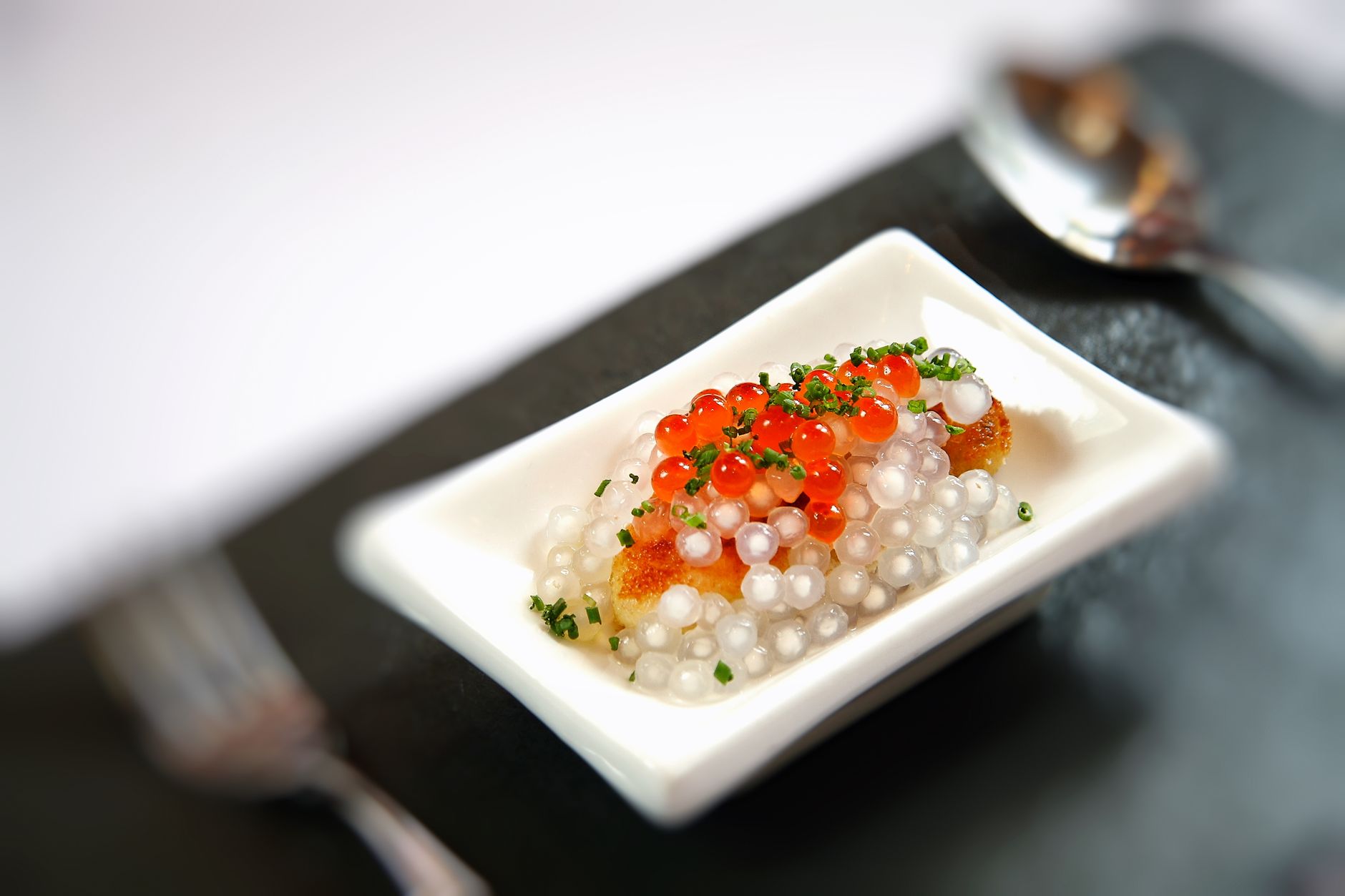
The flavor of lumpfish caviar is slightly briny with a crisp pop that adds texture. It pairs beautifully with mild crackers, blinis, or creamy dips to balance its salty tang.
Try it dolloped atop avocado toast or folded into smoked salmon spreads. Its crunchy beads elevate appetizers and salads alike without overpowering other flavors.

Risks and Drawbacks of Bargain Caviars
Quality Trade-offs
Lower price often means compromises. Lumpfish caviar lacks the delicate mouthfeel and nuanced flavors of premium sturgeon. Some cheaper brands may use artificial colorings heavily, which might feel less natural to purists.
Because of faster spoilage compared to pasteurized options, lumpfish caviar requires refrigeration and prompt consumption within 57 days after opening.
Authenticity and Buyer Protection
Always buy from reputable sellers. Fakes or substandard products sometimes flood bargain markets. Look for clear labeling, ingredient transparency, and trusted Halal certification logos like JAKIM or HMC if applicable.
| Certification | Price Range | Common Formats | Shelf Life | Key Allergens |
|---|---|---|---|---|
| JAKIM, HMC, IFANCA | $10 - $25 per ounce | Glass jars, tins (15g - 50g) | Unopened: 612 months refrigerated Opened: 57 days refrigerated | Fish (lumpfish roe) |
This checklist can help you spot quality lumpfish caviar that meets Halal and freshness standards.
Where to Buy and What to Expect
Trusted Retailers and Brands
Look for lumpfish caviar at specialty grocery stores stocking Halal and health-conscious products, or explore online retailers with customer reviews. Brands focusing on affordable luxury often provide clearly marked, Halal-certified selections.
You might also check your local seafood market or Best farmers market for fresh lumpfish roe during season. Organic and sustainable sourcing labels are additional quality signals.
Price Guide and Seasonal Buying Tips
Expect lumpfish caviar price around $10 to $25 per ounce, depending on the brand, packaging size, and certification. Smaller jars usually cost more per ounce but offer fresher experience.
Prices may dip slightly between late spring and early summer when lumpfish spawning peaks. Buying in this window can yield the freshest, best-value caviar.
Pro Tips for Buying Lumpfish Caviar
- Dont just chase the cheapest option. Very low prices often come with heavy dyeing or off textures.
- Look for Halal certification. This ensures processing methods align with dietary requirements as defined by JAKIM Halal certification standards.
- Ask about source and freshness. Trusted retailers should know when the caviar was packaged and offer refrigeration advice.
Many first-timers are surprised how little lumpfish caviar needs embellishment. Try serving it simply with a little crme frache or plain toast to truly appreciate its texture and brine.
Also consider pairing it with a mild mayonnaise dip for easy appetizerslike the famous Best foods mayonnaisewhich complements the lumpfishs tang.
Is lumpfish caviar actually Halal what should I check?
Most lumpfish caviar can be Halal if it follows specific guidelines. Check for certification by recognized bodies such as JAKIM, HMC, or IFANCA. Confirm that no non-Halal additives, alcohol, or forbidden preservatives are used. The cleanliness of processing facilities and fish source also matter.
What is the best way to store lumpfish caviar?
Unopened lumpfish caviar should be refrigerated between 28F to 32F (2C to 0C) and can last 6 to 12 months. Once opened, keep it tightly sealed in the coldest part of the fridge and consume within 5 to 7 days to maintain flavor and safety.
How can you tell if lumpfish caviar is fresh?
Fresh lumpfish caviar has a clean, briny aroma, firm yet delicate eggs with a glossy shine, and a mild ocean flavor. Off smells, overly mushy texture, or dull colors suggest it may be past its prime or lower quality.
Are there allergens in lumpfish caviar I should be aware of?
The primary allergen is fish roe itself. People with fish or seafood allergies should avoid lumpfish caviar. Check packaging for cross-contamination warnings to be safe.
Can lumpfish caviar be used in cooking?
Yes, it can garnish cooked or raw dishes, adding texture and saltiness. Avoid high heat cooking that can cause the eggs to burst prematurely and lose texture. Instead, add it after cooking or use in cold preparations like salads or canaps.
What is the shelf life of lumpfish caviar after opening?
After opening, lumpfish caviar lasts 5 to 7 days if refrigerated properly in a sealed container. Avoid freezing opened caviar as it changes texture unfavorably.
How does the taste of lumpfish caviar differ from sturgeon caviar?
Lumpfish caviar is crunchier and more assertively briny but less buttery and rich than sturgeon varieties. It offers a lighter, more tangy flavor that some find more refreshing and less overpowering.
Where can I buy legit lumpfish caviar online?
Purchase from specialty halal grocery sites or premium food retailers with clear product descriptions and Halal certification. Check customer reviews for freshness and authenticity reputation.

More You Might Like
- Explore the Best farmers market near you for other fresh Halal-certified seafood and produce options.
- Discover simple ways to enhance your dishes with the Best foods mayonnaise, a perfect complement to lumpfish caviar in appetizers.
Summary
The lumpfish caviar price stays affordable because of the fishs abundance, straightforward processing, and a market eager for budget-friendly luxury. Beyond cost, lumpfish caviar offers a unique crunchy texture, nutritional benefits, and versatile culinary uses. Next time you shop for caviar, check the label for freshness and Halal certification you might find a tasty, wallet-friendly option that fits your needs perfectly.
FAQs
Is lumpfish caviar price actually Halal — what should I check on the label?
To ensure lumpfish caviar is Halal, check for certification by recognized bodies like JAKIM, HMC, or IFANCA. Confirm no non-Halal additives, alcohol, or forbidden preservatives are used and that processing facilities maintain strict hygiene standards.
What is the shelf life of lumpfish caviar after opening?
After opening, lumpfish caviar should be refrigerated in a sealed container and consumed within 5 to 7 days. Avoid freezing opened caviar as it can alter texture and quality negatively.
How does the taste of lumpfish caviar differ from sturgeon caviar?
Lumpfish caviar has a crunchier texture and a mild, tangy, briny flavor. It lacks the buttery richness and complex umami of sturgeon caviar, making it a lighter, more accessible taste.
Is lumpfish caviar safe to eat daily?
Yes, lumpfish caviar can be eaten daily in moderate amounts. It offers omega-3 fatty acids and vitamins but watch sodium intake, as caviar is naturally salty. Those with fish allergies should avoid it.
Where can I buy legit lumpfish caviar online?
Purchase from specialty halal grocery stores or reputable online food retailers that provide clear product details and Halal certification. Check customer reviews to ensure freshness and authenticity.