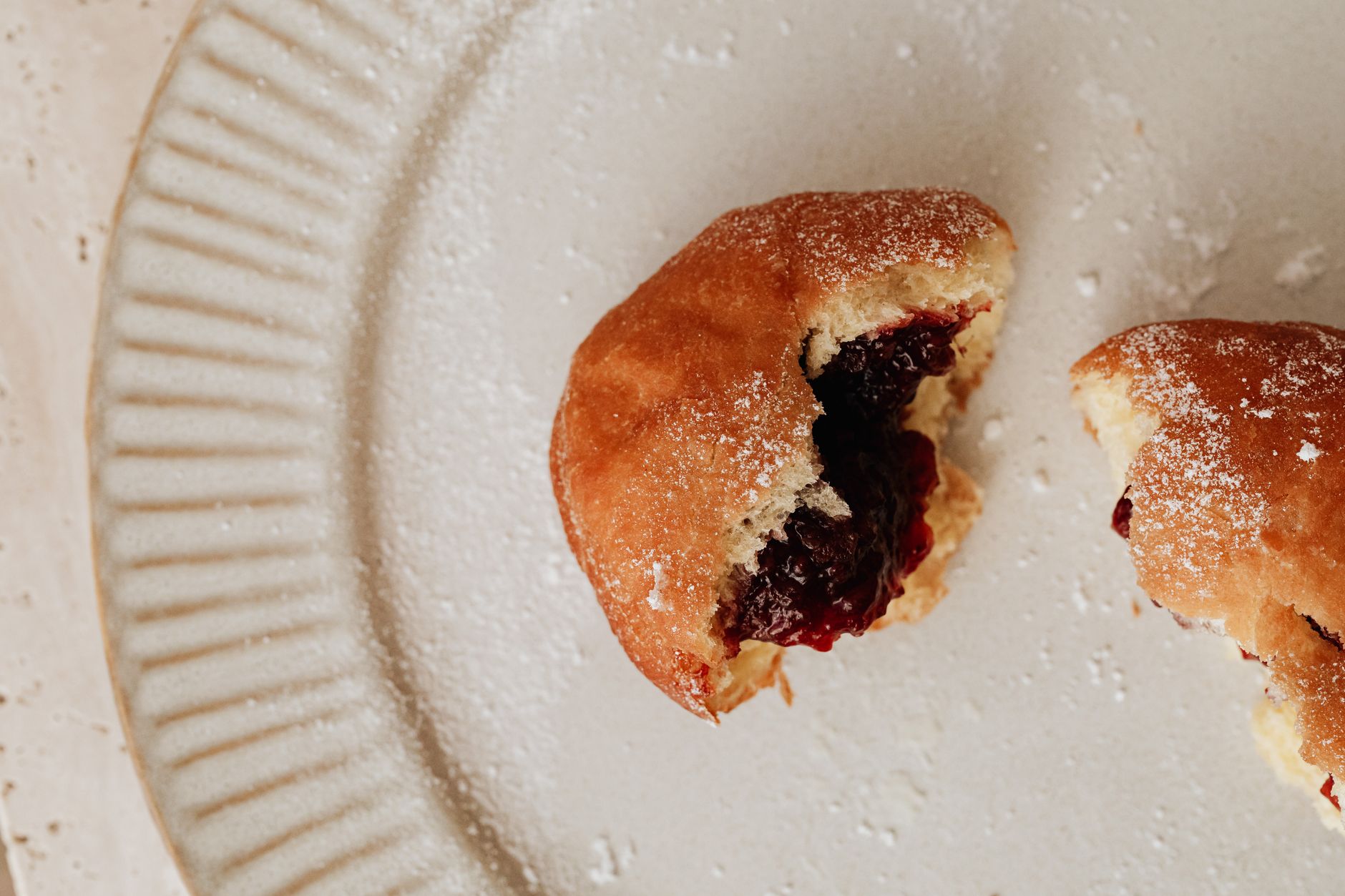
Jam vs jelly might seem like simple terms for sweet spreads, but they carry distinct differences in texture, fruit content, and culinary uses. Jam contains crushed fruit pieces and seeds, giving it a thick and chunky consistency. Jelly, on the other hand, is made from fruit juice only, resulting in a smooth and firm texture. Knowing these distinctions can help you pick the right spread for your toast, baking, or Halal-certified snacks.
Understanding Jam and Jelly
Jam and jelly both belong to the family of fruit spreads, but they are made and used differently. The key difference lies in the form of fruit and how its processed. Jam uses crushed or chopped fruit, including pulp and seeds, while jelly uses strained fruit juice without any solid bits.
Before we get into details, it helps to know related spreads like preserves (whole fruit pieces) and marmalade (citrus-based with peel) often appear alongside jam and jelly on grocery shelves. They share some qualities but have unique traits.
What Is Jam?
Jam is made by cooking crushed or chopped fruit together with sugar and pectin a natural gelling agent found in fruits. The result is a spread thats thick but still chunky and slightly textured, reflecting the actual fruit bits inside.
Popular fruits for jam include strawberries, raspberries, blueberries, and blackberries. Because jam contains the fruits pulp and sometimes seeds, it offers a rich, deep flavor and a satisfying mouthfeel.
What Is Jelly?
Jelly, contrastingly, is made by boiling fruit juice extracted from fresh fruit with sugar and pectin. The juice is strained to remove all pulp and seeds, producing a clear, smooth, and firm final product. It usually holds its shape well but remains spreadable.
Common jelly fruits include grapes, apples, and cranberries. Jelly‘s clean flavor and texture make it popular for glazing desserts, sandwiches, or as a topping where you want no added chunkiness.
Jam and Jelly Texture Comparison Table
| Feature | Jam | Jelly |
|---|---|---|
| Fruit Content | Crushed fruit and pulp | Fruit juice only |
| Texture | Chunky, thick | Firm, smooth |
| Common Uses | Spreads, baking, cooking | Spreads, glazing |
| Typical Fruits | Strawberry, raspberry, blueberry | Grape, apple, cranberry |
Jam vs Jelly Uses
Each spread suits different tastes and culinary needs. Jams thicker consistency works well when you want fruit pieces in your toast or desserts. It adds texture and more natural sweetness. Jellys smoothness makes it ideal when you want a clean flavor or translucent shine on cakes and pastries.
Jam pairs beautifully with soft cheeses or as a filling in baked goods like muffins or crpes, while jelly complements savory items like cold cuts or a classic peanut butter and jelly sandwich.
Can You Substitute Jam for Jelly (And Vice Versa)?
You can often substitute jam for jelly in recipes, but be mindful of texture and flavor differences. Using jam instead of jelly will add chunks and a richer fruit taste, which can change the dishs consistency. Replacing jam with jelly offers a smoother texture but may lessen the natural fruit intensity.
For spreading on bread, both work well, depending on personal preference. When glazing or making jellied desserts, jelly is usually preferred for a polished finish. Adjusting sugar or liquid content can help balance recipes when substituting.
Real-World Examples and Anecdotes
Many home cooks share that they prefer jam at breakfast for its hearty texture and natural sweetness. Meanwhile, jelly gets the nod for elegant dessert plating and sandwiches. A Halal-certified baker we spoke with recommends checking for clean-label pectin and no gelatin additives when buying either especially for Halal compliance.

When shopping, you might notice some jams labeled "low sugar" or "no sugar added." These versions require recipe tweaks if you plan to use them as jelly substitutes, since sugar plays a key role in gel formation.
Types of Fruit Spreads Beyond Jam and Jelly
Aside from jam and jelly, other fruit spreads include preserves, marmalade, conserves, and fruit butters. These offer different textures and flavors to suit varied culinary occasions.
How Preserves Differ
Preserves contain whole fruit or large fruit chunks suspended in a syrup or jelly base. This makes them chunkier and often more rustic in texture than jam. Theyre great for toppings and cooking applications where noticeable fruit pieces are desired.
Marmalades Unique Citrus Flavor
Marmalade is traditionally made from citrus fruit like oranges or lemons, including the peel. Its bitter-sweet taste and chewy peel pieces set it apart from smooth jams or jellies. Marmalade works wonderfully on toast but can also be used in marinades or sauces.
Comparison Table of Common Fruit Spreads
| Fruit Spread | Fruit Form | Texture | Best Uses |
|---|---|---|---|
| Jam | Crushed fruit | Chunky | Toast, baking |
| Jelly | Fruit juice | Smooth | Spreads, glazing |
| Preserves | Whole fruit | Chunky, syrupy | Toppings, cooking |
| Marmalade | Citrus + peel | Chunky, bitter-sweet | Breakfast spreads, marinades |
| Fruit Butter | Pureed fruit | Smooth, dense | Spreads, dips |
Health Considerations
When comparing jam vs jelly, it is helpful to consider nutritional content, especially sugar levels and additives. Most commercial jams and jellies contain added sugar to help with preservation and gelling. According to the USDA FoodData Central, a typical serving (1 tbsp) of jelly contains about 5060 calories with roughly 1215 grams of sugar. Jam servings are similar but may feel more filling due to fruit fiber.
For Halal consumers, checking certifications from bodies like JAKIM, HMC, or IFANCA is a must. Some jams or jellies may use non-Halal gelatin or alcohol-based flavorings, so a clear Halal label ensures trustworthy sourcing.
Sugar Levels and Calories
Homemade or artisan varieties often allow sugar levels to be adjusted, making them better for low-sugar diets. Avoiding high fructose corn syrup and artificial sweeteners is recommended for cleaner labels. Natural fruit sugars in jams offer some vitamins and antioxidants, but moderation remains key.
Preservatives and Additives
Common additives include preservatives like potassium sorbate or sodium benzoate. While safe in small amounts, health-conscious shoppers prefer products with minimal additives and recognizable ingredients. Reading labels carefully helps avoid unwanted chemicals or allergens.
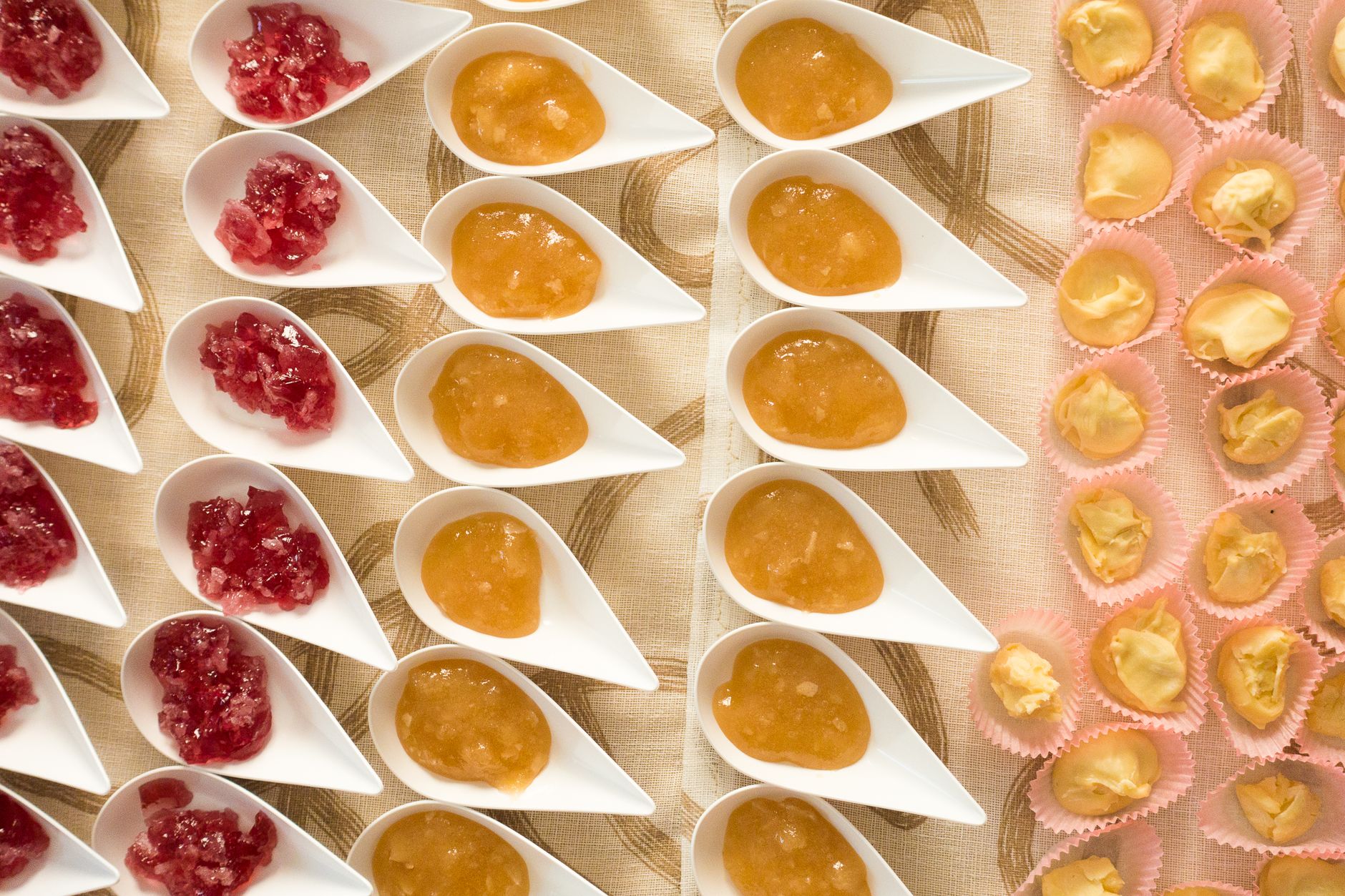
Certification and Buying Guide
When choosing jams and jellies, especially Halal-certified options, look for these key factors:
| Certification | Price Range | Common Formats | Shelf Life | Key Allergens |
|---|---|---|---|---|
| JAKIM, HMC, IFANCA Halal logos | $3 - $8 per jar (8-12oz) | Glass jars, squeeze bottles | 12-18 months unopened; 5-7 weeks refrigerated after opening | Possible traces of nuts, gluten depending on flavor |
Check the ingredient list for natural fruit, sugar, and pectin as the main components. Avoid gelatin or alcohol unless it explicitly mentions Halal certification. Also, choose products with clear expiration dates and sealed packaging for freshness.
For fresh groceries delivered to your doorstep, consider services like how to get groceries delivered or check if local stores support delivery options, including does Walmart deliver groceries.
Most Overlooked Buying Mistake
Many buyers focus on price and overlook certification logos. Halal compliance isnt just about the ingredients but also processing methods and cross-contamination risks. Cheap spreads often contain artificial additives or unverified ingredients investing a bit more in trusted brands ensures quality and safety.
Expert Tip
Look for spreads labeled made with real fruit and avoid those simply saying fruit flavored. Genuine jams and jellies should list fruit as the first ingredient. If you want to extend shelf life naturally, select varieties without added preservatives and refrigerate promptly after opening.
FAQ
Is jam vs jelly actually Halal what should I check?
To ensure jam or jelly is Halal, look for certification logos from recognized bodies like JAKIM, HMC, or IFANCA. Check ingredients for non-Halal additives such as gelatin from animal sources or alcohol-based flavorings. Transparent labeling and trusted brands help guarantee compliance.
When is the best time to eat jam or jelly?
Jam and jelly are perfect breakfast companions but also great for snacks, baking, or dessert toppings. Whether on toast, in pastries, or with cheese, their sweet fruit flavors suit all-day enjoyment.
Can I make jam or jelly at home easily?
Yes, home preparation allows full control over fruit choice and sugar content. Jam requires cooking crushed fruit with sugar and pectin, while jelly involves extracting juice and heating it similarly. Recipes vary but take 30-60 minutes depending on batch size.
How long does homemade jam or jelly last?
Properly canned jam or jelly lasts 12-18 months unopened, stored in a cool, dark place. Refrigerate after opening, and consume within 5-7 weeks for best quality and safety.
Are low-sugar jams and jellies healthier?
Low-sugar versions reduce calorie intake but may have altered texture or flavor. Always check for added artificial sweeteners or preservatives. Natural fruit sugars and fiber in jam contribute vitamins, but moderation is essential.
What fruits make the best jam or jelly?
Strawberries, raspberries, blueberries, and blackberries shine in jam due to strong flavors and pulp content. Grape, apple, and cranberry juices create clear, flavorful jellies. Citrus fruits like oranges are best for marmalade.
Can kids safely enjoy jam and jelly?
Yes, as long as the products are Halal-certified with no alcohol or questionable additives. Be cautious about sugar content, and introduce spreads in small amounts as part of a balanced diet.
More You Might Like
Explore how to add convenience to your kitchen with how to get groceries delivered. For local purchases, learn more about does Walmart deliver groceries in your area.

Conclusion
Jam vs jelly may look similar at first glance, but their differences in texture and fruit content make a big impact on taste and use. Knowing these distinctions, along with Halal certification essentials, helps you pick the perfect spread for your breakfast or recipes. Next time you shop, check the label carefully or try making your own. Feel free to share your favorite fruity spreads and recipes in the comments below!
FAQs
Is Jam vs Jelly actually Halal — what should I check on the label?
To ensure jam or jelly is Halal, look for certification logos from recognized bodies like JAKIM, HMC, or IFANCA. Check ingredients to avoid non-Halal additives such as animal-derived gelatin or alcohol-based flavorings. Transparent labeling and trusted brands help confirm Halal compliance.
How long does jam or jelly last after opening?
Unopened jam or jelly can last 12-18 months when stored in a cool, dark place. After opening, refrigerate and consume within 5-7 weeks to maintain freshness and safety.
What is the main difference between jam and jelly?
Jam contains crushed fruit pieces and pulp, giving it a chunky and thick texture, while jelly is made from strained fruit juice only, resulting in a smooth and firm spread without fruit chunks.
Are jam and jelly safe for daily consumption?
Yes, jam and jelly are safe to eat daily when consumed in moderation. Choose Halal-certified products with minimal additives and watch sugar intake to maintain a balanced diet.
Where can I buy Halal-certified jam and jelly?
Halal-certified jams and jellies are available at specialty grocery stores, online halal marketplaces, and some mainstream supermarkets. Always check for proper certification labels and ingredient transparency.