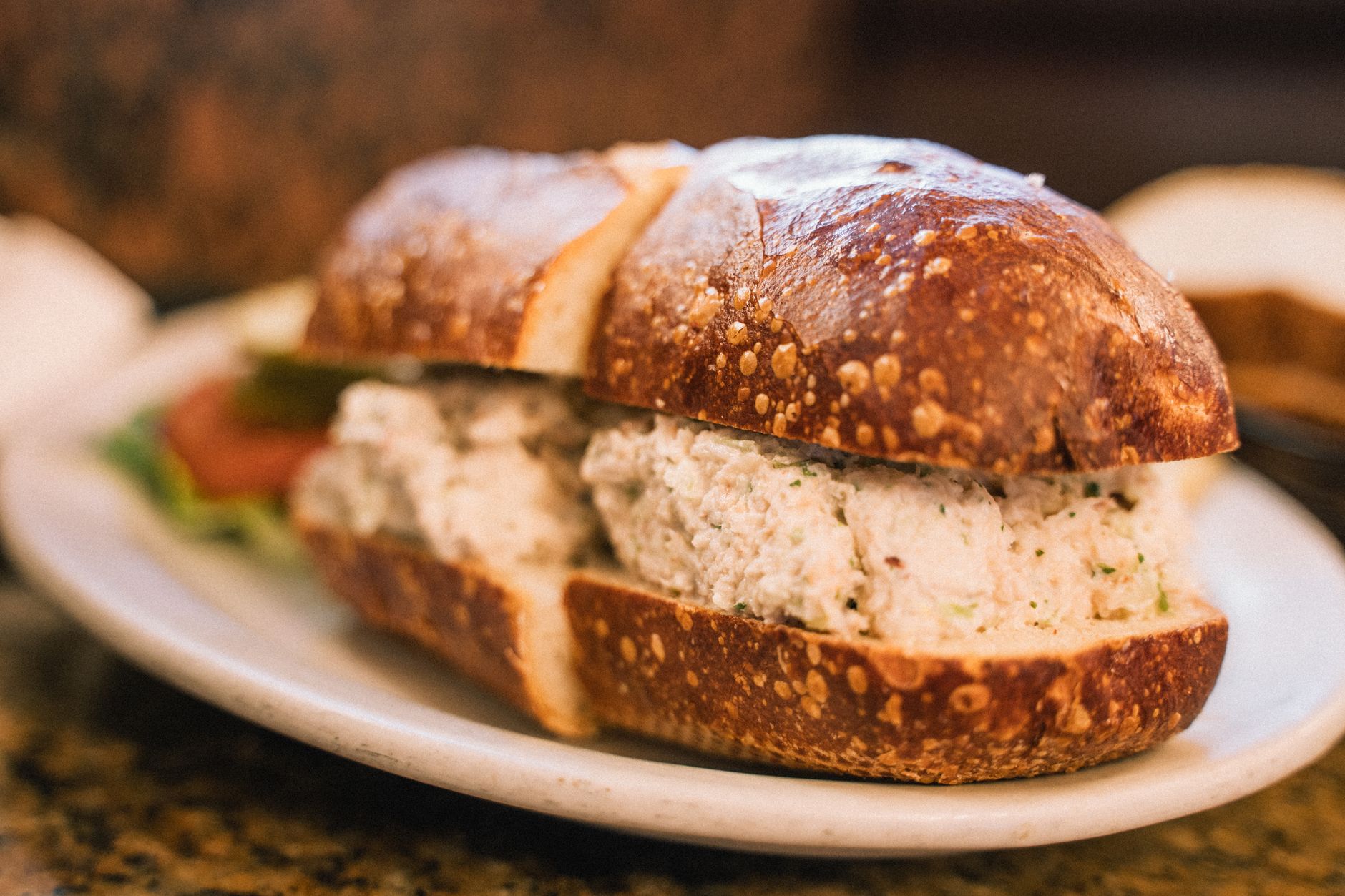
A good tuna salad sandwich should be creamy, crunchy, and satisfying without feeling heavy. Too often, canned tuna gets mixed with too much mayonnaise and spread on flimsy bread that turns soggy within minutes. This elevated recipe changes that. You will learn how to build a balanced tuna salad sandwich with texture, flavor, and proper Halal-conscious ingredients that work for lunch or a light dinner.
Whether you are packing a meal for work or making a quick bite at home, this guide covers everything from ingredient selection to storage so your sandwich stays fresh and delicious.
Why Choose This Recipe
What makes a tuna salad sandwich different from a gourmet tuna sandwich?
A standard tuna salad sandwich often uses only mayonnaise and canned fish on soft bread. A gourmet version layers textures and flavors. This recipe includes pickled vegetables for acidity, fresh herbs for brightness, and a crusty baguette that holds everything together without turning mushy. The difference is noticeable in every bite.
Is tuna salad sandwich healthy for regular meals?
Tuna provides lean protein and omega-3 fatty acids, which support heart and brain health. According to the USDA FoodData Central, a 3-ounce serving of canned light tuna contains about 22 grams of protein and roughly 130 milligrams of omega-3s. Pairing it with fresh vegetables and a moderate amount of mayonnaise keeps the meal balanced. Choosing a whole-grain or sourdough baguette adds fiber and complex carbohydrates.
What are common sandwich add-ins and how do they affect taste and nutrition?
Common additions include celery, red onion, pickles, fresh herbs like dill or parsley, and sprouts. Celery adds crunch and fiber. Red onion provides sharpness and antioxidants. Pickles contribute acidity that cuts through the richness of the mayonnaise. Each ingredient changes the texture and nutritional profile, so you can tailor the sandwich to your preferences.
Ingredients for the Sandwich
What type of tuna is best for the sandwich?
Canned tuna packed in water works well because it keeps the salad lighter and lets the other flavors stand out. If you prefer a richer taste, tuna packed in olive oil adds depth. Always check for Halal certification on the label. Brands certified by JAKIM, HMC, or IFANCA ensure the product meets dietary standards. For the best texture, choose solid or chunk tuna instead of flaked varieties, which can turn mushy when mixed.
Why use a baguette for this sandwich?
A baguette offers a crisp crust and a chewy interior that holds up to the moist filling. Unlike soft sandwich bread, a baguette does not collapse under the weight of the tuna salad. Toasting the baguette lightly adds another layer of texture and prevents sogginess. If you prefer a softer option, a sturdy ciabatta or sourdough roll works well too.
Essential salad add-ins for flavor and crunch
- Celery finely diced for crunch
- Red onion minced for sharpness
- Pickled cucumbers or cornichons chopped for acidity
- Fresh dill or parsley chopped for brightness
- Salt and black pepper to taste
Optional healthy add-ins
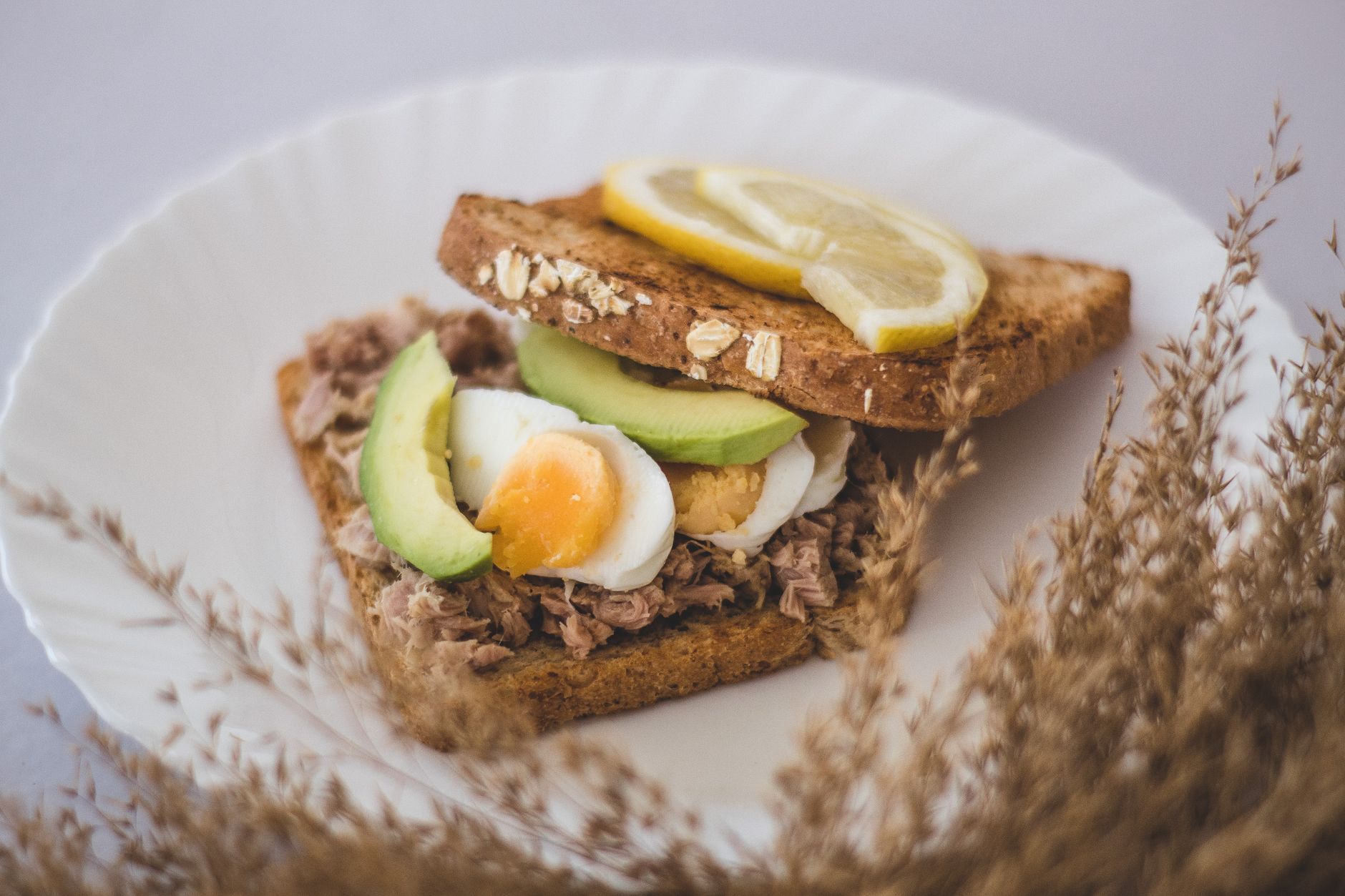
- Avocado sliced for creaminess
- Cucumber thinly sliced for extra freshness
- Sprouts or microgreens for a peppery finish
Must-have condiments and seasonings
- Mayonnaise 2 tablespoons per can of tuna
- Dijon mustard 1 teaspoon for tang
- Lemon juice 1 teaspoon for acidity
- Pickle brine 1 teaspoon for extra zest
Step-by-Step Recipe Instructions
This recipe makes two generous servings. The total time from start to finish is about 20 minutes.
| Prep time | Cook time | Total time | Servings | Calories per serving | Diet tags |
| 15 minutes | 5 minutes | 20 minutes | 2 sandwiches | 380 kcal | Halal, Nut-Free, High-Protein |
Prepping the pickled vegetables
Finely chop 2 tablespoons of pickled cucumbers or cornichons. If you prefer a quick homemade pickle, slice 1 small cucumber into thin rounds and soak it in a mixture of 2 tablespoons rice vinegar, 1 tablespoon water, and a pinch of salt for 10 minutes. Drain before using.
Preparing the tuna salad base
Drain one 5-ounce can of Halal-certified chunk light tuna packed in water. Place the tuna in a mixing bowl and break it apart with a fork. Add 2 tablespoons mayonnaise, 1 teaspoon Dijon mustard, and 1 teaspoon lemon juice. Stir gently until combined. Avoid over-mixing to keep some texture.
Combining all ingredients for balanced taste
Add the chopped pickled vegetables, 2 tablespoons finely diced celery, 1 tablespoon minced red onion, and 1 tablespoon chopped fresh dill or parsley. Season with a pinch of salt and a few cracks of black pepper. Fold everything together. Taste and adjust the seasoning or acidity as needed.
Toasting the baguette and assembly
Slice one medium baguette in half lengthwise, then cut each half into two equal pieces. Place the pieces cut-side up on a baking sheet and toast in a preheated oven at 180C (350F) for 5 minutes. The bread should be lightly golden and firm to the touch. Remove from the oven and let it cool for 2 minutes. Spread the tuna salad evenly onto the bottom pieces. Add optional toppings like avocado slices or sprouts. Close the sandwiches and press gently.
Tips for serving
Cut each sandwich on a diagonal for a cleaner presentation. Serve immediately with a side salad or vegetable sticks.

Expert Tips and Tricks
How to avoid a soggy sandwich
Toast the baguette until the cut sides are firm. This creates a barrier that prevents moisture from the tuna salad from soaking into the bread. Also, drain the canned tuna thoroughly and press it gently with a fork to remove excess liquid. If you are packing the sandwich for later, store the bread and tuna salad separately and assemble just before eating.
How to customize the sandwich to dietary needs
Substitute regular mayonnaise with a reduced-fat version or Greek yogurt to lower calories. For a gluten-free option, use a gluten-free baguette or sturdy gluten-free bread. To increase protein, add a sliced hard-boiled egg on top of the tuna salad.
Can I substitute the tuna with other canned fish options?
Yes. Canned salmon, sardines, or mackerel work well in this recipe. Salmon offers a richer flavor and higher omega-3 content. Sardines add an umami depth. Mackerel has a firm texture that holds up well. Adjust the seasoning slightly to complement the stronger taste of these fish.
Meal prepping tips for busy lifestyles
Prepare the tuna salad up to 2 days in advance and store it in a sealed container in the refrigerator. Keep the baguette whole at room temperature and slice and toast it just before serving. The tuna salad also works well as a filling for lettuce wraps or stuffed bell peppers if you want a low-carb option.
Pairing and Serving Suggestions
What to serve with these elevated tuna salad sandwiches?
A light side salad with mixed greens, cherry tomatoes, and a simple lemon vinaigrette complements the richness of the tuna. Vegetable sticks like carrot, cucumber, and bell pepper add crunch without extra calories. If you want something heartier, a cup of tomato soup or a handful of baked chips works well.
Beverage pairings that complement the flavors
Unsweetened iced tea with lemon or a sparkling water with a splash of citrus balances the creamy and tangy notes. If you prefer a warm drink, a light green tea cleanses the palate between bites.
Balancing Benefits and Risks
Health benefits of tuna salad sandwiches
Tuna provides high-quality protein, selenium, and omega-3 fatty acids. The vegetables add fiber, vitamins, and antioxidants. Using a moderate amount of mayonnaise and choosing a whole-grain baguette keeps the meal nutrient-dense without excess saturated fat.
Potential health concerns to consider
Canned tuna contains mercury, though levels vary by type. Light tuna generally has lower mercury levels than albacore or white tuna. The FDA recommends limiting albacore tuna to one serving per week for pregnant women and children. For most adults, eating tuna 2 to 3 times per week is considered safe. Also, check the sodium content on the label some canned tuna contains 250 to 400 milligrams of sodium per serving.
Tips to enjoy your sandwich mindfully
Pair the sandwich with raw vegetables instead of salty chips to keep sodium in check. Drink water throughout the meal to stay hydrated. If you are buying pre-made tuna salad from a store, read the ingredient list to avoid added sugars and preservatives.
Storage and Make-Ahead Tips
The prepared tuna salad keeps for 3 to 4 days in a sealed container in the refrigerator at or below 4C (40F). Do not freeze the tuna salad the texture of the mayonnaise and vegetables will break down upon thawing. If you have already assembled the sandwich, wrap it tightly in parchment paper and refrigerate for up to 6 hours. For best results, toast the bread and add the tuna salad just before eating.
If you are bringing the sandwich to work or on a trip, pack the bread and tuna salad separately. Assemble the sandwich within 30 minutes of eating to keep the bread crisp and the filling fresh.
When is the best time to eat a tuna salad sandwich?
A tuna salad sandwich works well for lunch or a light dinner. The protein and healthy fats keep you satisfied for several hours, making it a smart midday meal. If you eat it for dinner, pair it with a warm soup or a generous side of vegetables to round out the meal. Avoid eating it right before intense physical activity, as the fat content from mayonnaise may feel heavy on the stomach.
Can I prepare the pickled vegetables ahead of time?
Yes. Quick-pickled cucumbers or onions can be made up to 1 week in advance. Store them in a sealed jar in the refrigerator. The brine will continue to develop flavor over time, and the vegetables will stay crunchy for about 5 to 7 days. Drain them well before adding to the tuna salad so the extra liquid does not make the mixture watery.
What type of mayonnaise works best for this recipe?
Full-fat mayonnaise provides the creamiest texture and richest flavor. If you prefer a lighter option, choose a reduced-fat mayonnaise or a yogurt-based spread. For a Halal-friendly choice, check the label for certification from JAKIM, IFANCA, or HMC. Avoid mayonnaise with added sugars if you want a cleaner taste.
Can I make this sandwich without bread?
Yes. The tuna salad works well as a filling for lettuce wraps, stuffed avocados, or bell pepper halves. For a low-carb option, serve the tuna salad on a bed of mixed greens with sliced cucumbers and cherry tomatoes. This keeps the meal light while preserving all the flavors.
How do I know if the canned tuna is Halal-certified?
Look for a certification logo on the can from a recognized body such as JAKIM (Malaysia), HMC (UK), or IFANCA (USA). Some brands also display the Crescent M or other regional Halal marks. If the label does not show a certification, contact the manufacturer directly or choose a brand that explicitly states Halal on the packaging.
What is the best way to transport this sandwich for lunch?
Store the toasted baguette pieces and the tuna salad in separate containers. Pack an ice pack alongside the tuna salad to keep it below 4C (40F). Assemble the sandwich right before eating. If you cannot separate the components, wrap the assembled sandwich in parchment paper and place it in a sealed container. Eat within 4 hours of assembly for best quality.
Can I add cheese to this tuna salad sandwich?
Yes. A slice of mild cheese like provolone, mozzarella, or Swiss adds creaminess and a subtle flavor that pairs well with tuna. If you use cheese, reduce the amount of mayonnaise slightly to keep the sandwich from becoming too rich. For a Halal-friendly option, verify that the cheese uses microbial or vegetable rennet and carries a Halal certification.
Pro Tips for the Best Tuna Salad Sandwich
The most common mistake people make is over-mixing the tuna salad until it turns into a paste. Break the tuna into flakes, then fold the other ingredients in gently. This keeps the texture varied and pleasant. Another error is skipping the toast step. Even 5 minutes in the oven transforms a soft baguette into a sturdy base that resists sogginess. For an expert upgrade, add a pinch of smoked paprika or a dash of hot sauce to the tuna salad for subtle warmth. Taste the mixture before assembling and adjust the salt, acid, or crunch until it feels balanced on your palate.
More You Might Like
If you enjoy hearty, protein-packed sandwiches, you might like our review of the Double quarter pounder. It covers taste, nutrition, and Halal considerations for a popular fast-food menu item.
For lighter morning meal ideas, check out our guide to Breakfast sandwiches that are quick to prepare and easy to customize with Halal-friendly ingredients.
Conclusion
This tuna salad sandwich proves that a simple lunch can feel special with the right ingredients and a few smart techniques. Pick your favorite Halal-certified tuna, toast a good baguette, and build a sandwich that stays crisp, flavorful, and satisfying. Try this recipe for your next meal and notice how small changes make a big difference in taste and texture.
FAQs
When is the best time to eat or drink tuna salad sandwich?
A tuna salad sandwich works well for lunch or a light dinner. The protein and healthy fats keep you satisfied for several hours, making it a smart midday meal. For dinner, pair it with a warm soup or vegetables. Avoid eating it right before intense physical activity, as the fat from mayonnaise may feel heavy.
How long does tuna salad last in the fridge after opening?
Prepared tuna salad keeps for 3 to 4 days in a sealed container in the refrigerator at or below 4°C (40°F). Do not freeze it, as the mayonnaise and vegetables will break down upon thawing. For best quality, store the bread separately and assemble just before eating.
What is the difference between a regular tuna salad sandwich and a gourmet one?
A regular tuna salad sandwich uses only mayonnaise and canned fish on soft bread, often turning soggy. A gourmet version adds pickled vegetables for acidity, fresh herbs for brightness, and a crusty baguette that holds up without getting mushy. The texture and flavor are noticeably more balanced and satisfying.
Is it safe to eat tuna every day in a sandwich?
For most adults, eating tuna 2 to 3 times per week is considered safe. Canned light tuna has lower mercury levels than albacore. The FDA recommends limiting albacore to one serving per week for pregnant women and children. Always check sodium content and pair with fresh vegetables to keep the meal balanced.
Where can I buy Halal-certified canned tuna for this recipe?
Look for certification logos from JAKIM, IFANCA, or HMC on the label. Many Asian and Middle Eastern grocery stores stock Halal-certified tuna. Online retailers like Amazon or specialty halal food websites also offer certified brands. If uncertain, contact the manufacturer or choose a brand that explicitly states Halal on the packaging.