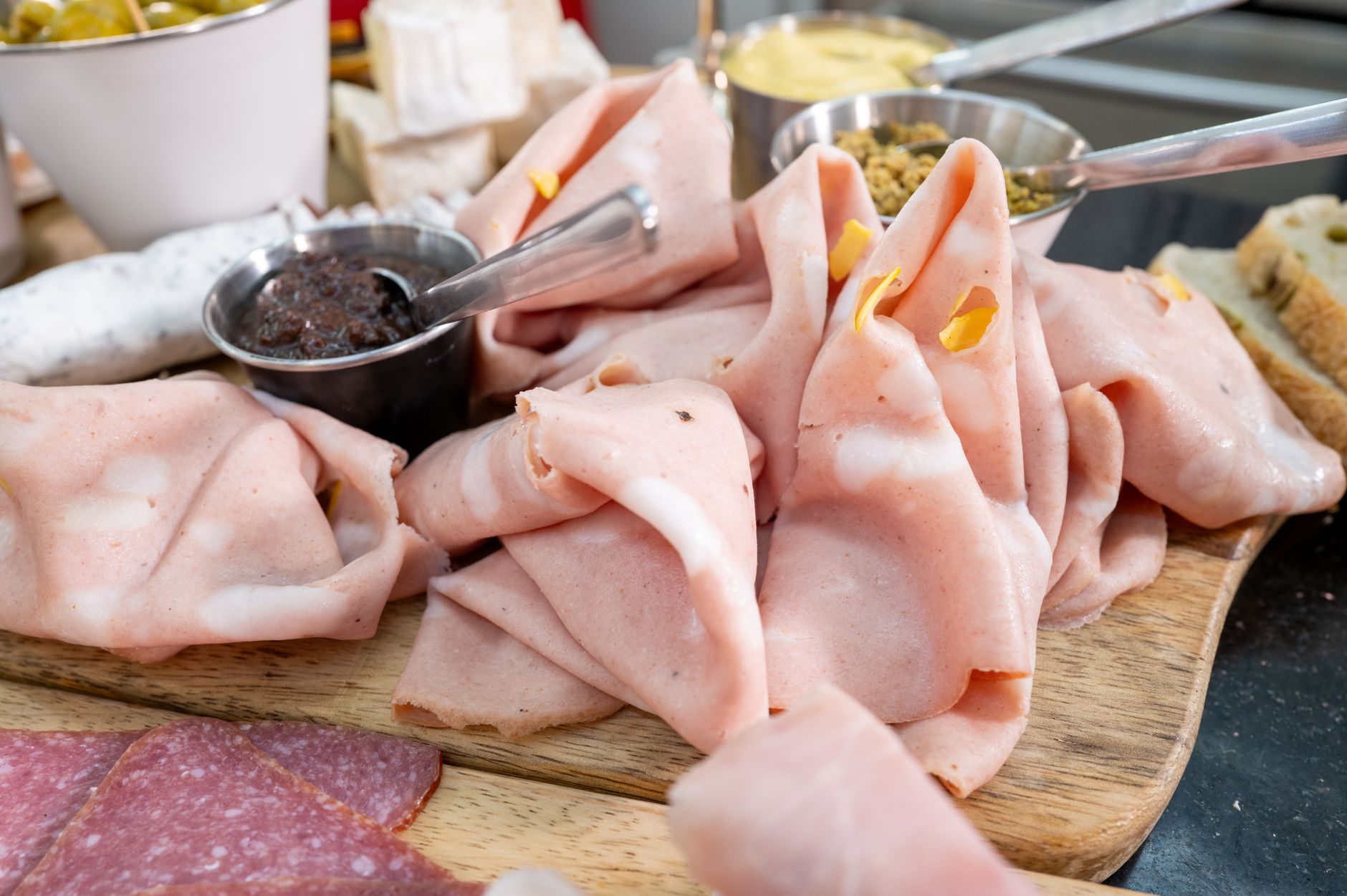
If youre tired of the usual deli meats like turkey or ham, why not explore under-the-radar deli meats that bring unique flavors and textures to your sandwiches? These hidden gems deliver rich tastes and exciting culinary traditions without losing sight of Halal certification and health-conscious criteria. From lesser-known Italian specialties to artisanal cured options, these deli meats will add depth to your meals and keep your taste buds curious.
Why Choose Unique Deli Meats?
What Makes These Deli Meats Stand Out?
Under-the-radar deli meats differ from common choices by their distinct flavor profiles, production methods, and origins. Many come from specific regions within Italy or Mediterranean countries, prized for traditionally cured recipes passed down for generations. Unlike ubiquitous salamis or mortadella, these meats often boast complex aromas, firmer textures, or subtle spices.
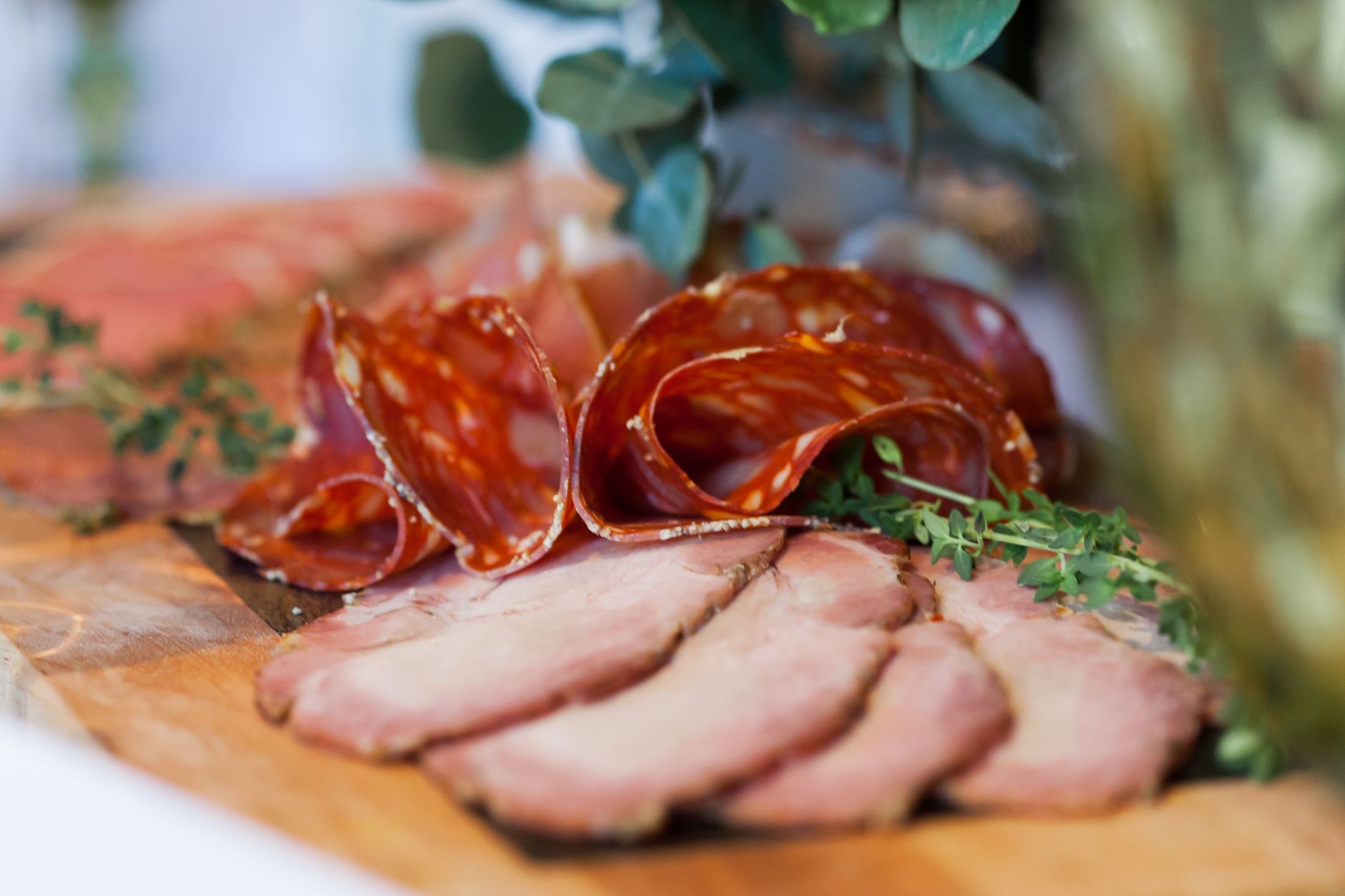
For example, speck is a smoked and cured ham from Northern Italy offering a delicately smoky flavor, while finocchiona is a Tuscan salami infused with fennel seeds, giving it a uniquely sweet and herbal tone. These meats arent just an Italian affair other cultures have lesser-known deli options that blend quality with distinctiveness.
According to sandwich expert Marco Russo, Exploring unique deli meats is like tasting a food history lesson. Each variety carries stories, traditions, and authenticity that ordinary cold cuts can rarely match.
Are These Meats Halal and Healthier Options?
When choosing under-the-radar deli meats, Halal certification is key. Many artisanal producers now offer Halal-certified deli meats inspected by trusted bodies like JAKIM, HMC, or IFANCA. Always look for these logos on labels to ensure compliance with Islamic dietary laws.
Regarding health, these meats can be both a flavorful and mindful choice. Many artisanal deli meats use minimal preservatives and natural curing agents. However, sodium levels tend to be higher in cured options, sometimes exceeding 420mg per serving, according to USDA FoodData Central. Its wise to balance consumption and pair these meats with fresh veggies, whole-grain breads, and low-fat cheeses.
Transparency is essential: premium deli brands share ingredient lists openly, ensuring no artificial colors or excessive sugars sneak in. This focus on clean labels aligns well with health-conscious principles embraced by many consumers today.
Top Under-The-Radar Deli Meats
Unique and Delicious Choices to Try
Lets explore some savory under-the-radar deli meats that you may not have tried yet but should definitely consider.
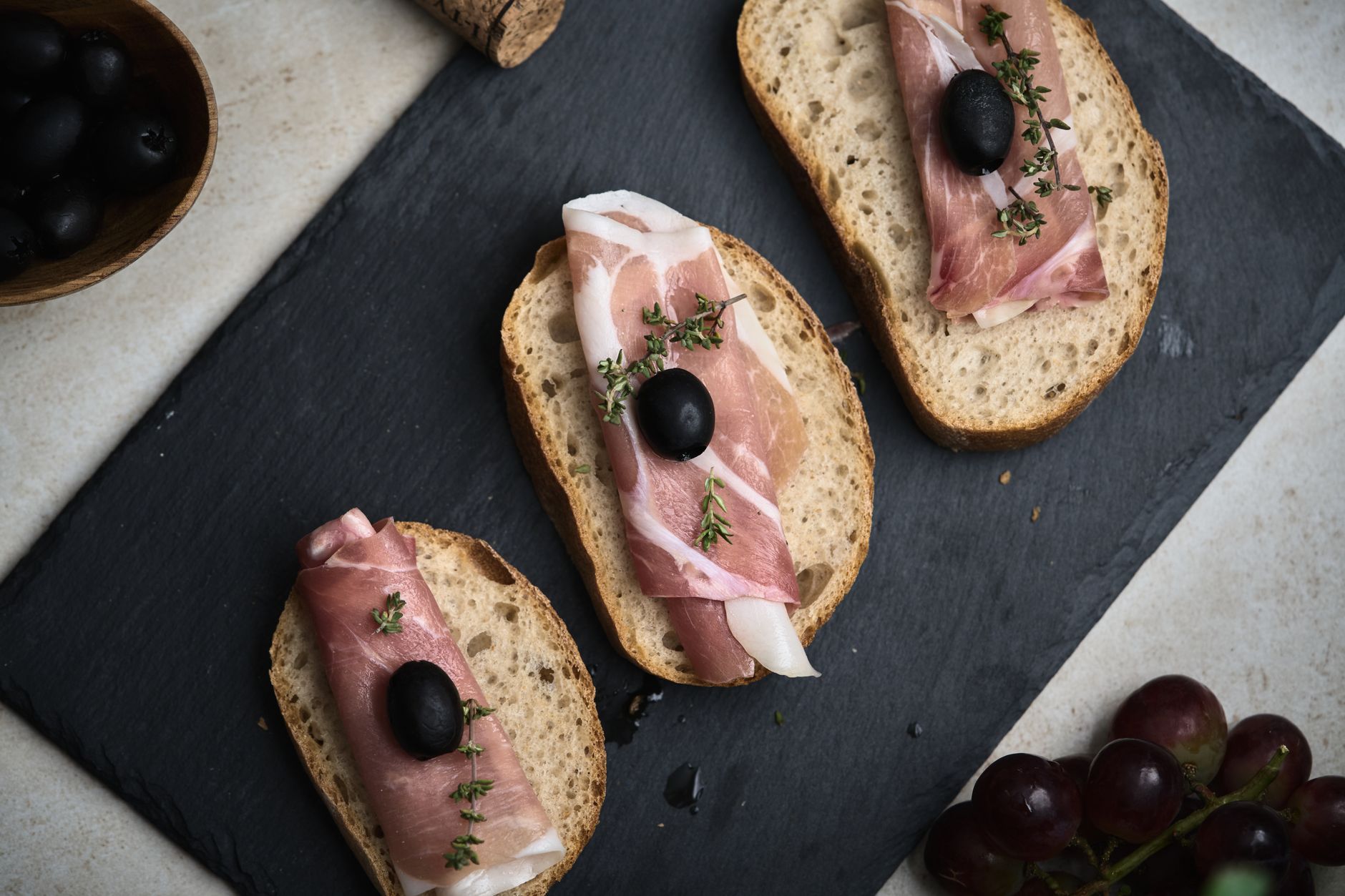
- Speck: A dry-cured, lightly smoked ham from South Tyrol, Italy. The smoky notes and slightly firm texture work beautifully sliced thin on sandwiches.
- Lonzino: This is cured pork loin, leaner than many cured meats, offering a tender bite with a subtly sweet flavor profile.
- Finocchiona: A Tuscan salami seasoned with fennel seeds and a hint of black pepper, offering an aromatic, herbal twist.
- Soppressata: Although more common, variety matters regional versions with coarser grind and spice variations expand your palate.
- Capicola Variants: Lesser-known cuts of dry-cured shoulder meat with smoky, garlicky undertones that differ from ordinary capicola.
These deli meats reflect artisanal traditions often coupled with strict Halal oversight, ensuring quality and authenticity.
Under-The-Radar vs Common Deli Meats
| Meat Type | Flavor Profile | Texture | Typical Use |
|---|---|---|---|
| Speck | Smoky, savory, slightly sweet | Firm, thinly sliced | Sandwiches, antipasto plates |
| Finocchiona | Herbal, sweet, with fennel aroma | Coarse, chewy | Charcuterie, sandwiches |
| Lonzino | Mild, slightly sweet | Tender, lean | Sliced cold cuts, gourmet sandwiches |
| Salami (Common) | Bold, spicy | Firm, oily | Sandwiches, pizza toppings |
| Mortadella (Common) | Mild, fatty | Soft, smooth | Sandwiches, snacks |
Incorporating Unique Deli Meats
Pairings That Work Best
Choosing the right pairings can make or break your sandwich experience. Each under-the-radar deli meat has ideal flavor partners to elevate its taste.
- Speck: Paired well with a crusty whole-grain bread, tangy pickles, sharp provolone cheese, and a smear of Dijon mustard.
- Finocchiona: Balances beautifully with mild mozzarella, roasted red peppers, and arugula leaves for a peppery bite.
- Lonzino: Complements creamy ricotta, fresh basil, and lightly toasted ciabatta.
- Soppressata: Pair with pepper jack cheese, sun-dried tomatoes, and a drizzle of olive oil to accentuate its spiciness.
Sandwich maker Laura Green suggests, Experimenting with bread texture and condiments highlights these meats distinct personalities. A sprinkle of cracked black pepper or a touch of honey can surprisingly enhance complex flavors.
Easy Substitutions in Your Favorite Recipes
Wondering if you can swap these under-the-radar meats in standard Italian sandwiches? Absolutely. They bring freshness without overpowering traditional builds.
For example, use speck instead of regular ham in a classic Italian sub for a smoky upgrade. Or replace common salami with finocchiona in a muffuletta for a fragrant twist. Just remember these meats often are leaner or have firmer textures, so slicing thinly helps maintain the balance.
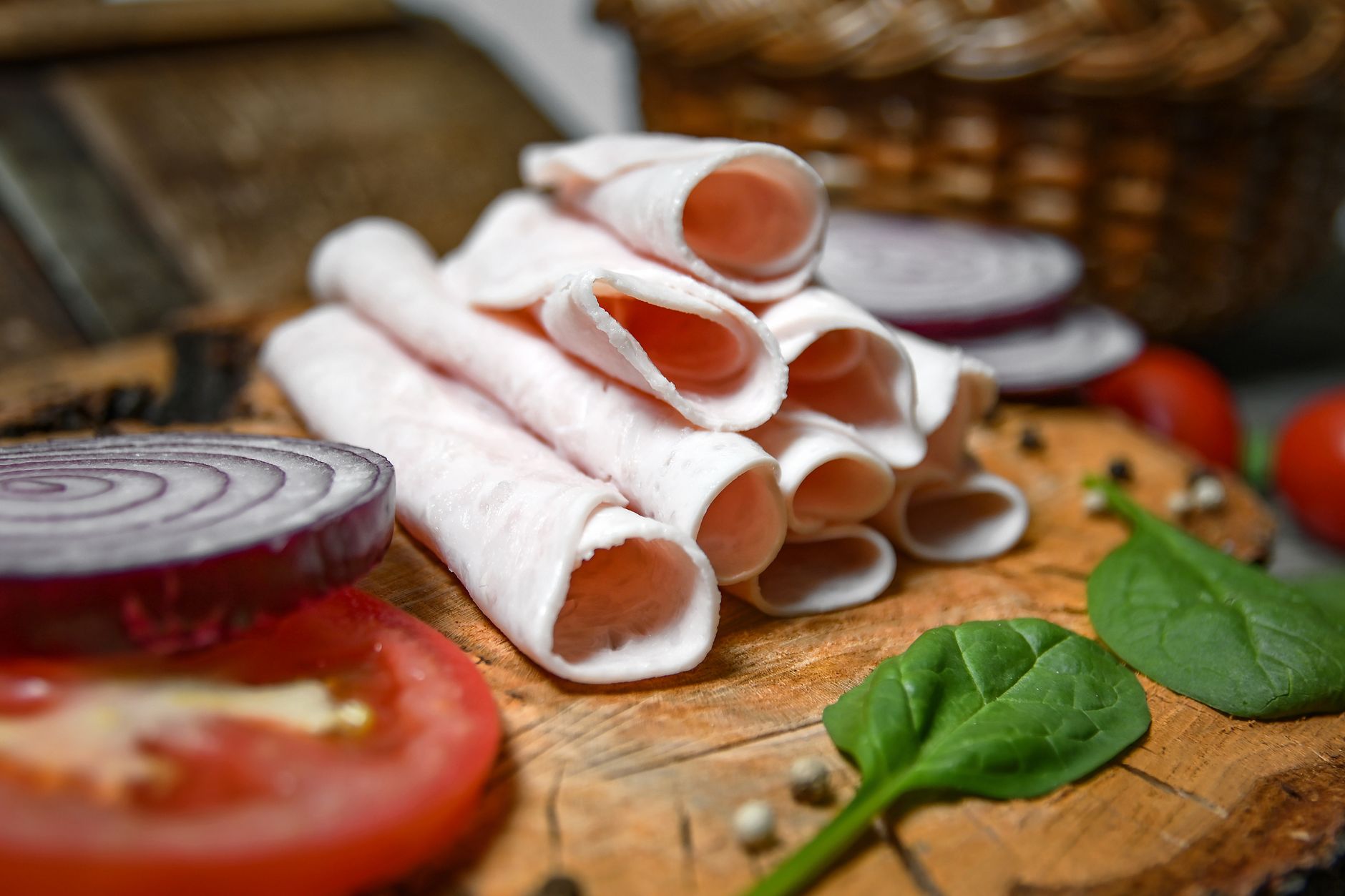
Want to try a different cut altogether? Consider swapping deli meats for Black and blue steak or Coulotte steak as an alternative protein in sandwiches for a luxurious upgrade.
Finding & Storing These Deli Meats
Where to Buy
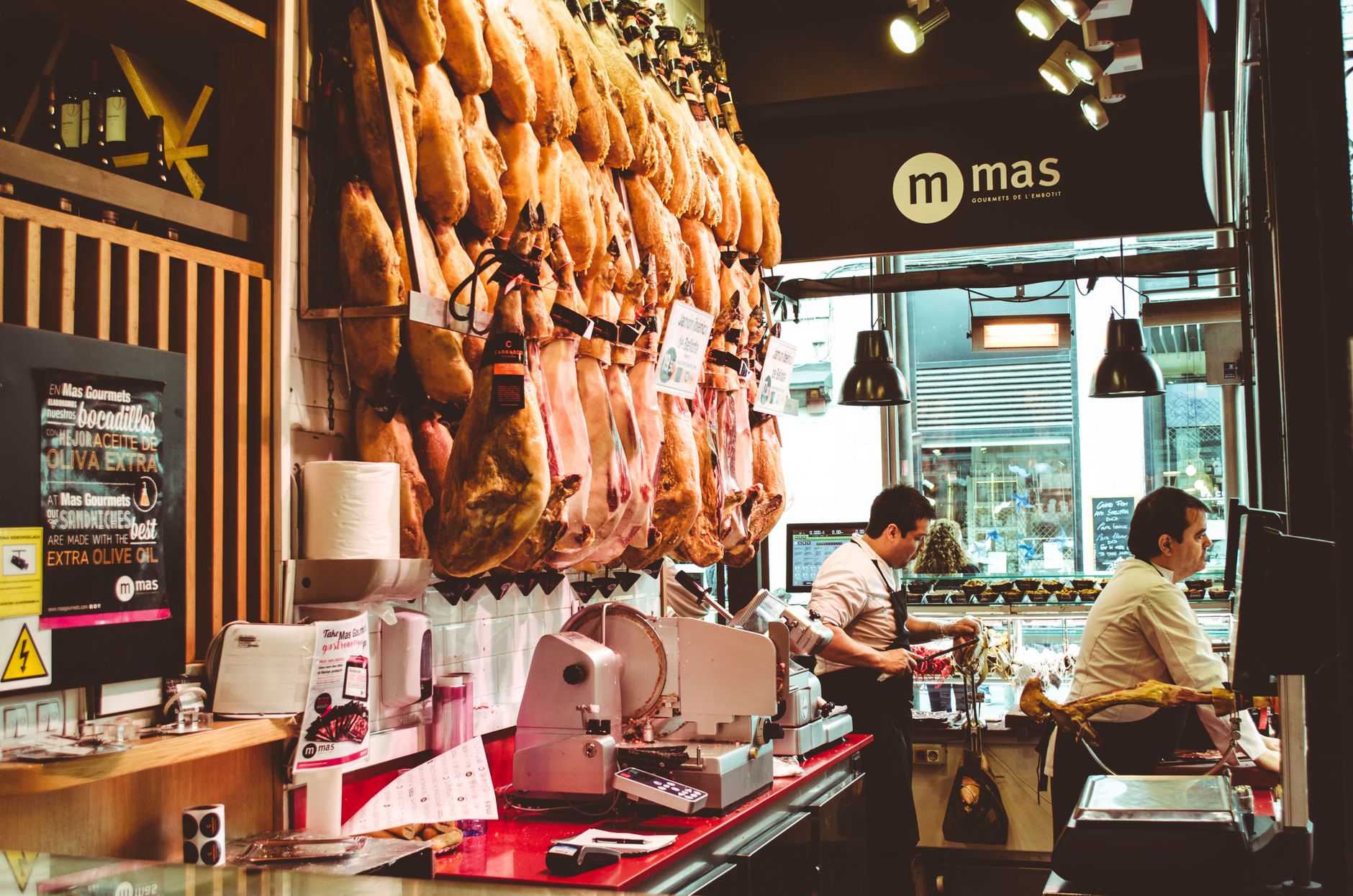
Quality under-the-radar deli meats arent always available at every grocery store, but local Halal-certified specialty delis or artisanal markets often stock these gems. Increasingly, reputable online retailers offer Halal-certified varieties shipped quickly to maintain freshness.
When buying, look for packaging that clearly displays Halal certification logos from trusted bodies such as JAKIM or IFANCA. Authentic producers also list ingredient origins, curing methods, and allergen information prominently.
Safe Storage Tips
Preserving flavor and safety requires proper handling. Store unopened deli meats in the refrigerator at or below 4C. Once opened, wrap slices tightly in wax paper or airtight containers.
- Most sliced deli meats last 57 days after opening when stored properly.
- If not using within a week, freeze portions (up to 2 months) wrapped in freezer-safe packaging to avoid freezer burn.
- Always check for odor changes or discoloration before consumption to prevent foodborne illness.
Experts recommend consuming cured meats shortly after purchase for the best texture and taste.
Certification & Label Checks
When reading labels, prioritize these key points:
- Confirm Halal logos like JAKIM, HMC, or IFANCA to ensure compliance.
- Review ingredient list ordermeats should be the first ingredient, with minimal additives.
- Check sodium contentaim for options under 500mg per serving if health-conscious.
- Watch for sugar and preservative levels; natural curing uses salt and natural spices, not artificial colors or high-sugar additives.
- Avoid vague claims like all-natural without certification or ingredient transparency.
Pro Tips for Buying Deli Meats
- Dont pick solely on price: Cheap deli meats may contain fillers, artificial preservatives, or non-Halal ingredients. Quality artisanal options may cost more but deliver better flavor and clean ingredient labels.
- Look beyond the brand: Explore regional producers or small-batch makers specializing in Halal-friendly, traditional curing methods for authentic taste.
- Ask your deli counter: Staff can often guide you to less common, high-quality meats that fit your Halal and health needs.
Is under-the-radar deli meats actually Halal what should I check?
To confirm a deli meat is Halal, look for certification logos from recognized authorities such as JAKIM, HMC, or IFANCA on packaging. These ensure the meat comes from properly slaughtered animals and free of forbidden substances. Also, read labels carefully to avoid hidden additives like non-Halal gelatin or alcohol-based flavorings.
When is the best time to eat under-the-radar deli meats?
Enjoy these deli meats fresh out of the fridge during lunch or dinner, preferably within a week of opening. Pair them with fresh bread and veggies to create balanced meals that satisfy midday hunger or unwind after work.
Can I freeze under-the-radar deli meats without losing quality?
Yes, freeze deli meats wrapped tightly in freezer-safe materials for up to 2 months. Thaw slowly in the fridge before use to maintain texture and flavor integrity.
Are these meats suitable for low-sodium diets?
Cured deli meats tend to be higher in sodium due to preservation methods. For low-sodium diets, select carefully labeled options under 500mg sodium per serving and consume in moderation.
How do these meats compare nutrition-wise with regular deli cuts?
Under-the-radar deli meats often use leaner cuts or traditional curing with minimal additives, potentially offering cleaner nutrition. However, sodium and fat content vary widely, so always check nutrition facts for each product.
Can these deli meats be used for recipes beyond sandwiches?
Definitely. Try incorporating them in salads, pasta dishes, or tapas plates to add complex flavor without overwhelming other ingredients.
What breads complement these unique deli meats best?
Rustic breads like ciabatta, sourdough, or whole-grain baguettes complement the firm texture and bold flavors of these meats, balancing richness with chewy crusts and mild sourness.
More You Might Like
Discover the bold, juicy flavors of Black and blue steak for a gourmet grill night that pairs perfectly with your deli meat sandwiches. If you‘re curious about lean cuts, check out the delicate taste and versatility of Coulotte steak for your next Halal feast.
Conclusion
Under-the-radar deli meats offer an exciting way to diversify your sandwiches while keeping Halal and health-conscious choices front and center. Next time you shop, check the label carefully, choose artisanal or Halal-certified varieties, and experiment with fresh pairings. Your lunch routine will thank you for the flavorful upgrade and your sandwich will be anything but ordinary.
FAQs
Is under-the-radar deli meats actually Halal — what should I check on the label?
To ensure deli meats are Halal, look for certification logos from trusted authorities like JAKIM, HMC, or IFANCA. Also, review ingredient lists to avoid non-Halal additives such as gelatin or alcohol-based flavorings, confirming compliance with Islamic dietary laws.
How long do under-the-radar deli meats last after opening?
Properly stored deli meats last about 5 to 7 days in the refrigerator after opening. Keep them tightly wrapped or sealed in airtight containers to preserve freshness and prevent spoilage.
What makes under-the-radar deli meats different from common deli cuts?
These meats feature unique regional flavors, traditional curing methods, and firmer textures. They often use leaner cuts and distinctive spices, offering a more artisanal taste compared to widespread deli meats like standard salami or mortadella.
Is it safe to consume under-the-radar deli meats daily?
While flavorful and often made with fewer additives, many cured deli meats have higher sodium content. Moderation is advised, especially for those monitoring salt intake. Pairing with fresh vegetables and whole grains helps balance nutrition.
Where can I buy Halal-certified under-the-radar deli meats?
Look for these deli meats in Halal specialty delis, artisanal markets, or reputable online retailers. Always verify Halal certification logos on packaging to ensure authenticity and proper preparation.