Canned meats are one of the most practical solutions for busy cooks who value protein without sacrificing convenience. Whether you are preparing a quick lunch or stocking up for emergencies, having reliable canned meats on hand saves time and money. The key lies in choosing quality products that meet your dietary standards, especially Halal certification. This guide walks you through the best options, what to look for on labels, and how to use them in everyday meals.

Why Stock Canned Meats? Benefits and Considerations
What makes canned meats a smart pantry choice?
Protein-packed and shelf-stable, canned meats offer a reliable protein source that lasts for years. According to USDA FoodData Central, a typical 100g serving of canned tuna fish provides around 26g of protein with minimal preparation. They also cost less per serving compared to fresh meat, especially when bought in bulk. For families following Halal diets, canned options eliminate the hassle of sourcing fresh Halal-certified protein every week.
Are there any health risks or downsides?
The main concern with preserved meat products is sodium content. Some brands pack over 400mg of sodium per serving, which adds up quickly. BPA-lined cans also raise questions about long-term exposure. To minimise risks, choose BPA-free labels, rinse canned meats before use, and look for low-sodium variants. Certified Halal brands often adhere to stricter processing standards, which can mean cleaner ingredient lists.
Expert insights and nutrition data summary
Dietitians recommend limiting processed meat intake to 23 servings per week. A comparative look at canned vs fresh meat shows canned versions lose some B vitamins during heat processing but retain most protein and minerals like iron. Always check the nutrition panel for added sugars and artificial preservatives.
| Nutrient (per 100g) | Canned Tuna Fish (in water) | Fresh Chicken Breast |
|---|---|---|
| Protein | 26g | 31g |
| Sodium | 340mg | 75mg |
| Iron | 1.5mg | 0.9mg |
| Calories | 116 | 165 |
Top 14 Canned Meats to Keep on Hand
Tuna Fish
The most versatile pantry protein food on this list. Chunk light tuna fish works best for salads and sandwiches, while solid white albacore holds up in pasta dishes. Look for brands packed in water or olive oil to control fat intake. Rinse after opening to reduce sodium by up to 40%.
Salmon
Rich in omega-3 fatty acids, canned salmon supports heart health. Wild-caught varieties offer a deeper flavour and slightly higher nutrient density than farmed. Use it in patties, salads, or simple spreads. The soft bones are edible and provide calcium.
Sardines
Nutrient-dense and affordable. Sardines deliver calcium, vitamin D, and protein in a single serving. Their strong flavour pairs well with crackers, lemon, and fresh herbs. Many Halal-certified sardine brands exist check the label for certification from JAKIM or IFANCA.
Spam
A classic canned ground pork product beloved across Asia. While not traditionally considered a whole food, Spam offers a filling protein option for fried rice, sandwiches, and stews. Opt for the less-sodium version if available. Always verify Halal certification, as some varieties contain pork-based gelatin.
Canned Ground Beef
Convenient for tacos, chili, and pasta sauces. Canned ground beef saves the step of browning fresh meat. Drain and rinse thoroughly to remove excess fat and sodium. Store unopened cans in a cool, dry pantry for up to five years.
Oysters
Smoked or plain, canned oysters bring a touch of luxury to your pantry. They are rich in zinc and iron. Serve them on toast with cream cheese or toss into seafood chowder. Look for wild-caught Pacific oysters for better flavour.
Chicken
Pre-cooked and shredded, canned chicken is a lean protein canned meat option that needs zero prep. Use it in soups, casseroles, or on top of salads. Many Halal-certified brands now offer boneless, skinless chicken in cans. Check the ingredient list for added broths or starches.
Corned Beef
Hearty and bold in flavour. Corned beef hash remains a breakfast favourite. The best quality corned beef comes from brisket cuts, not re-formed scraps. Look for products with simple spices and no artificial nitrates. Halal corned beef is available from select brands.
Clams
Chopped or whole, canned clams are excellent for chowders, pasta sauces, and linguine. The juice doubles as a rich stock base. Keep a few cans for last-minute seafood dishes. Rinse thoroughly to remove grit.
Anchovies
Strong, salty, and packed with umami. Anchovies dissolve into sauces, dressings, and marinades. Use sparingly a single fillet can transform a tomato sauce. Store opened anchovies in oil in the fridge for up to two months.
Deviled Ham
A spreadable canned meat perfect for quick sandwiches and snacks. Deviled ham blends finely ground ham with seasonings. Spread on crackers or toast for a protein boost. Halal versions exist but are less common search for certified Halal meat spreads.
Mussels
Smoked mussels in oil make an elegant appetiser. They are tender and flavourful, ideal for salads or pasta. Look for sustainably sourced mussels from certified fisheries. Store unopened cans in a cool pantry away from direct sunlight.

Octopus
A more adventurous option. Canned octopus is pre-tenderised and ready to eat. Slice it into salads, toss with olive oil and herbs, or serve as tapas. The texture is firm yet tender. Halal-certified octopus is widely available in Mediterranean brands.
Crab
Premium canned meat for special meals. Lump crab meat works beautifully in crab cakes, dips, and soups. Prices vary significantly by quality grade. Always drain and check for shell fragments before use. Certified Halal crab options are limited check country of origin and certification.
How to Choose and Store Canned Meats for Maximum Benefit
What to look for on labels?
Start with the ingredient list. The first ingredient should be the meat itself, not water or fillers. Look for low sodium if you watch your salt intake aim for under 300mg per serving. Check for BPA-free labels, especially for oily fish like sardines and salmon. Certification logos matter: JAKIM, HMC, or IFANCA indicate Halal compliance. Watch out for misleading claims like natural or premium these are not regulated. Instead, rely on the ingredients and nutrition facts.
Buyers Checklist
| Certification | Price Range | Common Formats | Shelf Life | Key Allergens |
|---|---|---|---|---|
| Halal (JAKIM, HMC, IFANCA) | $1.50 $8.00 per can | Can, jar, pouch | 35 years | Fish, shellfish, soy (in some sauces) |
| Organic | $3 $12 per can | BPA-free can, glass jar | 24 years | Varies by meat type |
| Conventional | $1 $4 per can | Standard tin can | 46 years | None unless flavoured |
Best pantry storage practices
Store unopened cans in a cool, dry place between 1021C. Avoid damp basements or areas above ovens. Once opened, transfer leftover canned meat to a sealed glass container and refrigerate. It keeps for 57 days in a sealed container. Do not leave opened cans in the fridge the metal can affect flavour. Always use a clean spoon to avoid contamination.
Recipes and Meal Ideas Using Canned Meats
Quick tuna fish salad
Drain one can of chunk light tuna fish. Mix with 2 tablespoons Greek yoghurt, 1 teaspoon Dijon mustard, diced celery, and a squeeze of lemon. Season with black pepper. Serve on whole grain bread or lettuce wraps. Takes under 5 minutes.
Corned beef hash with eggs
Dice 1 can of corned beef and pan-fry in 1 tablespoon olive oil over medium heat for 8 minutes. Add cooked potatoes and cook until crispy. Make four wells and crack in eggs. Cover and cook 6 minutes until eggs set. Season with paprika.
Pairing canned meats with pantry staples
Combine canned chicken with rice, frozen peas, and a dash of soy sauce for a quick fried rice. Mix canned ground beef with canned tomatoes and beans for a 15-minute chili. Sardines work beautifully mashed onto toast with avocado. The key is balancing flavours acid (lemon, vinegar) cuts richness, while fresh herbs lift the taste.
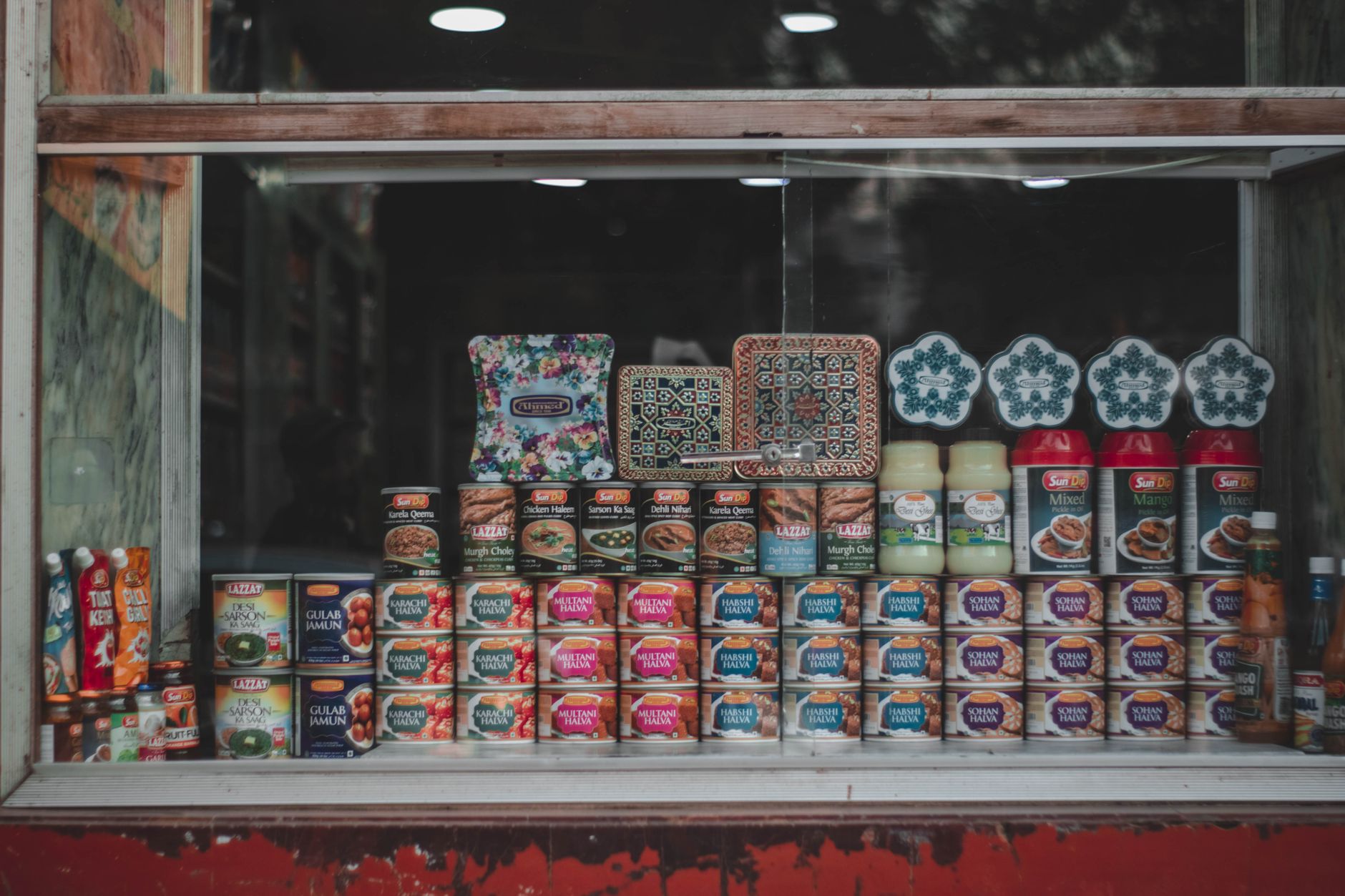
Is canned meat actually Halal what should I check?
Not all canned meat is automatically Halal. You must check for a recognised Halal certification logo from bodies like JAKIM (Malaysia), HMC (UK), or IFANCA (USA). Some brands label Halal without certification these should be verified. Avoid any product containing pork, pork gelatin, or non-Halal animal derivatives. Also check for alcohol-based ingredients in flavoured or marinated varieties.
How long do canned meats last after opening?
Once opened, most canned meats last 57 days in a sealed container in the refrigerator. Tuna fish and chicken dry out faster use within 4 days for best texture. Oily fish like sardines and anchovies can remain flavourful for up to 7 days. Never leave opened cans at room temperature for more than 2 hours.
Can I eat canned meat straight from the can?
Yes, most canned meats are fully cooked during the canning process and safe to eat without reheating. Tuna fish, salmon, sardines, and chicken can be consumed directly. However, rinsing reduces sodium and improves texture. Canned ground beef and corned beef taste better when heated through.
Which canned meat has the lowest sodium?
Low-sodium tuna fish and low-sodium chicken typically have 150200mg sodium per serving. Sardines in water also rank low. Avoid flavoured or smoked varieties, as they often contain added salt. Reading the nutrition panel is the only reliable way to compare brands.
Are canned meats as nutritious as fresh meat?
Close, but not identical. The heat processing used in canning destroys some vitamin B1 and B6, but protein, iron, and zinc remain intact. Canned fatty fish like salmon and sardines retain their omega-3 content. For most people, the convenience and shelf life outweigh the minor nutrient losses.
What are the best brands for Halal canned meats?
Popular Halal-certified brands include Ayam Brand (Malaysia), Sultan Fish (Middle East), and Wild Planet (some lines). Always verify the certification on each can, as production lines change. Local Halal butchers sometimes stock private label canned options. Check online retailers for wider selection.
Can I freeze leftover canned meat?
Yes, you can freeze leftover canned meat for up to 3 months. Transfer to an airtight container or freezer bag. Thaw in the fridge overnight. Freezing works best for chicken, ground beef, and corned beef. Tuna fish and sardines become mushy after thawing, so avoid freezing those.
Pro Tips for Buying Canned Meats
The most overlooked buying mistake is ignoring the liquid inside the can. Many brands pack meat in water, broth, or oil that is high in sodium or additives. Rinsing before use significantly improves your meals nutritional profile. Cheap versions often contain higher amounts of fillers, starches, and sodium you pay for lower quality meat trimmings. An expert upgrade: choose canned meats in olive oil or natural juices, then use the packing liquid as a flavouring base for soups and sauces. This reduces waste and enhances taste.
More You Might Like
Interested in exploring other protein sources? Read our guide to best steak cuts for tips on selecting quality fresh beef. You might also enjoy comparing cooking fats check out beef tallow vs lard for healthier options in your kitchen.
Conclusion
Canned meats offer a convenient, protein-rich solution for busy days and emergency pantries. By choosing certified Halal brands, reading labels carefully, and storing them properly, you can enjoy the benefits without compromising on health or ethics. Next time you shop, take a closer look at the certifications and ingredient lists and consider adding a few varieties from this list to your rotation. Your pantry will thank you.
FAQs
Is canned meats actually Halal — what should I check on the label?
Not all canned meats are automatically Halal. Look for a recognized certification logo from bodies such as JAKIM, HMC, or IFANCA. Also check that the product contains no pork, pork gelatin, or non-Halal animal derivatives. Avoid any listing of alcohol-based ingredients in flavored varieties. If a brand claims Halal without certification, verify with the manufacturer before purchasing.
How long do canned meats last after opening?
Once opened, transfer leftover canned meat to a sealed glass container and refrigerate. Most types stay safe for 5–7 days. Tuna and chicken dry out faster, so use within 4 days for best texture. Oily fish like sardines can remain flavourful for up to 7 days. Never leave opened cans at room temperature for more than 2 hours.
What is the difference between canned and fresh meat nutrition?
Canned meats retain most of their protein, iron, and zinc, but heat processing destroys some vitamin B1 and B6. Canned fatty fish like salmon and sardines still provide omega-3 fatty acids. Fresh meat has slightly higher vitamin content and lower sodium. For convenience and shelf life, however, canned options are a practical alternative with comparable protein levels.
Where can I buy Halal certified canned meats?
Popular Halal-certified brands include Ayam Brand (Malaysia), Sultan Fish (Middle East), and certain lines from Wild Planet. You can also find them at specialized halal butchers, Middle Eastern grocery stores, and online retailers. Always verify the certification logo on each can, as production lines may change. Checking online marketplaces often gives you wider selection and price comparisons.