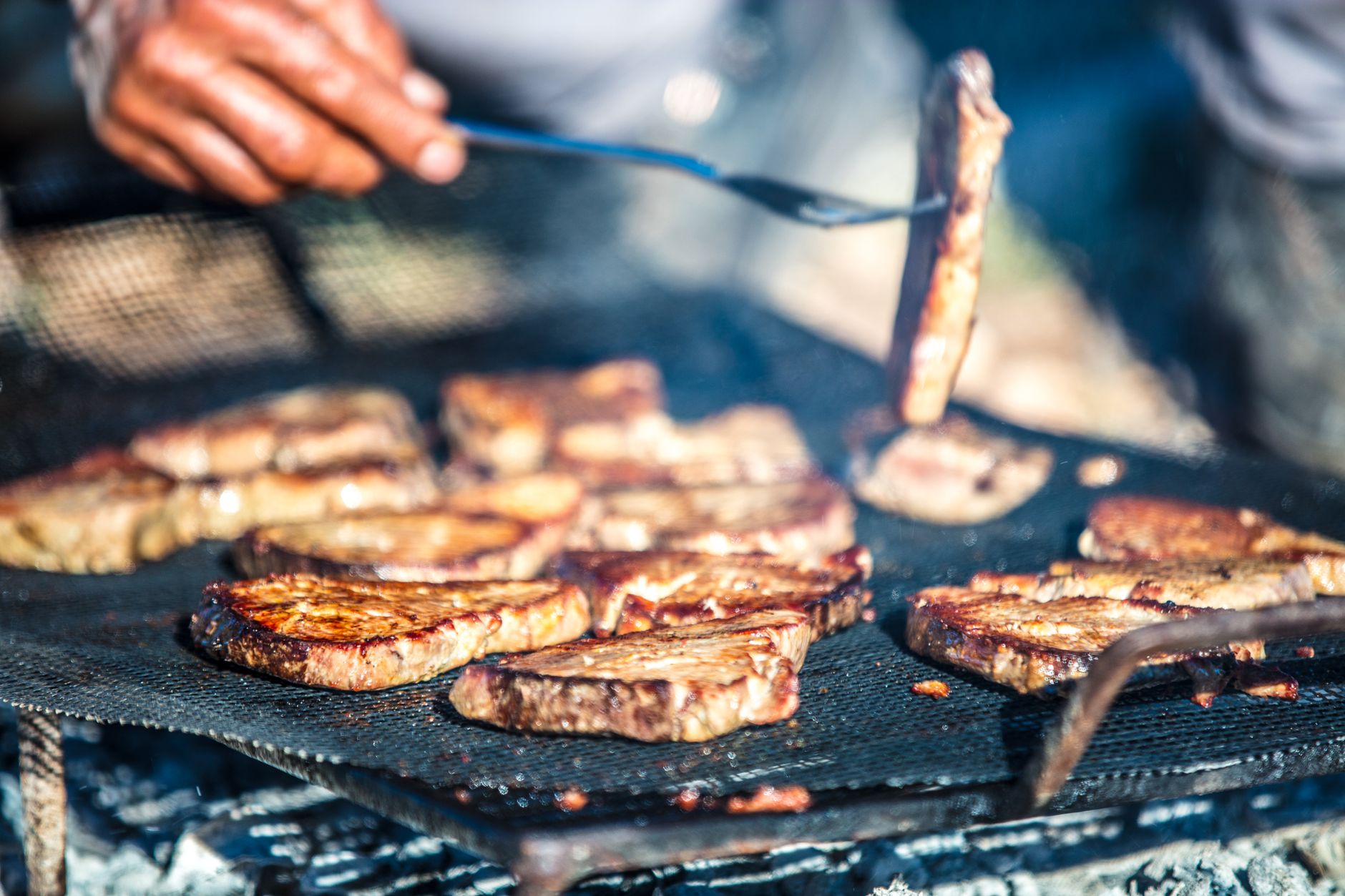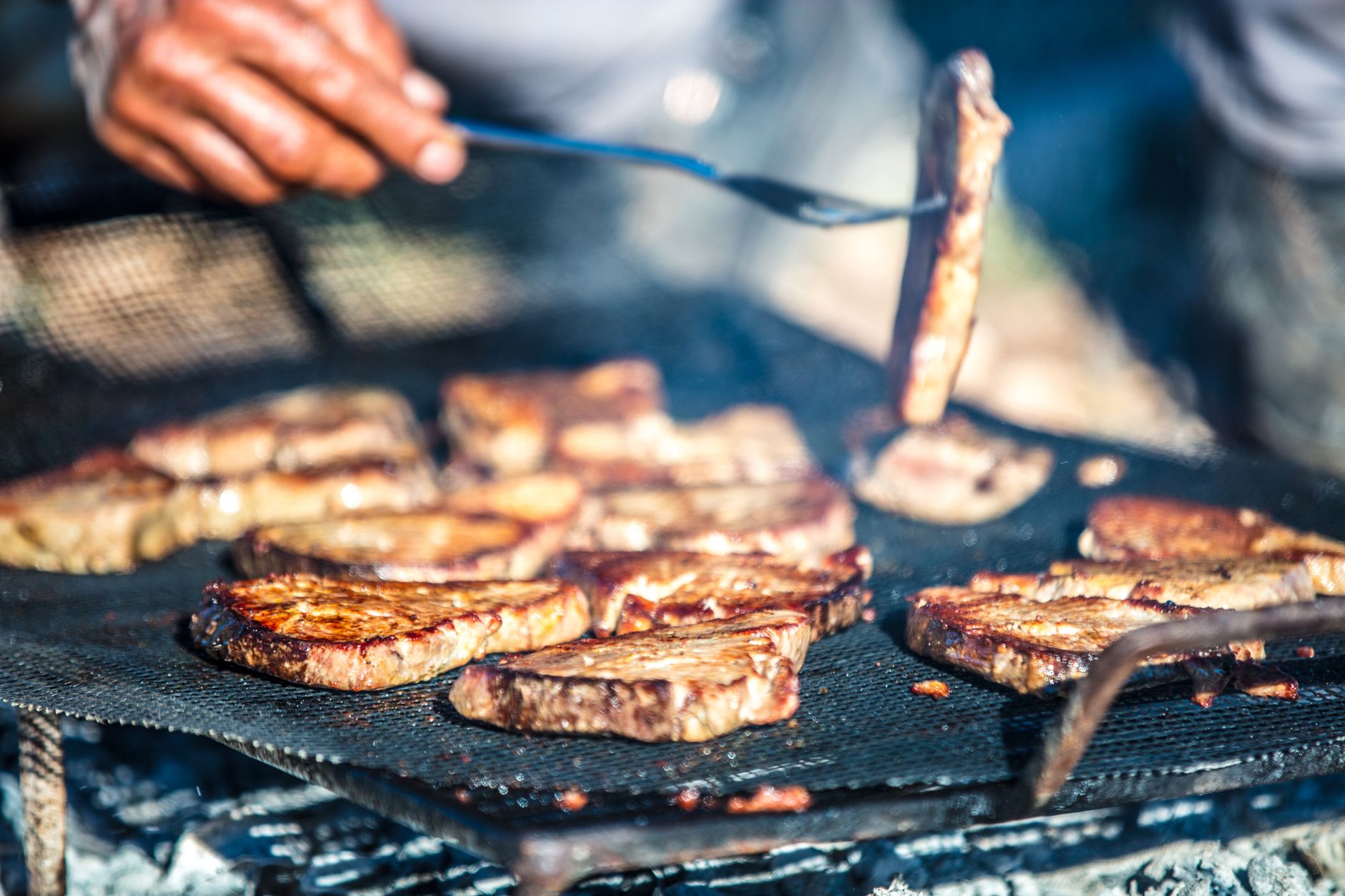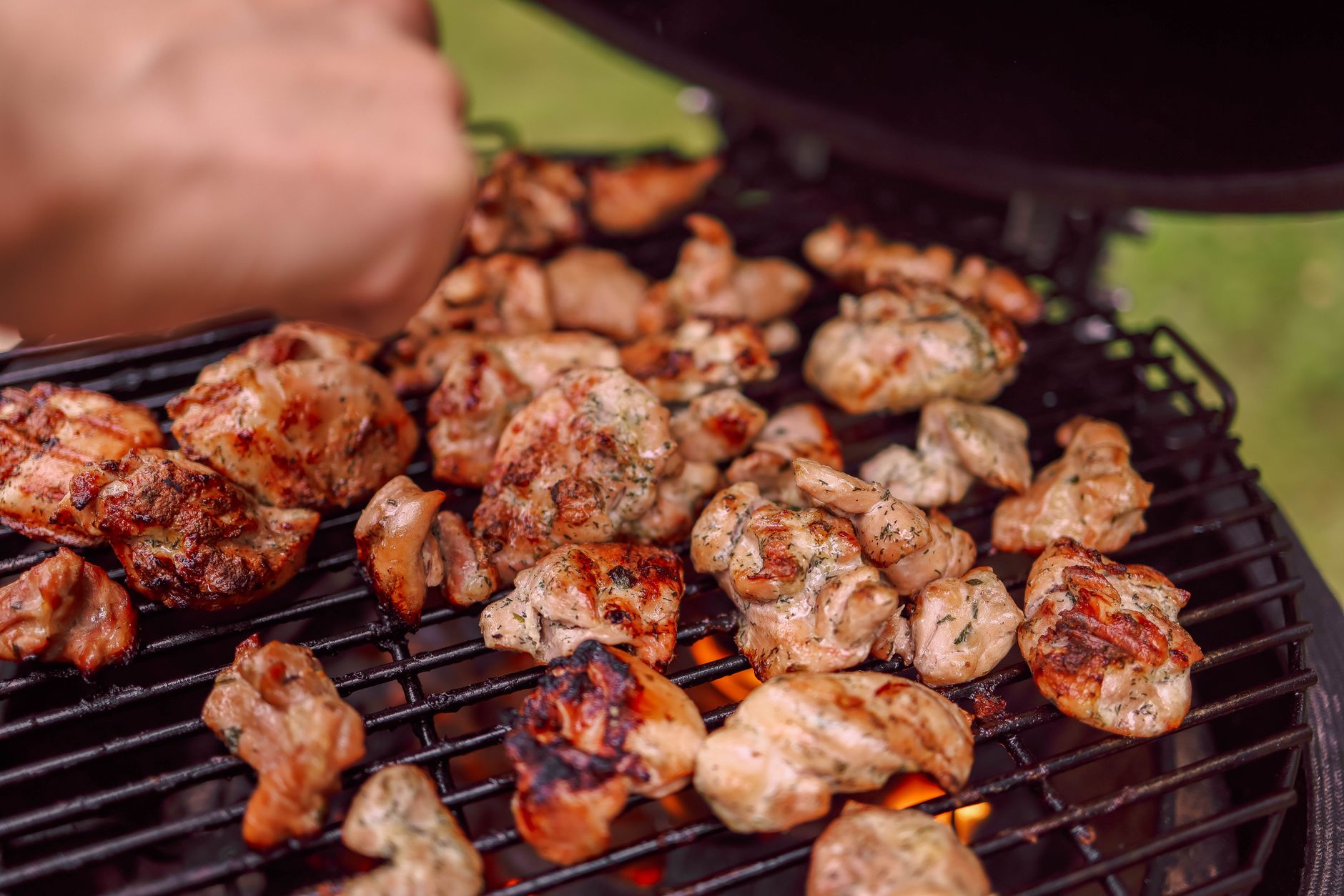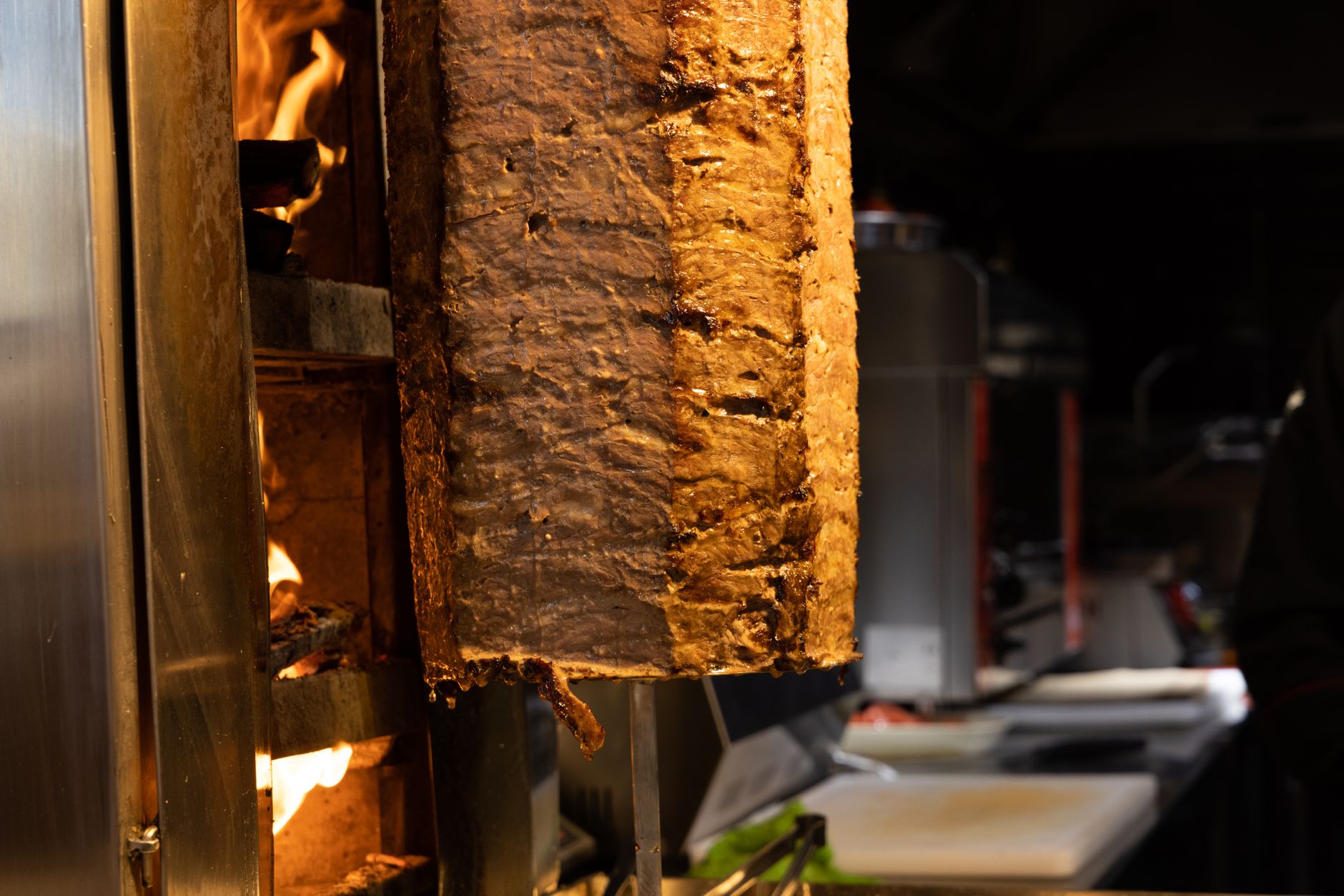
Mastering BBQ cooking tips can unlock a whole new level of flavor and juiciness in your grilled dishes. Many overlook key techniques that boost tenderness and taste, sometimes sticking to common myths that spoil the experience. Whether you prefer beef, lamb, or chicken, applying the right barbecue methods ensures a healthier, Halal-friendly meal every time. Lets talk about what really makes barbecue shine and how to avoid those pitfalls that dry out or overcook your meat.
Biggest BBQ Myth
What is this common BBQ myth?
One widespread myth is that constantly flipping your meat makes it cook faster and more evenly. Many believe this keeps the meat juicy and prevents burning. However, the truth is far different.
Explanation of the myth with simple terms
The idea pushed by popular BBQ advice is flip often for even cooking. People think rapid turning stops flare-ups and prevents overcooking, making the meat tender. This advice sounds logical but doesnt hold when grilling thicker cuts or larger portions.
Why its so popular and how it spread
This myth spread quickly due to cooking TV shows and online tutorials aiming to simplify grilling. The advice was handy for beginners but overlooked essential variables like heat control and meat resting.
How this myth negatively affects your BBQ outcomes
Real examples of typical BBQ fails caused by the myth
Flipping meat too frequently often leads to uneven charring, loss of flavorful crust (the Maillard reaction), and dryness inside. For example, constantly flipping a ribeye can disrupt proper sear formation, resulting in a tough texture.
Expert insights on debunking this myth safely
Quotes or tips from BBQ pros or culinary experts
According to pitmasters, letting meat cook undisturbed on each side for at least 4-6 minutes on medium-high heat creates the perfect sear and locks in juices. Frequent flipping can make it impossible to develop that signature barbecue crust.
Essential BBQ Cooking Tips
Prepare meat properly before grilling
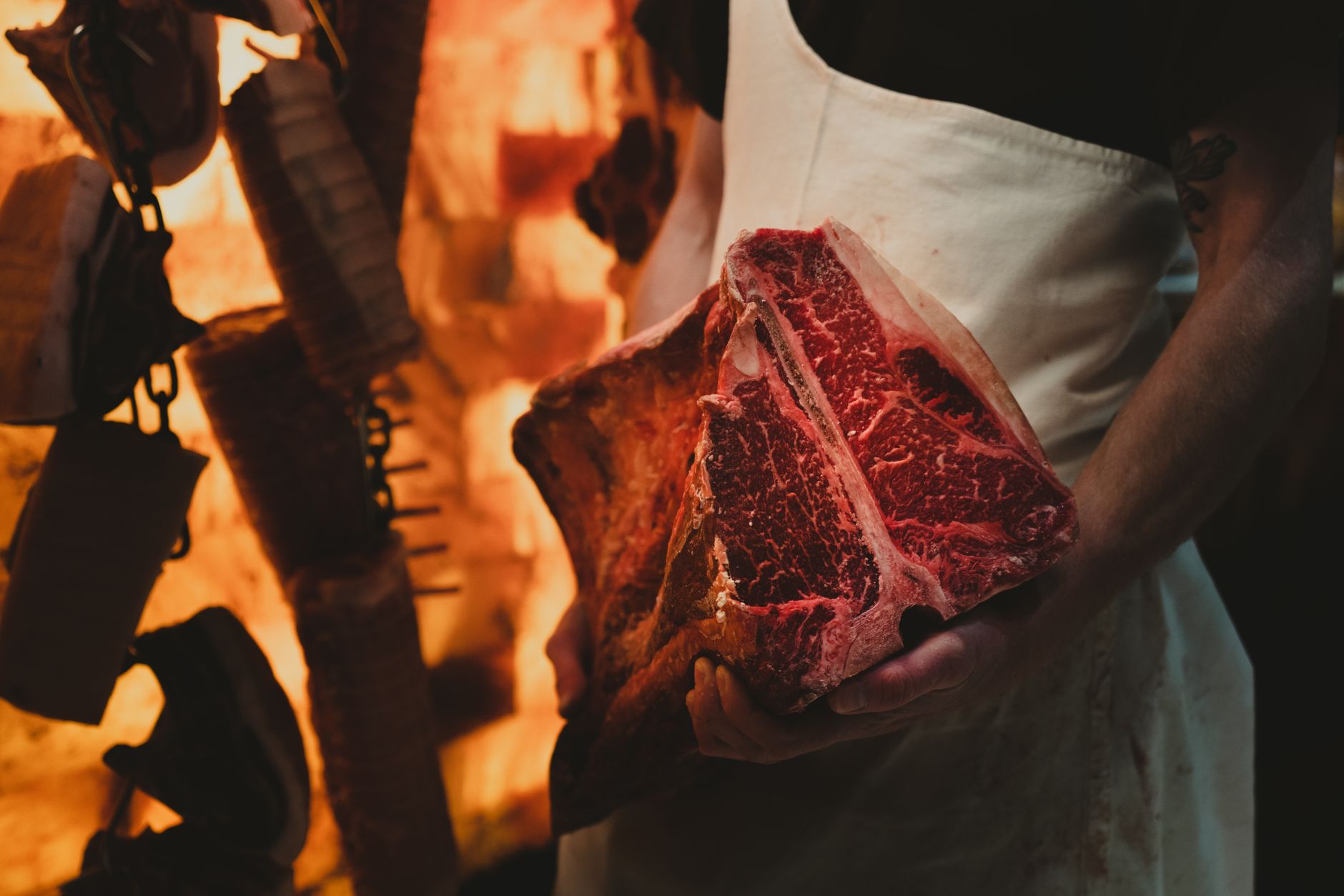
Choosing the right cut makes a major difference. For a tender BBQ, select meats with good marbling, like brisket or chuck for beef, and ensure your poultry is fresh and Halal-certified by authorities such as JAKIM or HMC. Halal certification guarantees the meat aligns with strict animal welfare and cleanliness standards essential for many consumers.
Choosing the right cuts what to look for
- Look for cuts with even fat distribution for juiciness
- Lean cuts work with marinades to prevent drying
- For quick grilling, choose thinner, tender cuts like sirloin or chicken breast
Marinades, rubs, and seasoning tips
Use acidic ingredients in marinadeslike lemon juice or vinegarto tenderize meat. Incorporate spices like cumin, paprika, and garlic powder for deep flavor. Remember, salt enhances moisture retention but use it 3060 minutes before grilling to prevent dryness.
Temperature control for different meats
Equip yourself with a reliable meat thermometer to hit the sweet spot of doneness safely, especially for Halal meats that must be cooked thoroughly yet remain juicy.
Use of meat thermometers internal temp charts
| Meat Type | Safe Internal Temp (F) | Notes |
|---|---|---|
| Beef (medium rare) | 130-135F | Rest 5-10 minutes after grilling |
| Chicken | 165F | Fully cooked to avoid foodborne illness |
| Lamb | 135-140F | Rest before slicing |
Common BBQ techniques: direct vs indirect heat explained
Direct heat grilling cooks food over flames or hot coals. Its great for quick-cooking items like kebabs or chicken thighs. Indirect heat means placing food beside rather than directly above the heat source, perfect for larger cuts requiring slow and even cooking.
Timing and flipping technique
Flip your meat just once or twice. Let each side develop a caramelized crust before turning. Avoid poking or pressing meat to keep juices inside.
Mistakes to avoid that dry out or overcook your meat
- Over-flipping, causing uneven cooking
- Using extremely high heat with no control
- Skipping resting, causing juice loss when slicing
Resting your meat
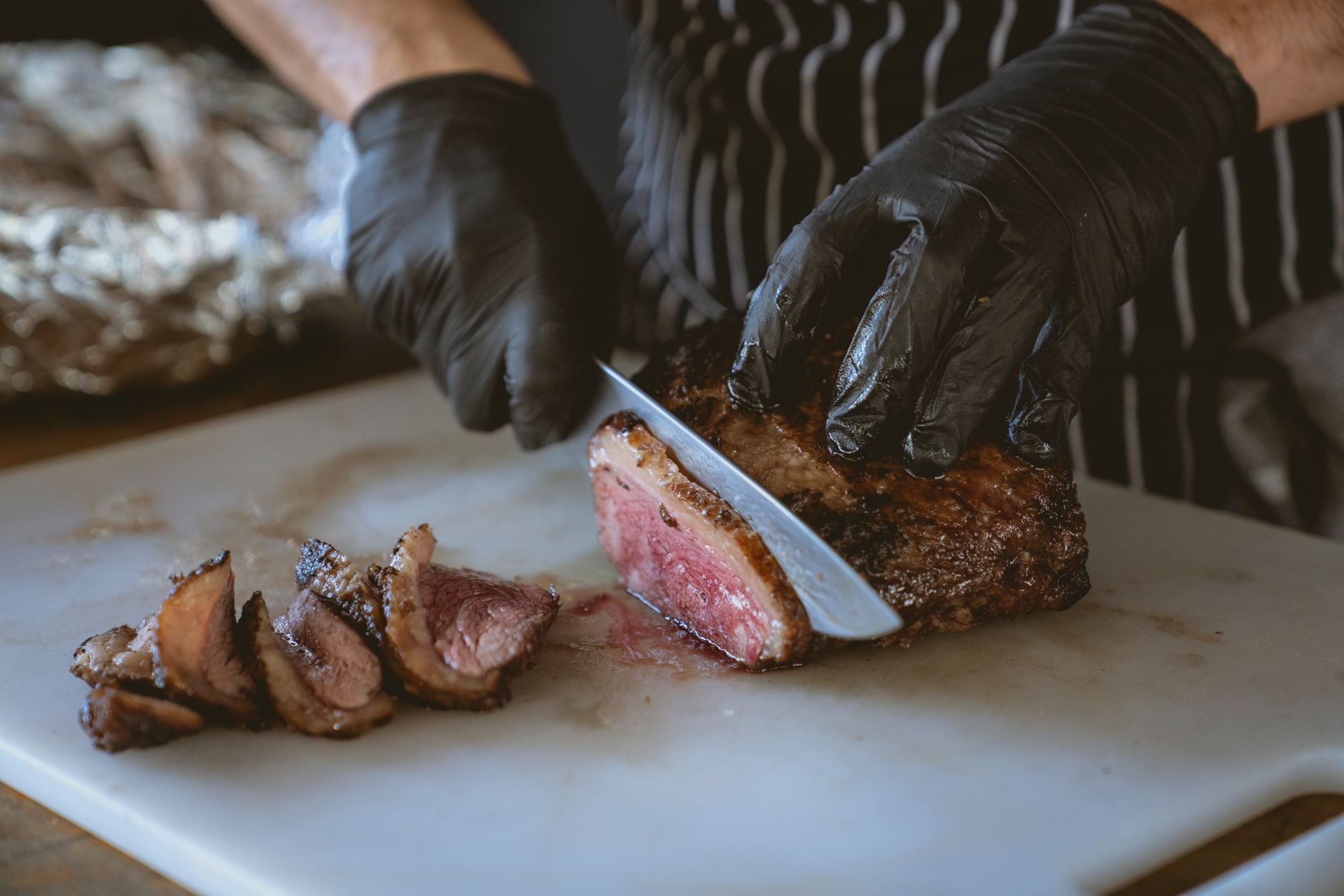
Once off the grill, let your meat rest for 5 to 10 minutes. Resting allows juices to redistribute, leaving the meat moist. Skipping this step often results in dry, less flavorful results.

Grilling Tips Pros Miss
Avoid flare-ups without losing flavor
Flare-ups usually occur when fat drips onto the fire, causing flames that char food excessively. Trim excess fat before grilling and use a spray bottle of water nearby for minor flare-ups. Lowering grill temperature can also help control flames without sacrificing smoky taste.
Wood chips, charcoal types, and smoke flavor
Different woods add unique aromas: applewood imparts fruitiness, hickory adds bold flavors. Choose lump charcoal over briquettes for cleaner heat and fewer additives, perfect for natural-tasting BBQ. Soak wood chips for 30 minutes to produce steady smoke without quick burning.
BBQ tools and accessories for control
Recommended tools and how to use them effectively
- Use tongs instead of forks to prevent piercing
- Digital meat thermometer for precise doneness
- Grill brush for clean gratesmaintain hygiene
- Heat-resistant gloves protect while turning or moving food
Safety: Balancing flavor with health
Charred food contains harmful compounds if overdone. Avoid blackened edges, trim burnt parts, and cook at moderate temperatures for better health without compromising flavor. Certified Halal meats ensure ethical sourcing and preparation, complementing safe cooking practices.
BBQ Myths vs Reality
Debunking common BBQ myths beyond the main one
- Myth: Searing seals in juices. Reality: Searing actually creates flavor but doesnt lock moisture.
- Myth: Gas grilling is inferior to charcoal. Reality: Each has strengths; gas offers convenience, charcoal more aroma.
- Myth: Marinades always tenderize tough meat. Reality: Acidic marinades help but only if marinated for hours.
How to spot BBQ misinformation
Watch for vague claims like secret ingredient or must-have cookware without clear explanation or expert backing. Rely on certified food safety sources and trusted BBQ communities.
Sources for reliable hunting and learning
Refer to USDA guidelines on safe cooking temps, or culinary certification bodies. For Halal meat standards, look for labels from JAKIM, HMC, or IFANCA to ensure proper sourcing.
Building BBQ knowledge over time
Practice is key. Experiment with different cuts, wood chips, and heat methods. Take notes and adjust based on results. Theres no substitute for hands-on experience combined with trusted advice.
BBQ Success Stories
From smoky mess to masterpiece
Many first-time grillers share stories of burnt steaks or undercooked chicken. Learning the right temperature and adjusting grill zones transformed their outcomes. Patience and the right tools made all the difference.
Experienced grillers advice
One pitmaster advises: Invest in a basic, reliable thermometer. Dont trust touch alonemany amateurs over- or undercook because they guess."
Tips from BBQ competitions
Competition chefs stress consistent temperature and meat preparation over flashy gadgets. Using Halal-certified, quality cuts such as premium lamb ribs often distinguishes winners, highlighting clean, traceable sourcing.

Is BBQ cooking tips actually Halal what should I check?
Barbecue cooking tips themselves do not affect Halal status, but ensuring your meat is Halal-certified through respected bodies like JAKIM or HMC is essential. Also, ensure your grill and utensils are clean and not cross-contaminated with non-Halal items for compliance.
When is the best time to eat BBQ?
BBQ tastes best freshly grilled, ideally enjoyed within 30 minutes of resting. For outdoor gatherings, midday or early evening offers the best balance of temperature and social ambiance to savor your meal.
How long should meat rest after grilling?
Rest meat for 5 to 10 minutes post-grilling to allow juices to redistribute, making the result tender and juicy. Larger cuts may need slightly longer rest times of 12 to 15 minutes.
Can I use charcoal and maintain Halal standards?
Yes, charcoal grilling is Halal-friendly when the meat is certified Halal and no cross-contamination occurs. Clean your grill thoroughly and avoid using wood or additives that may not meet Halal guidelines.
Whats the safest way to avoid flare ups?
Trim excess fat before cooking and maintain a water spray bottle to manage flare-ups during grilling. Cooking with indirect heat on fattier cuts also reduces the risk of dangerous flames.
How do I know when chicken is cooked on the BBQ?
Chicken should reach an internal temperature of 165F according to the USDA FoodData Central. Use a meat thermometer in the thickest part to confirm doneness and avoid foodborne illnesses.
Do marinades affect Halal status?
Marinades are Halal as long as their ingredients are Halal-certified and free from non-Halal alcohol or animal products. Always check marinade labels and use homemade marinades to control ingredients.
Pro Tips for Better BBQ Flavor
- Dont skip preheating your grill for 15 minutes; it ensures even cooking and clean grates.
- Use a two-zone fire setupone side high heat, one side lowto manage cooking control and flare-ups.
- For deeper flavor, dry brine your meat with kosher salt 24 hours ahead, then rinse and pat dry before seasoning.
- Invest in quality Halal-certified charcoal or lump wood charcoal for cleaner, smokier fires.
- Try adding soaked wood chips directly on coals for an aromatic infusion to your meats.
- Check out articles on Coulotte steak grilling for mastering specific beef cuts.
- Explore options with best bacon brands to add savory flavors to your grill-side snacks (Halal-certified options available).
More You Might Like
Discover detailed guides on Coulotte steak grilling, a flavorful beef cut perfect for Halal BBQ enthusiasts seeking something new.
Looking for cured meat options? Our review of best bacon brands includes Halal-certified selections to elevate your smoky flavors responsibly.
Conclusion
Incorporating reliable BBQ cooking tips can elevate your grill game while respecting Halal dietary needs. Remember to challenge common myths, prioritize proper temperature control, and use certified Halal meats. Try these techniques next time you grill and enjoy tender, flavorful results. Share your BBQ experiences or questions belowwe love hearing from fellow grillers.
FAQs
Is BBQ cooking tips actually Halal — what should I check on the label?
BBQ cooking tips themselves don’t affect Halal status. Ensure your meat is Halal-certified by trusted bodies like JAKIM or HMC, and keep your grill and utensils free from contamination with non-Halal items for full compliance.
When is the best time to eat BBQ?
BBQ tastes best freshly grilled, ideally within 30 minutes after resting. For outdoor gatherings, midday or early evening provides a comfortable temperature and great ambiance to enjoy your meal.
How long should meat rest after grilling?
Rest meat for 5 to 10 minutes post-grilling to allow juices to redistribute, ensuring moist and tender results. Larger cuts may require 12 to 15 minutes for optimal juiciness.
Can I use charcoal and maintain Halal standards?
Yes, charcoal grilling is Halal-friendly when using Halal-certified meat and preventing cross-contamination. Clean your grill thoroughly and avoid additives that don't meet Halal guidelines.
What’s the safest way to avoid flare-ups?
Trim excess fat before grilling and keep a spray bottle of water nearby to manage flare-ups. Cooking with indirect heat on fattier cuts also helps reduce flare-up risks while preserving flavor.