When looking for rich, natural cooking fats, beef tallow and lard often come up as popular choices. Both are rendered animal fats with long culinary history, but you might wonder how they differ and which suits your kitchen better. Understanding beef tallow vs lard means knowing their sources, flavors, cooking qualities, and nutritional aspectsespecially if you want Halal-certified and health-conscious options for your meals.
What Are Beef Tallow and Lard?
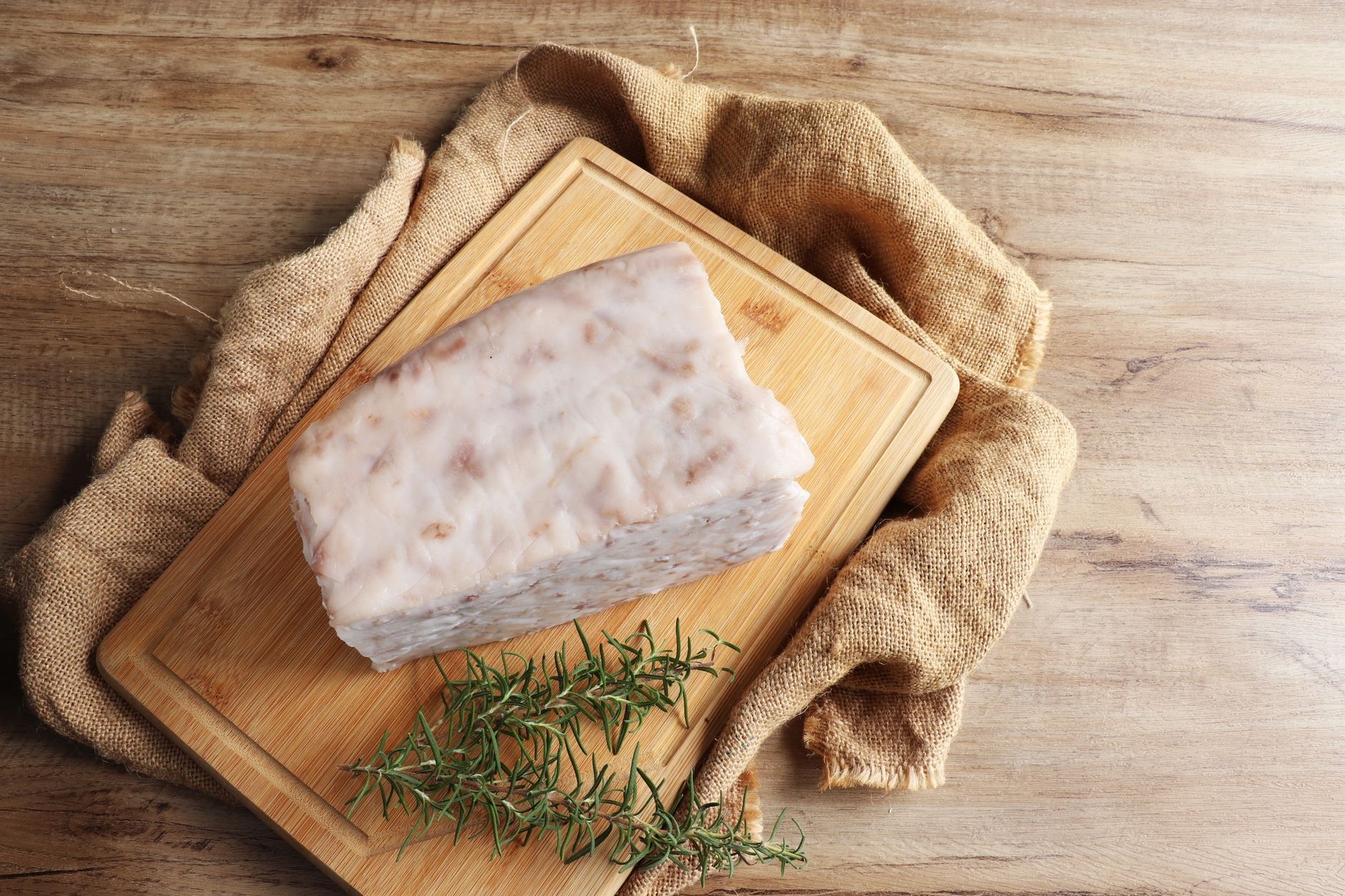
Beef tallow and lard are solid fats rendered from animals but come from distinctly different sources. Beef tallow is extracted primarily from the fat around cattleusually the suet found near kidneys and other internal organs. Lard renders from pig fat, mostly the leaf fat found around the pigs kidneys or back fat.
Both fats consist mostly of saturated and monounsaturated fats, but their exact ratios and melting points vary. Tallow tends to be harder and has a deeper, beefy aroma, whereas lard is smoother with a milder, slightly porky scent. How these fats are renderedeither at home or commerciallyalso affects their flavor and texture.
How Does the Production Process Affect Quality and Flavor?
The rendering process slowly melts raw fat over low heat to separate the pure fat from protein and water. Home rendering usually produces a fresher, more nutrient-rich final product compared to industrial methods, which often use high heat and solvents. Cold-rendered tallow or lard retains more of its natural flavor nuances and a creamier mouthfeel.
Rendering temperature directly impacts the smoke pointthe highest temperature before fat begins to smoke and degrade. Beef tallow typically withstands higher heat (around 400F/204C) than lard (about 370F/188C), making it more stable for high-heat frying and searing.
| Attribute | Beef Tallow | Lard |
|---|---|---|
| Source Animal | Cattle (cow) | Pig (swine) |
| Texture & Flavor | Firm, beefy aroma | Soft, mild pork scent |
| Smoke Point | ~400F (204C) | ~370F (188C) |
| Common Uses | Frying, roasting, soap making | Baking, frying, pie crusts |
Tallow vs Lard Uses
Choosing between beef tallow and lard often depends on the dish youre preparing and the flavor profile you want.
Beef tallows rich, savory notes pair well with hearty foods like roasted vegetables, fried potatoes, and meat dishes. Its high smoke point makes it ideal for deep frying or searing steak to lock in juices. On the other hand, lard‘s gentle flavor shines in baked goods, giving flakiness to pastries, biscuits, and pie crusts. Its also a favorite for frying doughnuts or tortillas, providing a tender crispness.
Is One Better for High-Heat Cooking?
Because of its higher smoke point, beef tallow handles high temperatures better than lard, reducing the risk of burning or chemical breakdown. If you‘re frying French fries or pan-searing steaks, tallow offers more stability and longer reuse before it breaks down.
Lard still performs well at moderate frying temperatures but can smoke and impart a slightly stronger flavor when overheated.
Can You Substitute Beef Tallow for Lard (and vice versa)?
Substitution is possible in many recipes but not always ideal. Using tallow instead of lard in baking might yield a firmer texture and a beefier aroma that could overwhelm delicate pastries. Conversely, replacing tallow with lard in roasting or frying may result in less flavorful but milder dishes.
When swapping, consider the desired mouthfeel and taste. For frying and sauting, theyre largely interchangeable if temperature is controlled. For baking, stick to lard for classic flakiness unless youre intentionally experimenting with flavor.
Recipe Ideas Using Beef Tallow and Lard
- Beef Tallow: Crispy French fries, roasted root vegetables, seared ribeye steak, homemade beef stock.
- Lard: Flaky pie crusts, tamales, fried chicken, traditional biscuits, refried beans.
Nutrition and Health
Both beef tallow and lard are dense energy sources that contain significant amounts of saturated fat. According to the USDA FoodData Central, 1 tablespoon of each contains around 120 calories and 12-13 grams of fat, but their fatty acid profiles differ.
Lard typically has slightly more monounsaturated fats, including oleic acid, known for heart health benefits. It also provides fat-soluble vitamins like A, D, E, and K2especially when sourced from pasture-raised pigs. Beef tallow contains conjugated linoleic acid (CLA), a fatty acid linked to modest anti-inflammatory effects and better body composition.
What Does Science Say About Animal Fats and Heart Health?
Animal fats have been debated for decades. Recent studies suggest not all saturated fats are equally harmful, especially when sourced from grass-fed or pasture-raised animals as recommended by nutrition experts. Moderate consumption of tallow or lard, combined with a balanced diet, may not increase cardiovascular risks significantly. Yet, individual tolerance varies, so monitoring intake is wise.
Which Fat Is Better for Specific Diets?
Both fats are popular in keto, paleo, and traditional diets due to their natural, minimally processed form and high energy density. Certified Halal versions of lard (from permissibly slaughtered pigs or alternatives like vegetable-based "lard") are rare; however, beef tallow can readily be sourced with Halal certification from approved slaughterhouses following JAKIM, HMC, or IFANCA standards.
Ethical sourcing can make a difference. Grass-fed beef tallow offers a cleaner label with fewer additives, and pasture-raised pigs produce nutrient-rich lard when certified Halal and healthy.
Tips for Using Animal Fats Safely
- Store rendered fats in airtight containers. Refrigerated beef tallow or lard lasts up to 6 months; frozen, it can keep a year.
- Use clean utensils to prevent contamination and spoilage.
- Limit reuse of fats used for deep frying to 23 cycles to avoid oxidation products.
- Look for certified Halal logos on packaging to ensure compliance with dietary laws.
Animal Fat Comparison
Besides beef tallow and lard, other animal fats like duck fat or chicken schmaltz offer different flavors and cooking benefits. Duck fat has a rich, gamey flavor and a smoke point similar to lard, excellent for confit or frying potatoes. Chicken fat is lighter in flavor, great for adding subtle richness to soups and stews.
Choosing the right fat comes down to flavor profile, cooking method, and availability. For crispy roasting and frying, beef tallow often leads. For baking and lighter frying, lard remains a top choice. When working with various meats, a meat thermometer can help monitor cooking temperature to maximize fat use without burning.
Is beef tallow vs lard actually Halal what should I check?
Beef tallow can be Halal if sourced from animals slaughtered according to Islamic guidelines by certified bodies like JAKIM, HMC, or IFANCA. Lard from pigs is considered Haram, so Halal-certified lard substitutes are usually plant-based or synthetic fats labeled accordingly. Always check product labels carefully for certification logos and certification claims to ensure compliance.
When is the best time to use beef tallow vs lard?
Use beef tallow for high-heat frying, roasting, or whenever a beefy flavor complements your dish. Lard works best in baking and moderate-temperature frying where tender texture and mild flavor are preferred.
Can I freeze beef tallow or lard to extend shelf life?
Yes, both fats freeze well. Store in airtight containers and use within 12 months for best flavor and quality.
Does grass-fed beef tallow differ health-wise from conventional?
Grass-fed tallow usually contains higher omega-3 fatty acids and CLA, contributing to a better nutrient profile than grain-fed beef fats.
Whats the smoke point difference between tallow and lard?
Beef tallow has a smoke point around 400F (204C), about 30F higher than lards 370F (188C), making it better for high-heat cooking.
How can I tell if rendered fat is fresh or spoiled?
Fresh fat should smell clean and mildly meaty or neutral. Sour, rancid, or off odors indicate spoilage. Discoloration, mold, or excessive dryness also suggest disposal.
Is it better to buy pre-rendered fat or render at home?
Home rendering offers control over quality and flavor and avoids additives. However, pre-rendered fats are convenient and often come with quality certification, suitable for those pressed for time.
Most overlooked buying mistake
Buying low-quality or non-certified fat without proper labeling wastes money and risks non-Halal content or subpar nutrition. Always inspect for certification and source transparency.
Why cheap versions disappoint
Cheap tallow or lard is often mixed with vegetable oils or poorly rendered, reducing flavor and increasing oxidation risk. It also may lack clear certification, especially important for Halal consumers.
One expert tip
Choose grass-fed, certified Halal beef tallow or high-quality lard from pasture-raised pigs when possible. Use separate utensils per fat type to preserve flavor purity and avoid cross-contamination.
More You Might Like
Discover how to accurately measure meat temperatures using a reliable meat thermometer to avoid overcooking or undercooking your meals.
If slicing your meats at home, a quality meat slicer can help achieve even cuts and better presentation for family meals or gatherings.
Conclusion
Beef tallow vs lard boils down to source, flavor, cooking purpose, and nutrition. Both offer authentic, wholesome fats with unique benefits. Next time you shop, check labels carefully for Halal certification and quality signals. Experiment with each fat to find what best suits your dishes and healthy lifestyle. Share your cooking adventures or questions with uswed love to hear!
FAQs
Is beef tallow vs lard actually Halal — what should I check on the label?
Beef tallow can be Halal if sourced from cattle slaughtered according to Islamic guidelines by certified bodies like JAKIM, HMC, or IFANCA. Lard from pigs is Haram, so always look for clear Halal certification logos and claims on packaging before purchasing to ensure compliance with dietary laws.
What is the shelf life of beef tallow and lard after opening?
Both beef tallow and lard last up to 6 months refrigerated when stored in airtight containers. If frozen properly, their shelf life extends to about 12 months, helping preserve flavor and quality.
How do beef tallow and lard compare to common cooking oils?
Beef tallow and lard have higher smoke points than many common oils, making them excellent for high-heat cooking. They provide natural saturated and monounsaturated fats, unlike many vegetable oils that are polyunsaturated and sometimes highly processed.
Are beef tallow and lard safe for daily cooking and consumption?
Moderate use of quality, grass-fed beef tallow or pasture-raised lard is generally safe as part of a balanced diet. They provide essential fatty acids and fat-soluble vitamins, but it's best to monitor intake according to personal health needs and consult a nutritionist if concerned.
Where can I buy high-quality halal beef tallow or lard?
Look for specialty food stores, halal butcher shops, or certified online retailers offering grass-fed, pasture-raised, and Halal-certified beef tallow. Halal lard substitutes are typically plant-based and also found in halal or natural food markets.