You walk through the dairy aisle and reach for the familiar wedge of Parmesan. But have you ever paused to consider Grana Padano cheese sitting right next to it? This Italian hard cheese offers a milder, creamier character that can quietly transform your pasta, risotto, or salad without overpowering the other ingredients. Many home cooks overlook it simply because they do not know the difference. That changes today.
Grana Padano comes from the same family as Parmesan but follows its own production rules and aging timeline. The result is a subtly nutty flavor with a softer bite. Whether you are cooking a weeknight dinner or testing a new recipe, this cheese deserves a place in your kitchen. Let us explore what makes it special, how to use it, and what to check on the label before you buy.
What Is Grana Padano Cheese?
How Is Grana Padano Made?
Grana Padano is a hard, slow-ripened cheese produced in northern Italy. The milk comes from cows raised in specific provinces, and the curds are cooked in large copper vats. After curdling, the cheese wheels are salted in brine for about one month and then aged for a minimum of 9 months. Some wheels age for 16 months or longer. The process is strictly regulated by the Consorzio Grana Padano, which ensures every wheel meets traditional standards. According to the Consorzio, each wheel weighs around 24 kilograms on average.
What Are the Flavor and Texture Profiles of Grana Padano?
The flavor of Grana Padano is delicate and nutty with a slight sweetness. Compared to Parmesan, it tastes less sharp and less salty. The texture is firm yet slightly more open and crumbly, which makes it easy to grate or shave over dishes. As the cheese ages, the texture becomes more granular and the flavor deepens. Younger wheels (9 months) feel softer on the tongue, while older wheels (20 months) develop a more pronounced savory note.

How Does Grana Padano Cheese Differ From Parmesan?
People often confuse Grana Padano with Parmesan because both are hard Italian cheeses made from cow‘s milk. However, several clear differences exist. Parmesan (Parmigiano-Reggiano) is aged for a minimum of 12 months and often up to 36 months, producing a stronger, more crystalline texture. Grana Padano can be sold after 9 months, so it remains softer and milder. Parmesan also comes from a smaller geographic area and uses stricter feeding rules for the cows. The price reflects these differences: Parmesan typically costs 30-50 percent more per kilogram.
| Feature | Grana Padano | Parmesan (Parmigiano-Reggiano) |
|---|---|---|
| Minimum aging | 9 months | 12 months |
| Flavor intensity | Mild, nutty, slightly sweet | Sharp, savory, crystalline |
| Texture | Firm, slightly crumbly | Hard, granular, brittle |
| Price per kg (approximate) | $15 - $25 | $25 - $40 |
| Geographic origin | Broader Po River valley region | Parma, Reggio Emilia, Modena, Bologna, Mantua |
Why Consider Grana Padano As a Parmesan Cheese Alternative?
Flavor Benefits and Culinary Flexibility
Grana Padano brings a gentle umami that complements vegetables, poultry, and seafood without dominating them. You can grate it over a simple zucchini pasta or shave it onto a fresh green salad. The cheese melts smoothly into risottos and creamy sauces, giving you that silky mouthfeel without an aggressive salt hit. Because the flavor is less intense, you can use a generous amount without overwhelming the dish. It also pairs well with fruit such as pears and figs for a simple appetizer.
Nutritional Profile and Health Considerations
Grana Padano contains about 384 calories per 100 grams, with 29 grams of protein and 29 grams of fat. It provides a good source of calcium and phosphorus, which support bone health. According to the USDA FoodData Central, Parmesan contains roughly 431 calories per 100 grams, making Grana Padano a slightly lighter choice. The aging process also reduces lactose content significantly. Many people who experience discomfort with fresh dairy find they tolerate aged Grana Padano well because most of the lactose breaks down during ripening.
Price and Availability: Is Grana Padano More Affordable?
Yes, Grana Padano generally costs less than Parmesan. A typical wedge costs between $15 and $25 per kilogram depending on the age and retailer. You can find it in most grocery stores, specialty cheese shops, and online marketplaces. The wider production area and shorter minimum aging allow producers to keep prices lower. If you cook with hard cheese often, switching to Grana Padano can save you money without sacrificing quality.
Potential Downsides or Risks of Using Grana Padano
Grana Padano is not suitable for every dish. If a recipe specifically calls for the sharp, bold character of a long-aged Parmesan, the swap may leave the dish tasting flat. Some people also find the texture slightly less satisfying when eaten raw, because it lacks the intense crunch of aged Parmesan crystals. Additionally, not all Grana Padano is certified Halal. You must check the label for a recognized certification logo, which is discussed in the FAQ section below.
Exploring Cheese Substitutes: Beyond Grana Padano
What Are the Best Cheese Substitutes for Parmesan?
If Grana Padano is not available, several other cheeses can fill the role. Pecorino Romano offers a saltier, sheep-based alternative. Aged Asiago brings a nutty flavor with a softer texture. Dry Monterey Jack works in a pinch, though it lacks the same complexity. For a dairy-free option, nutritional yeast provides a savory, cheesy note without any animal products. Each substitute changes the final taste of your dish, so consider the flavor profile you want.
How Do Other Italian Hard Cheeses Compare?
Italian hard cheeses vary widely in taste and texture. Pecorino Romano is sharp and salty because it is made from sheep milk. Asiago d‘Allevo is aged for months and develops a fruity, nutty character. Grana Padano sits in the middle: milder than Parmesan, less salty than Pecorino, and more accessible than aged Asiago. For a balanced option that works across many recipes, Grana Padano remains the most versatile choice.
If you enjoy exploring different cheese varieties, you might also appreciate learning about other dairy products. Check out our guide on Fresh cheeses to understand how texture and storage differ across the category.
When to Use Grana Padano vs Other Cheese Substitutes?
Use Grana Padano when you want a subtle, creamy undertone that supports the main ingredients. Choose Pecorino Romano for dishes that need a salty punch, such as classic carbonara. Pick Parmesan when you want the unmistakable sharpness that defines a traditional risotto alla Milanese. For everyday cooking, keep a wedge of Grana Padano in the fridge and experiment with different dishes to see where it fits best.
Cooking Tips and Real-World Uses for Grana Padano Cheese
How to Incorporate Grana Padano Into Everyday Cooking
Start by replacing Parmesan in your favorite pasta dish. Grate 30 grams of Grana Padano over a bowl of spaghetti with olive oil and garlic. The cheese melts quickly and binds the sauce without turning greasy. You can also stir a handful into mashed potatoes for extra creaminess. For a quick lunch, shave thin ribbons over a mixed green salad with lemon vinaigrette. The mild nuttiness balances the acidity beautifully.
Grating, Melting, and Serving: Handling Tips for the Best Flavor
Always grate Grana Padano just before serving. Pre-grated cheese loses aroma quickly and often contains anti-caking agents that affect texture. Use a microplane for fine grates that dissolve into sauces, or a vegetable peeler for wide shavings on salads. If you melt the cheese, keep the heat low and stir constantly. High heat causes the proteins to separate, leaving a stringy or greasy result. Let the cheese come to room temperature for about 15 minutes before serving to maximize its flavor.
Personal Chefs‘ and Foodies‘ Experiences Using Grana Padano
Home cooks who switch to Grana Padano often note that their sauces turn out smoother and less salty. One experienced cook shared that her risotto became creamier without needing extra butter. Another food blogger mentioned that Grana Padano pairs unexpectedly well with roasted vegetables, especially cauliflower and broccoli. The cheese adds a delicate savory note that makes the vegetables feel richer. These small wins add up, making the swap feel like a genuine upgrade rather than a compromise.
Storage Guidelines for Grana Padano Cheese
Store your Grana Padano properly to keep it fresh for as long as possible. Wrap the wedge in wax paper or parchment paper first, then place it in a loosely sealed plastic bag or container. This method allows the cheese to breathe while preventing moisture loss. Kept in the refrigerator, Grana Padano lasts for 5-7 weeks after opening if stored correctly. For longer storage, you can freeze grated Grana Padano in an airtight bag for up to 3 months. Thaw it in the fridge overnight and use it within 2-3 days after thawing. Do not freeze a whole wedge, as the texture becomes crumbly and less pleasant.
Pro Tips for Buying Grana Padano Cheese
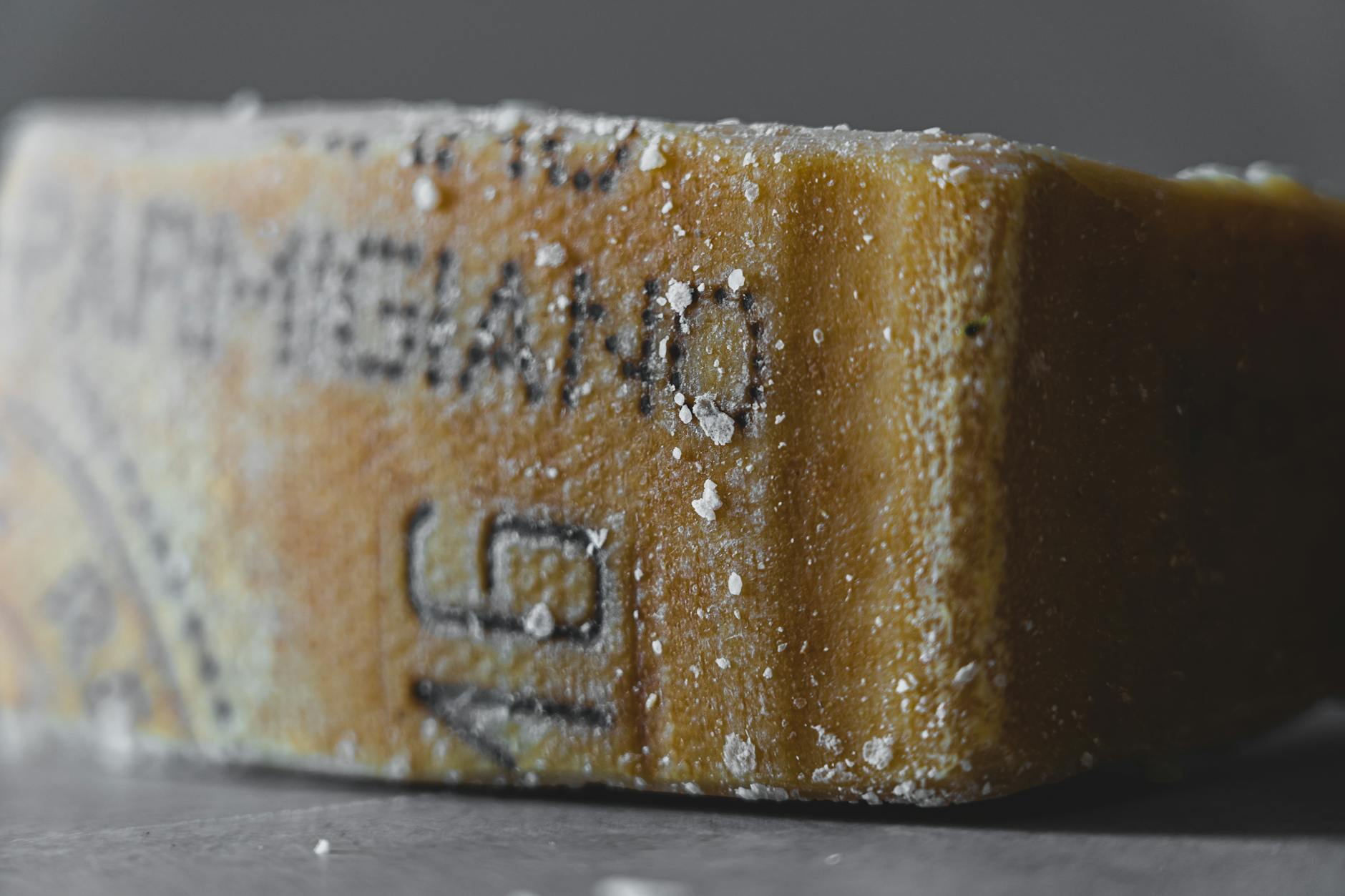
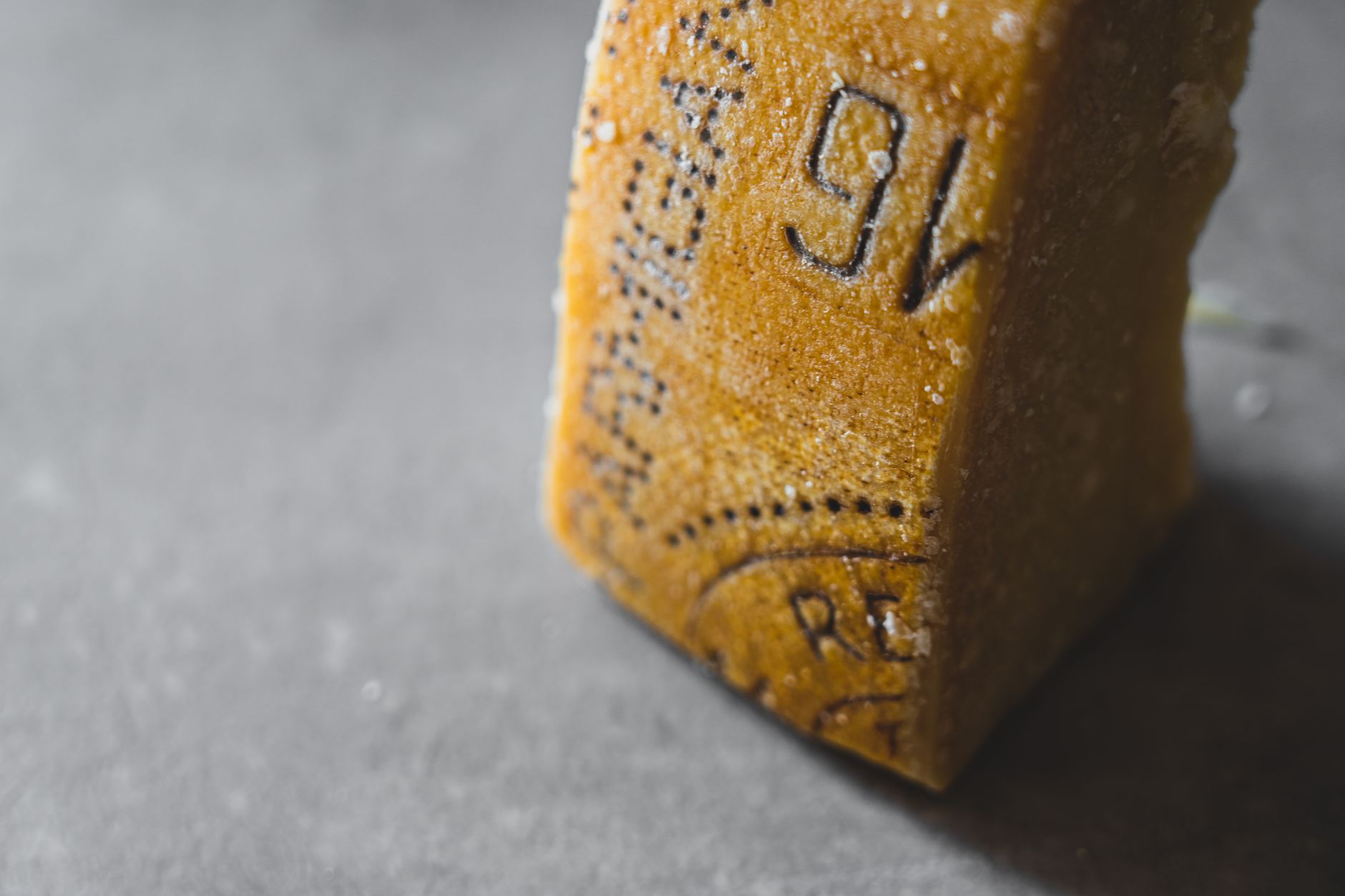
The most common mistake when buying Grana Padano is grabbing the cheapest wedge without checking the age. Younger cheese (9 months) tastes mild and works well for melting, while older cheese (16 months or more) offers deeper flavor for grating over finished dishes. Cheap versions often come from mass producers who skip the traditional copper vat process, resulting in a flatter taste. Look for the Grana Padano PDO seal on the rind, which guarantees authentic production. One expert tip: ask your cheesemonger to cut from a wheel that shows a slightly darker rind, which usually indicates longer aging. Also, avoid wedges that feel wet or sticky on the surface, as that signals improper storage.
| Certification | Price Range | Common Formats | Shelf Life | Key Allergens |
|---|---|---|---|---|
| PDO seal (Protected Designation of Origin), Halal certification varies by brand | $15 - $25 per kg | Wedge, pre-grated bag, wheel portion | 5-7 weeks refrigerated, 3 months frozen (grated) | Milk (dairy), lactose (trace amounts after aging) |
Is Grana Padano actually Halal - what should I check?
Grana Padano is made from cow milk and uses rennet to coagulate the curds. Traditional Grana Padano uses animal rennet, which may come from non-Halal sources. To confirm Halal status, look for a certification logo from a recognized body such as JAKIM, IFANCA, or HMC on the packaging. Some producers now offer Halal-certified versions using microbial or vegetarian rennet. Always read the ingredient list and check the certifying body‘s name before purchasing.
Can I eat Grana Padano if I am lactose intolerant?
Many people with lactose intolerance tolerate aged Grana Padano well because the aging process breaks down most of the lactose. After 9 months of aging, the lactose content drops to about 0.5 grams per 100 grams or less. This is significantly lower than fresh cheeses. However, individual tolerance varies. Start with a small serving of 10-15 grams and see how your body responds.
What is the ideal aging for cooking versus eating raw?
For cooking, choose Grana Padano aged 9-12 months. The milder flavor integrates smoothly into sauces and soups without overwhelming other ingredients. For eating raw, such as on a cheese board or shaved over salad, pick a wedge aged 16 months or longer. The texture becomes more granular and the flavor develops a pleasant nuttiness that stands out on its own.
Does Grana Padano melt well for sauces and fondue?
Yes, Grana Padano melts smoothly when heated gently. Use low to medium heat and stir continuously to prevent separation. For a cheese sauce, combine Grana Padano with a bchamel base or mix it with a melting cheese like mozzarella for better stretch. Avoid boiling the sauce directly, as high heat causes the proteins to clump.
How should I read the label to avoid misleading claims?
Ignore front-of-package phrases like "Italian-style" or "Parmesan flavor." Instead, look for the official PDO logo and the words "Grana Padano" printed clearly. Check the ingredient list for the type of rennet used. If you need Halal certification, verify the certifying body and the logo‘s placement on the package. Some brands use the word "natural flavor" to mask additives, which is a red flag for quality.
What is the best way to grate Grana Padano without it sticking?
Chill the wedge in the freezer for 10-15 minutes before grating. Cold cheese grates more cleanly and sticks less to the blade. Use a microplane or a fine box grater for powder-like results. If the cheese starts to soften during grating, return it to the fridge for a few minutes.
Can I use Grana Padano in baking recipes that call for Parmesan?
Yes, you can substitute Grana Padano in most baking recipes such as cheese bread, savory scones, or quiches. The flavor will be milder, so you may need to increase the quantity slightly or add a pinch of salt to compensate. The texture behaves similarly to Parmesan in doughs and batters.
More You Might Like
If you found this guide helpful, explore our article on Caffeine in coffee ice cream to understand how much caffeine sneaks into your frozen dessert. Many coffee-flavored products contain surprising amounts, and knowing the numbers helps you make informed choices.
You might also enjoy our breakdown of Fresh cheeses, where we cover types like mozzarella, ricotta, and cream cheese with tips on flavor, storage, and Halal considerations. It pairs well with what you learned here about aged cheese.
Conclusion
Grana Padano cheese offers a versatile, affordable, and flavorful alternative to Parmesan that deserves a spot in your kitchen. Whether you grate it over pasta, shave it onto a salad, or melt it into a sauce, the mild nutty character enhances dishes without stealing the show. Next time you shop, check the label for the PDO seal and a Halal certification if you need one. Give this Italian hard cheese a try and see how it changes your cooking.
FAQs
Is Grana Padano cheese actually Halal — what should I check on the label?
Grana Padano traditionally uses animal rennet, which may not be Halal. Look for a Halal certification logo from a recognized body like JAKIM, IFANCA, or HMC on the packaging. Some producers offer Halal-certified versions with microbial rennet. Always check the ingredient list and certifying body before buying.
How long does Grana Padano cheese last after opening?
When stored properly in wax paper and refrigerated, Grana Padano lasts 5-7 weeks after opening. For longer storage, freeze grated cheese in an airtight bag for up to 3 months. Thaw in the fridge and use within 2-3 days. Avoid freezing whole wedges as texture becomes crumbly.
What is the difference between Grana Padano and Parmesan?
Grana Padano is aged a minimum of 9 months, resulting in a milder, nutty, slightly sweet flavor and a firmer but less brittle texture. Parmesan (Parmigiano-Reggiano) is aged at least 12 months, giving it a sharper, more crystalline taste and harder texture. Grana Padano is also more affordable, typically costing $15-$25 per kg compared to $25-$40 for Parmesan.
Is it safe to eat Grana Padano cheese every day?
Yes, in moderation. Grana Padano is a good source of protein and calcium but also contains fat and sodium. A typical serving (30g) has about 115 calories and 9g fat. People with lactose intolerance often tolerate it well due to low lactose levels after aging. However, those on low-sodium diets should consume it sparingly.
Where can I buy Grana Padano cheese?
Grana Padano is widely available in grocery stores, specialty cheese shops, and online marketplaces. Look for the PDO seal on the rind to ensure authenticity. You can also find it pre-grated or as a wedge. Check Halal certification if needed. Prices range from $15 to $25 per kg depending on age and retailer.